Taxa Info
Great Basin Bristlecone Pine
(Pinus longaeva)
·
·
·
·
·
·
·
·
·
·
·
→
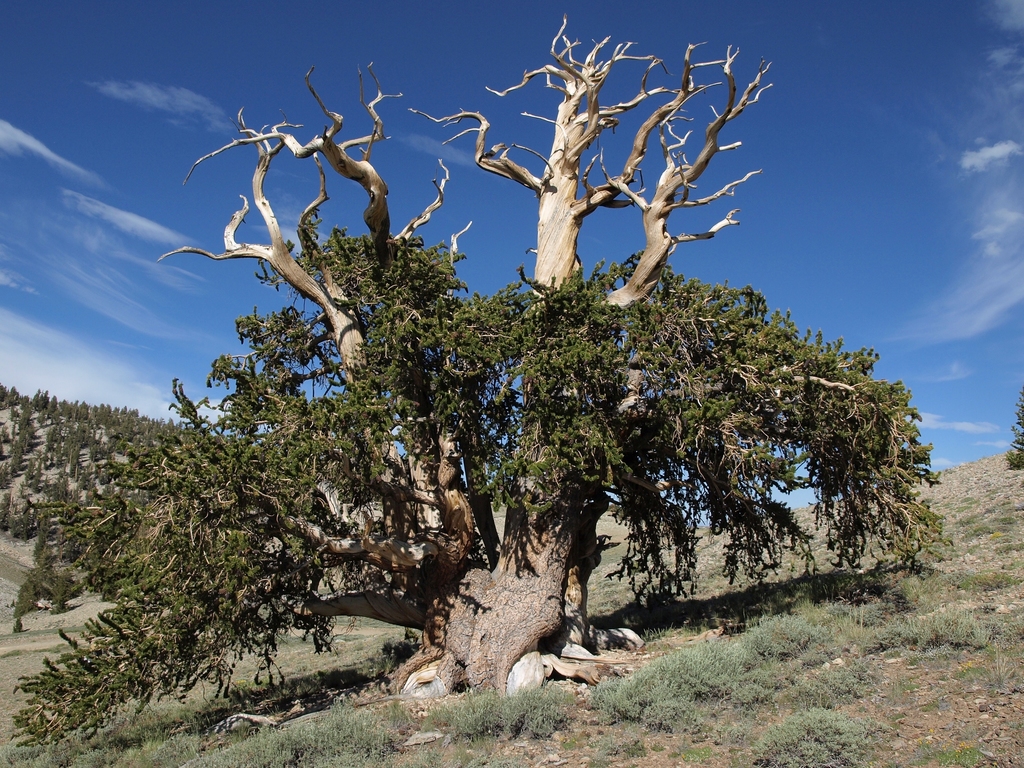
Pinus longaeva (commonly referred to as the Great Basin bristlecone pine, intermountain bristlecone pine, or western bristlecone pine) is a long-living species of bristlecone pine tree found in the higher mountains of California, Nevada, and Utah. One member of this species, at 5,067 years old, is the oldest known living non-clonal organism on Earth. In 1987, the bristlecone pine was designated one of Nevada's state trees.
Learn more »
ssadownik observed one on 2024-04-25 in 109 White Sands Way, Wasaga Beach, ON L9Z, Canada
Mosquito Ferns
(Genus Azolla)
←
·
·
·
·
·
·
·
·
·
·
·
→
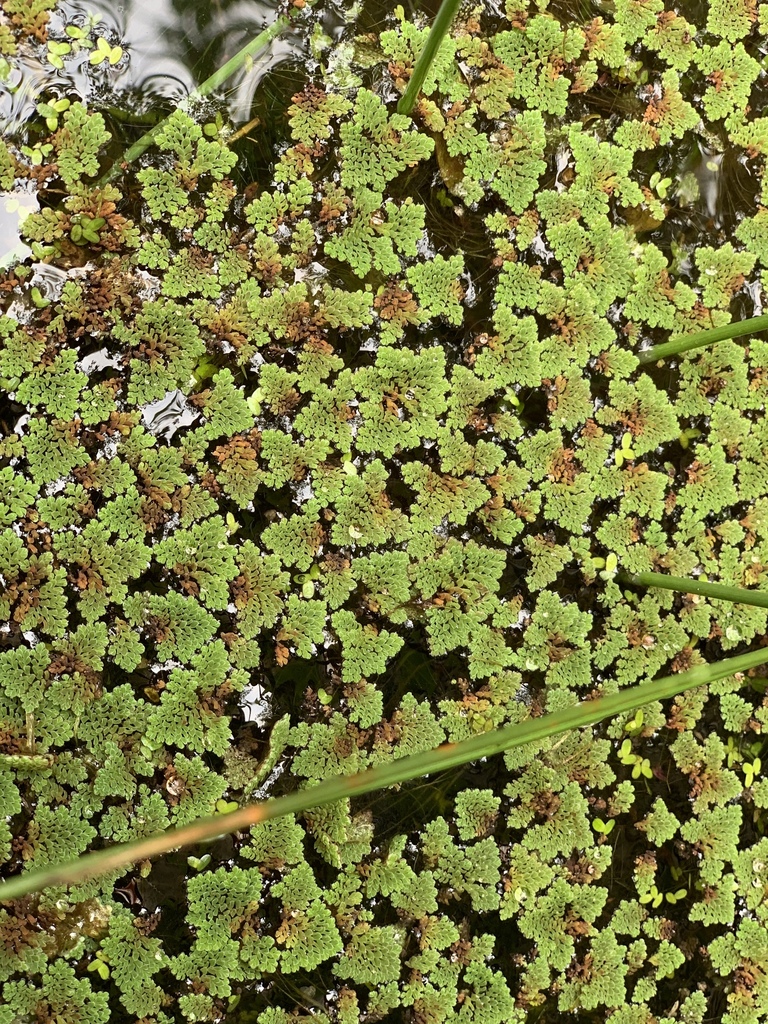
Azolla (mosquito fern, duckweed fern, fairy moss, water fern) is a genus of seven species of aquatic ferns in the family Salviniaceae. They are extremely reduced in form and specialized, looking nothing like other typical ferns but more resembling duckweed or some mosses.
Learn more »
nattanit_ny observed one on 2024-04-27 in RX33+QQJ, Suthep, Mueang Chiang Mai District, Chiang Mai 50200, Thailand
Gran Sasso Mountain Grasshopper
(Podisma goidanichi)
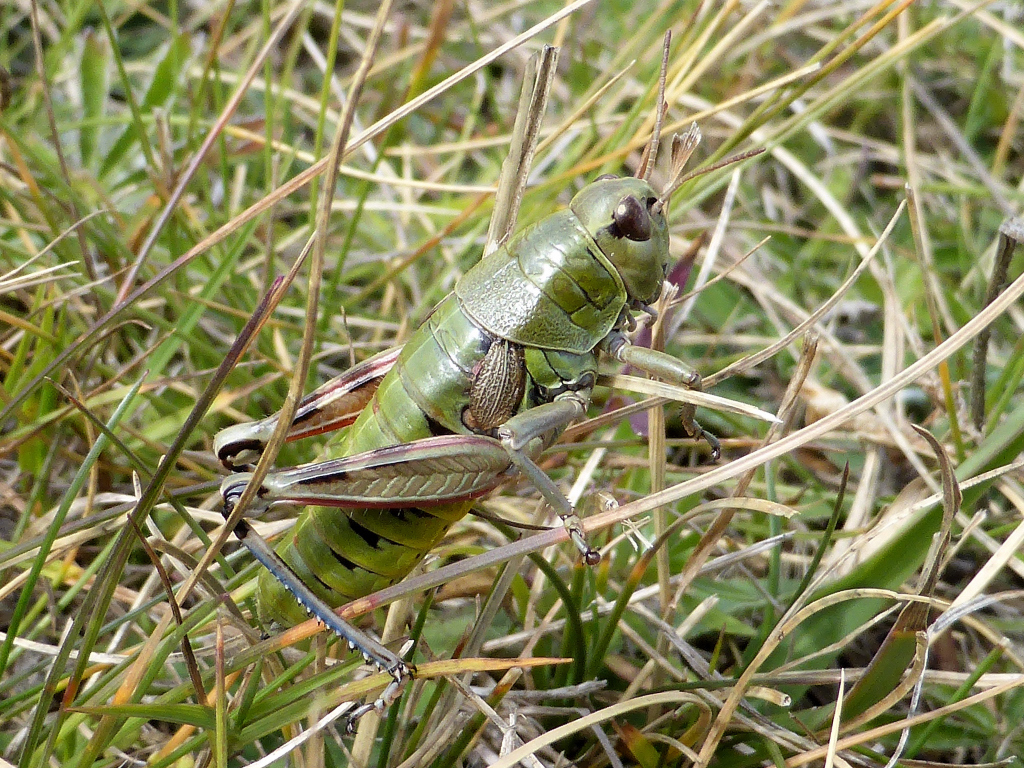
rinoiubatti observed one on 2022-09-11 in Abruzzo, IT
Carolina Fanwort
(Cabomba caroliniana)
←
·
·
·
·
·
·
·
·
·
·
·
→
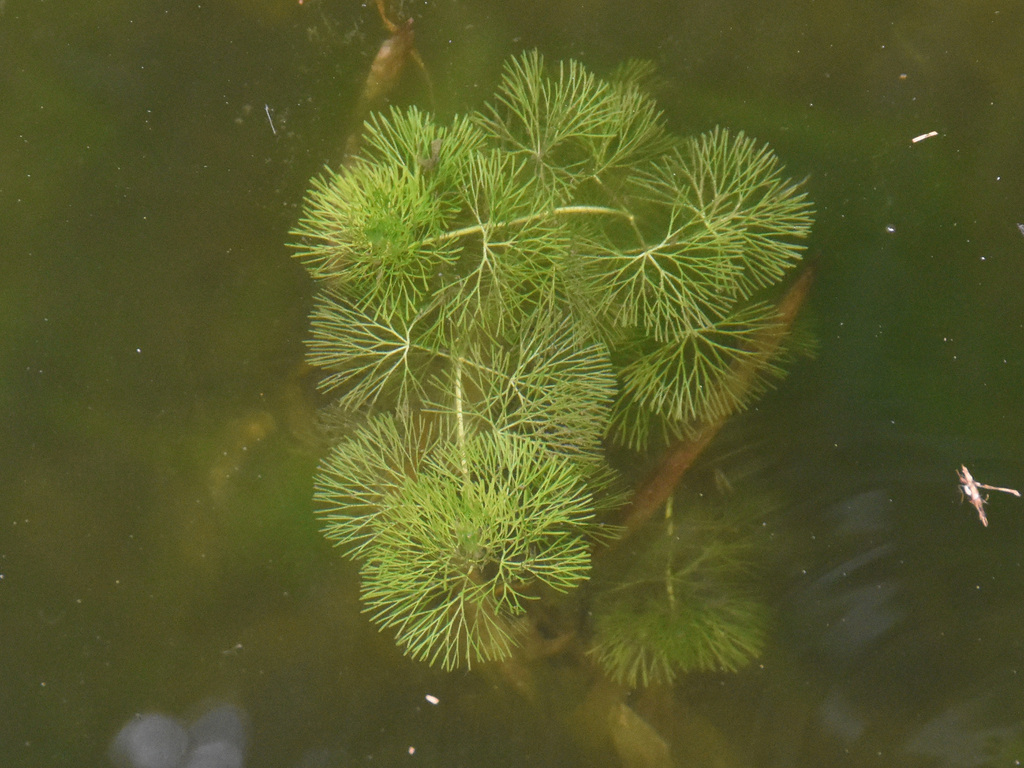
Cabomba caroliniana is an aquatic perennial herbaceous plant native to North and South America. It is a weed of national significance in Australia and on the list of invasive alien species of union concern in the EU.
Learn more »
ongzi observed one on 2024-04-27 in Serdang Jaya, Seri Kembangan, Selangor, Malaysia
Porsild's Bryum
(Haplodontium macrocarpum)
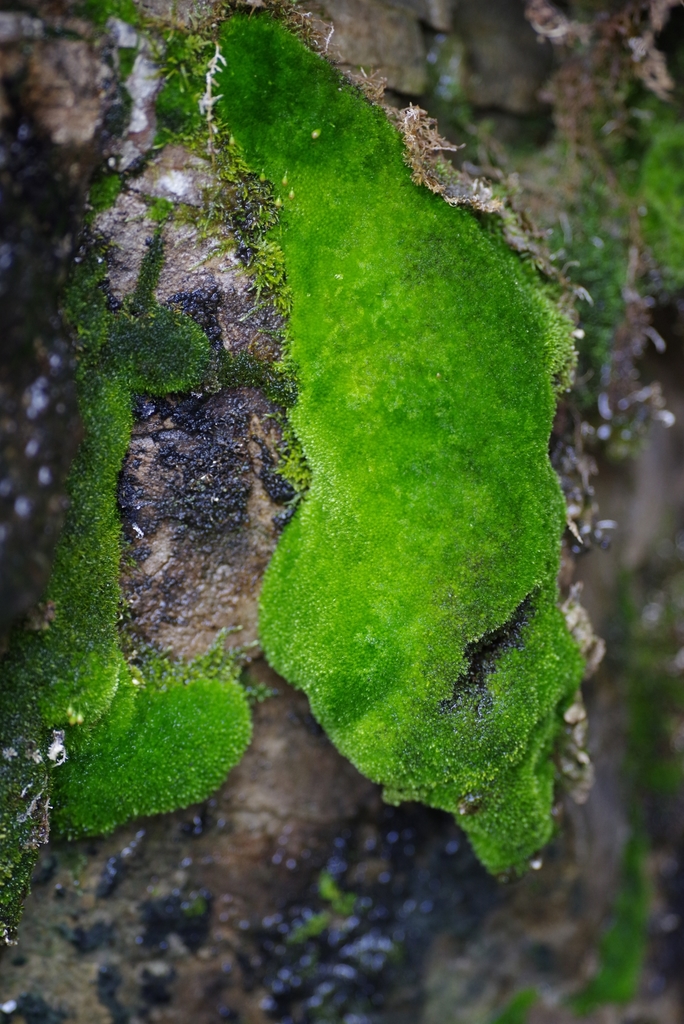
bluestems observed one on 2023-07-16 in Division No. 14, CA-AB, CA
Giant Waterlilies
(Genus Victoria)
←
·
·
·
·
·
·
·
·
·
·
·
→
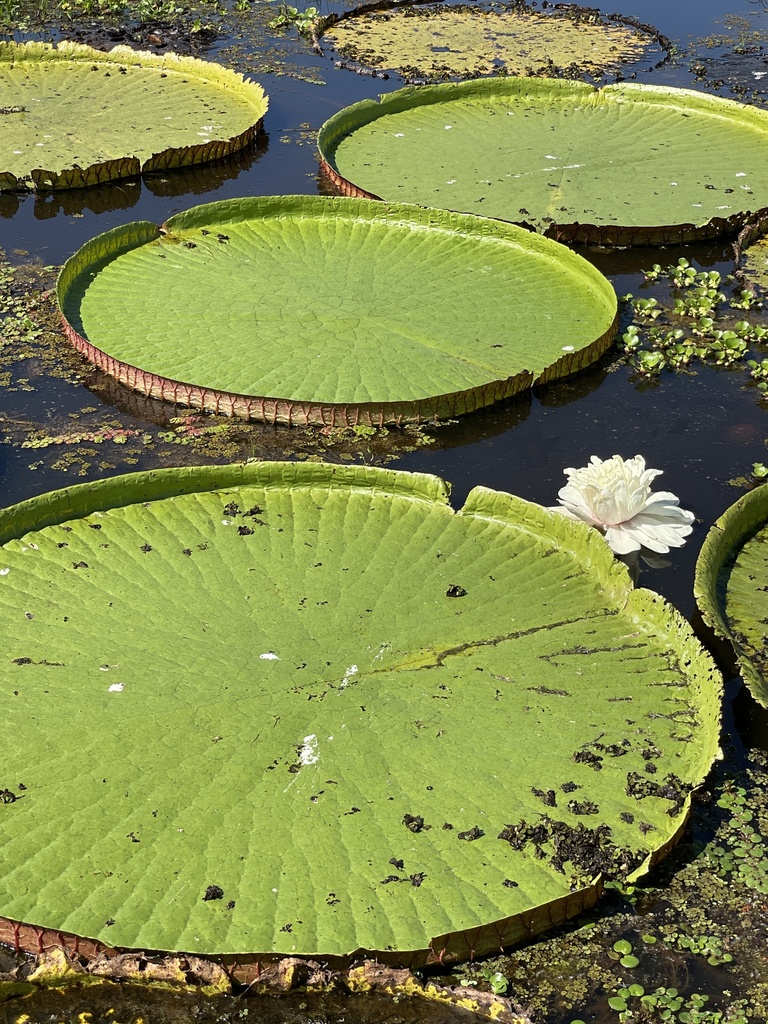
Victoria is a genus of water-lilies, in the plant family Nymphaeaceae, with very large green leaves that lie flat on the water's surface. Victoria amazonica has a leaf that is up to 3 metres (9.8 ft) in diameter, on a stalk up to 8 metres (26 ft) in length. The genus name was given in honour of Queen Victoria of the United Kingdom.
Learn more »
lucianunezyakalasalle5b observed one on 2024-04-26 in Cercado, BO-EB, BO
Panamanian Golden Frog
(Atelopus zeteki)
←
·
·
·
·
·
·
·
·
·
·
·
→
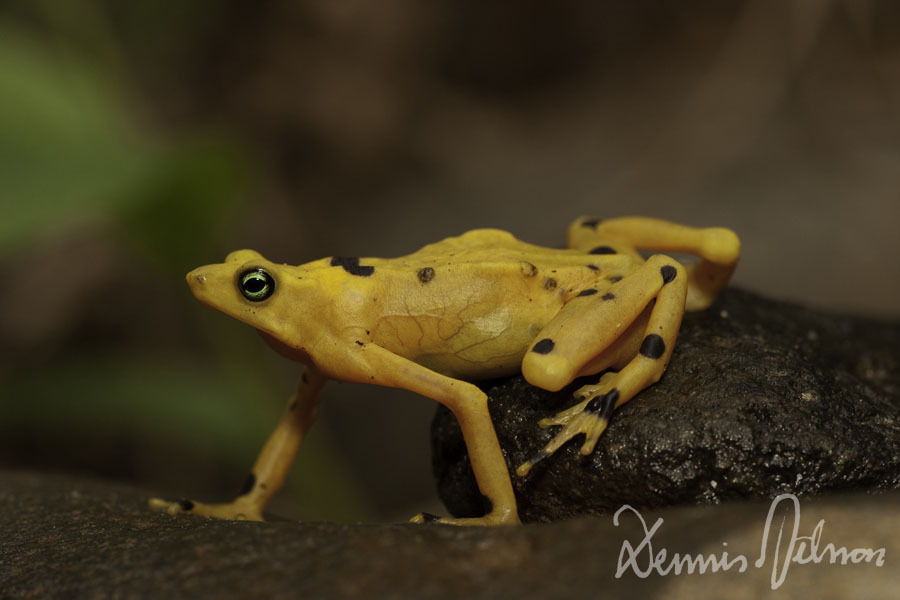
The Panamanian golden frog (Atelopus zeteki) is a species of toad endemic to Panama. Panamanian golden frogs inhabit the streams along the mountainous slopes of the Cordilleran cloud forests of west-central Panama. While the IUCN lists it as critically endangered, it may in fact have been extinct in the wild since 2007. Individuals have been collected for breeding in captivity in a bid to preserve the species. The alternative common name, Zetek's golden frog, and the...
Learn more »
cpudder16 observed one on 2016-05-13 in Tennessee, US
Amazon Giant Waterlily
(Victoria amazonica)
←
·
·
·
·
·
·
·
·
·
·
·
→
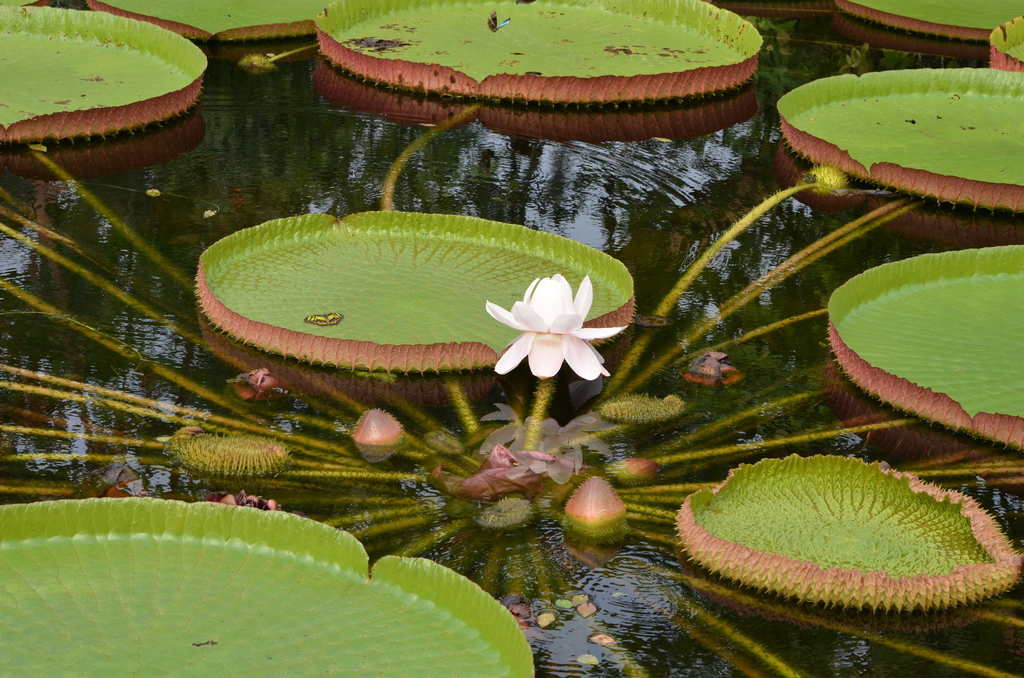
Victoria amazonica is a species of flowering plant, the largest of the Nymphaeaceae family of water lilies. It is the National flower of Guyana respectively.
Learn more »
branko61702 observed one on 2024-04-26 in Marbán, BO-EB, BO
Eastern Towhee
(Pipilo erythrophthalmus)
←
·
·
·
·
·
·
·
·
·
·
·
→
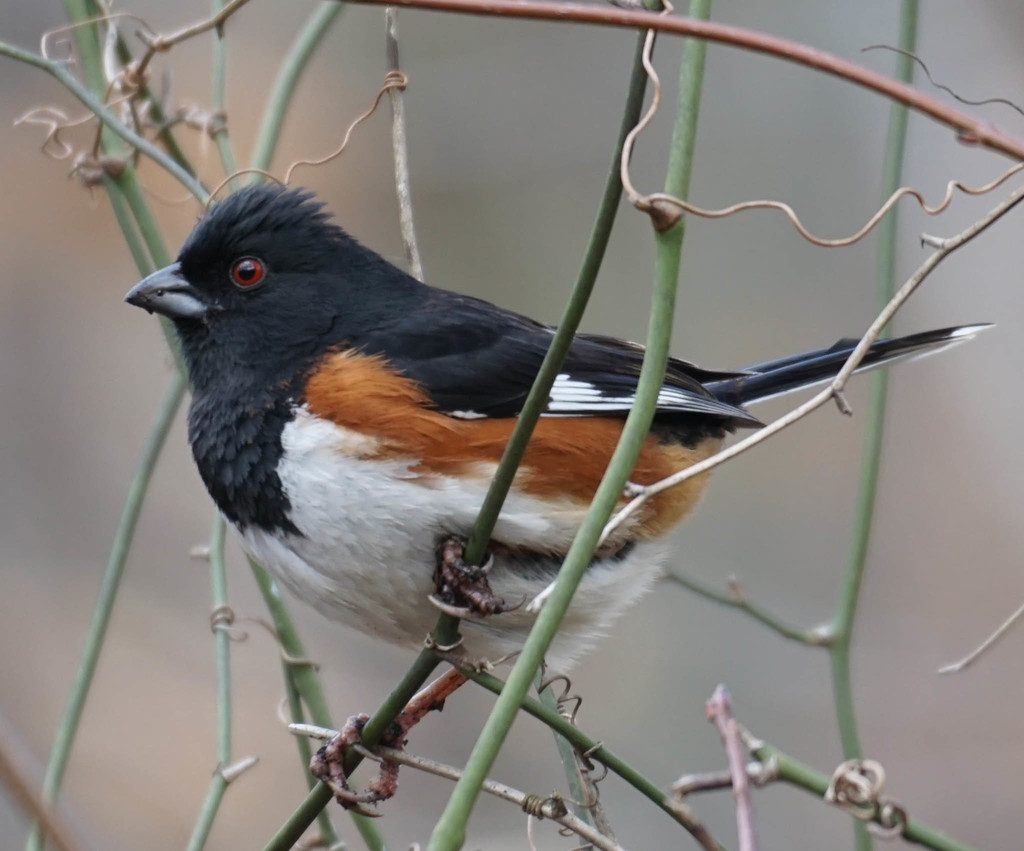
The eastern towhee (Pipilo erythrophthalmus) is a large New World sparrow. The taxonomy of the towhees has been under debate in recent decades, and formerly this bird and the spotted towhee were considered a single species, the rufous-sided towhee.
Learn more »
no_name_ideas observed one on 2024-04-26 in Heckscher State Park, East Islip, NY, US
American White Waterlily
(Nymphaea odorata)
←
·
·
·
·
·
·
·
·
·
·
·
→
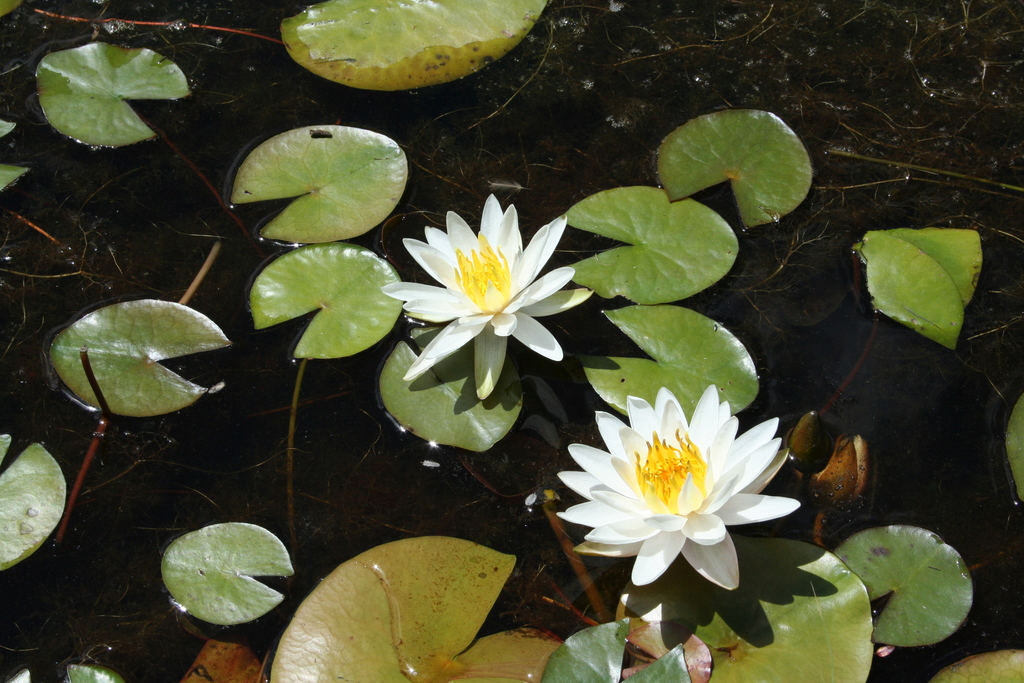
Nymphaea odorata, also known as the American white waterlily, fragrant water-lily, beaver root, fragrant white water lily, white water lily, sweet-scented white water lily, and sweet-scented water lily, is an aquatic plant belonging to the genus Nymphaea. It can commonly be found in shallow lakes, ponds, and permanent slow moving waters throughout North America where it ranges from Central America to northern Canada. It is also
Learn more »
ctiemann16 observed one on 2024-04-26 in Mill Pond, Millington, MD, US
Australian Magpie
(Gymnorhina tibicen)
←
·
·
·
·
·
·
·
·
·
·
·
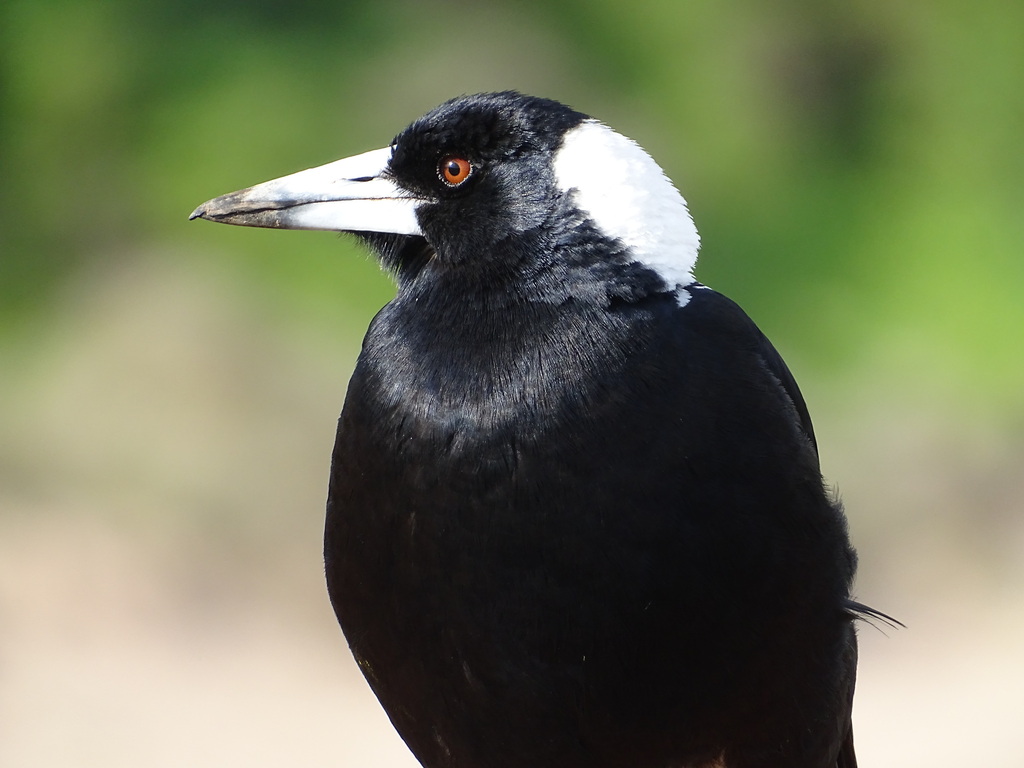
The Australian magpie (Gymnorhina tibicen) is a medium-sized black and white passerine bird native to Australia and southern New Guinea. Although once considered to be three separate species, it is now considered to be one, with nine recognised subspecies. A member of the Artamidae, the Australian magpie is placed in its own genus Gymnorhina and is most closely related to the black butcherbird (Melloria quoyi). It is not, however, closely related to the European magpie
Learn more »
zoedavis observed one on 2024-04-27 in Melbourne VIC, Australia


Recently Observed
 Auriculate Dichrocephala
(Dichrocephala integrifolia)
on April 27, 2024
Auriculate Dichrocephala
(Dichrocephala integrifolia)
on April 27, 2024
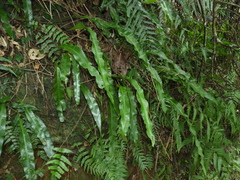 Lepisorus fortuni
on April 27, 2024
Lepisorus fortuni
on April 27, 2024
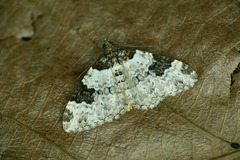 Garden Carpet
(Xanthorhoe fluctuata)
on April 27, 2024
Garden Carpet
(Xanthorhoe fluctuata)
on April 27, 2024
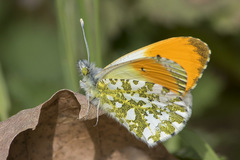 Orange-Tip
(Anthocharis cardamines)
on April 27, 2024
Orange-Tip
(Anthocharis cardamines)
on April 27, 2024
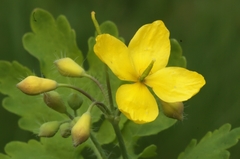 Greater Celandine
(Chelidonium majus)
on April 27, 2024
Greater Celandine
(Chelidonium majus)
on April 27, 2024