Educators and their students can help protect freshwater ecosystems by participating in crayfish sampling and reporting efforts. By catching, identifying, and reporting the crayfish species you find in your area, you play an active role in helping resource managers understand where native and invasive crayfish live and how their populations are changing. Add the crayfish species you find to ...more ↓
Educators and their students can help protect freshwater ecosystems by participating in crayfish sampling and reporting efforts. By catching, identifying, and reporting the crayfish species you find in your area, you play an active role in helping resource managers understand where native and invasive crayfish live and how their populations are changing. Add the crayfish species you find to this page to inform scientists of the biodiversity in your region.
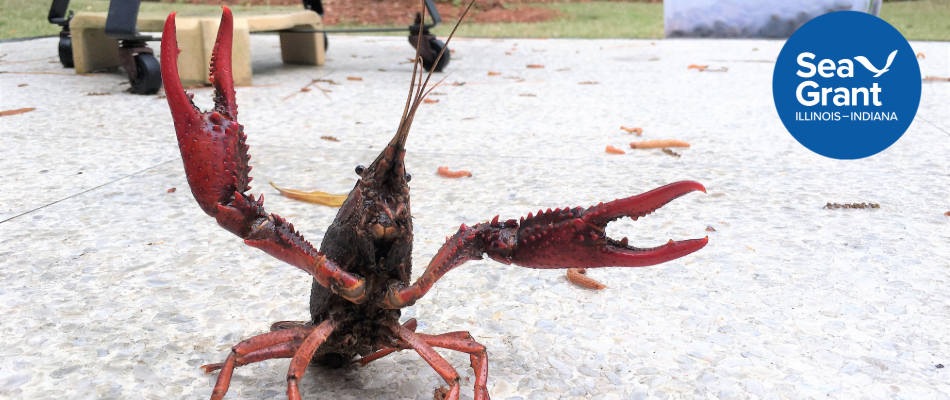
Invasive crayfish are a major issue in the Great Lakes. The region is home to 40 native crayfish species, each holding incredible ecological value. However, invaders like red swamp and rusty crayfishes are putting pressure on these native populations. New invasive populations are typically small and hard to detect, but their small populations also make them easier to manage. Monitoring freshwater habitats for crayfish can help detect new populations and support fast management.
*If you'd like to participate in this project with your students but aren't sure how it fits into your teaching, visit invasivecrayfish.org/crayfish-curriculum to explore fun lesson plans and activities that support classroom integration. less ↑

 Great Lakes Crayfish


 bizzy
created this project on March 12, 2019
bizzy
created this project on March 12, 2019