Species Search
 C
C
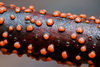
Genus Nectria
Info
Nectria is a genus of Ascomycete fungi. They are most often encountered as saprophytes on decaying wood but some species can also occur as parasites of trees, especially fruit trees (for example apple) and a number of other hardwood trees. Some species are significant pests causing diseases such as apple canker, Nectria twig blight, and coral spot in orchards.
(Wikipedia)
 CC
CC
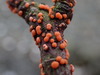
Complex Nectria cinnabarina
Info
Nectria cinnabarina, also known as coral spot, is a plant pathogen that causes cankers on broadleaf trees. This disease is polycyclic and infects trees in the cool temperate regions of the Northern Hemisphere. N. cinnabarina is typically saprophytic, but will act as a weak parasite if presented with an opportunity via wounds in the tree or other stressors that weaken the tree's defense to the disease. A study published in 2011 showed that this complex consists
(Wikipedia)
 CC
CC
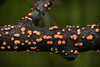
Coral Spot
(Nectria cinnabarina)
Info
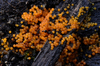
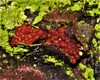
Nectria cinnabarina, also known as coral spot, is a plant pathogen that causes cankers on broadleaf trees. This disease is polycyclic and infects trees in the cool temperate regions of the Northern Hemisphere. N. cinnabarina is typically saprophytic, but will act as a weak parasite if presented with an opportunity via wounds in the tree or other stressors that weaken the tree’s defense to the disease. A study published in 2011 showed that this complex consists...
(Wikipedia)
 C
C
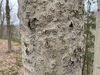
Beech Bark Canker Fungus
(Neonectria faginata)
Info
Neonectria faginata is a species of fungus that affects Beech trees in North America. Neonectria faginata, along with Neonectria ditissima, are the cause of beech bark disease in trees that have already been affected by beech scale Cryptococcus fagisuga.
(Wikipedia)
 CC
CC
 CC
CC
 C
C
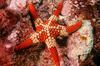
Genus Nectria
Info
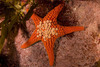
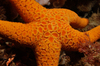
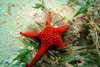
Nectria is a genus of echinoderms belonging to the family Goniasteridae.
(Wikipedia)
 CC
CC
Apple Canker
(Neonectria ditissima)
Info
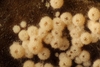
Neonectria ditissima (syn. Neonectria galligena) is a fungal plant pathogen. It causes cankers that can kill branches of trees by choking them off. Apple and beech trees are two susceptible species.
(Wikipedia)
 CC
CC
 CC
CC
 CC
CC
 CC
CC
 CC
CC
 CC
CC
 CC
CC
 C
C
 CC
CC
Frogeye Leaf Spot
(Botryosphaeria obtusa)
Info
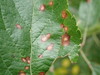
Botryosphaeria obtusa is a plant pathogen that causes Frogeye leaf spot, Black rot and cankers on many plant species. On the leaf it is referred to as Frogeye leaf spot; this phase typically affects tree and shrubs. In fruit such as the apple, cranberry and quince, it is referred to as Black rot, and in twigs and trunks it causes cankers.
(Wikipedia)
 CC
CC
 C
C
 CC
CC
Ovicuculispora parmeliae
Info
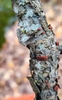
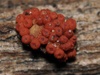
Ovicuculispora parmeliae is a widely distributed species of lichenicolous fungus in the family Bionectriaceae. It is parasitic on many foliose lichen species, particularly those in the family Parmeliaceae.
(Wikipedia)
 CC
CC
 CC
CC
 C
C
Nectriopsis rubefaciens
Info
Nectriopsis rubefaciens is an orange-red lichenicolous fungus, a host-specific parasitic fungus that lives on lichen. It has globose reddish-brown perithecia (80–160 μm in diameter) with scattered gland-like hairs of a fine cellular texture. Paraphyses are absent and the hyaline ascospores are oblong-cylindrical, 8/ascus.
(Wikipedia)
 CC
CC