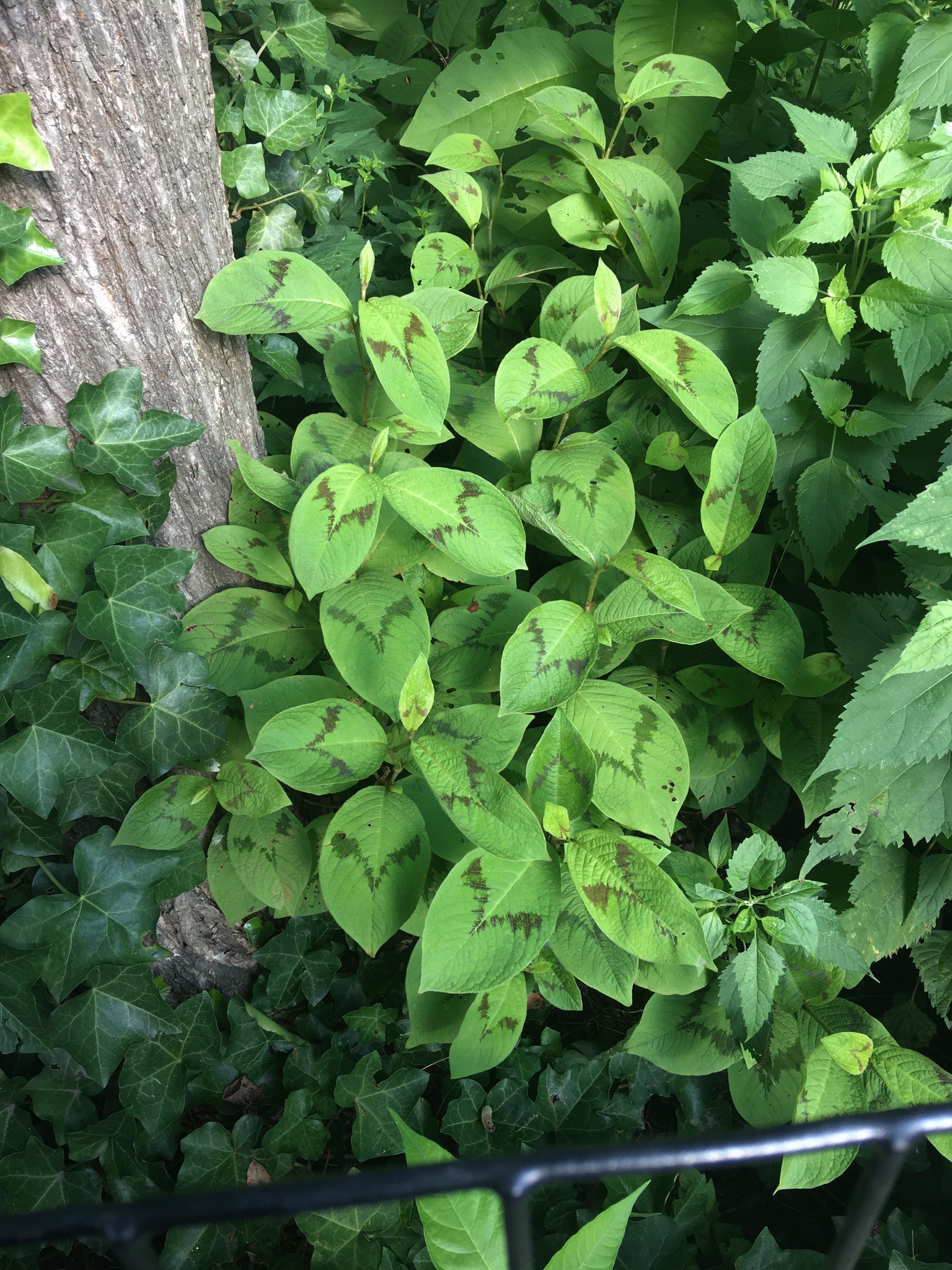
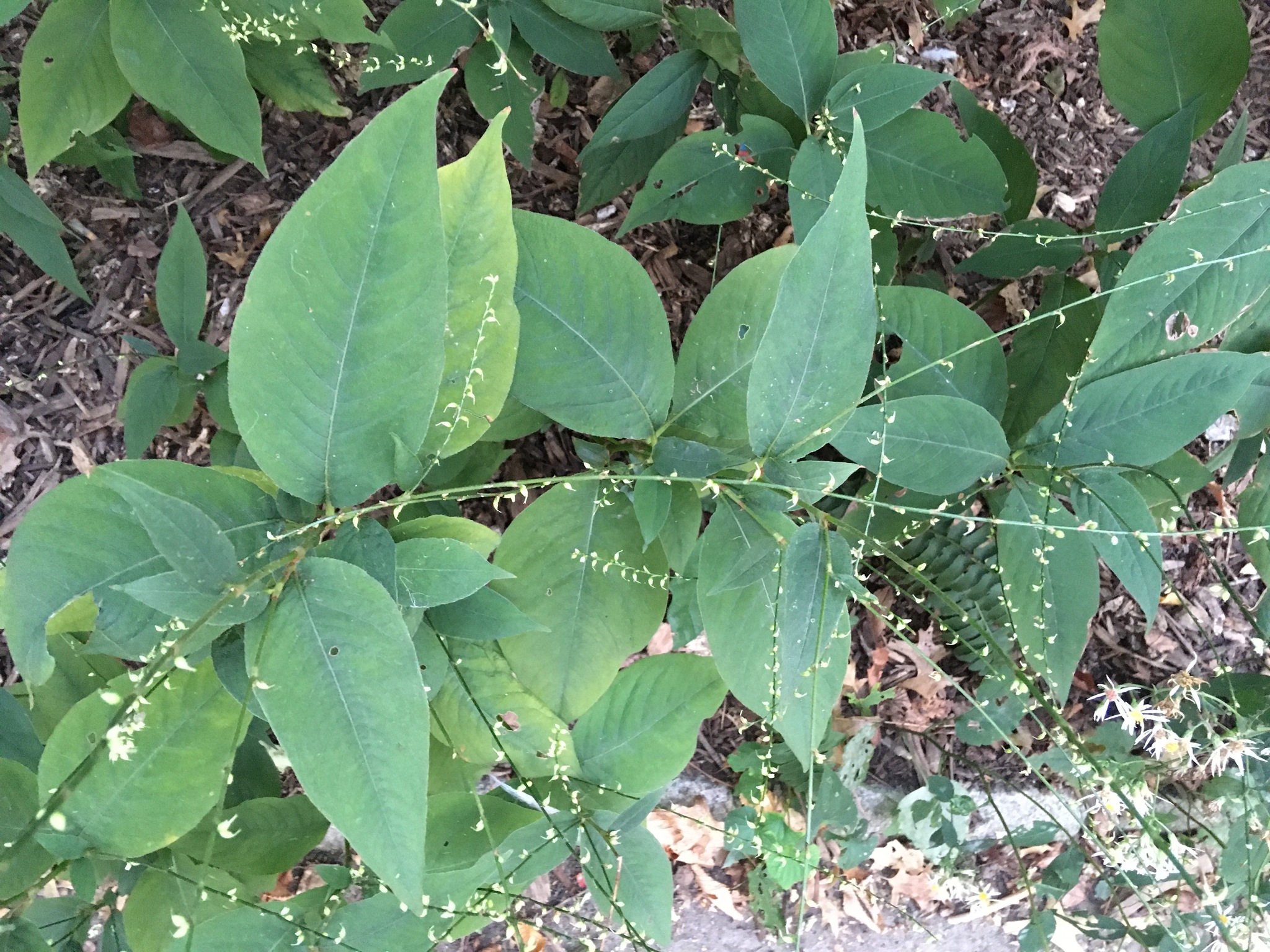
October 28, 2025

Key to Persicaria Species of North America North of Mexico

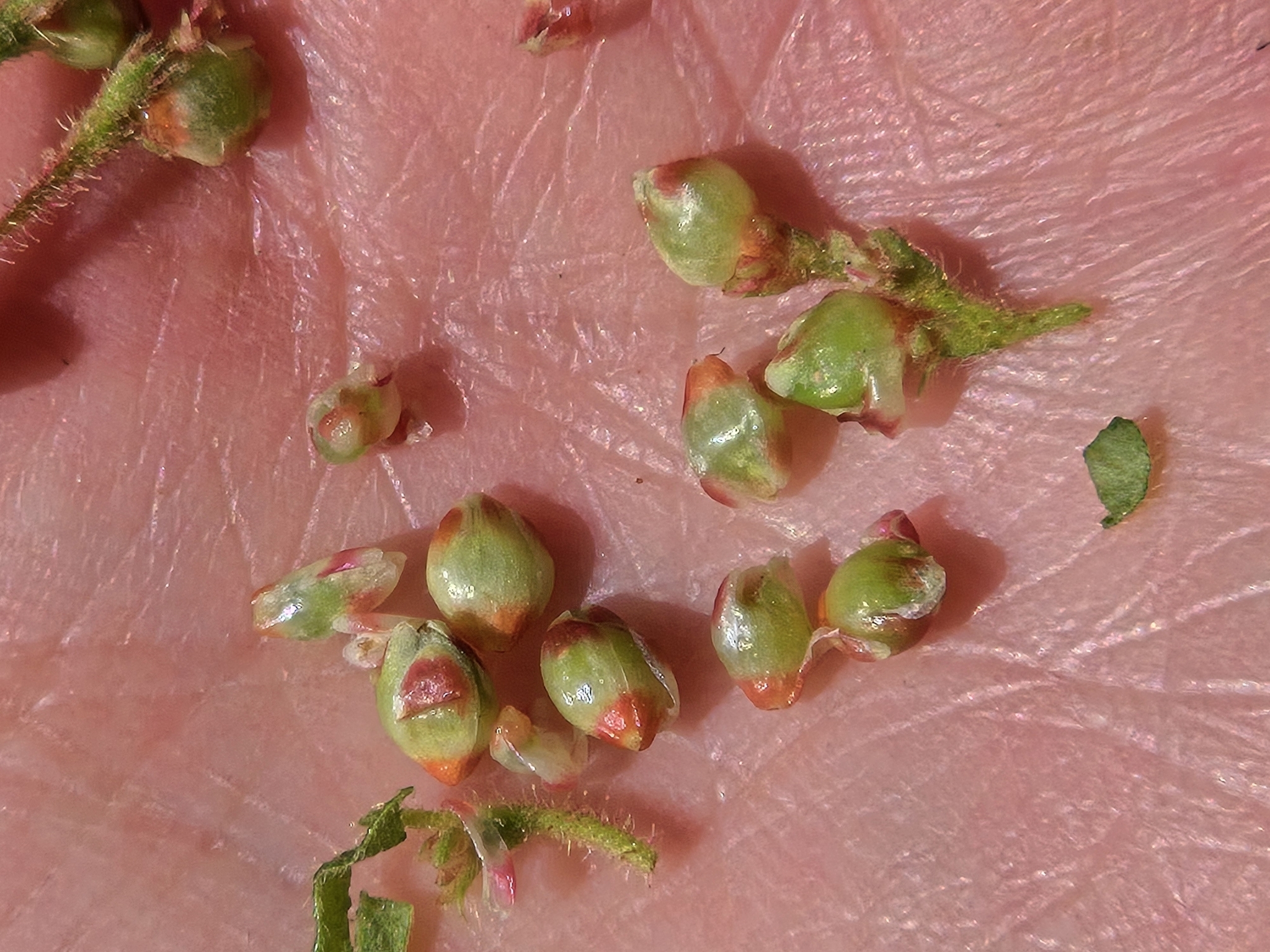
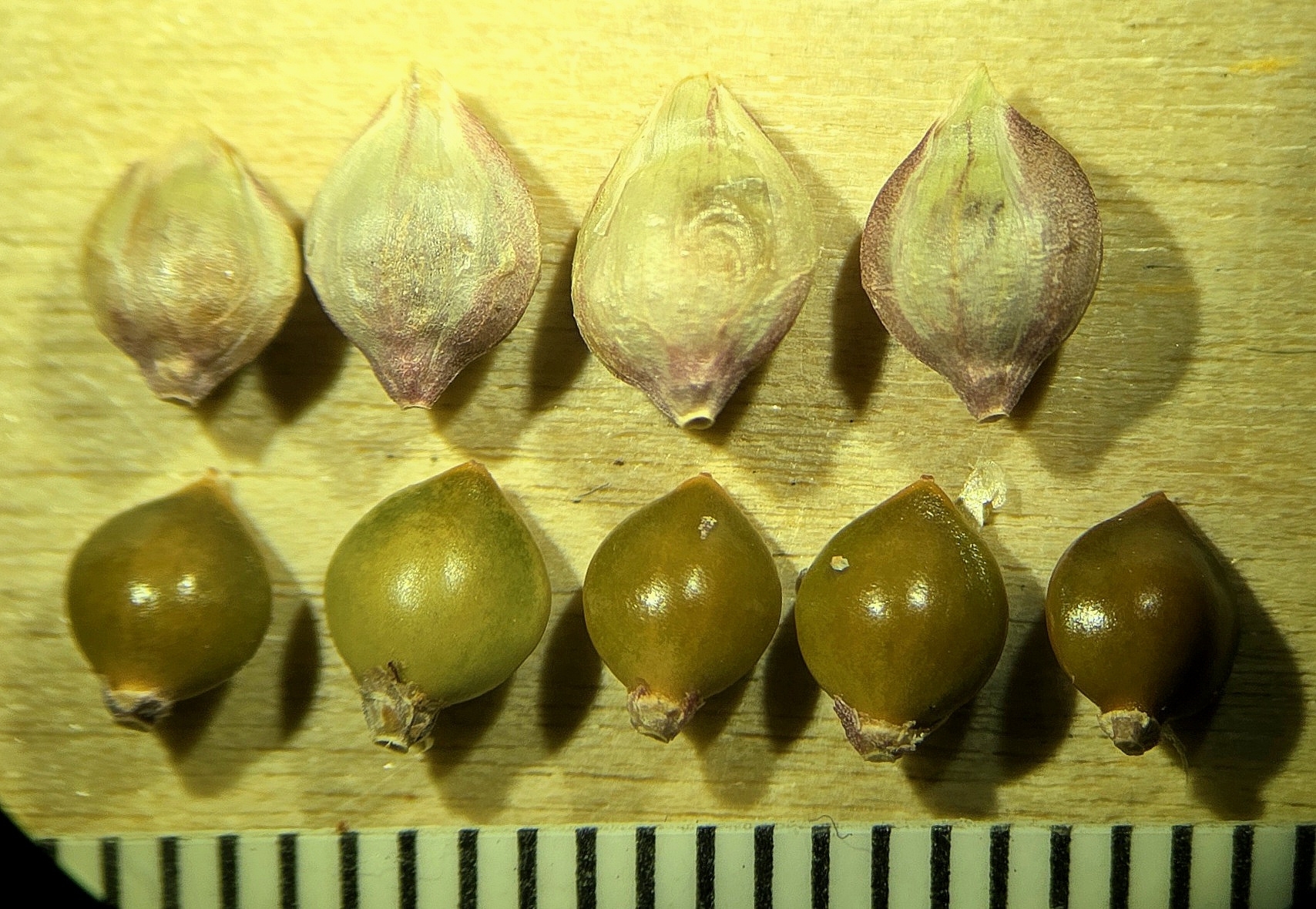
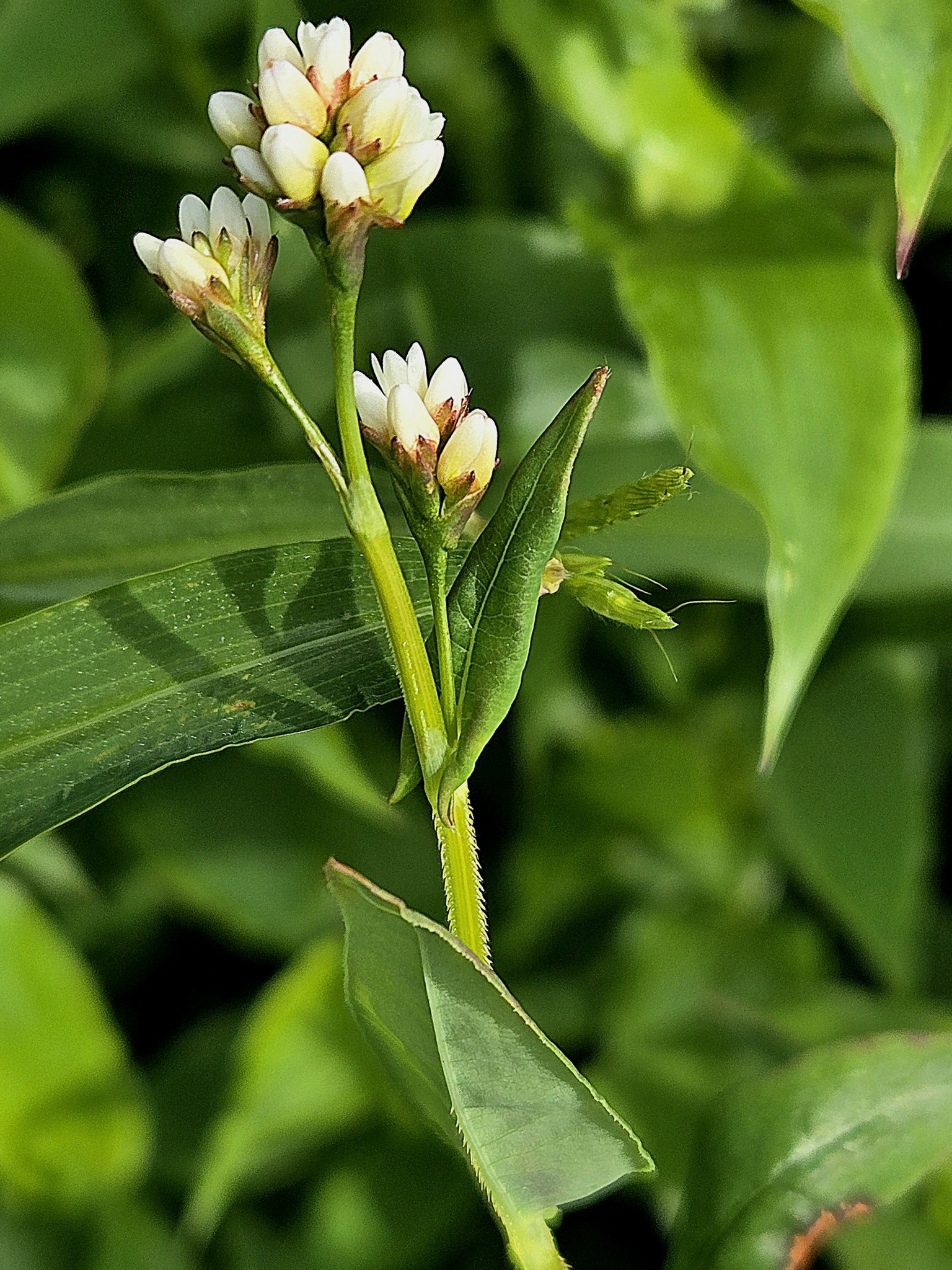
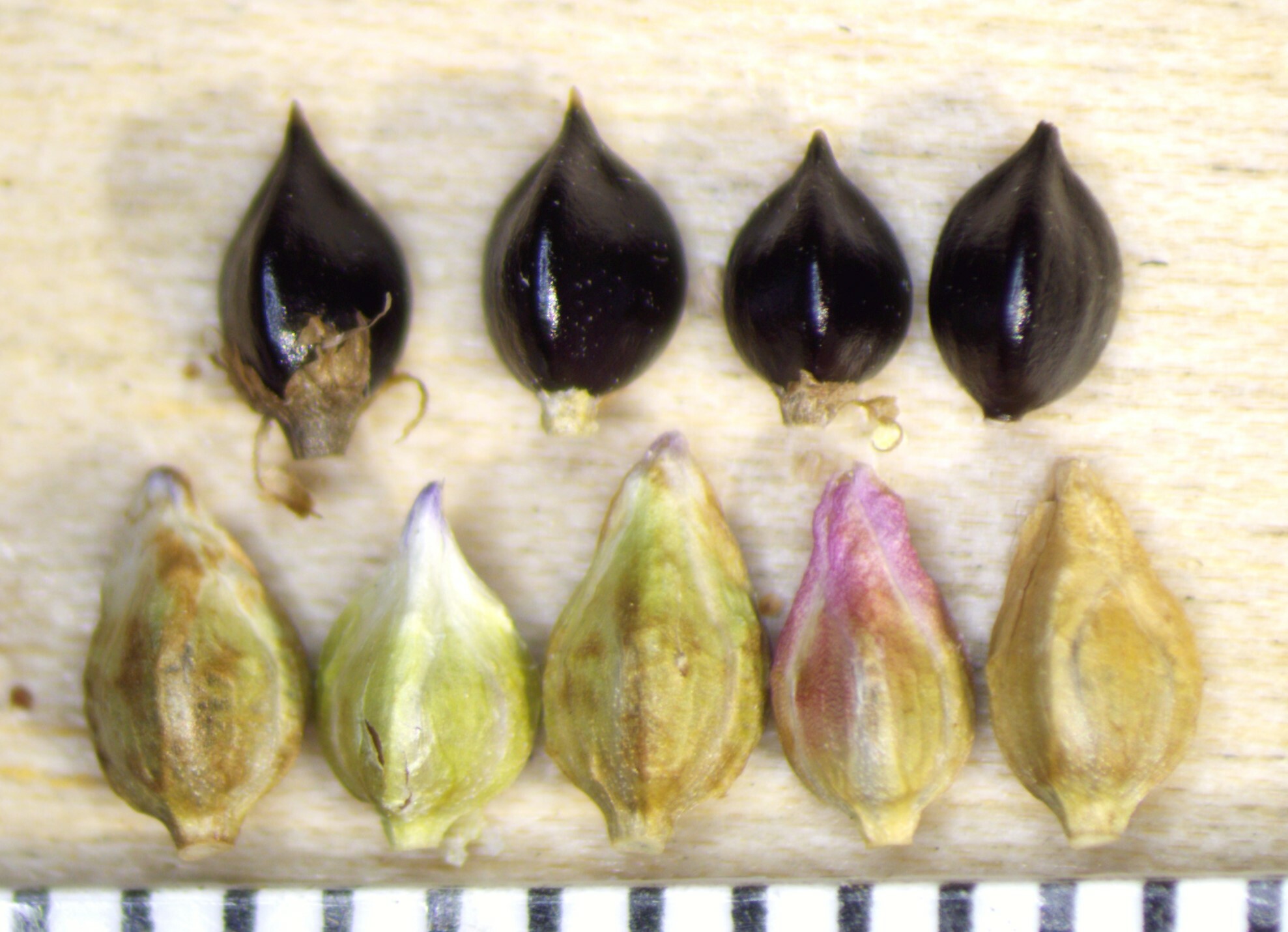
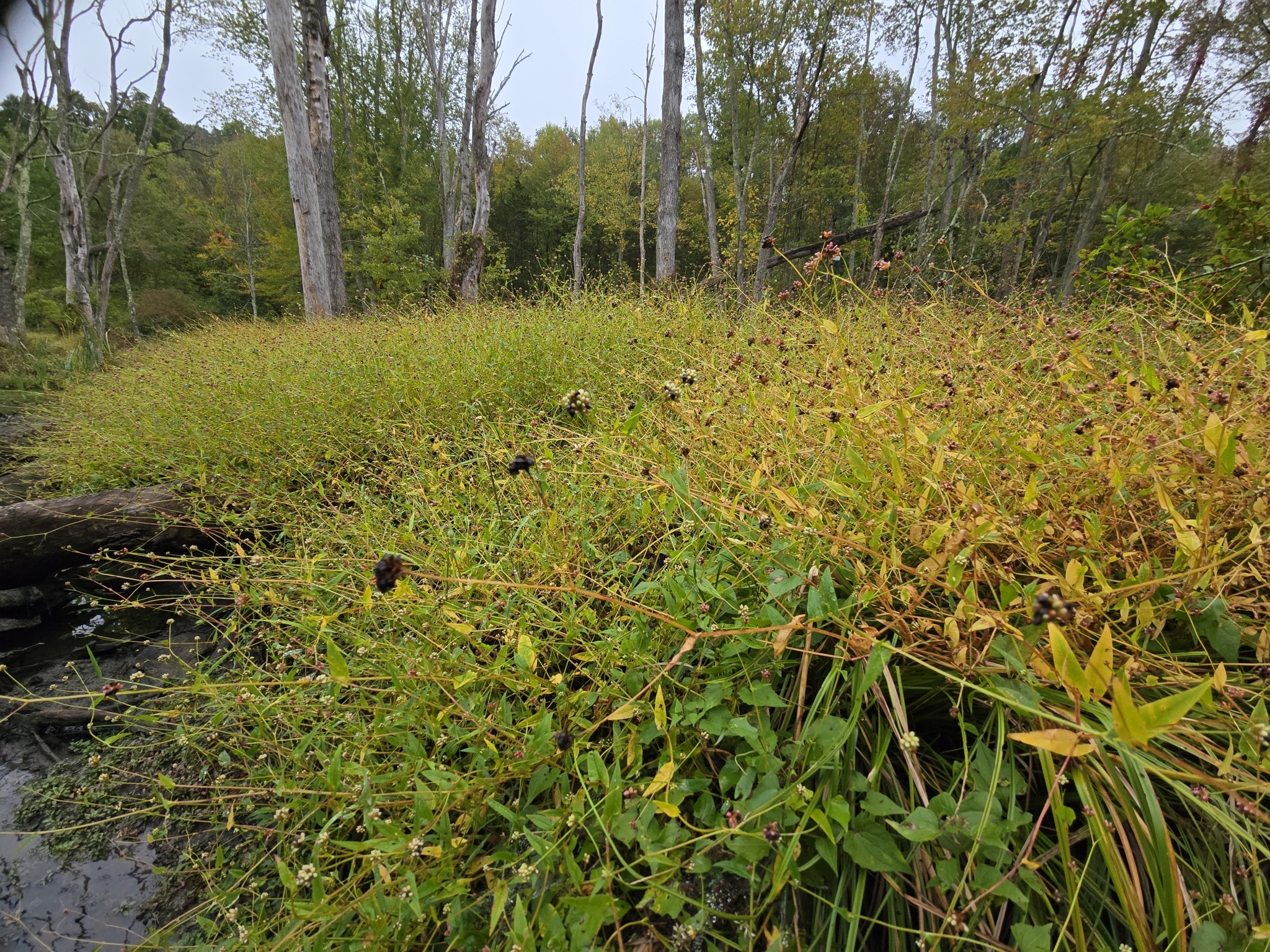
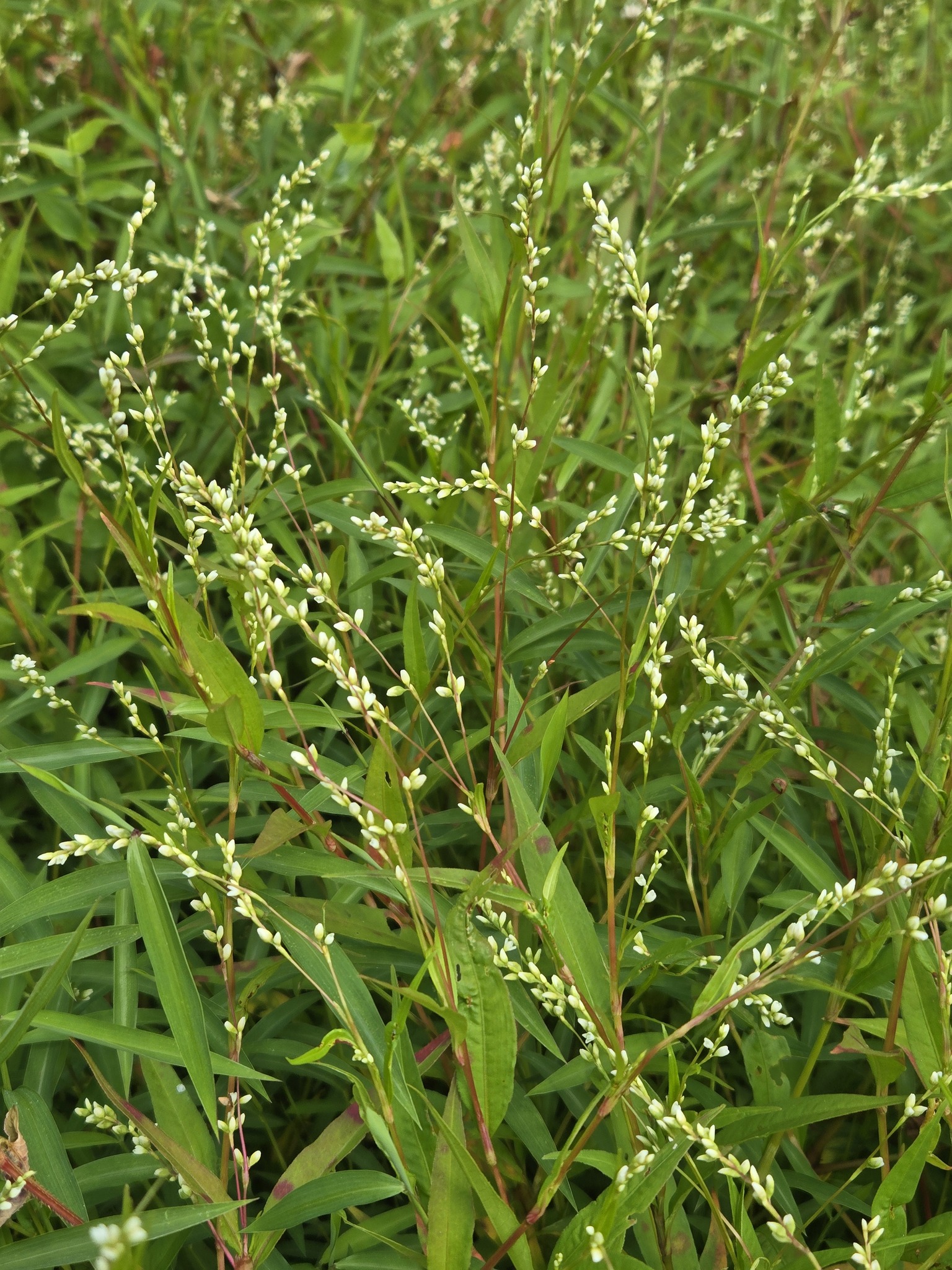
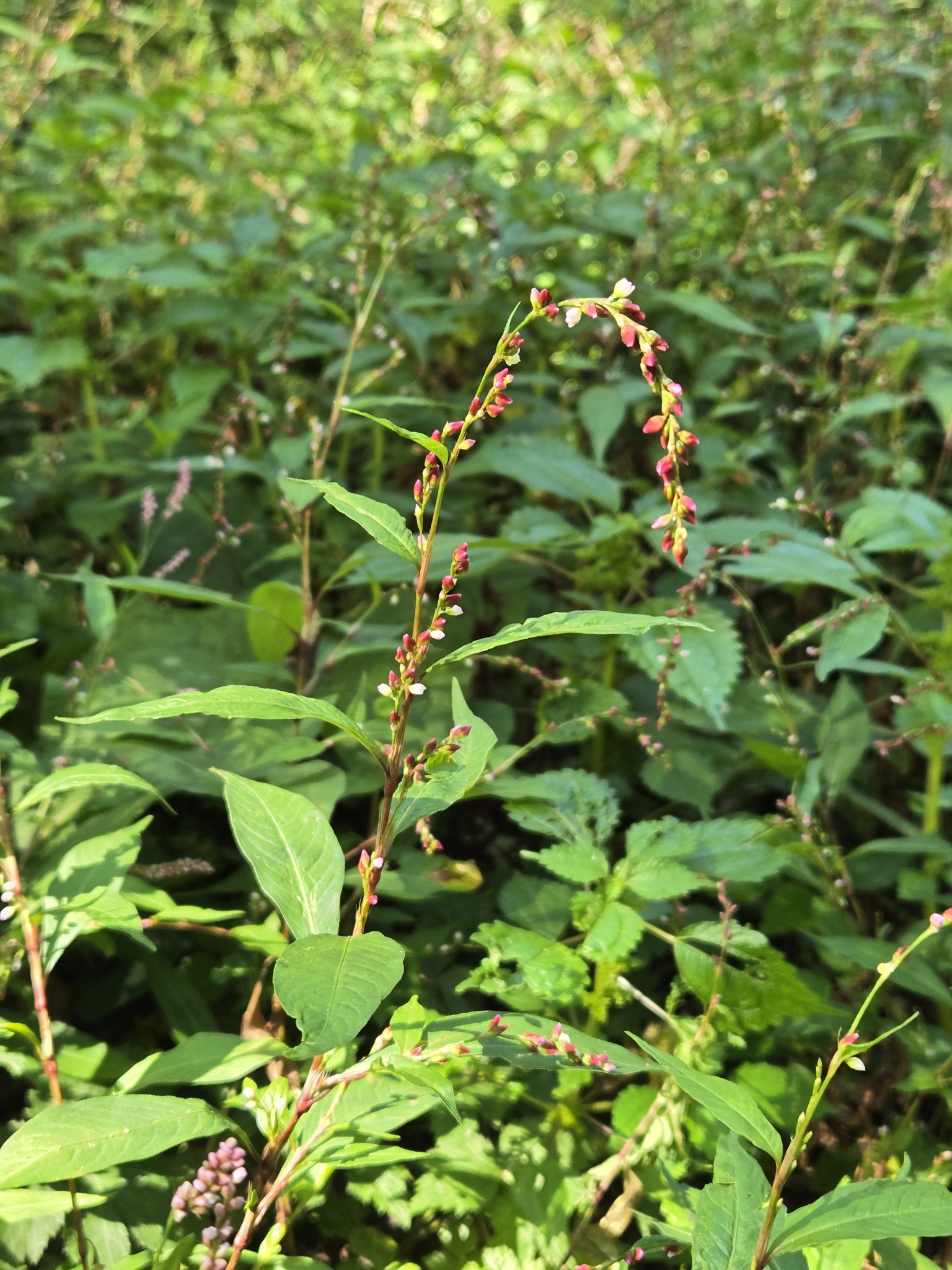
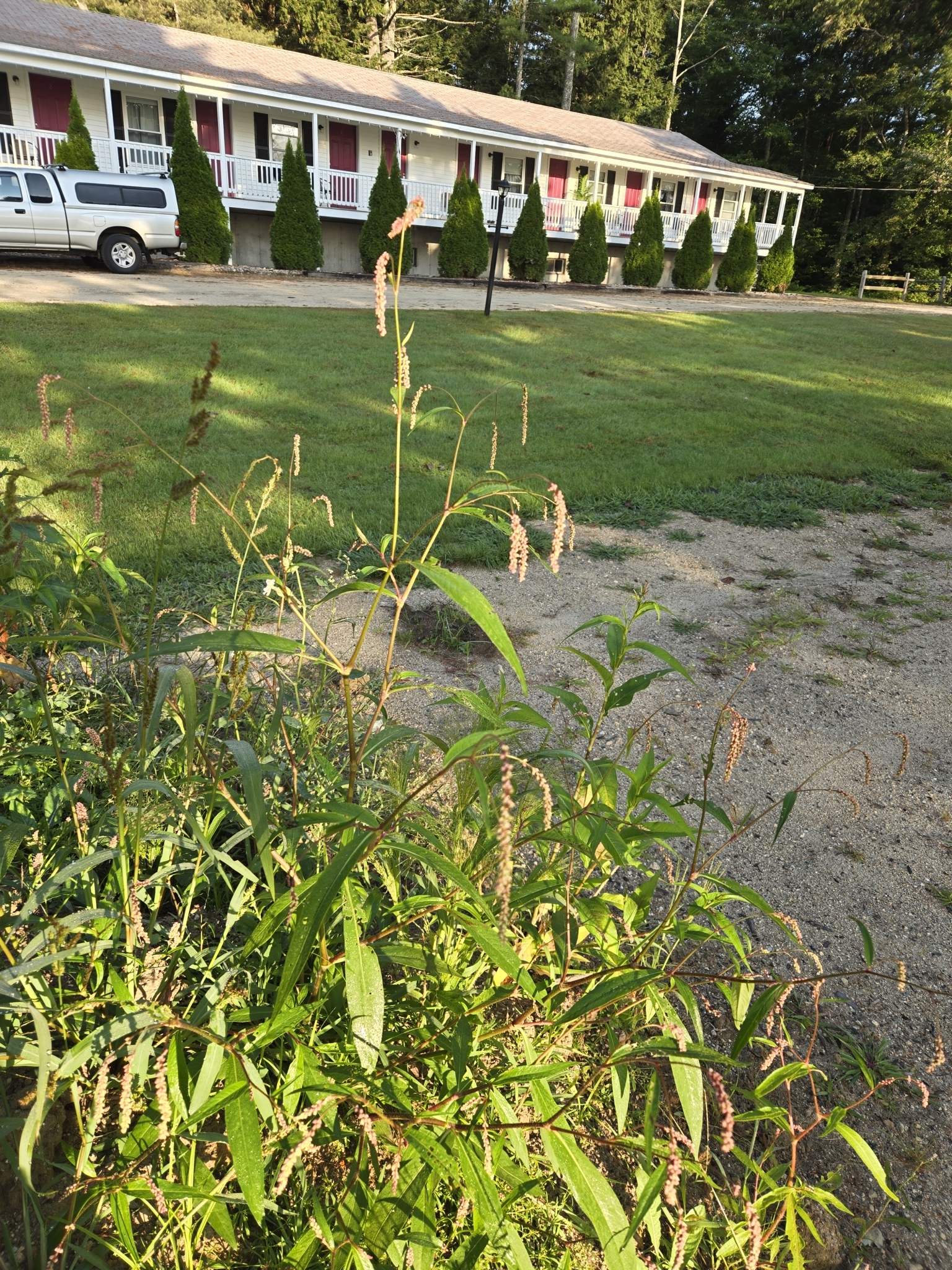
Just added to the Guide to the Smartweeds (Persicaria) of North America.

Key to the Persicaria species of North America north of Mexico

Your comments and suggestions on the key are much appreciated. Please leave them in the Guide. Thank you.

Posted on October 28, 2025 11:41 PM by danielatha | 1 comment | Leave a comment

September 5, 2025

Guide to the Smartweeds (Persicaria) of North America

28 October 2025

Revisit this page as updates are made.

See the Key to Persicaria of North America North of Mexico.

Species that occur in Mexico and the Caribbean, but not also in the United States and Canada are not yet treated here.

Range maps linked below are tentative. Not all observations have been vetted.
Unless otherwise noted, photos used here were taken by the author, most of vouchered specimens when available.

Please keep those observations coming! For Persicaria it's helpful to get a shot of the whole plant and the habitat; lower stems with ocreae and internodes; intact ocrea showing any hairs; leaf surfaces and marginal hairs; and a clear shot of the inflorescences and flowers; achenes are helpful too. I enjoy looking at your photos of Persicaria and I look at every one, even when there are five or ten per observation.

Family: POLYGONACEAE
Subfamily: Polygonoideae
Tribe: Persicarieae
Subtribe: Persicariinae

Persicaria L.


Annual or perennial herbs; stems with prominent ocrea (pl. ocreae); leaves simple, alternate, usually entire; inflorescences spicate, paniculate or capitate; flowers usually in fascicles, subtended by bracts called ocreole (pl. ocreoleae); fruit achenes with persistent, dry or fleshy perianth.
About 100 species worldwide from the arctic to antarctic circles, center of diversity in Eastern Asia; 33 in North America. Most species are early successional, preferring disturbed, moist, loamy soil in full sun. A few are aquatic and a few are somewhat shade tolerant.


[sect. Echinocaulon] Stems usually scandent (rarely ascending or erect), armed with recurved prickles; inflorescences spicate, paniculate or capitate.

Persicaria arifolia (L.) Haraldson

Halbred-Leaved Tearthumb

Annual herbs to about 1.5 m tall, often with adventitious roots; stems scandent, branched, angled or ribbed, armed with abundant recurved prickles; ocrea pale, oblique.

Eastern North America from Nova Scotia to Minnesota, south to Georgia; swamps, margins of streams and ponds; perennially wet soil, somewhat shade tolerant. Click here for range map

Plants of the Russian Far East are morphologically distinct.
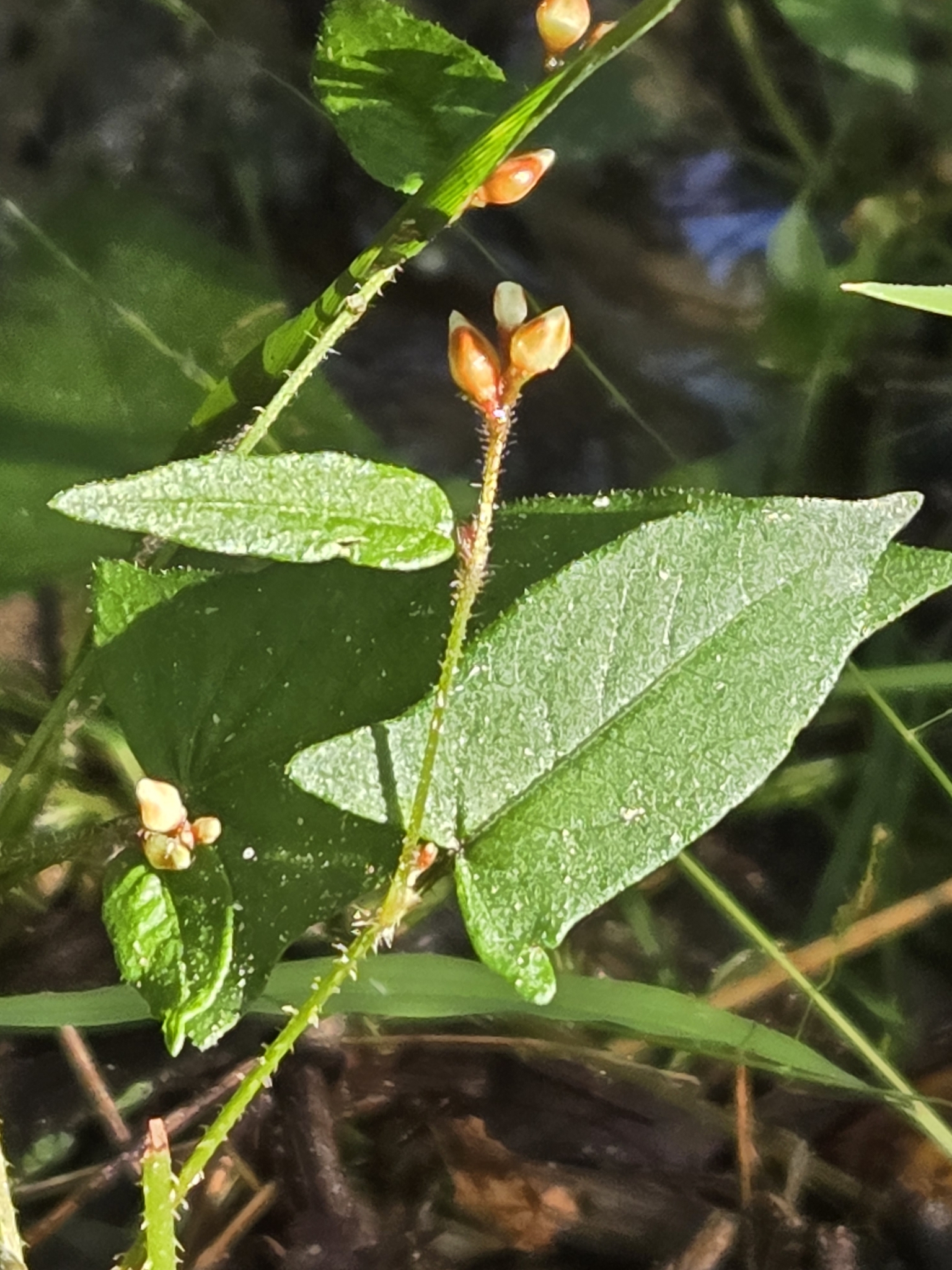

Photo 564594578, no rights reserved, uploaded by Daniel Atha
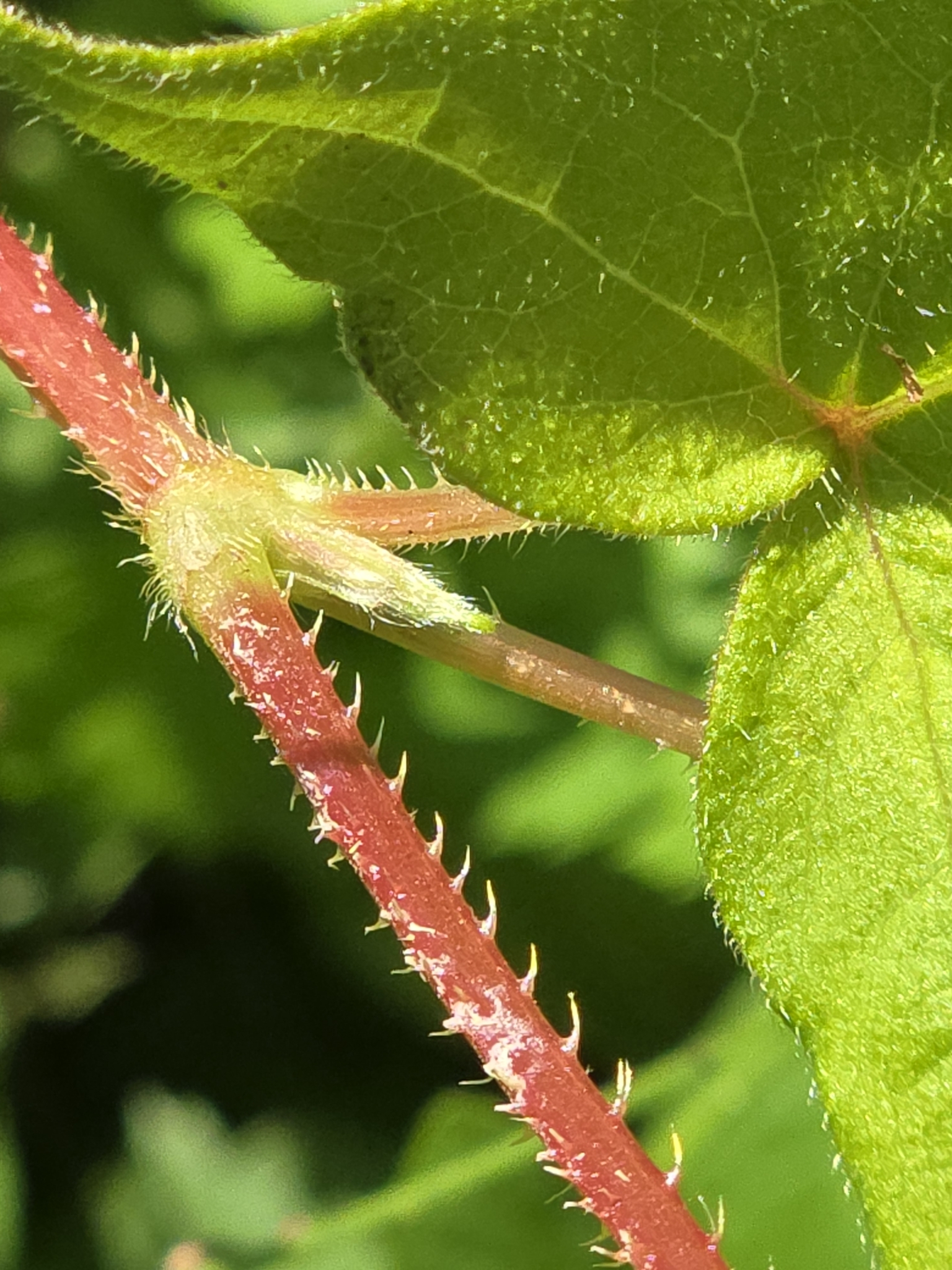

Photo 98821667, no rights reserved, uploaded by Felicity Kreger


Photo 583030609, no rights reserved, uploaded by Daniel Atha
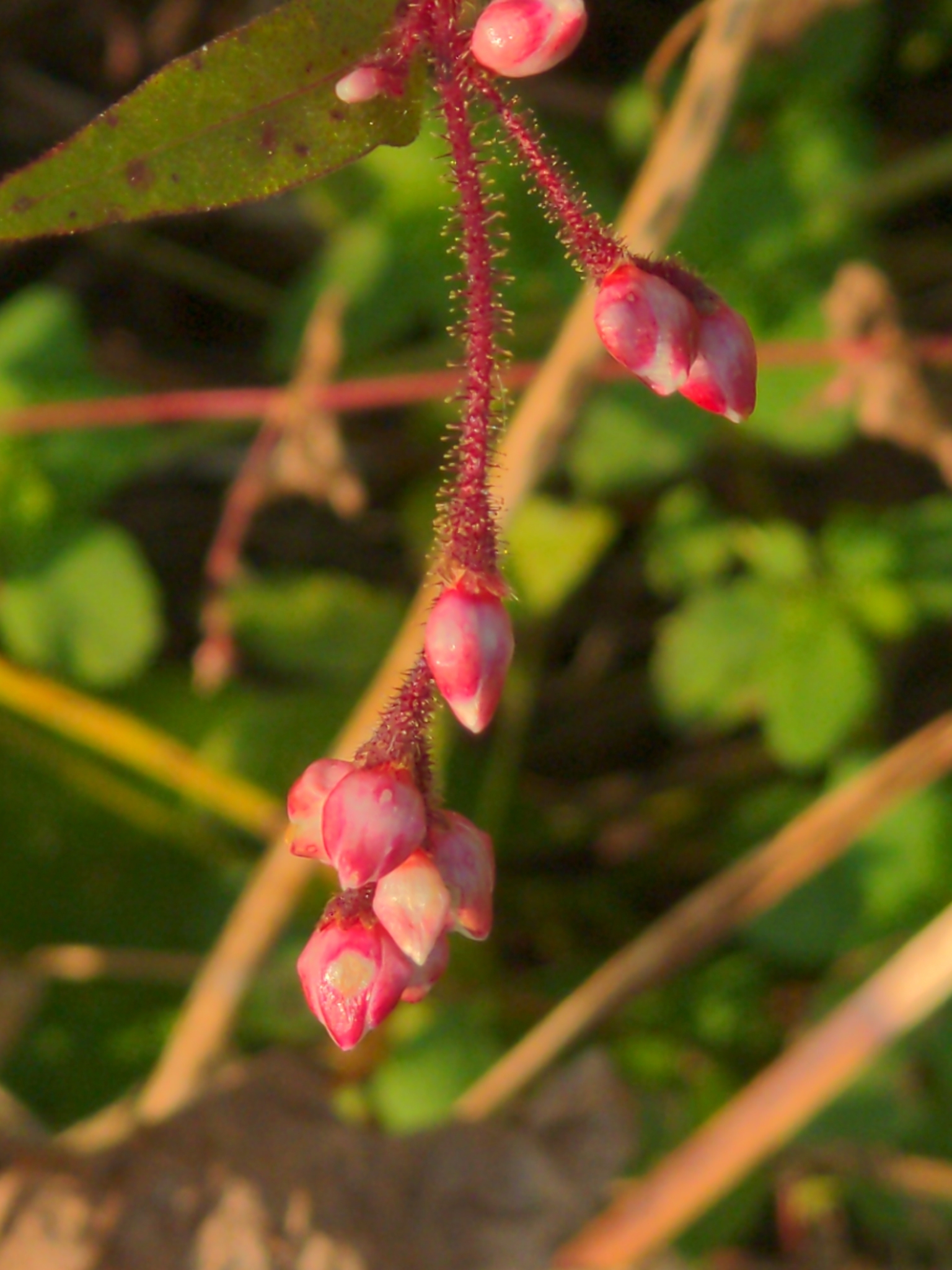

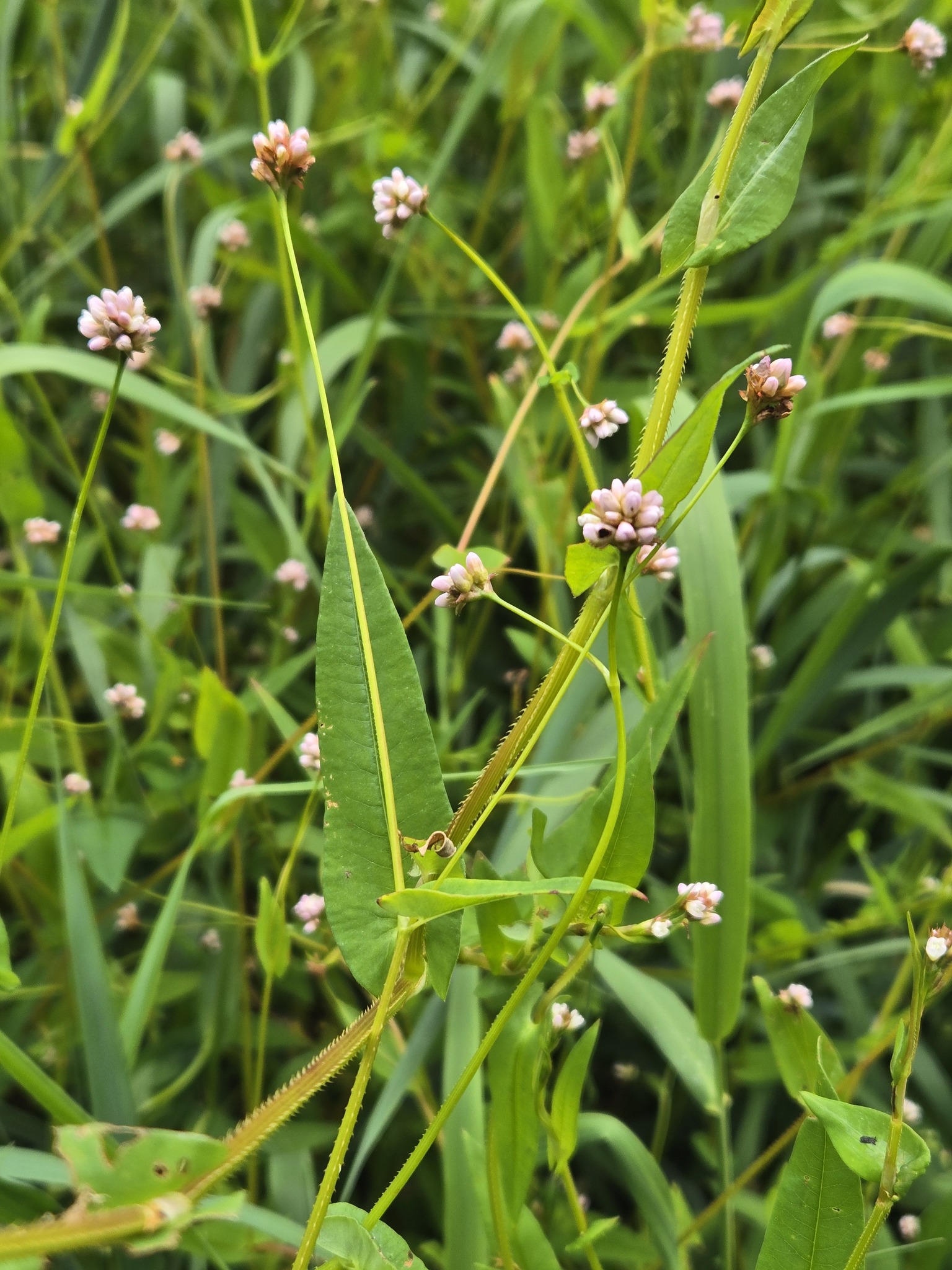
Persicaria sagittata (L.) H. Gross

Arrow-Leaved Tearthumb

Annuals.


Persicaria meisneriana (Cham. & Schltdl.) M. Gómez

Mexican Tearthumb

Annual herbs.

South Carolina, Georgia, Florida, Louisiana, Texas, Mexico, Central America, West Indies, South America and southeast Africa.

Photos shown here are from Uruguay.
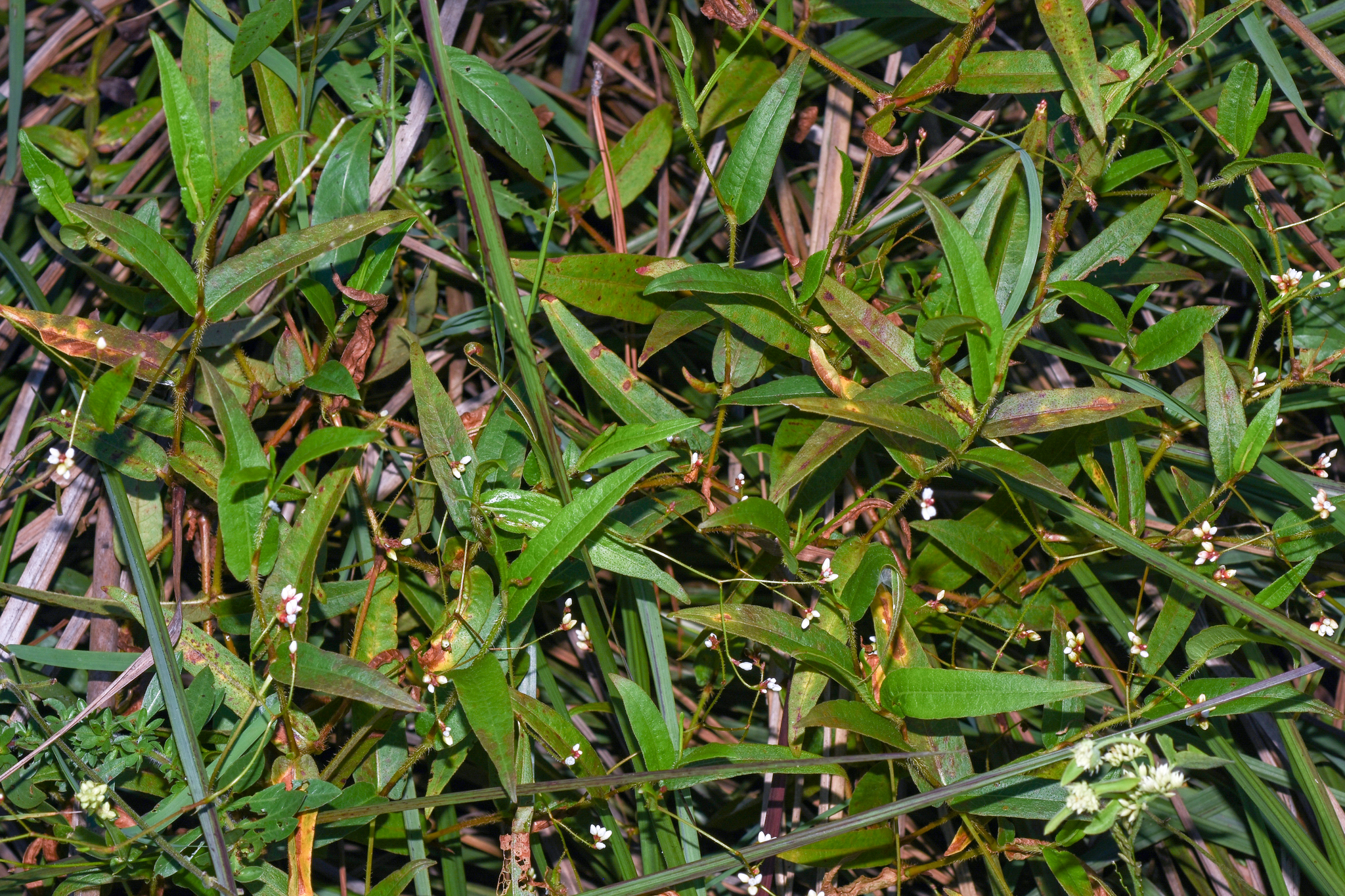

Photo 356301857, (c) Ary Mailhos, some rights reserved (CC BY-NC), uploaded by Ary Mailhos
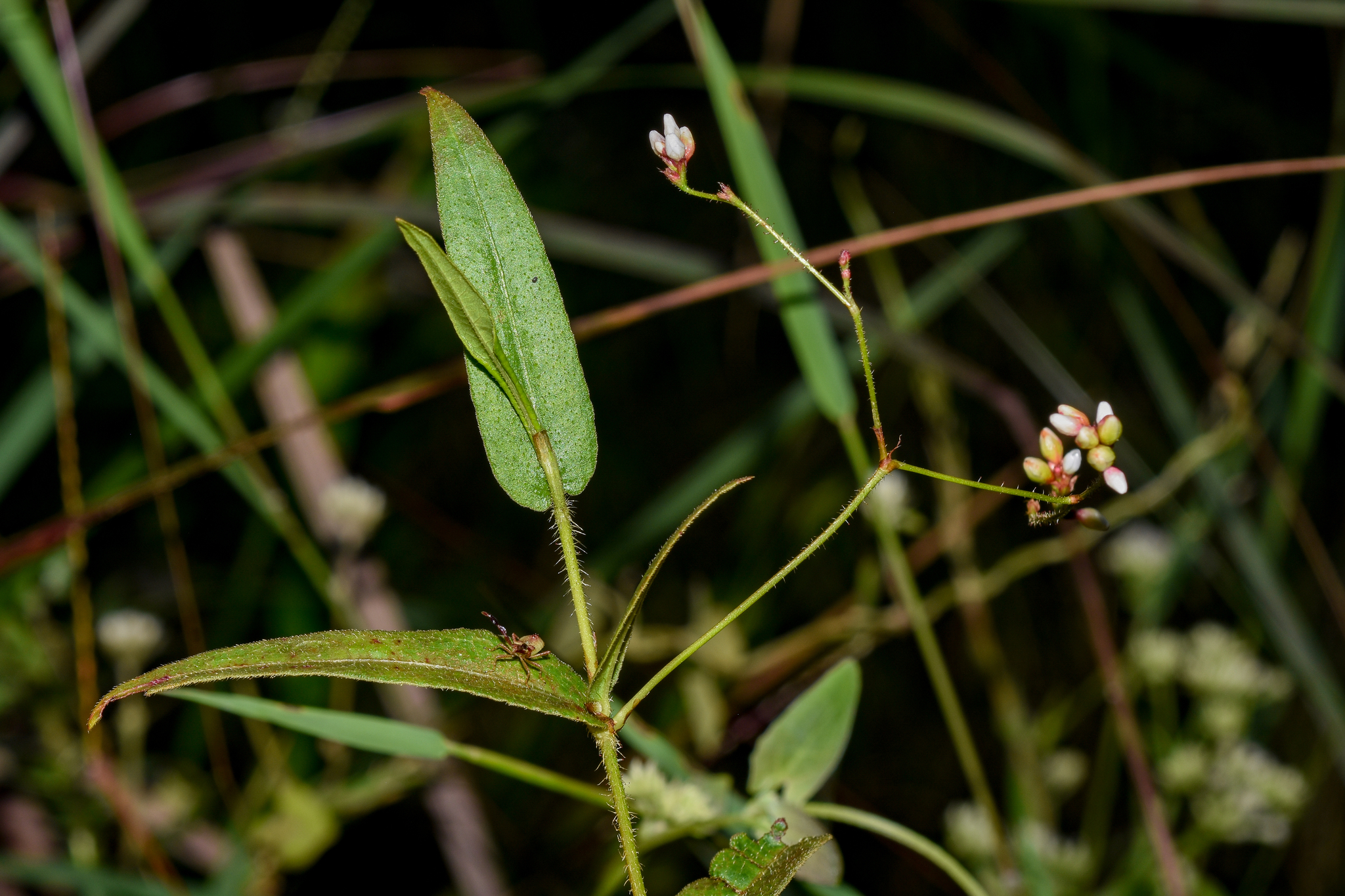

Photo 356301587, (c) Ary Mailhos, some rights reserved (CC BY-NC), uploaded by Ary Mailhos
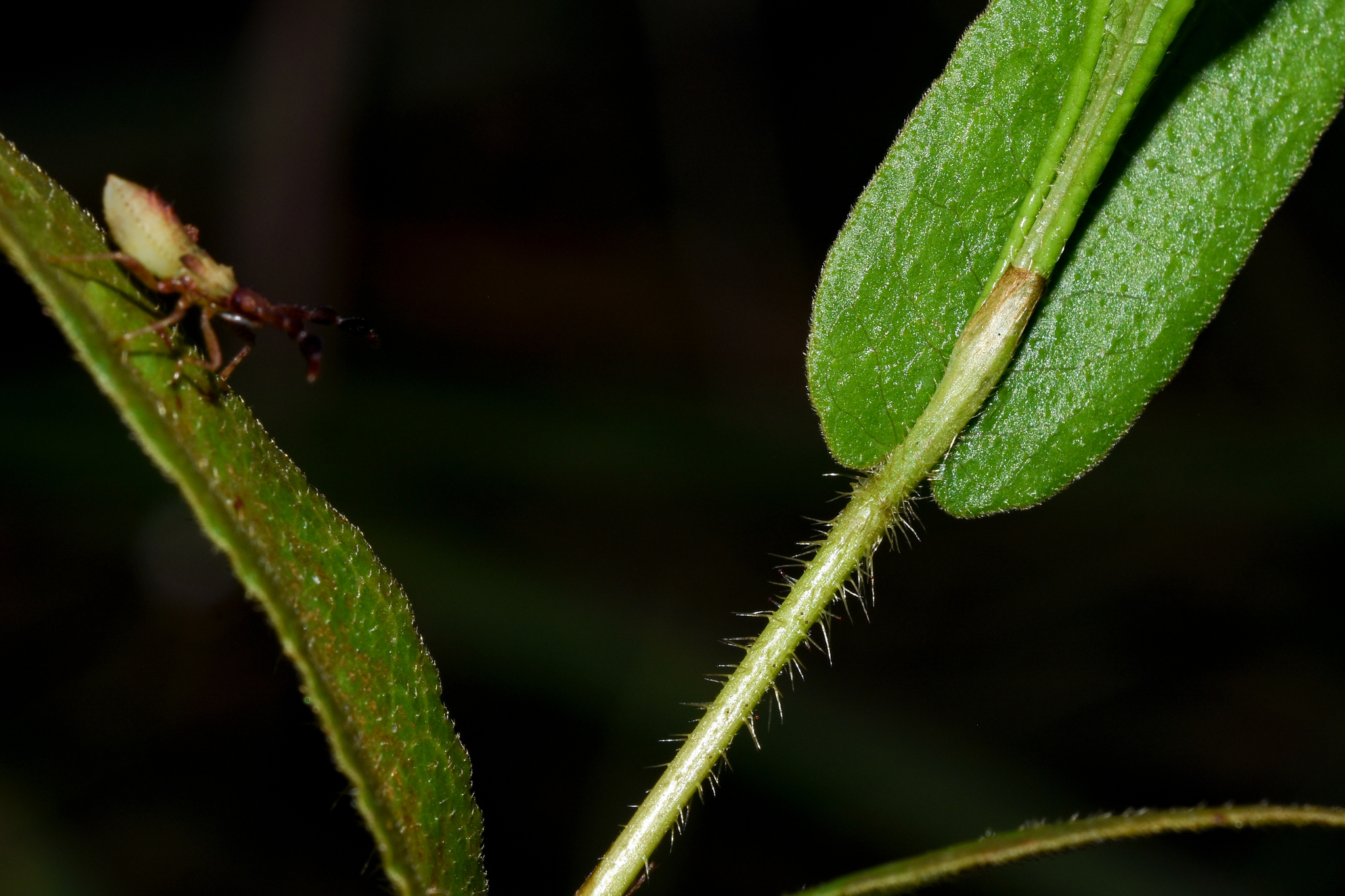

Photo 356301577, (c) Ary Mailhos, some rights reserved (CC BY-NC), uploaded by Ary Mailhos
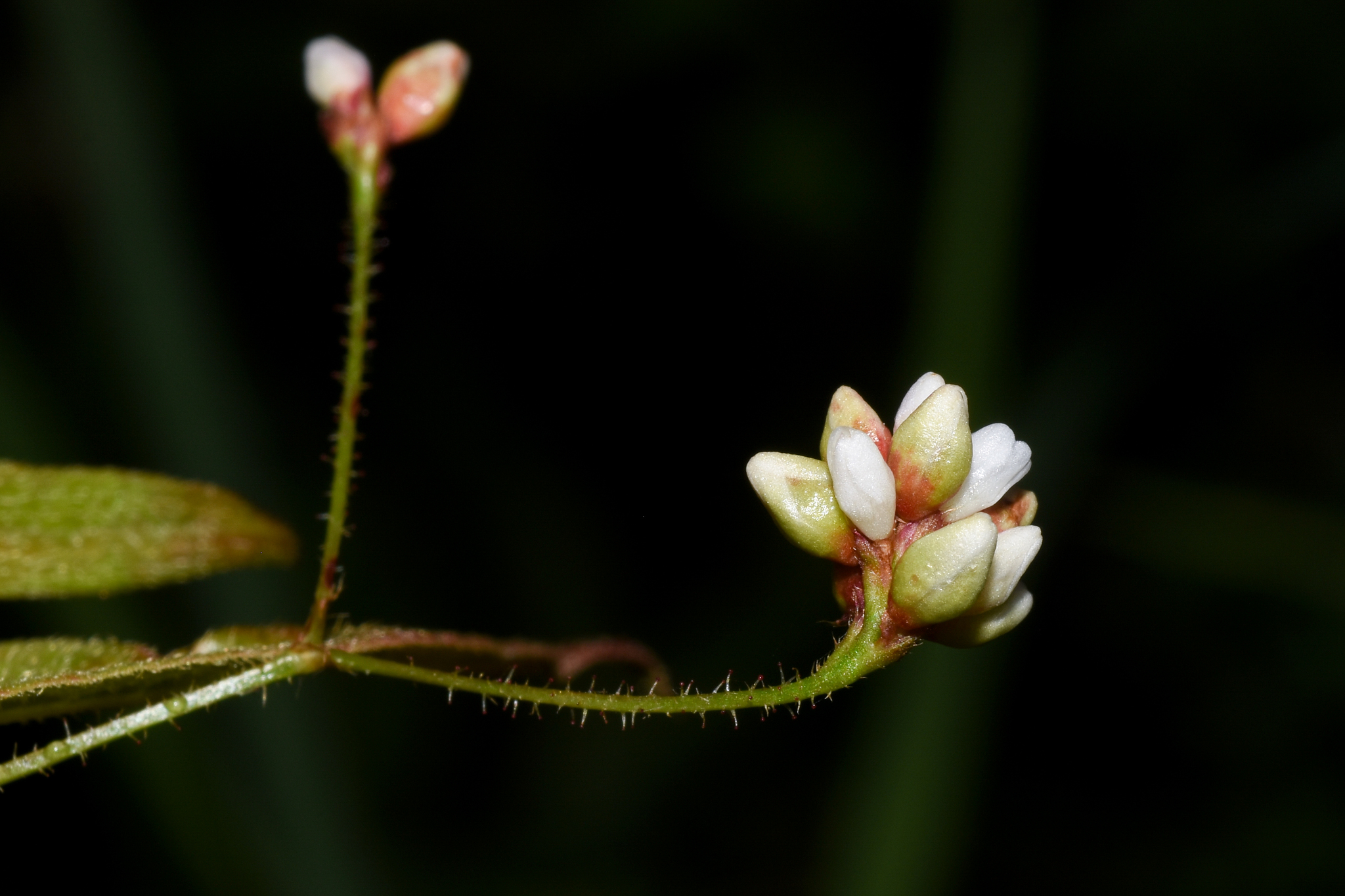

Photo 356301576, (c) Ary Mailhos, some rights reserved (CC BY-NC), uploaded by Ary Mailhos


Persicaria bungeana (Turcz.) Nakai

Prickly Smartweed

Annual herbs to about 1 m tall; stems with recurved prickles.

Introduced in Illinois, Iowa and Minnesota.

Photos shown here are from Yevrey, Russia.
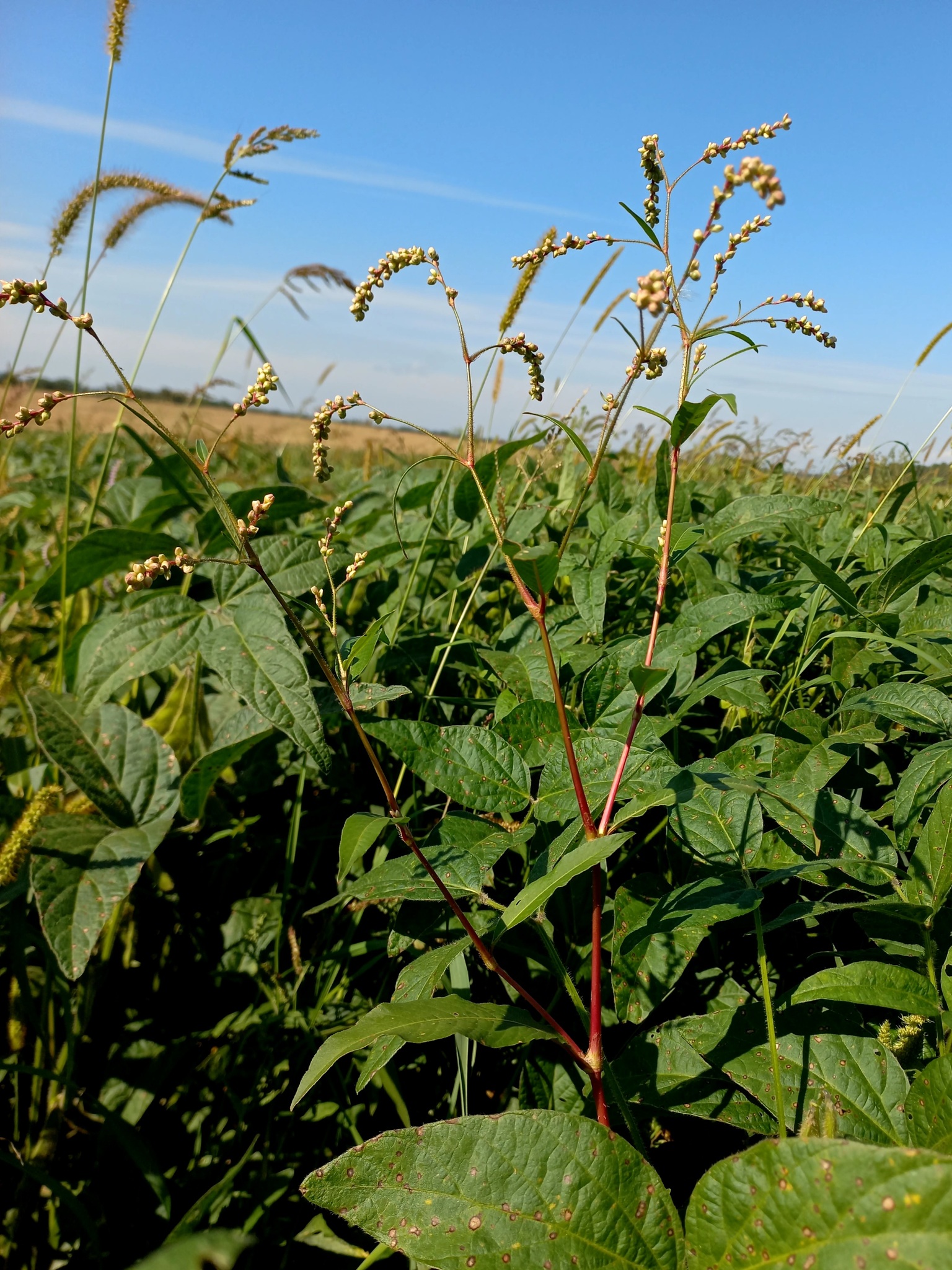

Photo 326340031, (c) Aleksandr Ebel, some rights reserved (CC BY-NC), uploaded by Aleksandr Ebel
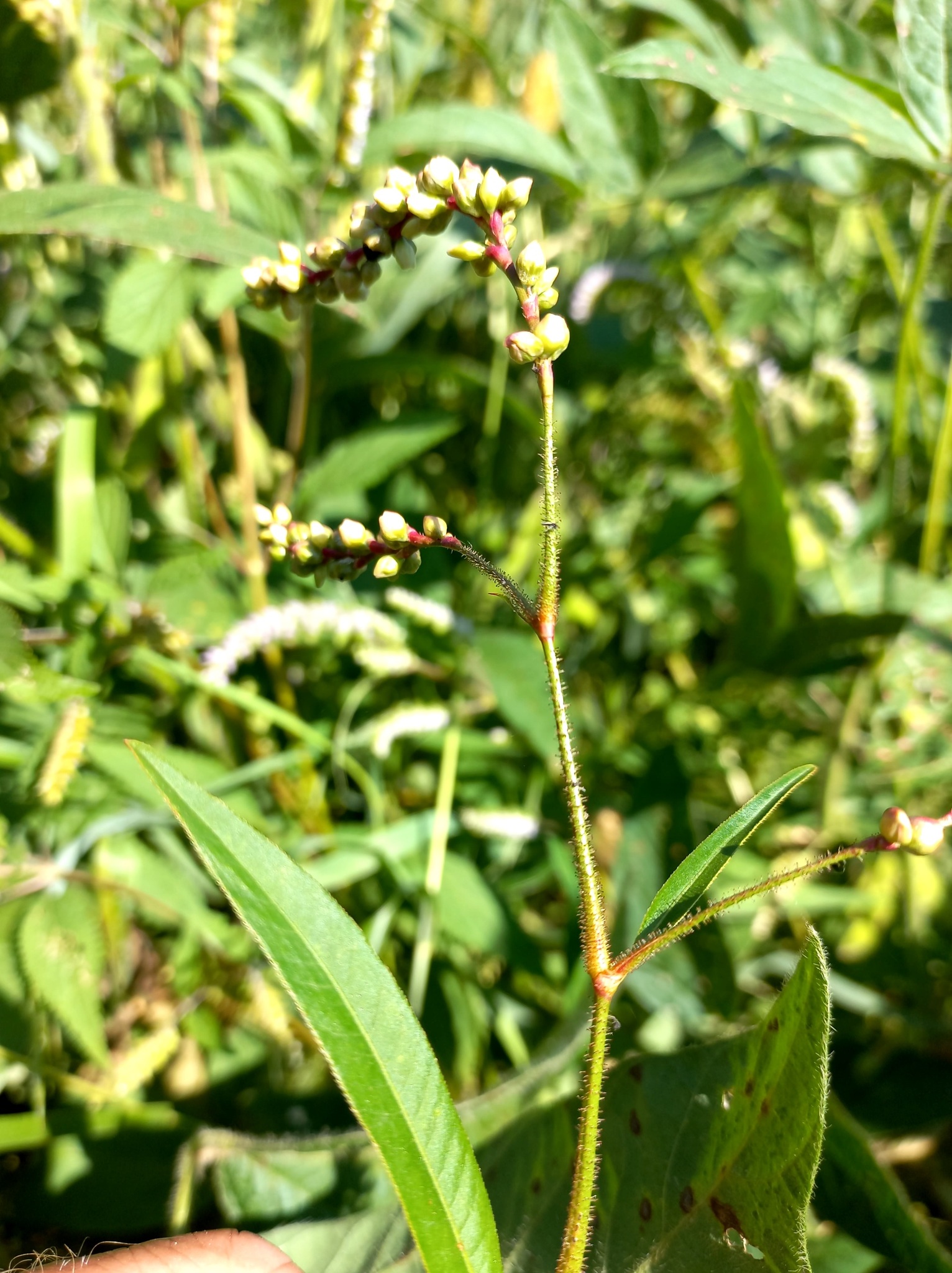

Photo 326341209, (c) Aleksandr Ebel, some rights reserved (CC BY-NC), uploaded by Aleksandr Ebel
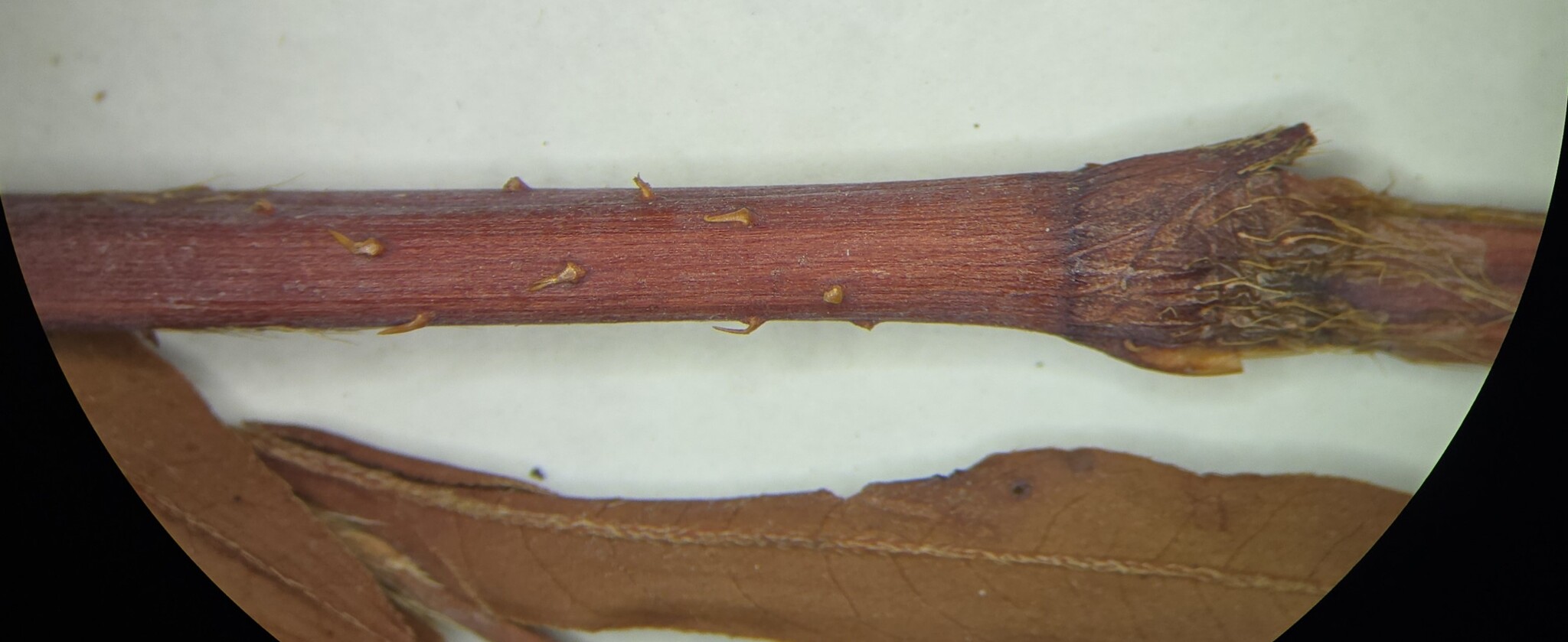

Photo 608948058, no rights reserved, uploaded by Daniel Atha
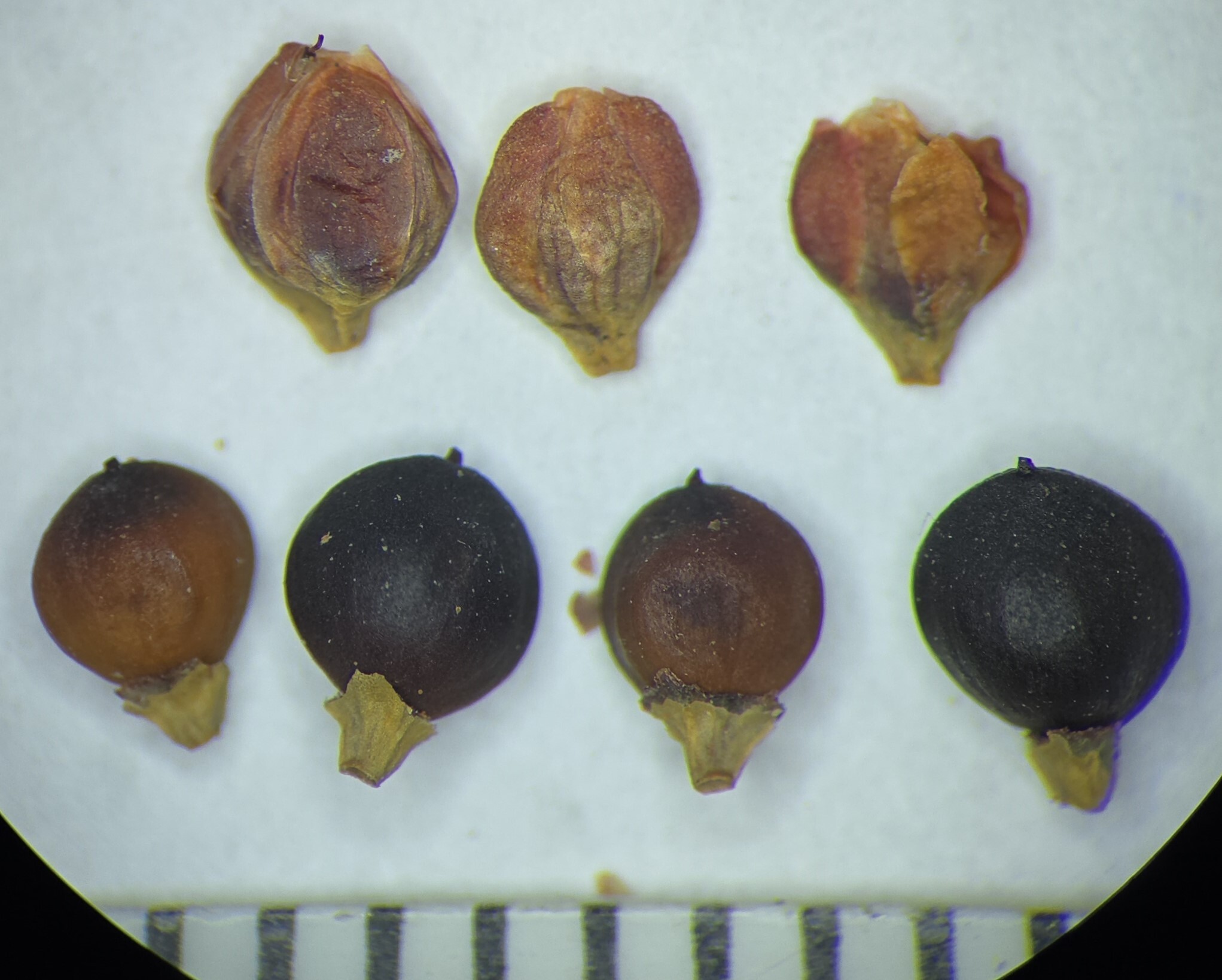

Photo 608948045, no rights reserved, uploaded by Daniel Atha


Persicaria perfoliata (L.) H. Gross

Mile-A-Minute Weed

Annual herbs.
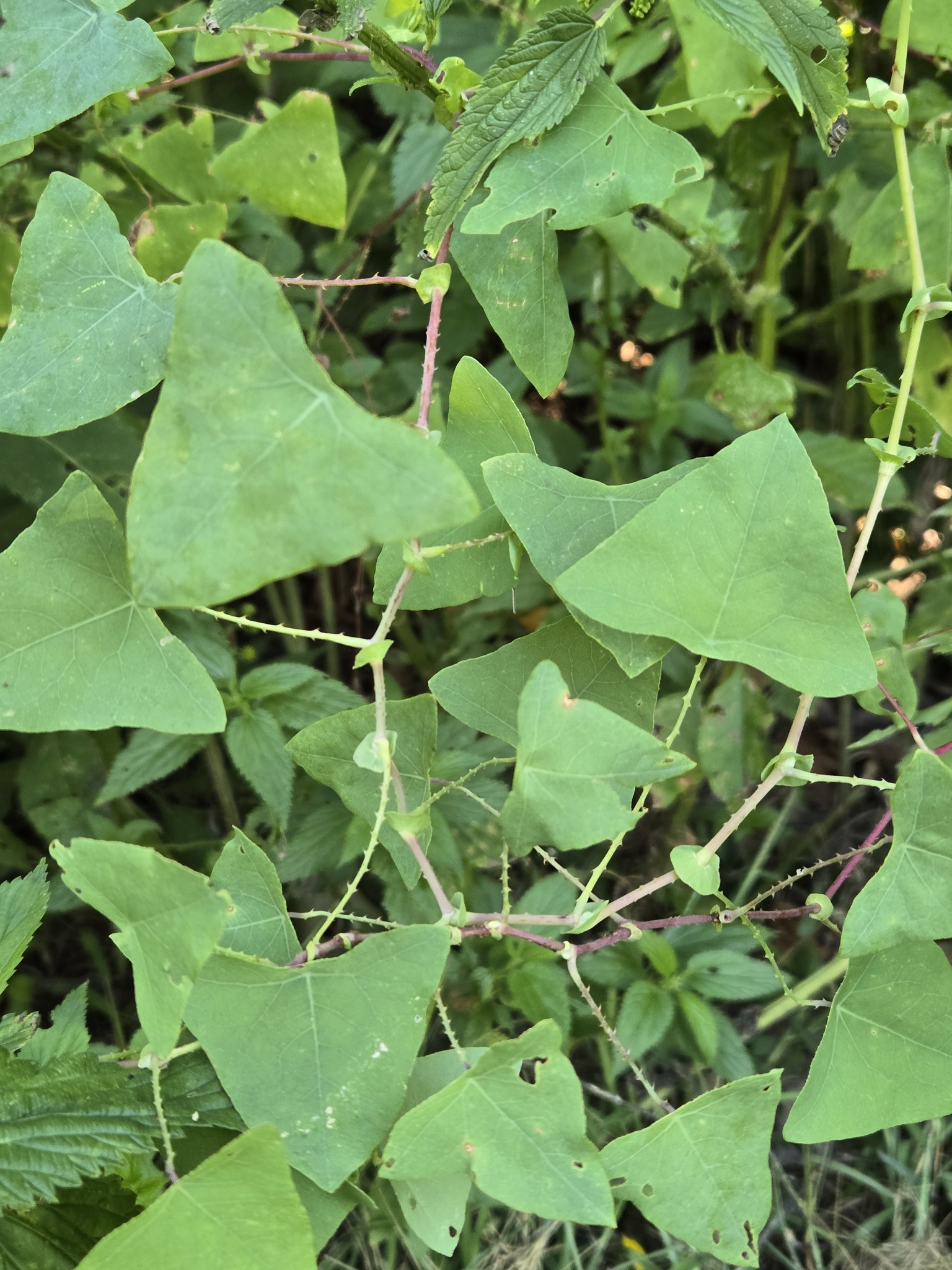

Photo 561508107, no rights reserved, uploaded by Daniel Atha
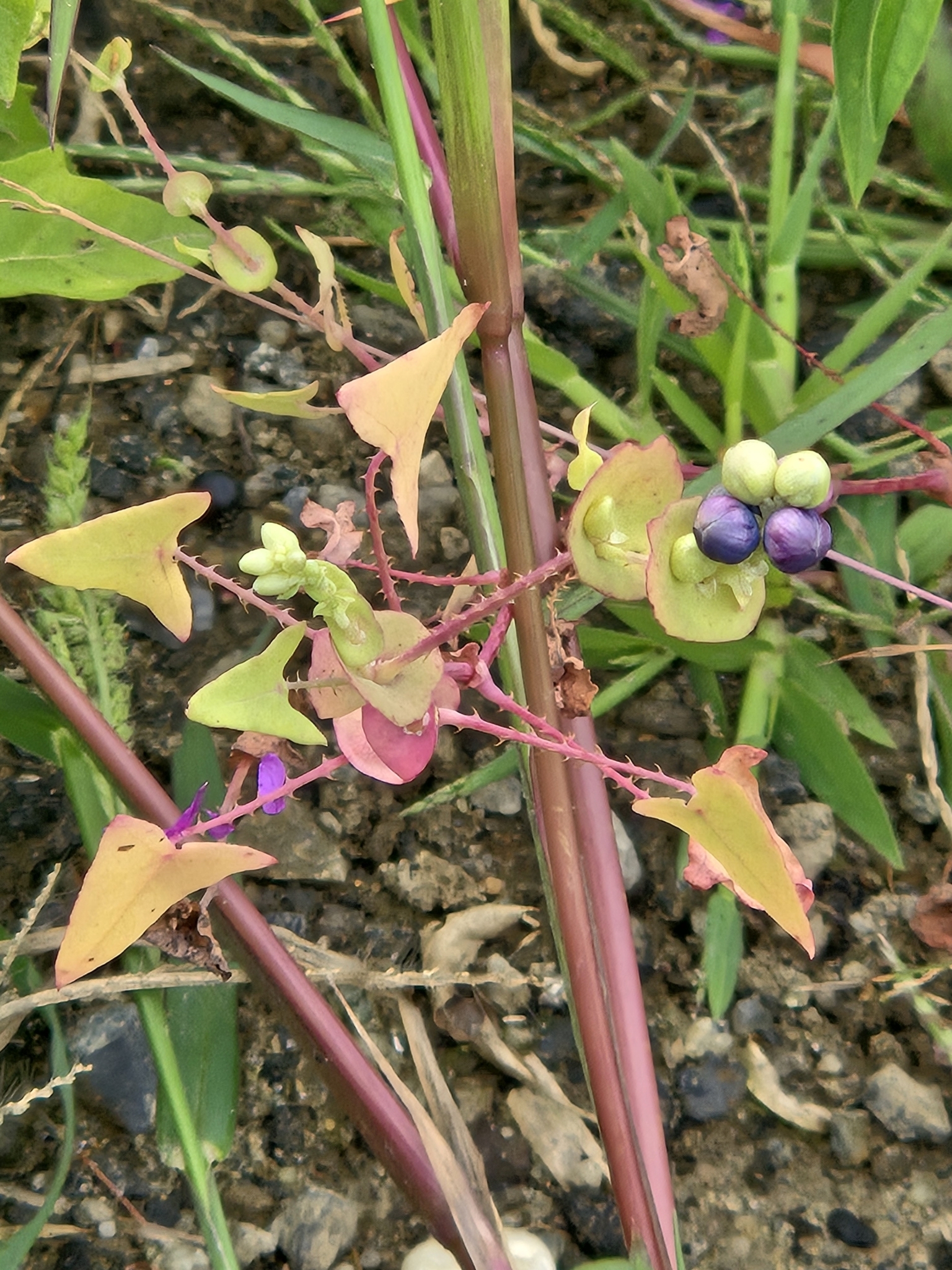

Photo 565391133, no rights reserved, uploaded by Daniel Atha
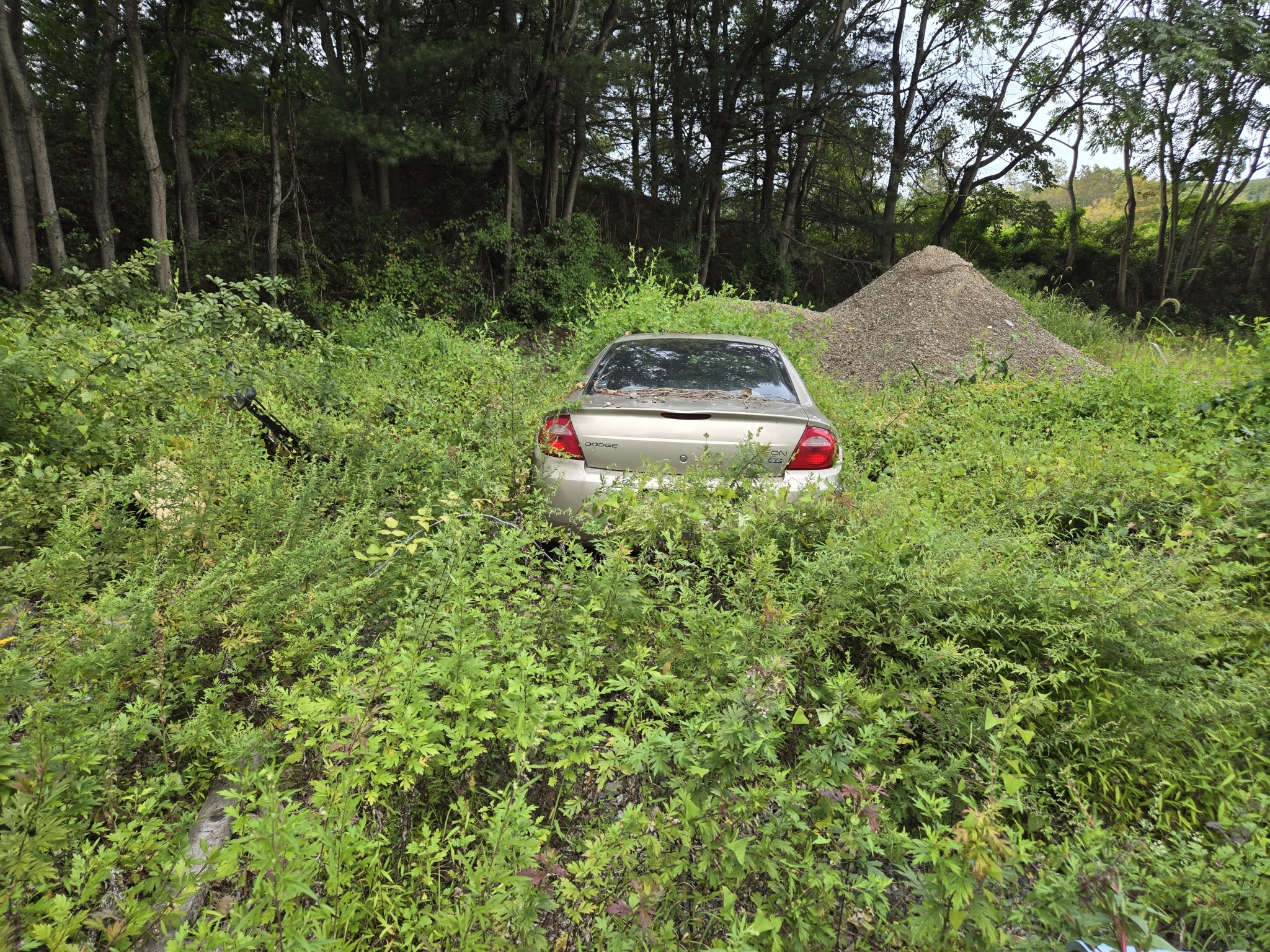

Photo 565349530, no rights reserved, uploaded by Daniel Atha
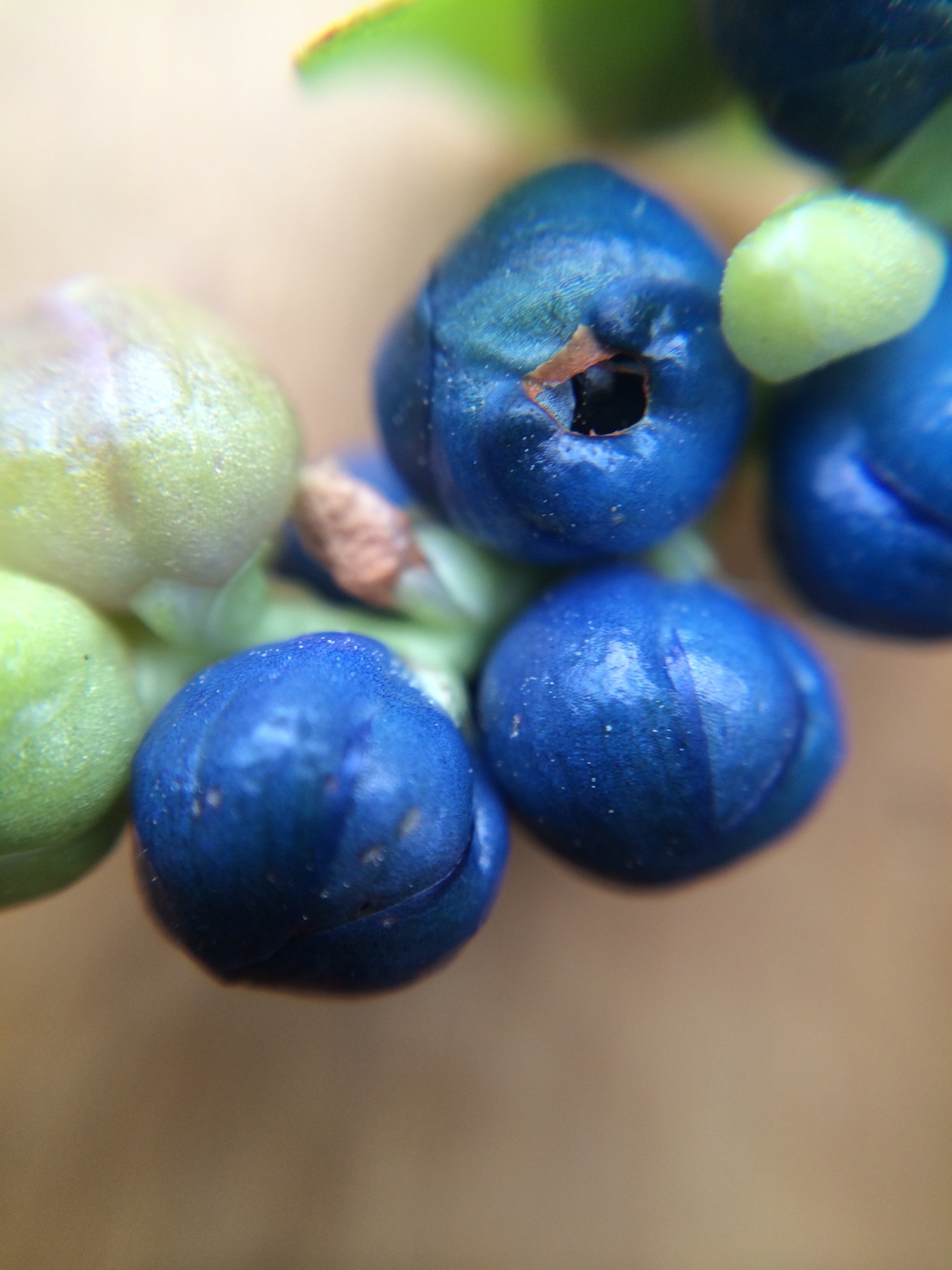

Photo 114875260, no rights reserved, uploaded by Daniel Atha
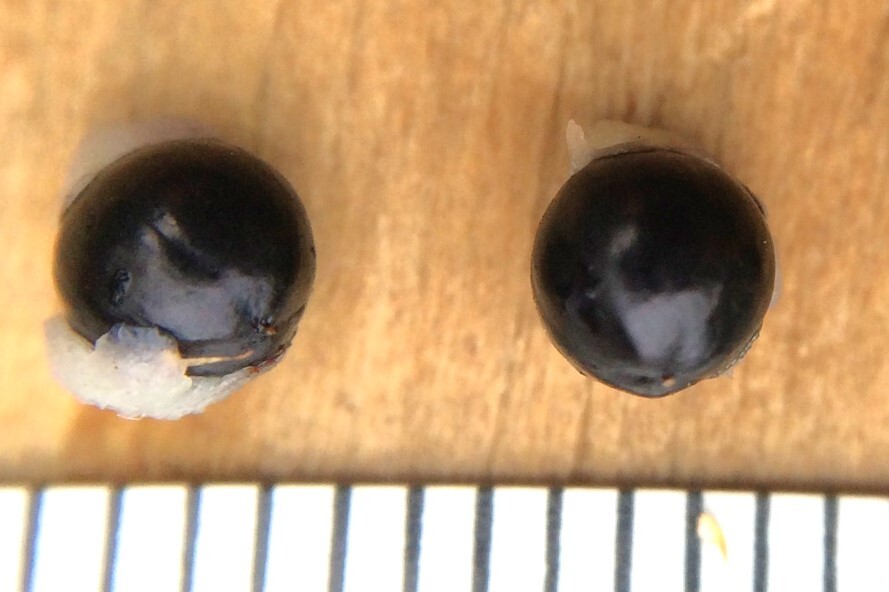

Photo 566463996, no rights reserved, uploaded by Daniel Atha


[sect. Cephalophilon] Stems prostrate or decumbent to ascending or erect, unarmed; inflorescences capitate.

Persicaria capitata (Buch.-Ham.) H. Gross

Pink Knotweed

Perennial herbs.
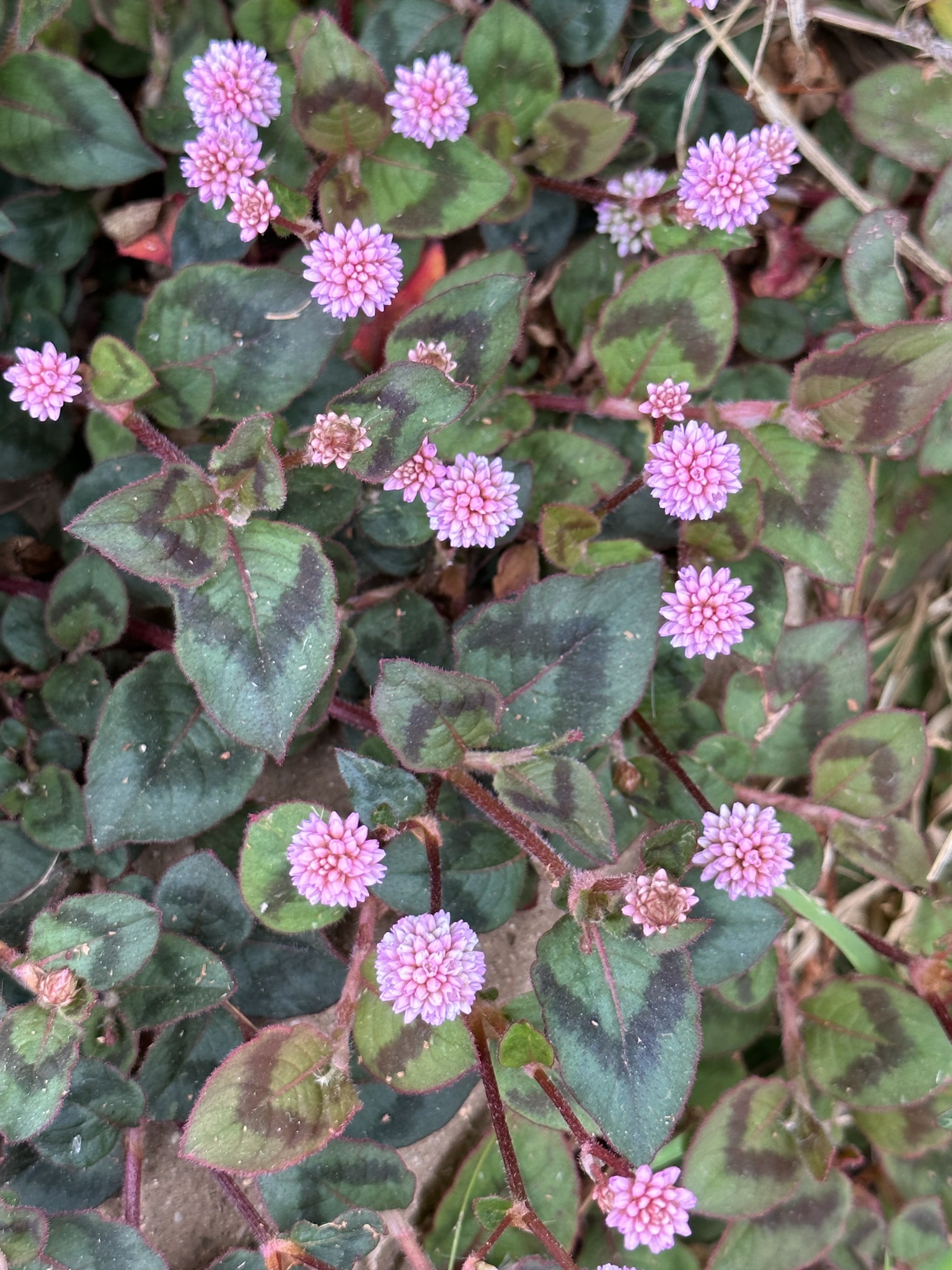

Photo 516872137, (c) Tyler Williams, some rights reserved (CC BY), uploaded by Tyler Williams
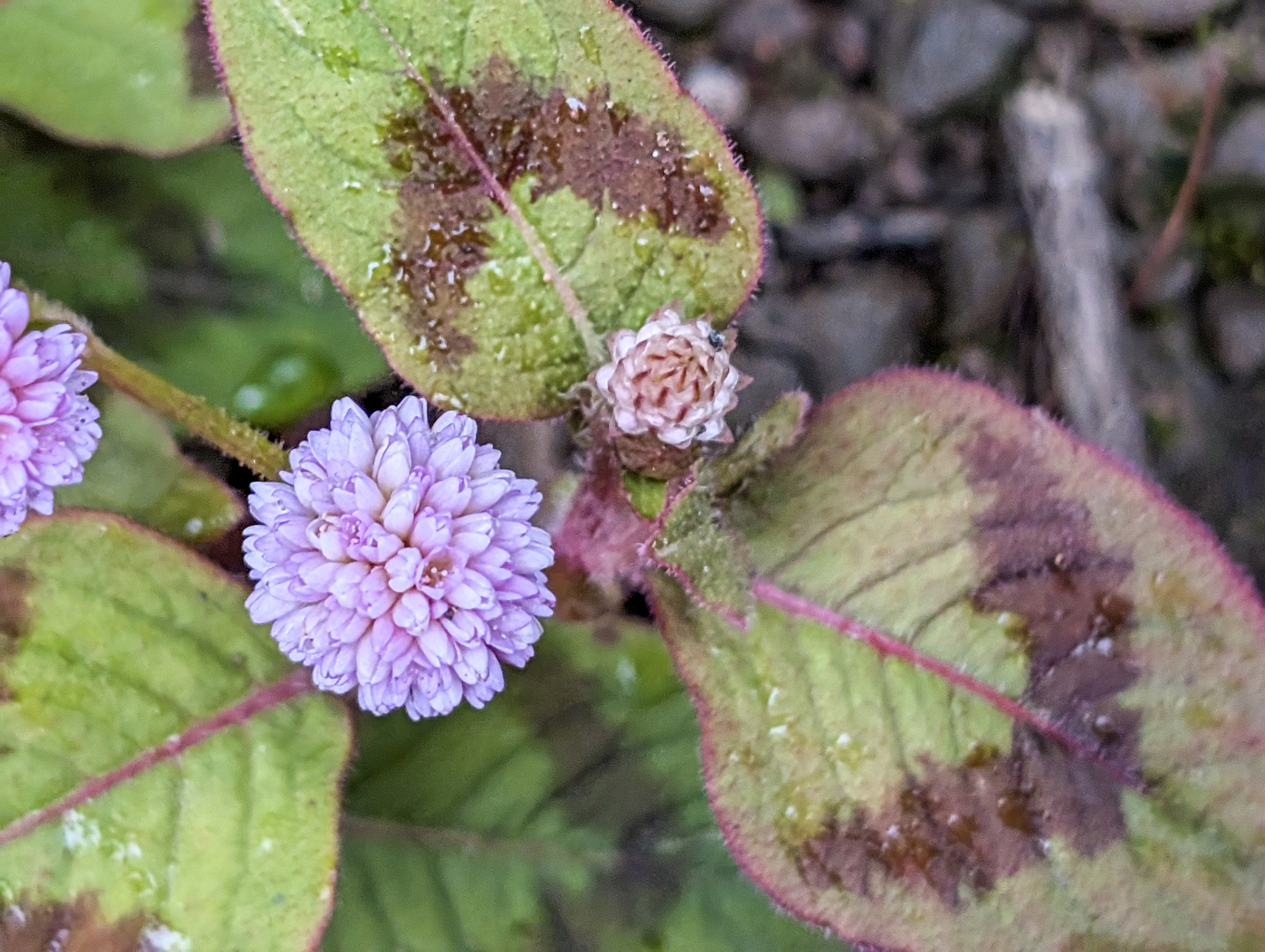

Photo 487411825, (c) ton_bal, some rights reserved (CC BY-NC), uploaded by ton_bal
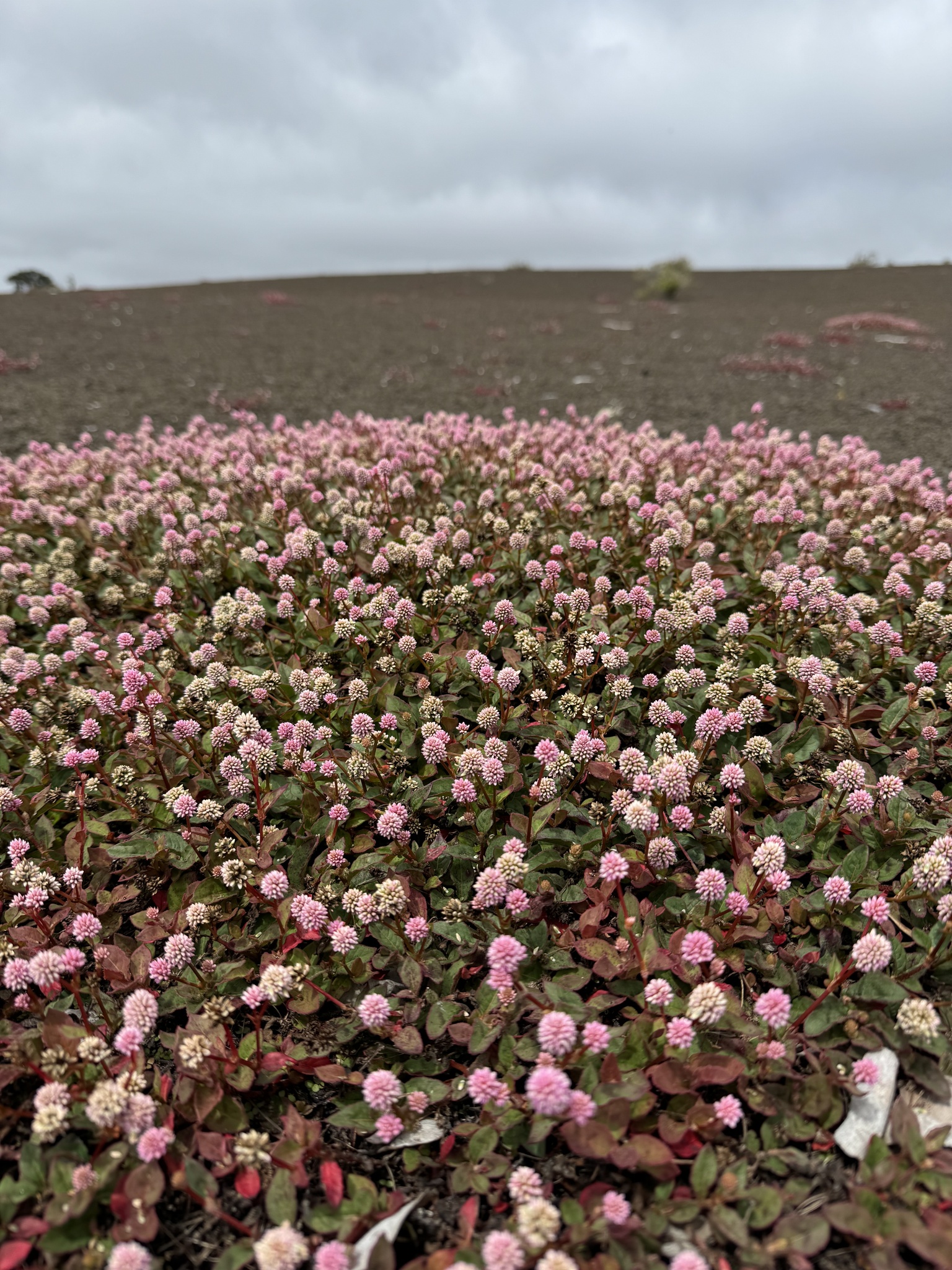

Photo 437488750, (c) Celina Waldron, some rights reserved (CC BY), uploaded by Celina Waldron
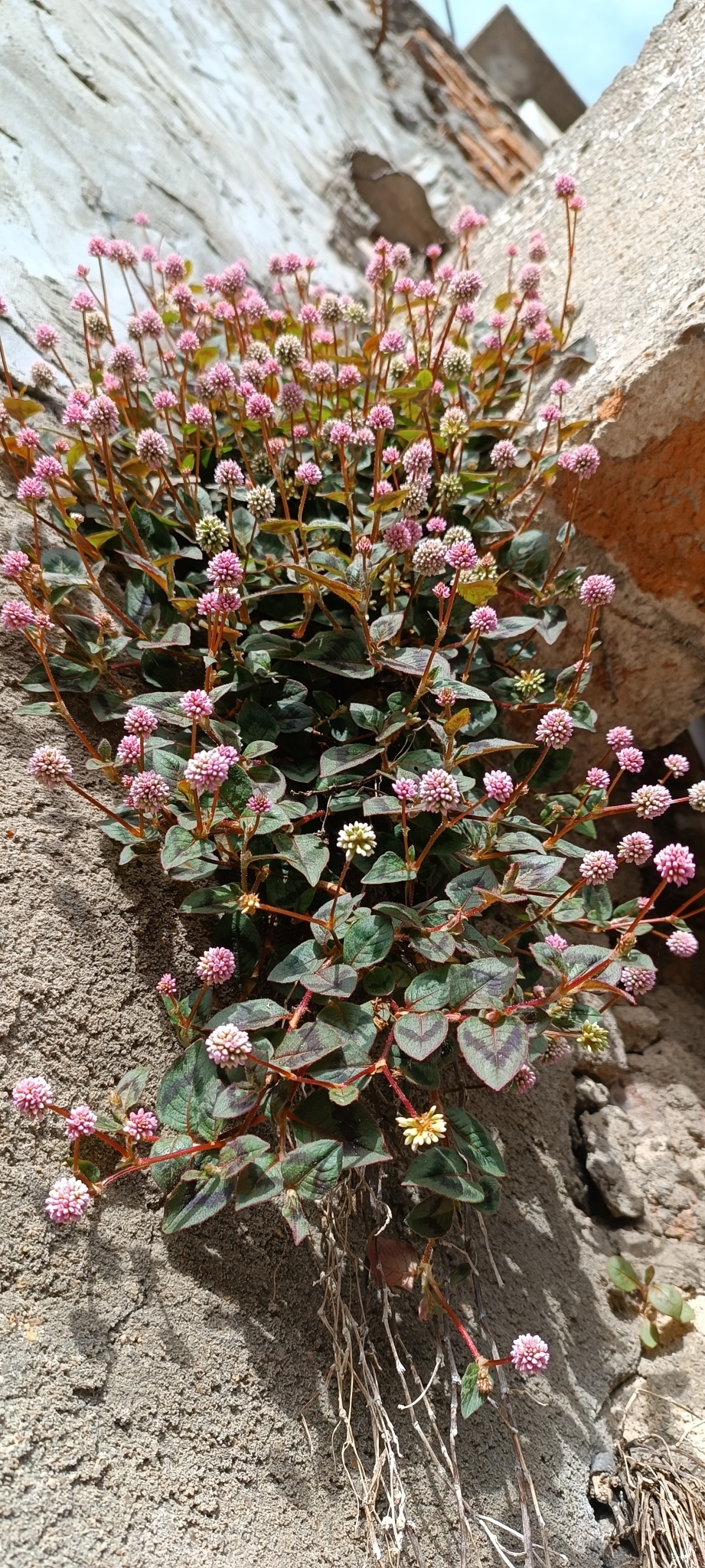

Photo 314354374, (c) Rodrigo Rivera, some rights reserved (CC BY-NC), uploaded by Rodrigo Rivera
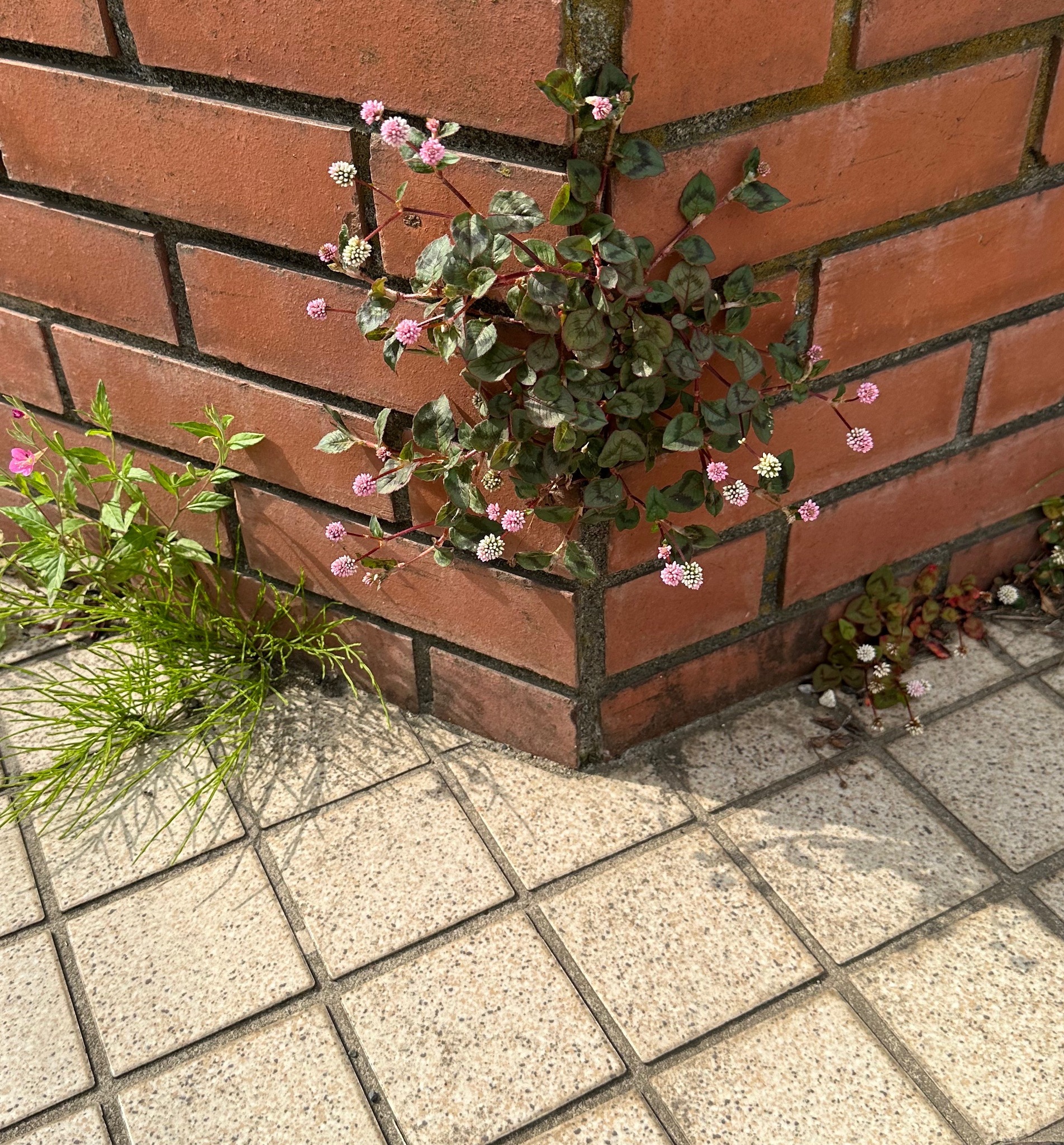

Photo 273992978, (c) donwerth-chikamatsu, some rights reserved (CC BY), uploaded by donwerth-chikamatsu
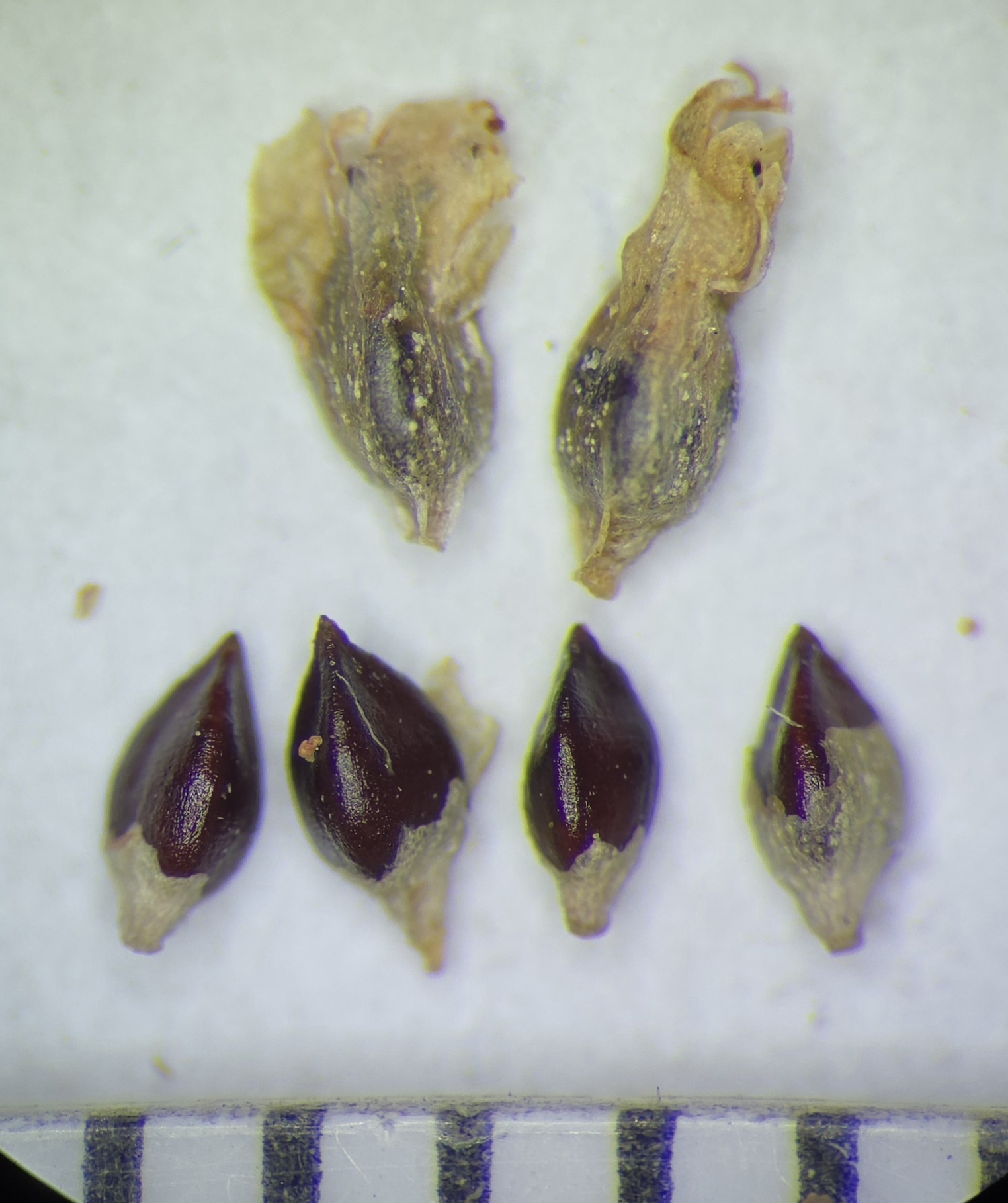

Photo 608945677, no rights reserved, uploaded by Daniel Atha


Persicaria nepalensis (Meisn.) H. Gross

Nepal Smartweed

Annual herbs.
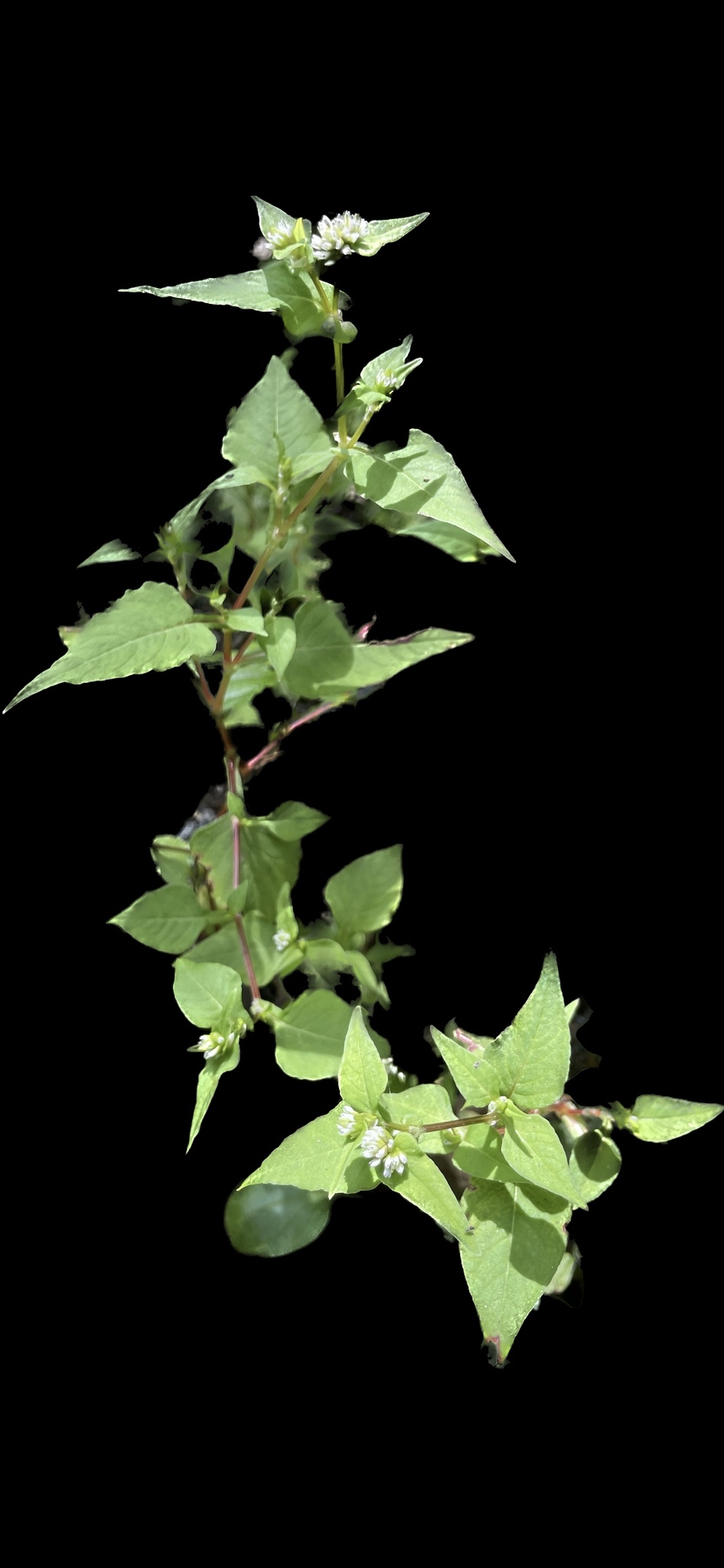
Photo 314183924, no rights reserved, uploaded by Daniel Atha
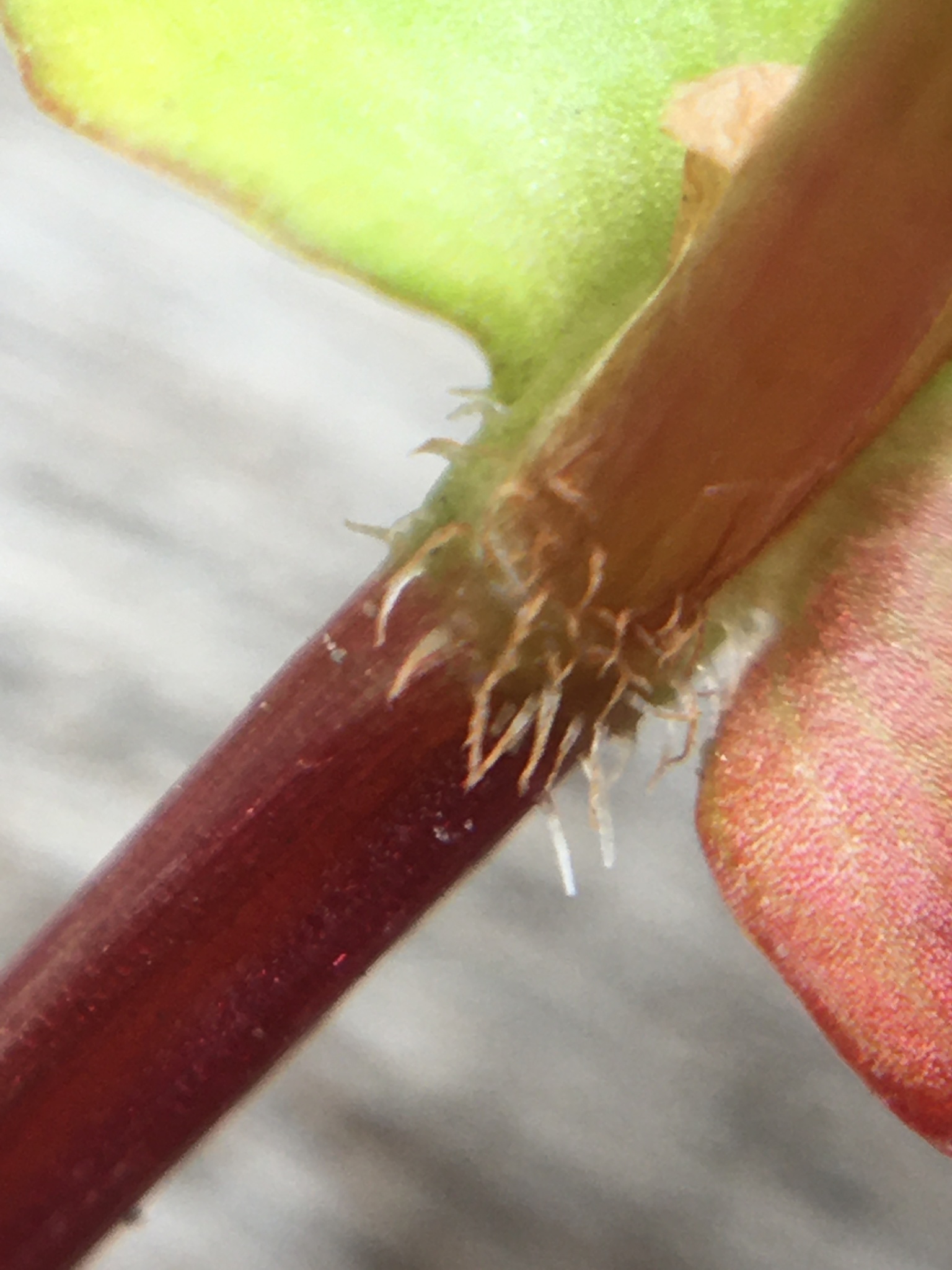

Photo 93979142, no rights reserved, uploaded by Daniel Atha
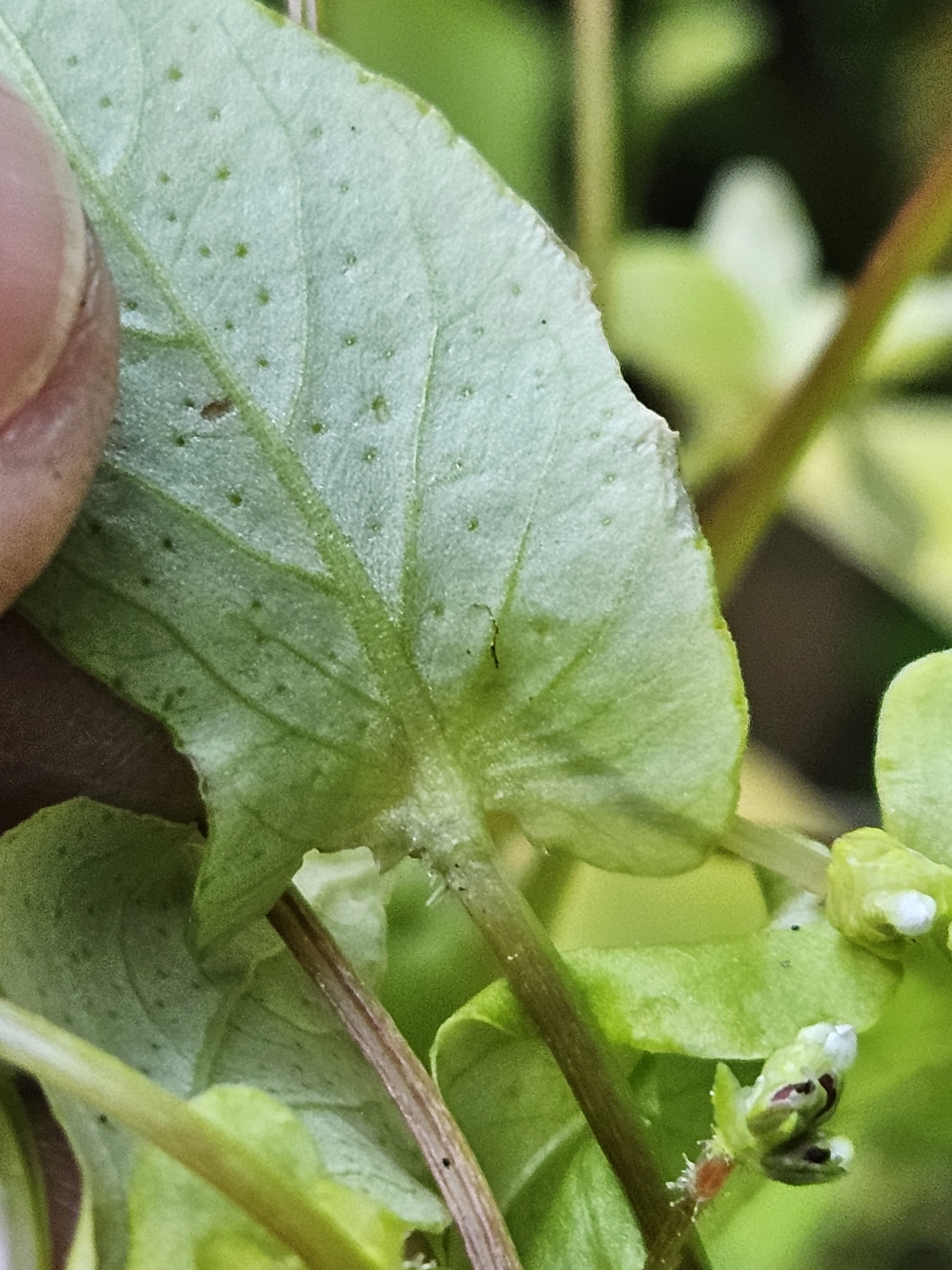

Photo 323458701, no rights reserved, uploaded by Daniel Atha
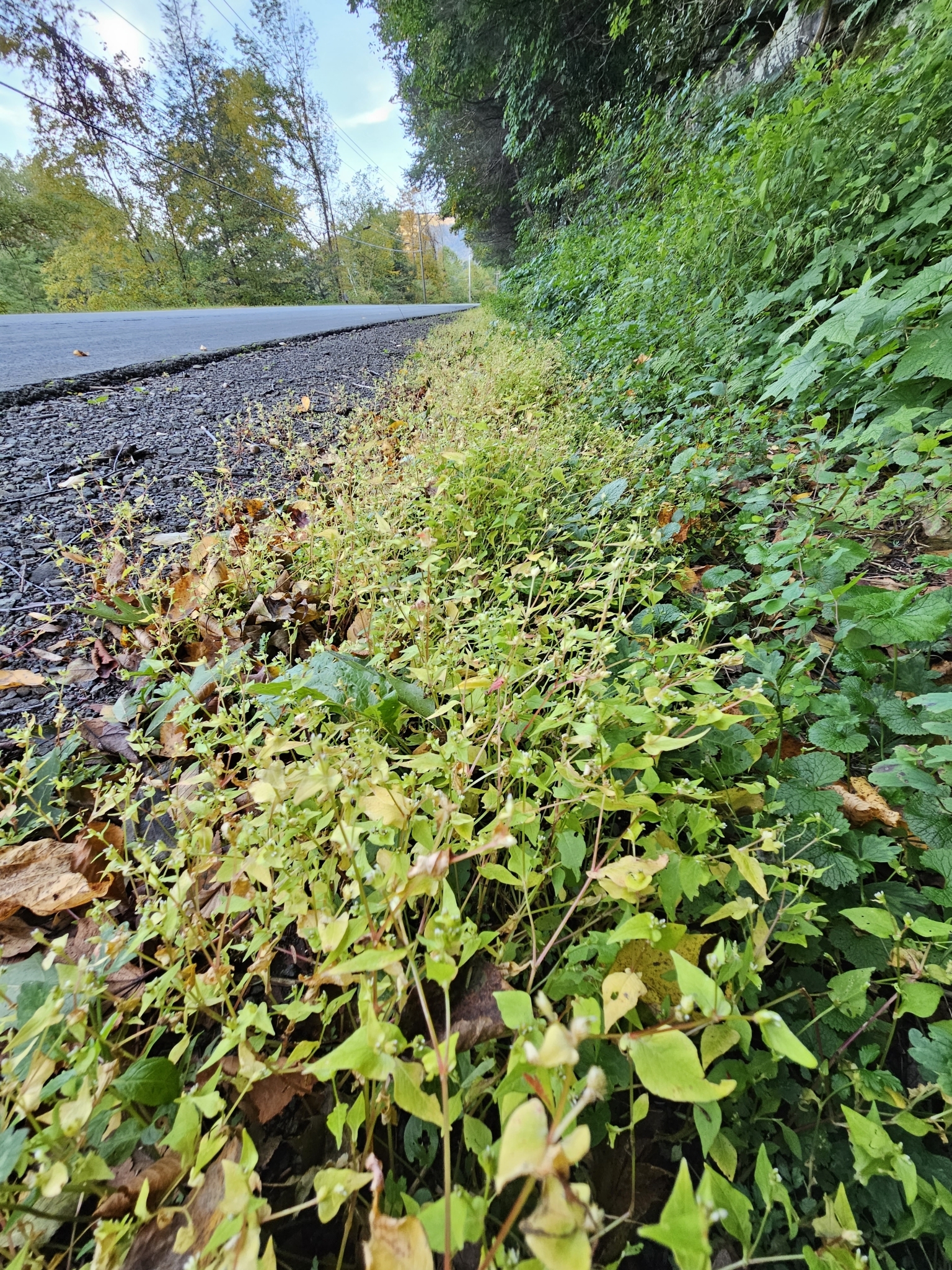

Photo 323458723, no rights reserved, uploaded by Daniel Atha
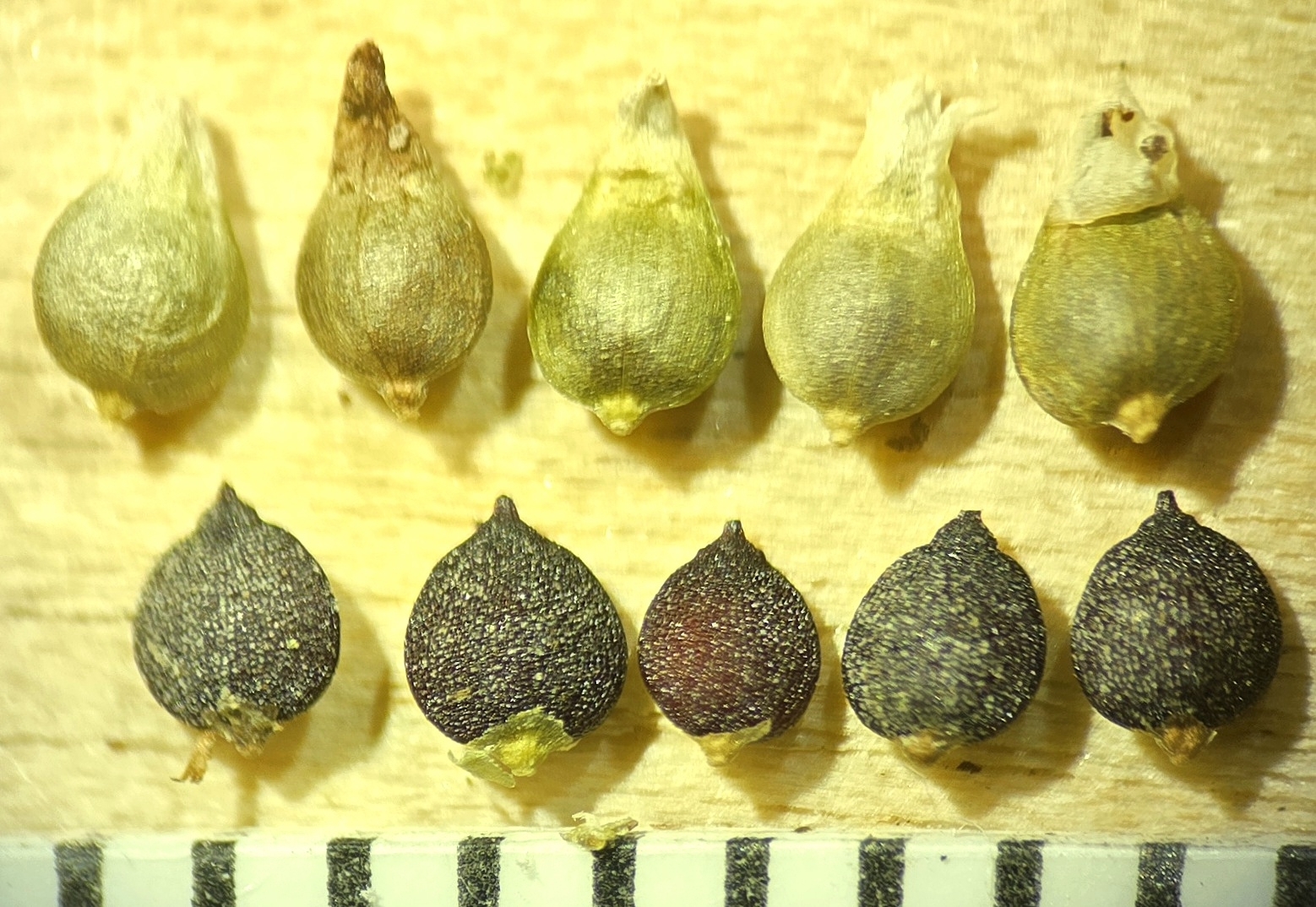

Photo 583029985, no rights reserved, uploaded by Daniel Atha


Persicaria chinensis (L.) H. Gross

Chinese Knotweed

Perennial herbs.

Introduced in North America, naturalized status in the United States and Canada uncertain, naturalized in Jamaica.

Photos shown here are from China.
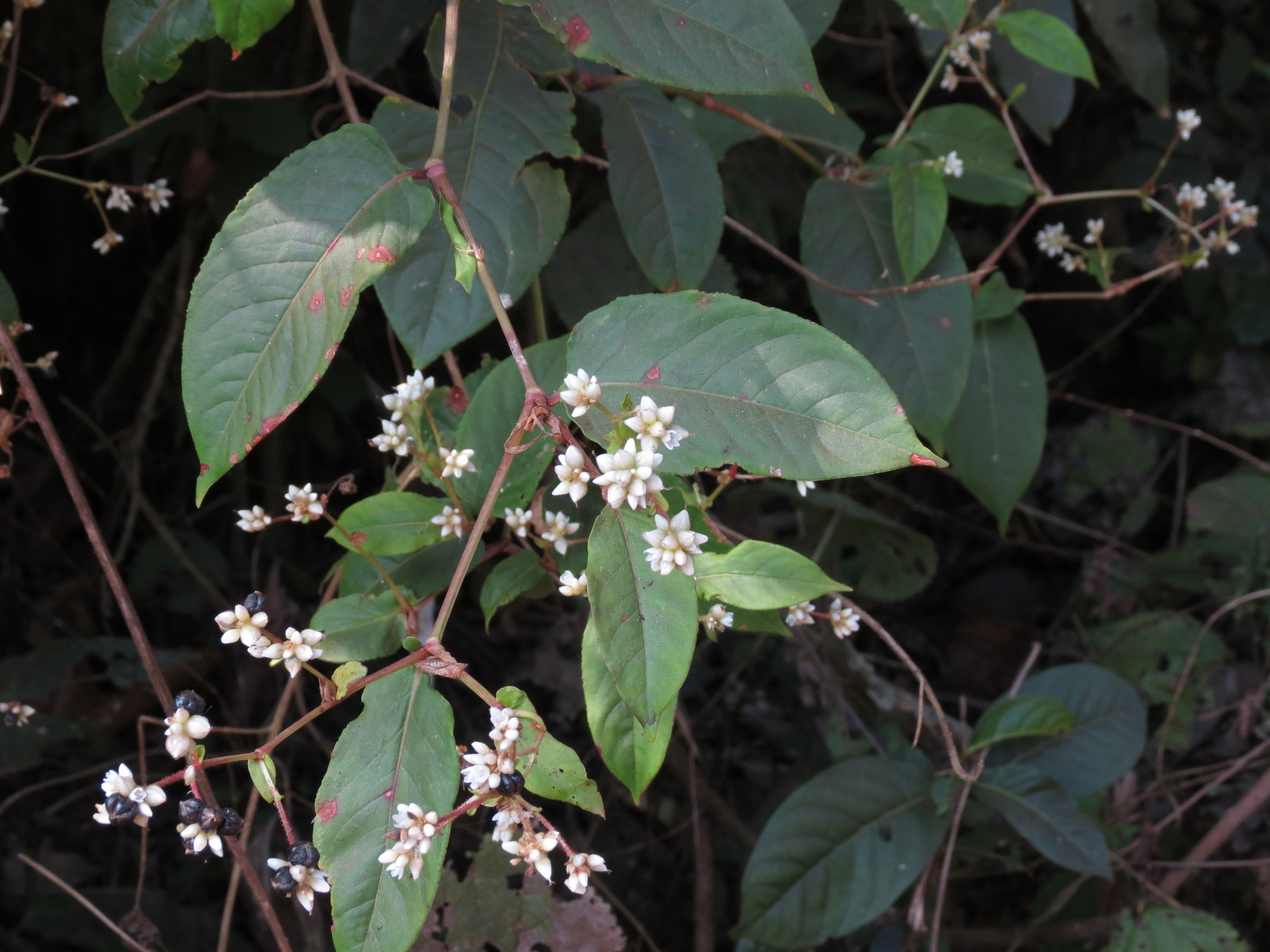

Photo 48359112, no rights reserved, uploaded by Ajit Ampalakkad
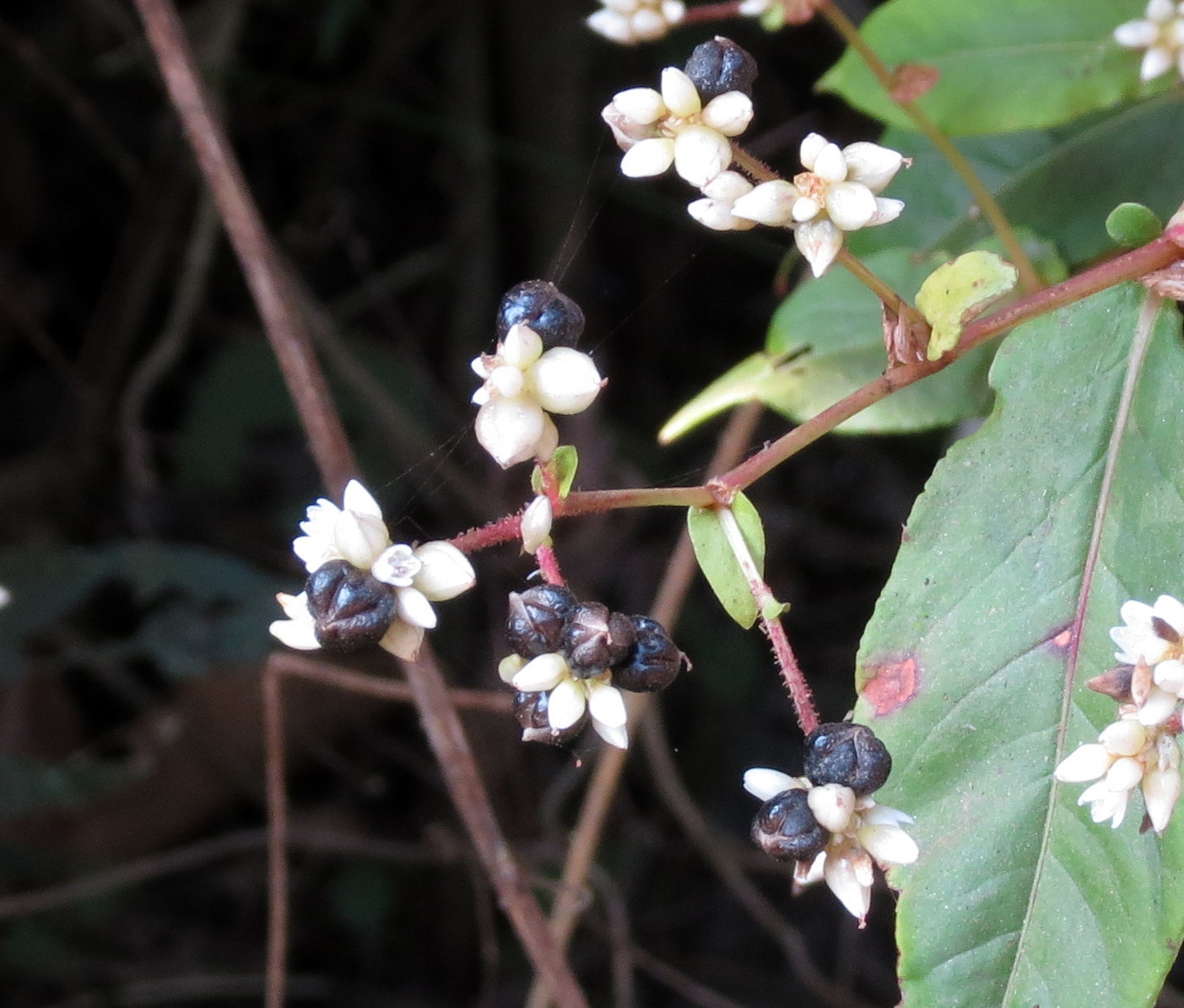

Photo 48359021, no rights reserved, uploaded by Ajit Ampalakkad


Persicaria microcephala (D. Don) H. Gross

Small-Headed Knotweed

Naturalized status in North America to be determined.


[sect. Amphibia]

Persicaria amphibia (L.) Delarbre

Water Smartweed

Perennial herbs.

North America, Europe and Asia.

North American plants can be distinguished from Asian and European plants by the flared ocrea on aerial shoots of American plants. The rank at which American plants are recognized is not settled. The subspecies and variety names are, respectively: Persicaria amphibia (L.) Delarbre subsp. laevimarginata (Hultén) Soják and Persicaria amphibia (L.) Delarbre var. stipulacea (N. Coleman) H. Hara. At the rank of species, the oldest valid name for American plants is Persicaria fluitans (Eaton) Greene.
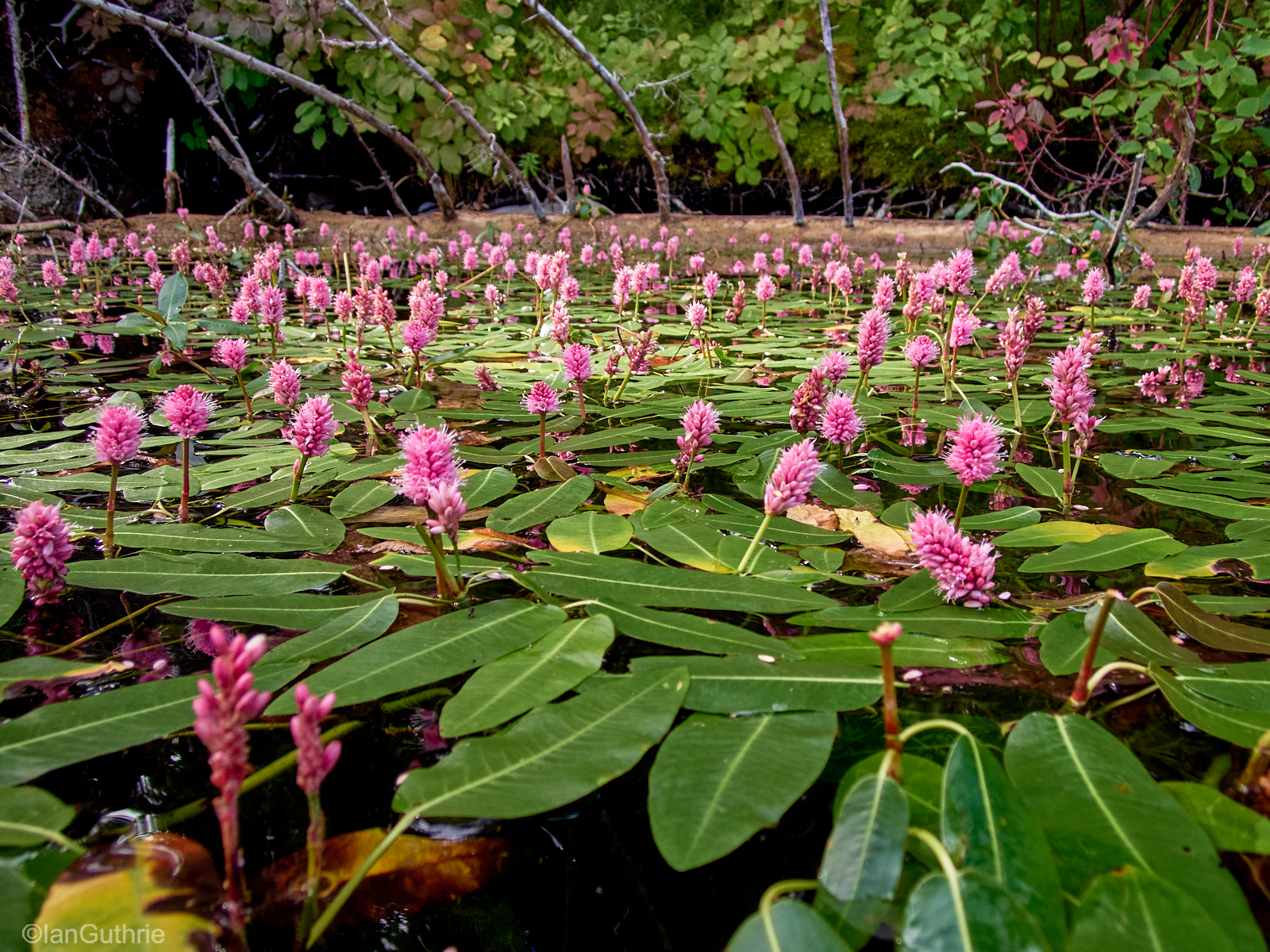

Photo 160158626, (c) Ian Guthrie, some rights reserved (CC BY-NC), uploaded by Ian Guthrie
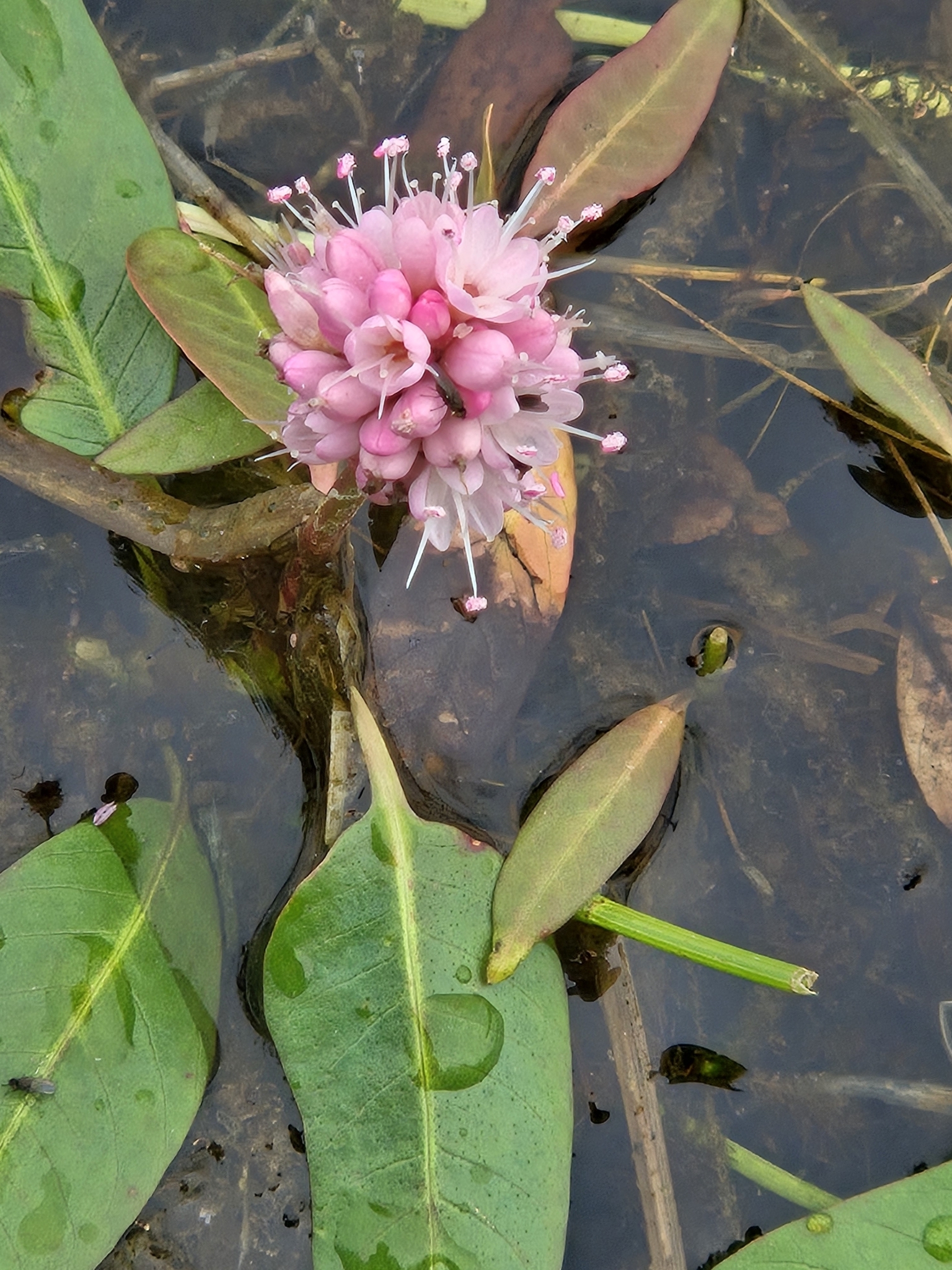

Photo 552741418, no rights reserved, uploaded by Daniel Atha
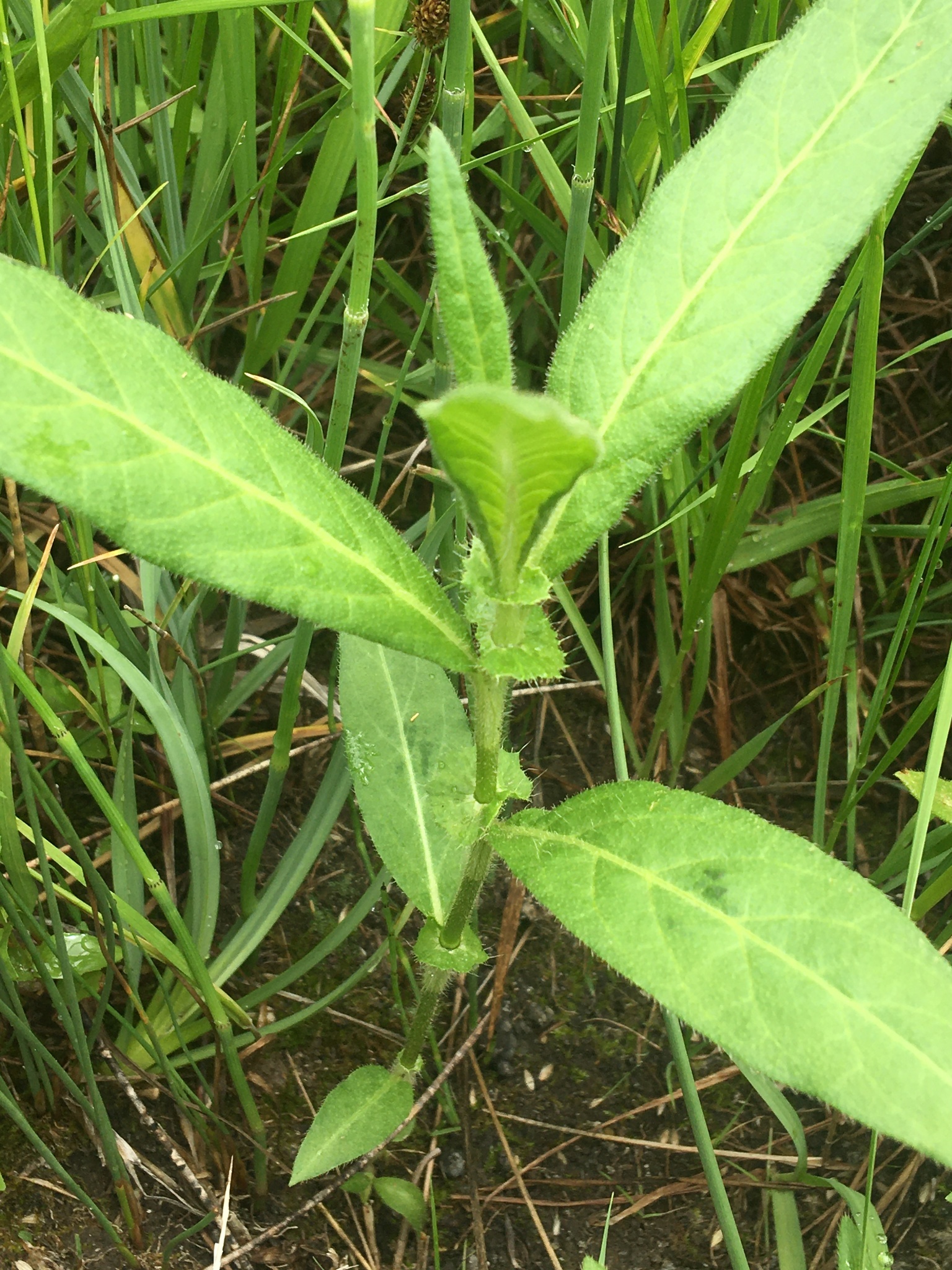

Photo 145995433, no rights reserved, uploaded by Daniel Atha
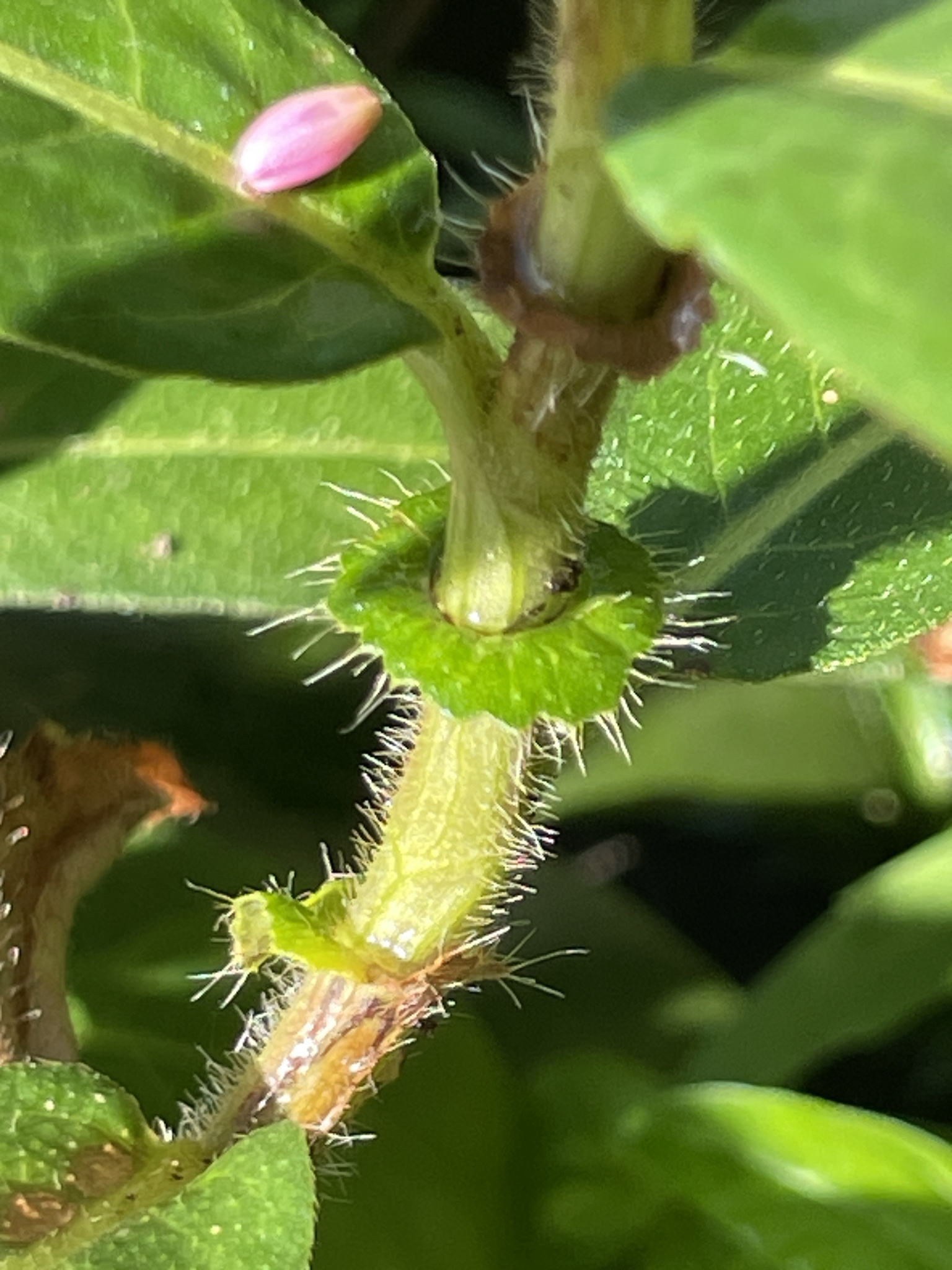

Photo 322483063, no rights reserved, uploaded by Daniel Atha
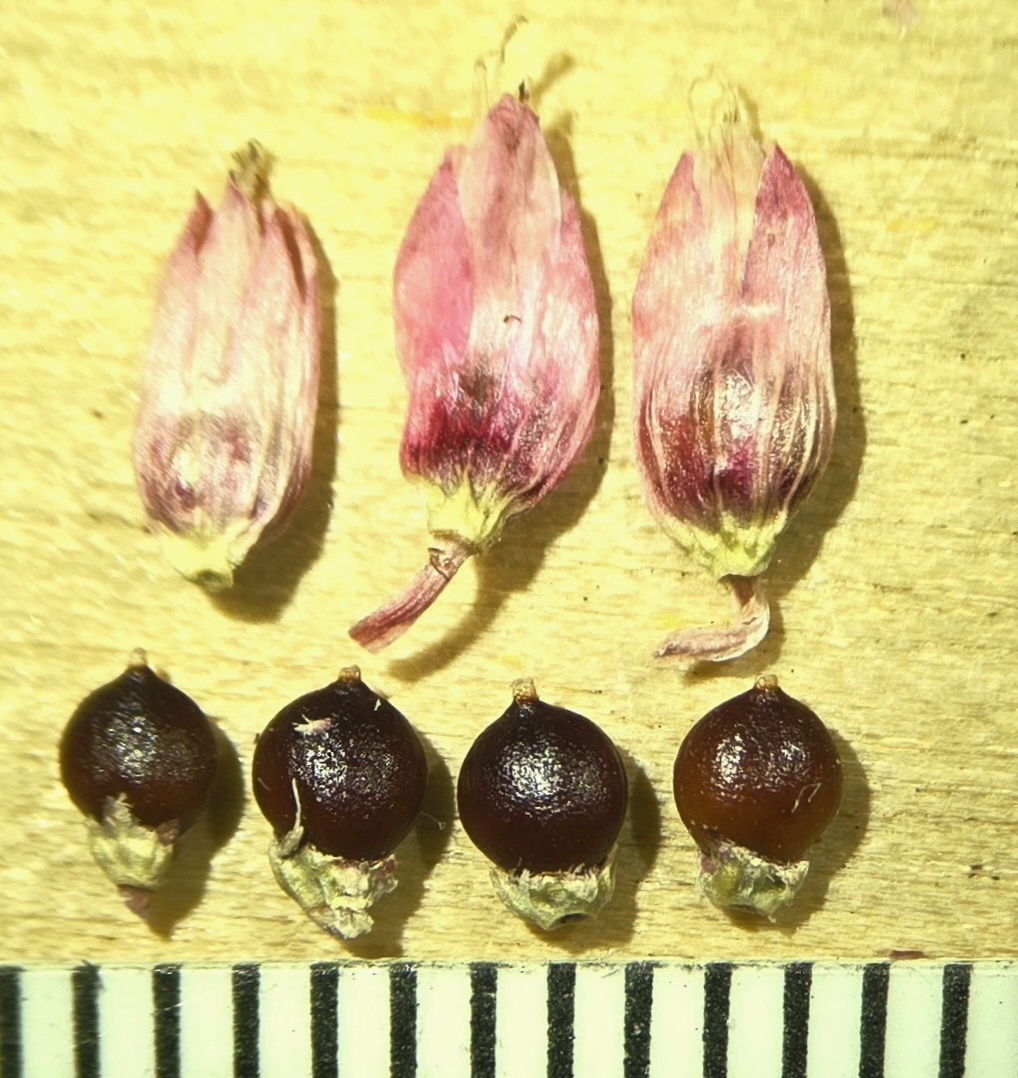

Photo 580966048, no rights reserved, uploaded by Daniel Atha


Persicaria coccinea (Muhl. ex Willd.) Greene

Scarlet Smartweed

Perennial herbs.

North America, from Manitoba to central Mexico.
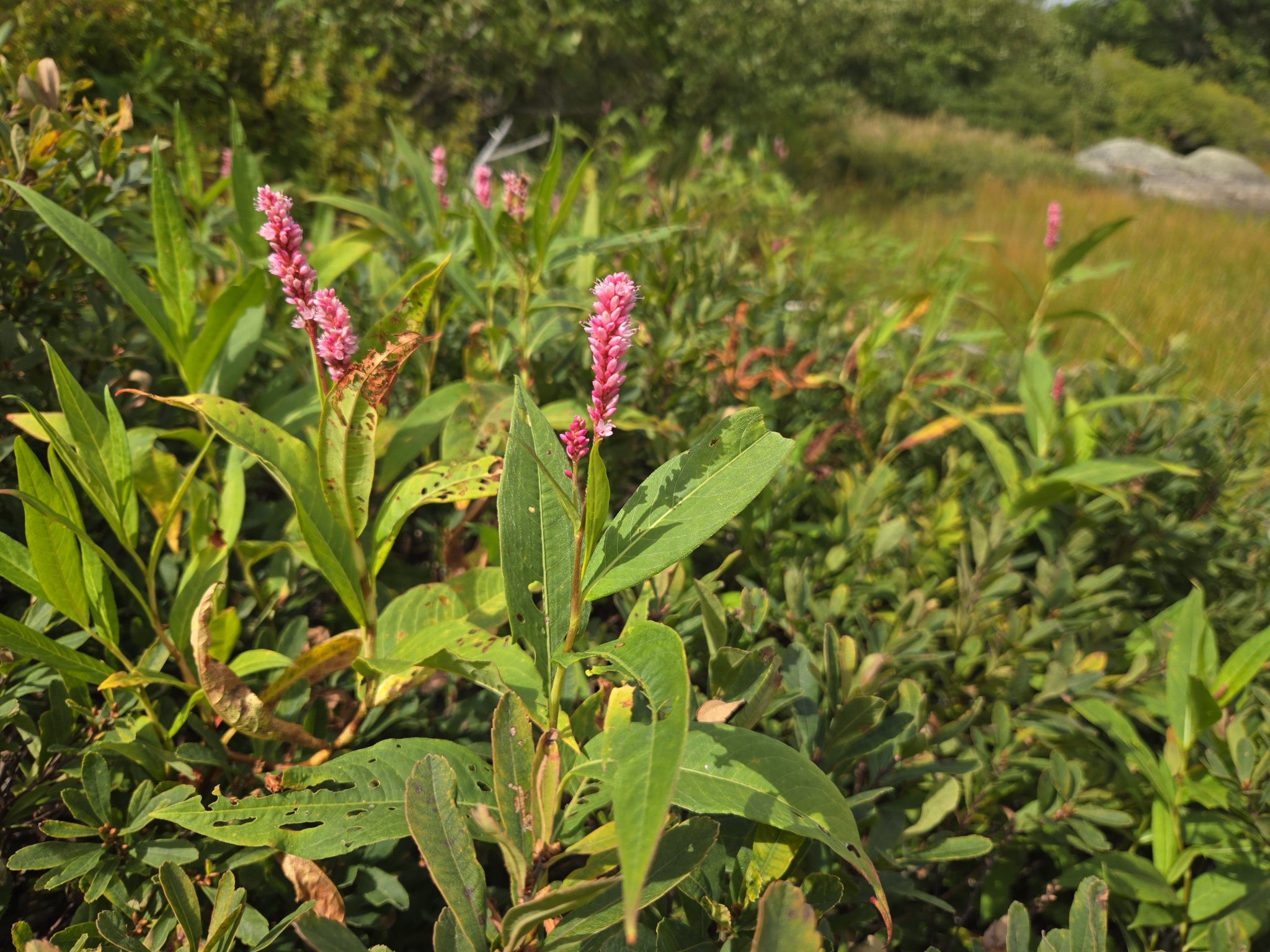

Photo 425728354, no rights reserved, uploaded by Daniel Atha
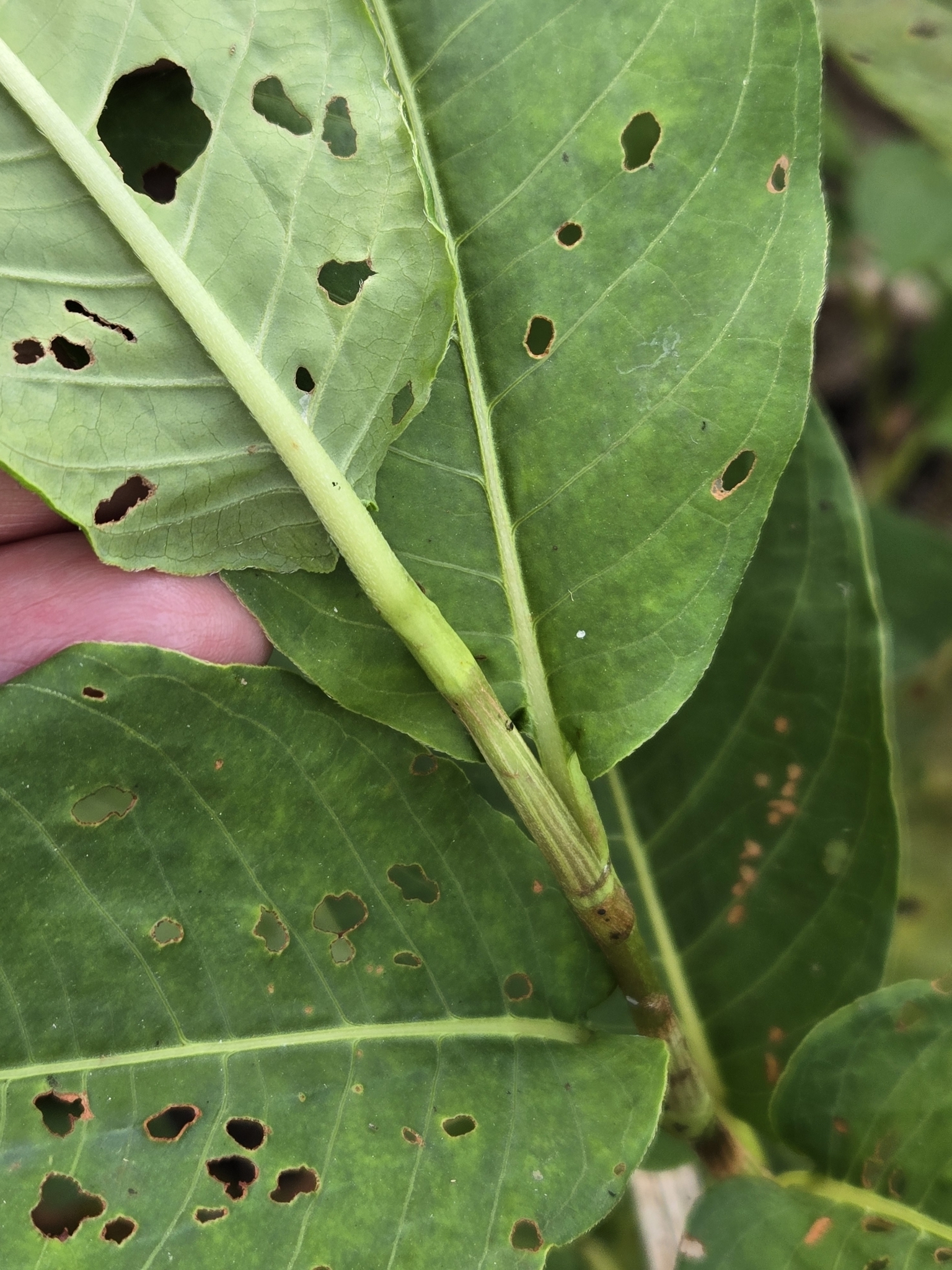

Photo 558292211, no rights reserved, uploaded by Daniel Atha
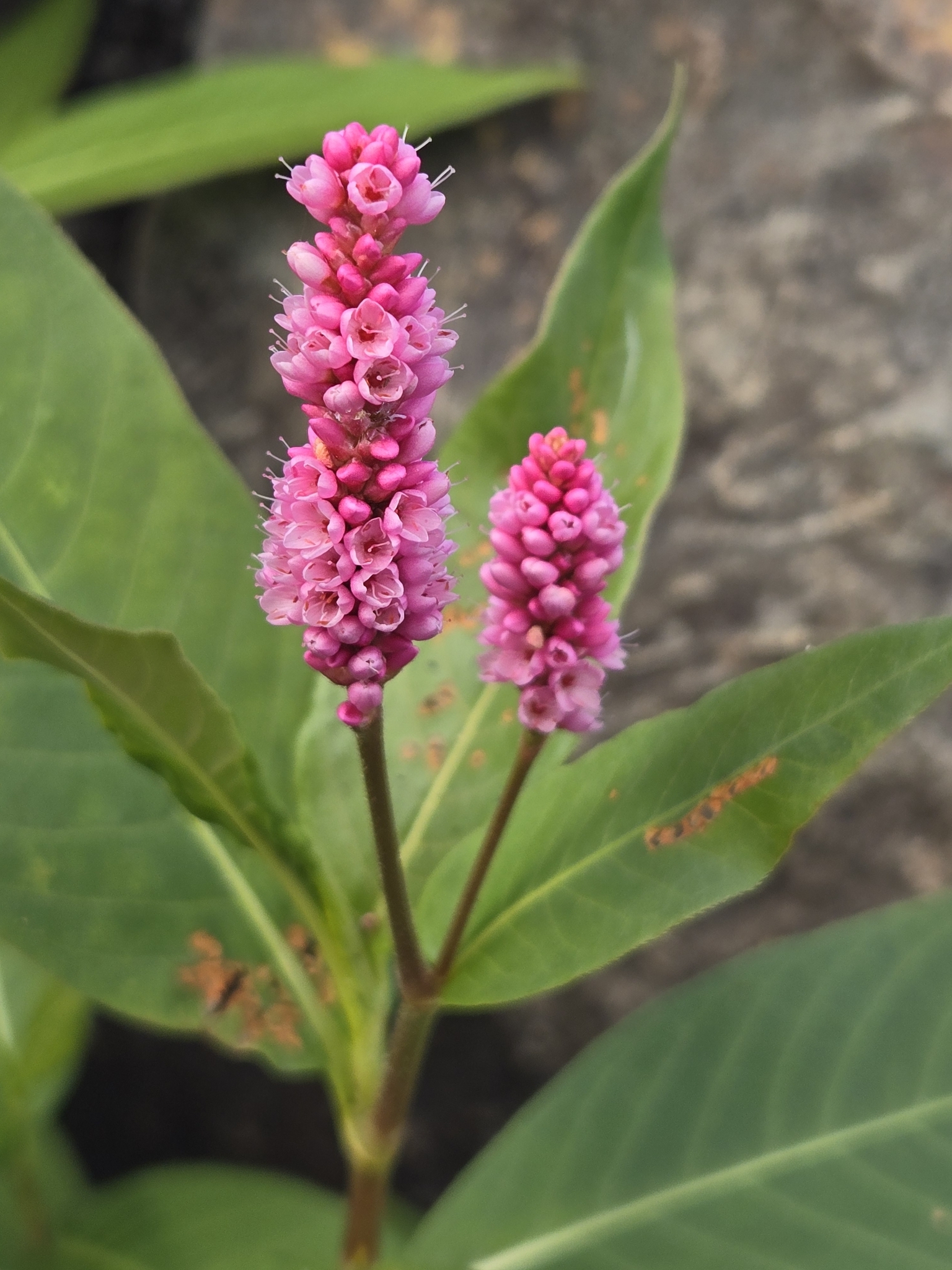

Photo 425734011, no rights reserved, uploaded by Daniel Atha
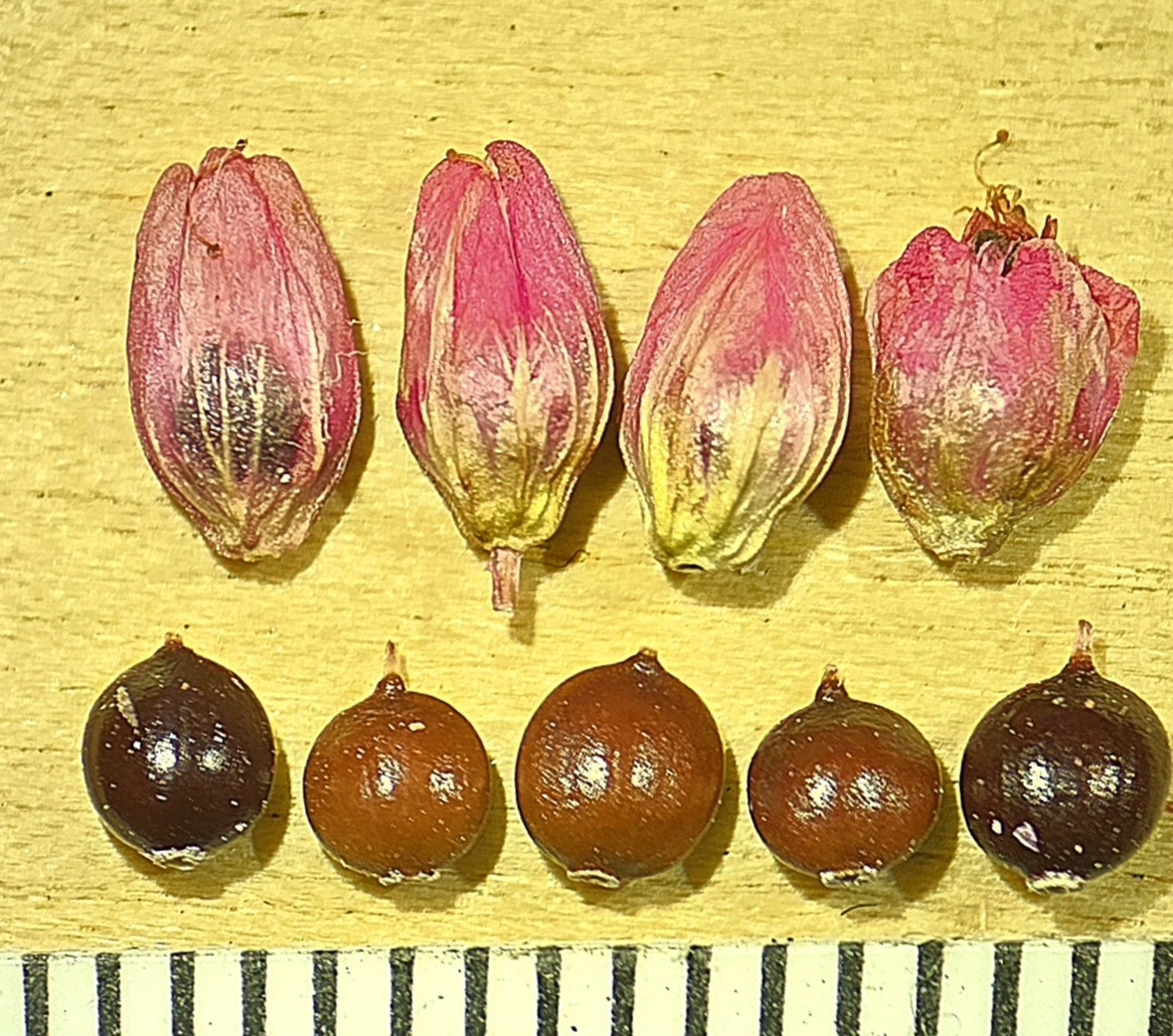

Photo 580955636, no rights reserved, uploaded by Daniel Atha


[sect. Persicaria]

Persicaria hispida (H.B.K.) M. Gómez

Perennial herbs.

First Report of Persicaria hispida (Polygonaceae) from North America north of Mexico (Texas).
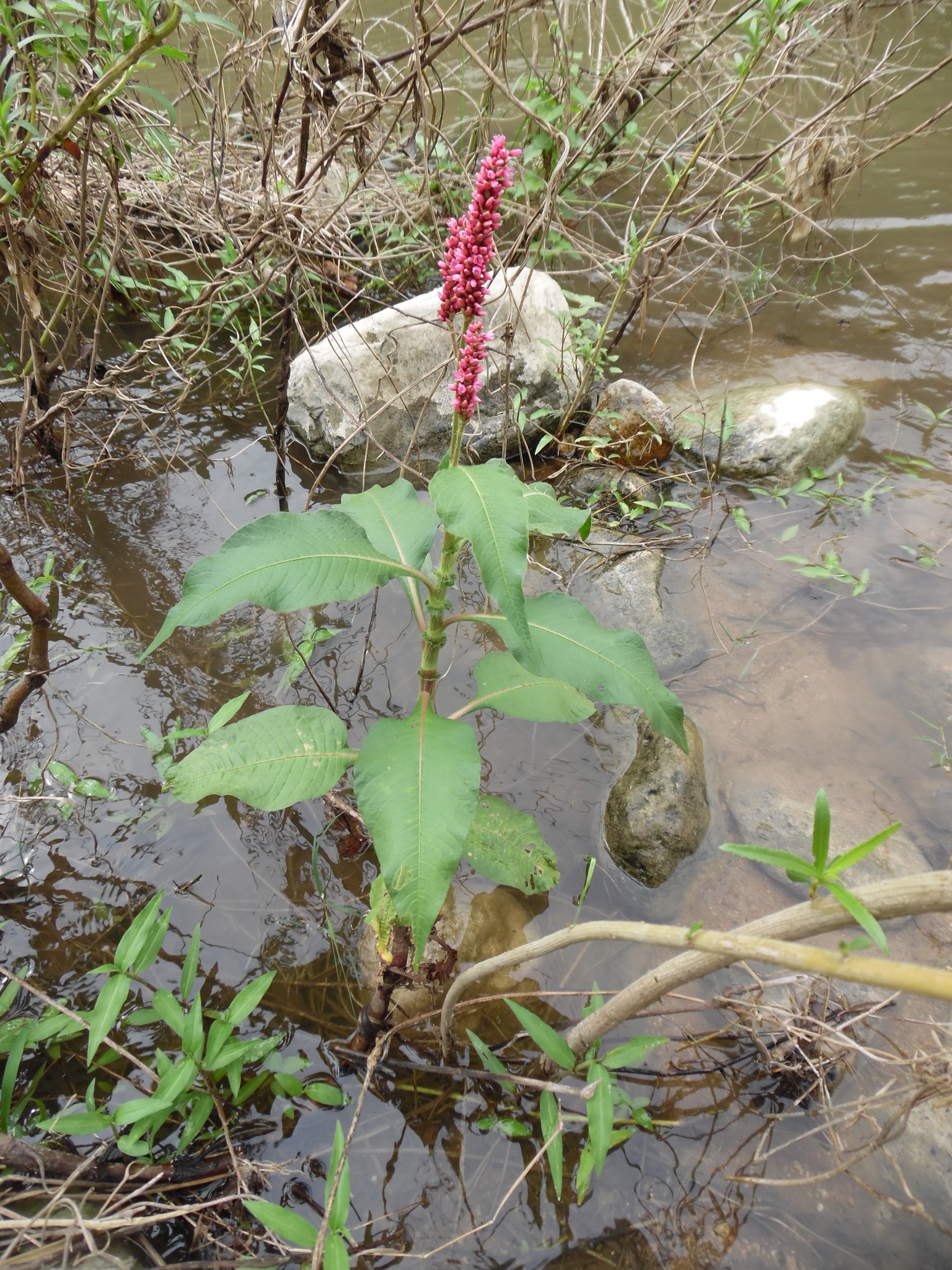

Photo 28196131, (c) Luis Humberto Vicente-Rivera, some rights reserved (CC BY-NC), uploaded by Luis Humberto Vicente-Rivera
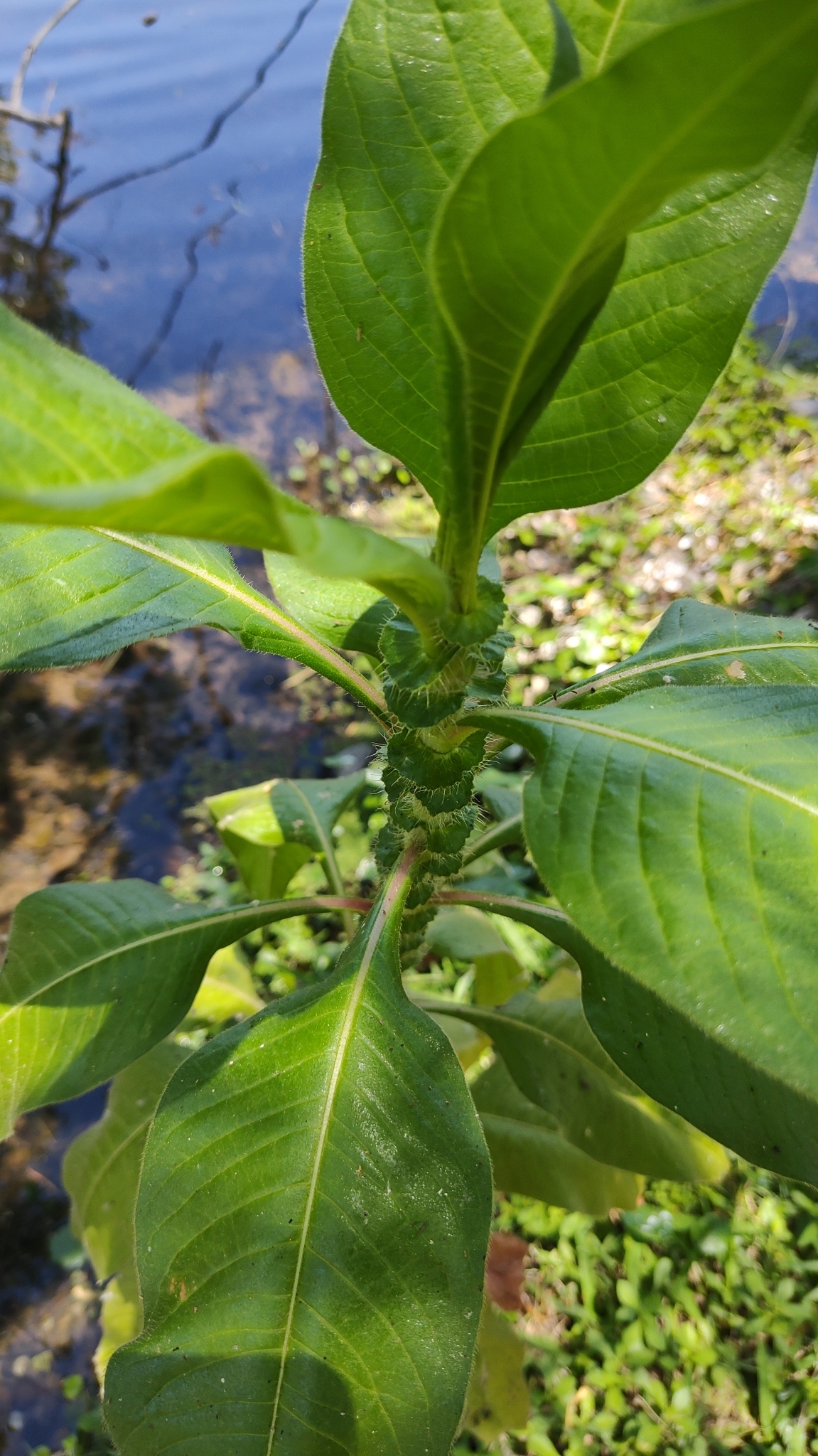

Photo 288984371, no rights reserved, uploaded by Sinaloa Silvestre
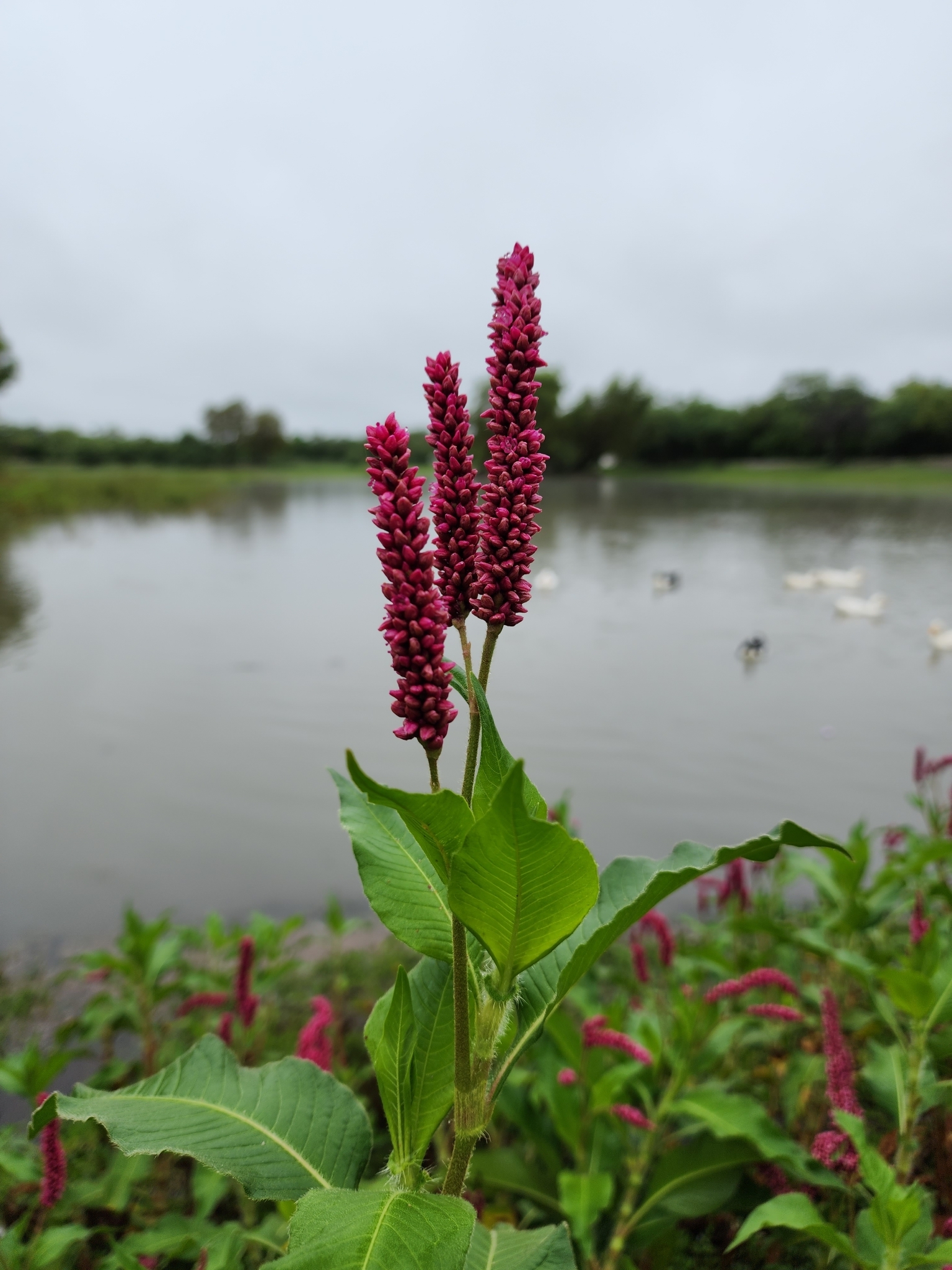

Photo 328519540, (c) Oswaldo ZZ, some rights reserved (CC BY-NC), uploaded by Oswaldo ZZ
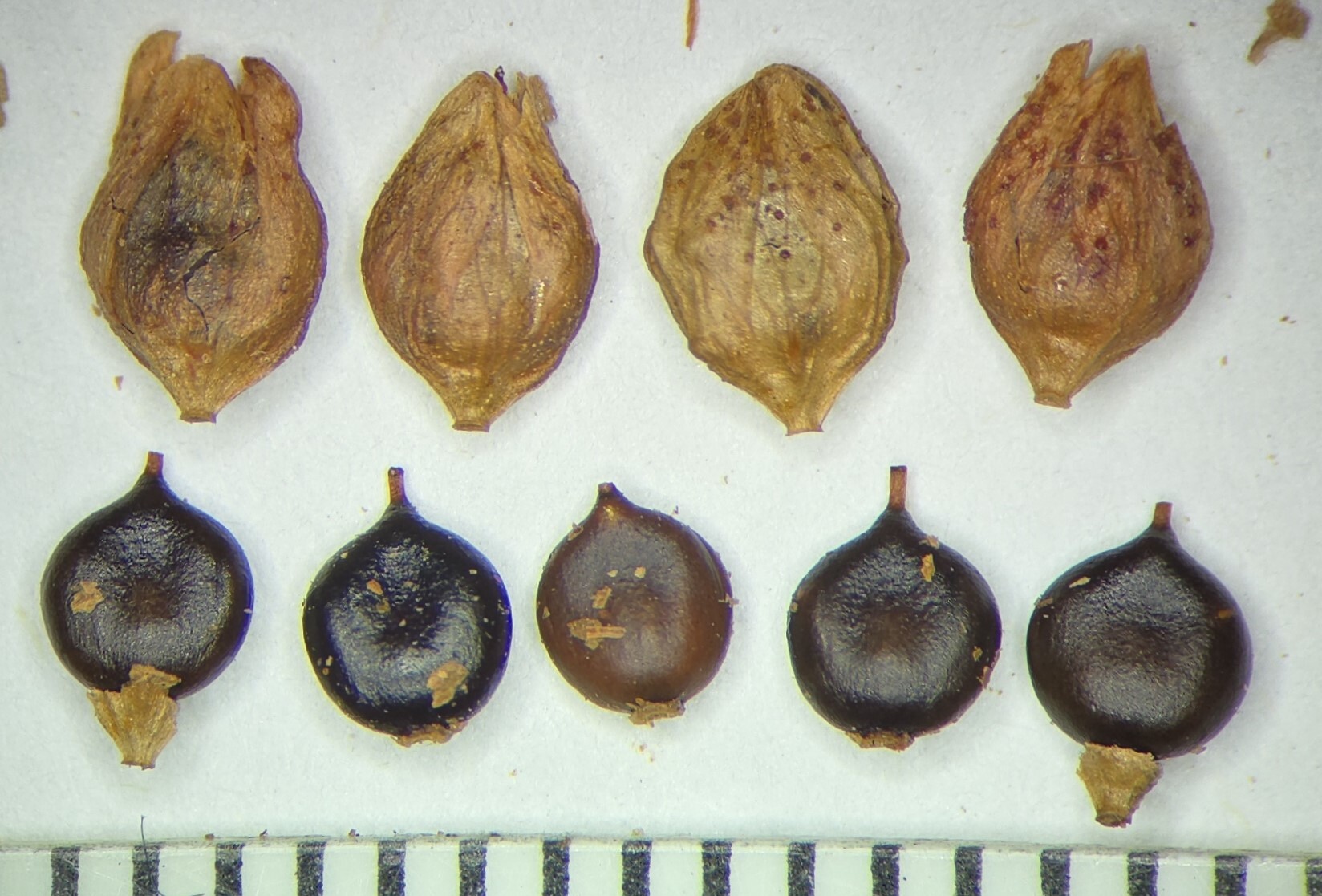

Photo 608944472, no rights reserved, uploaded by Daniel Atha


Persicaria orientalis (L.) Spach

Kiss-Me-Over-The-Garden-Gate

Annual herbs.

Cultivated and rarely escaped.
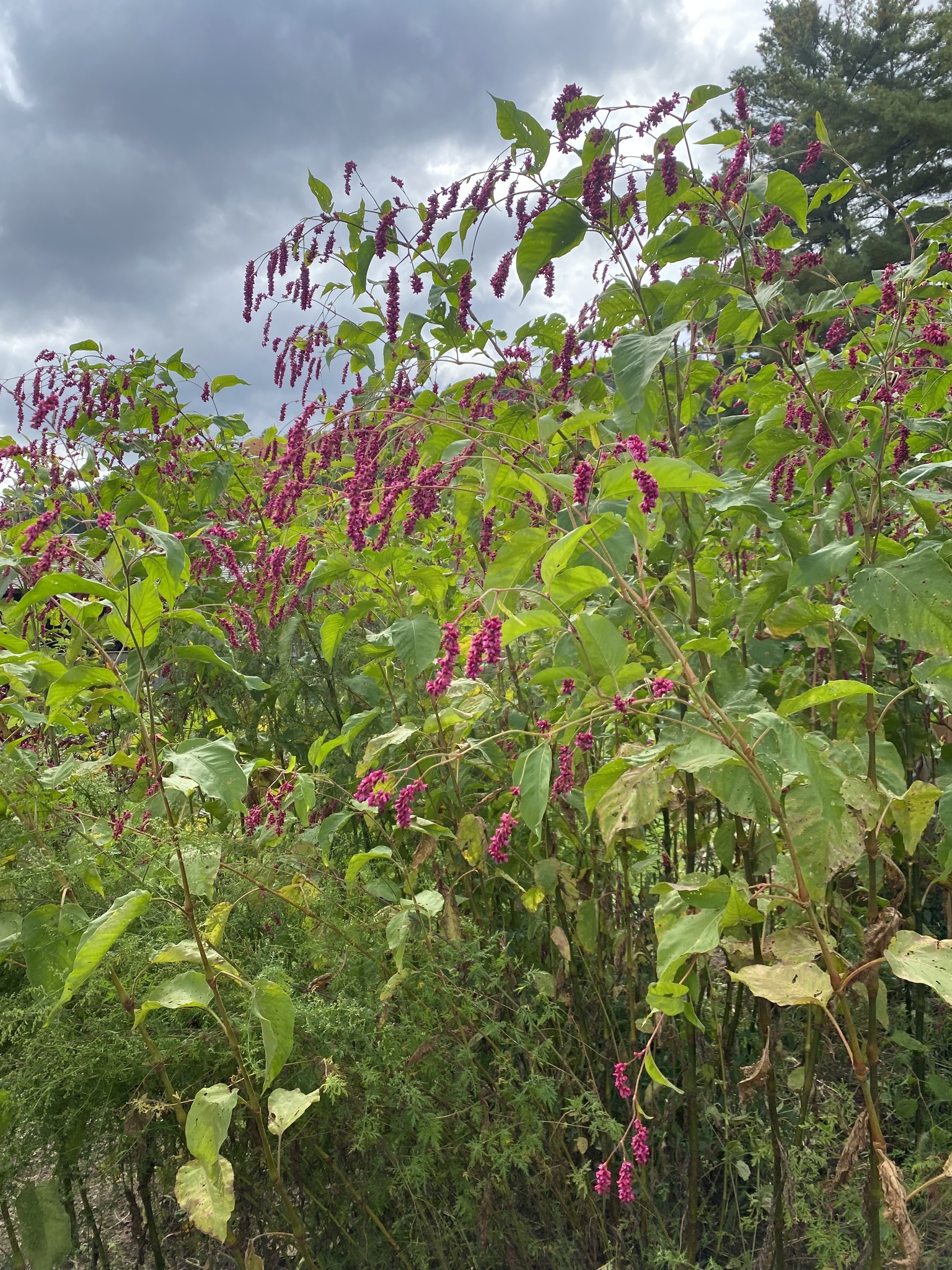

Photo 234493096, (c) dwkarl, some rights reserved (CC BY-NC)
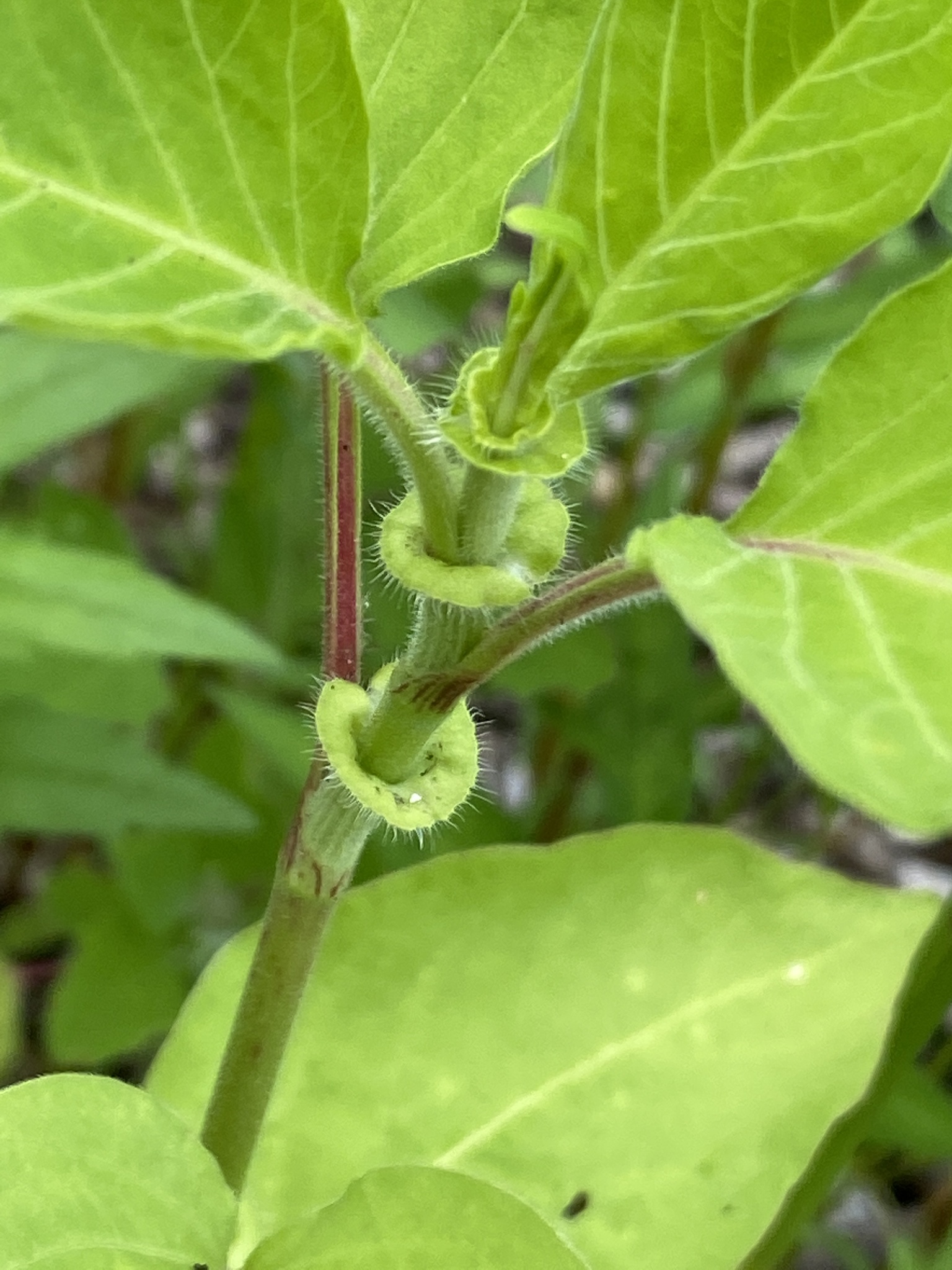

Photo 135413769, (c) Backwoods Botany, some rights reserved (CC BY-NC), uploaded by Backwoods Botany
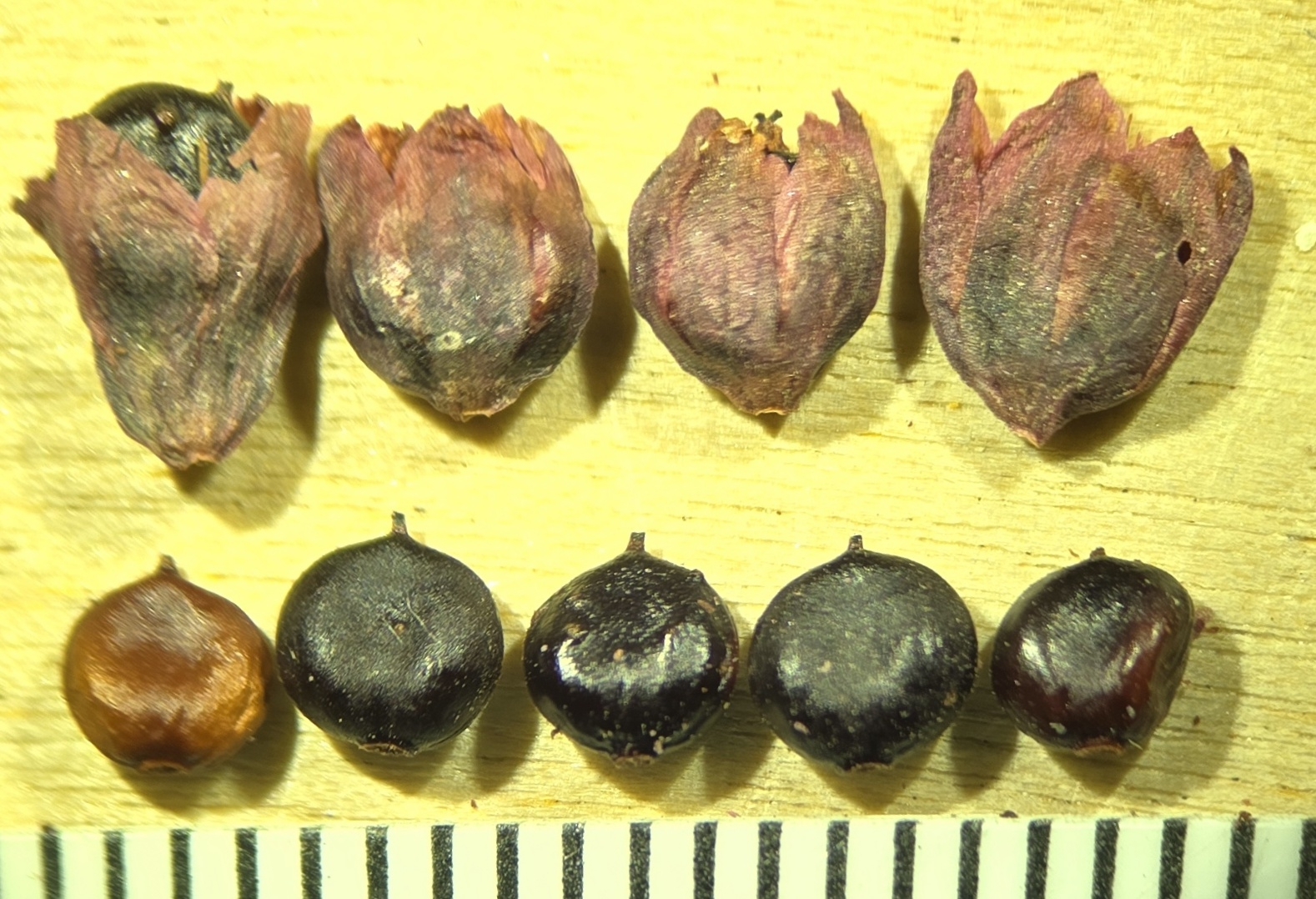

Photo 586793942, no rights reserved, uploaded by Daniel Atha


Persicaria hydropiperoides (Michx.) Small

Swamp Smartweed

Perennial herbs to 50 cm tall, from rhizomes; stem usually unbranched; ocrea strigose, the apex with cilia or bristles; leaves oblong, the apex acute, the base rounded to a short petiole; inflorescence spicate, erect, the fascicles lax; tepals pink or rarely white, spreading at anthesis; achenes ovoid, trigonous.

North and South America from British Columbia to Chile; swamps. Click here for range map

Some specimens identified as Persicaria setacea may belong here. Plants with narrower leaves and smaller flowers are sometimes segregated as Persicaria opelousana.
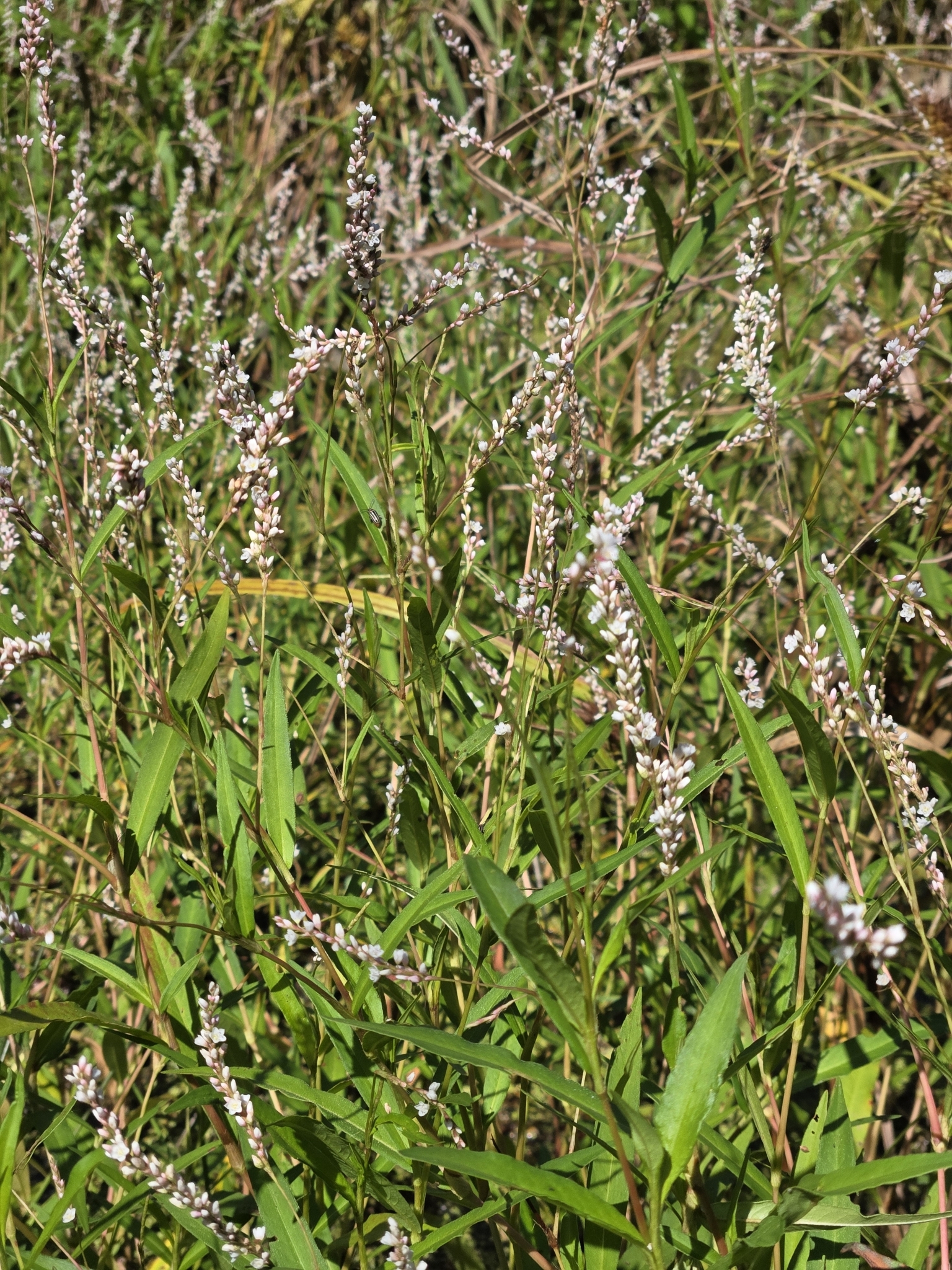

Photo 558308275, no rights reserved, uploaded by Daniel Atha


Photo 559171297, no rights reserved, uploaded by Daniel Atha
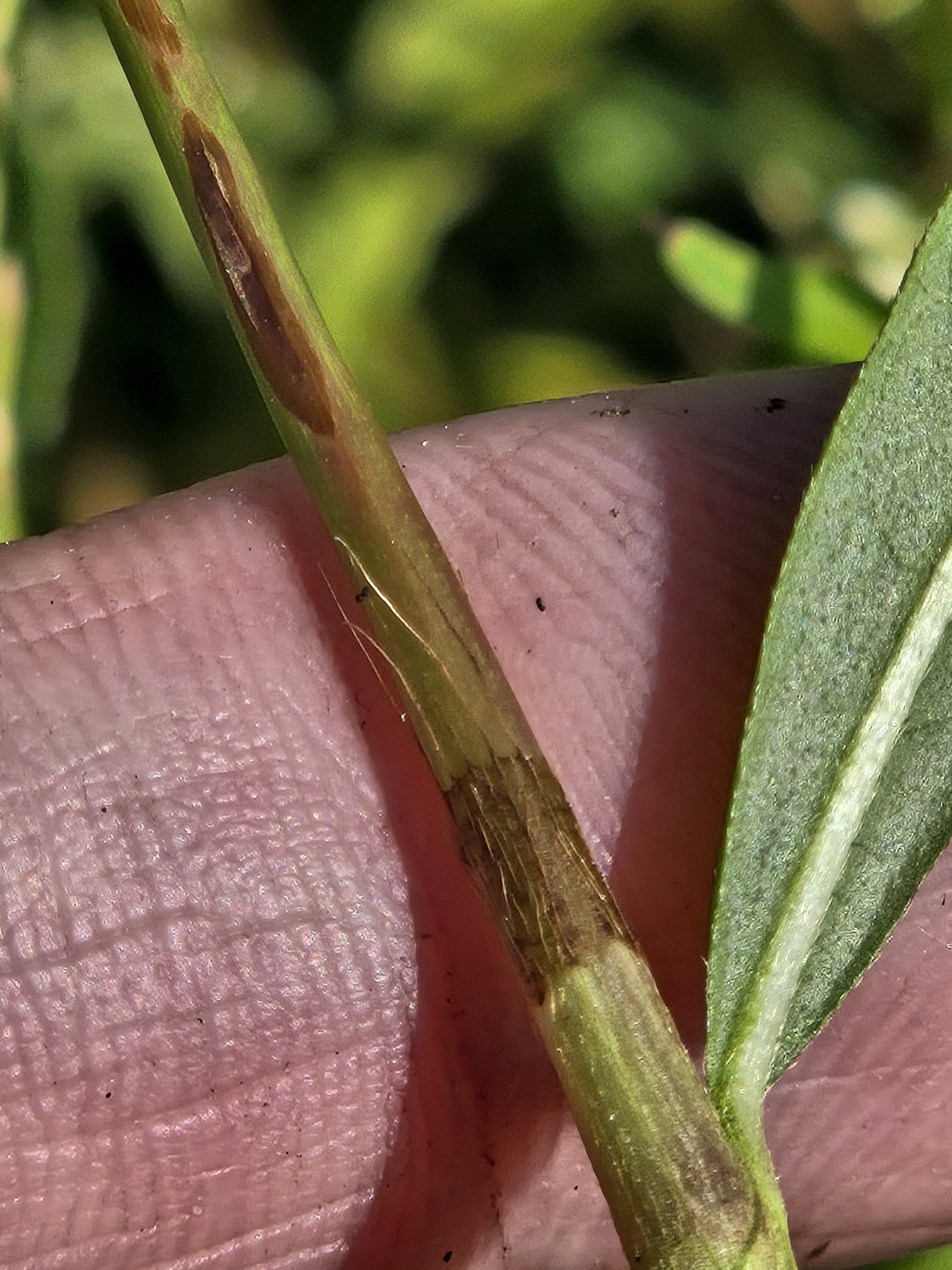

Photo 560143111, no rights reserved, uploaded by Daniel Atha
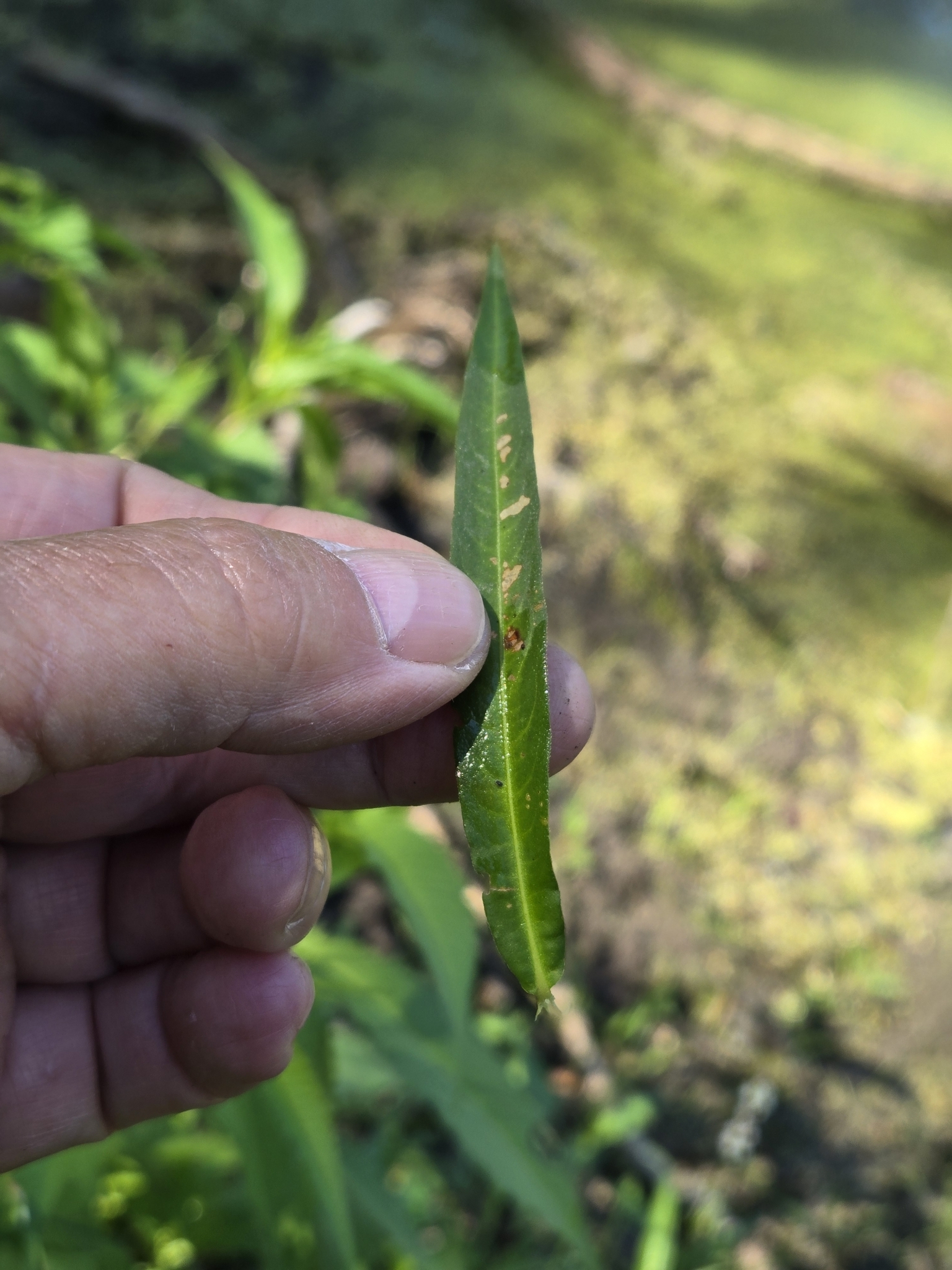

Photo 560143069, no rights reserved, uploaded by Daniel Atha
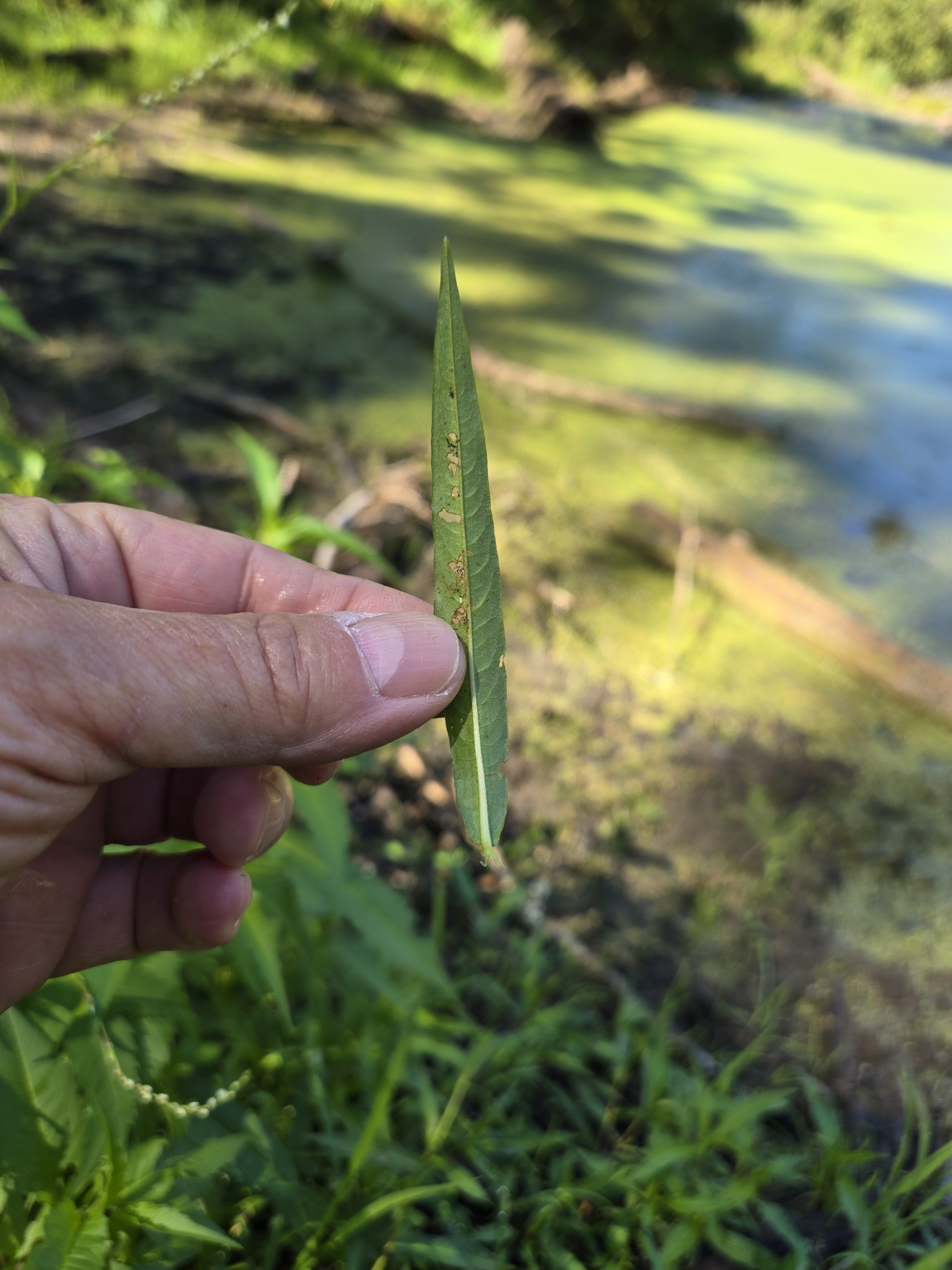

Photo 557803137, no rights reserved, uploaded by Daniel Atha
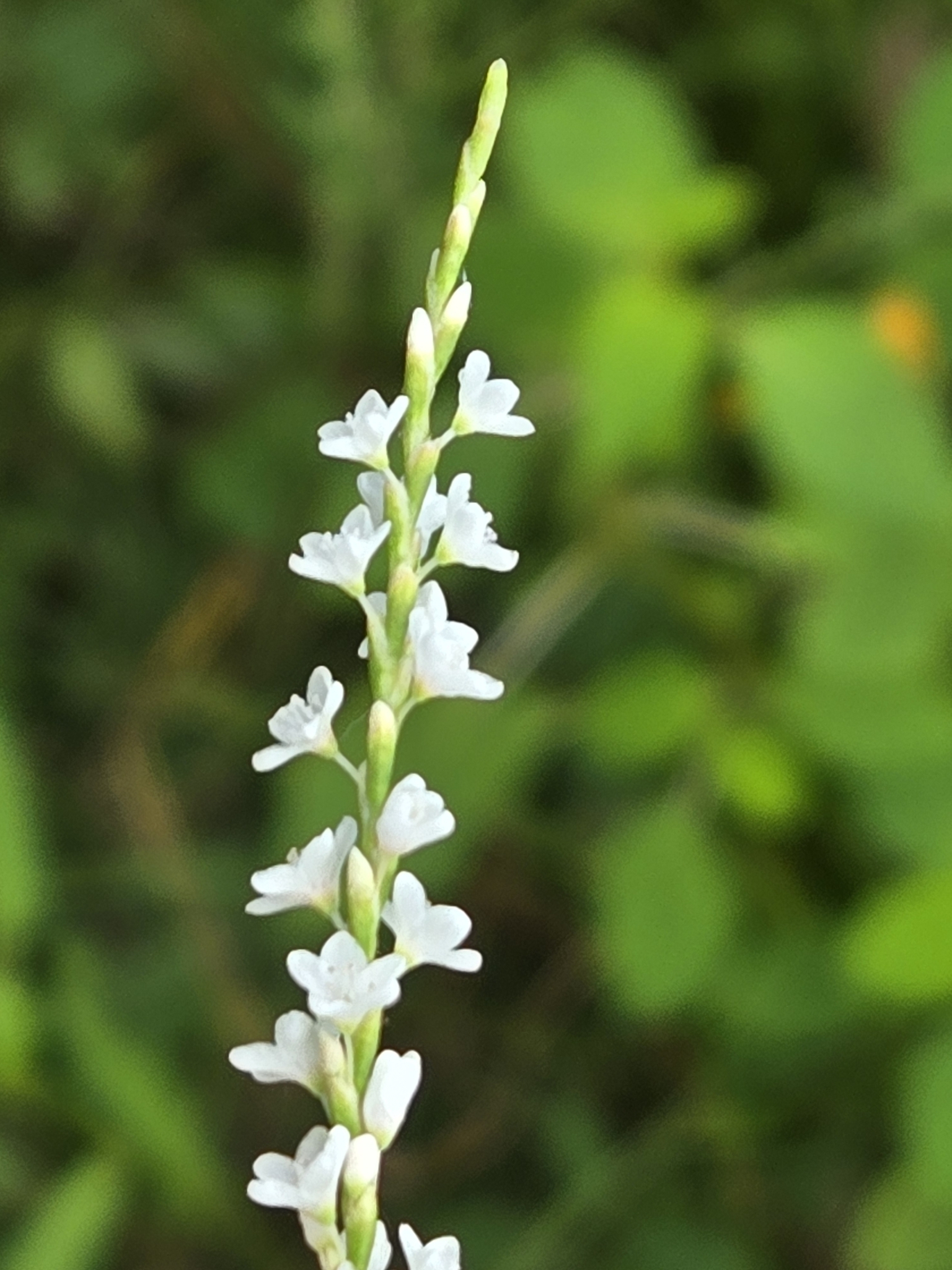

Photo 412871542, no rights reserved, uploaded by Daniel Atha
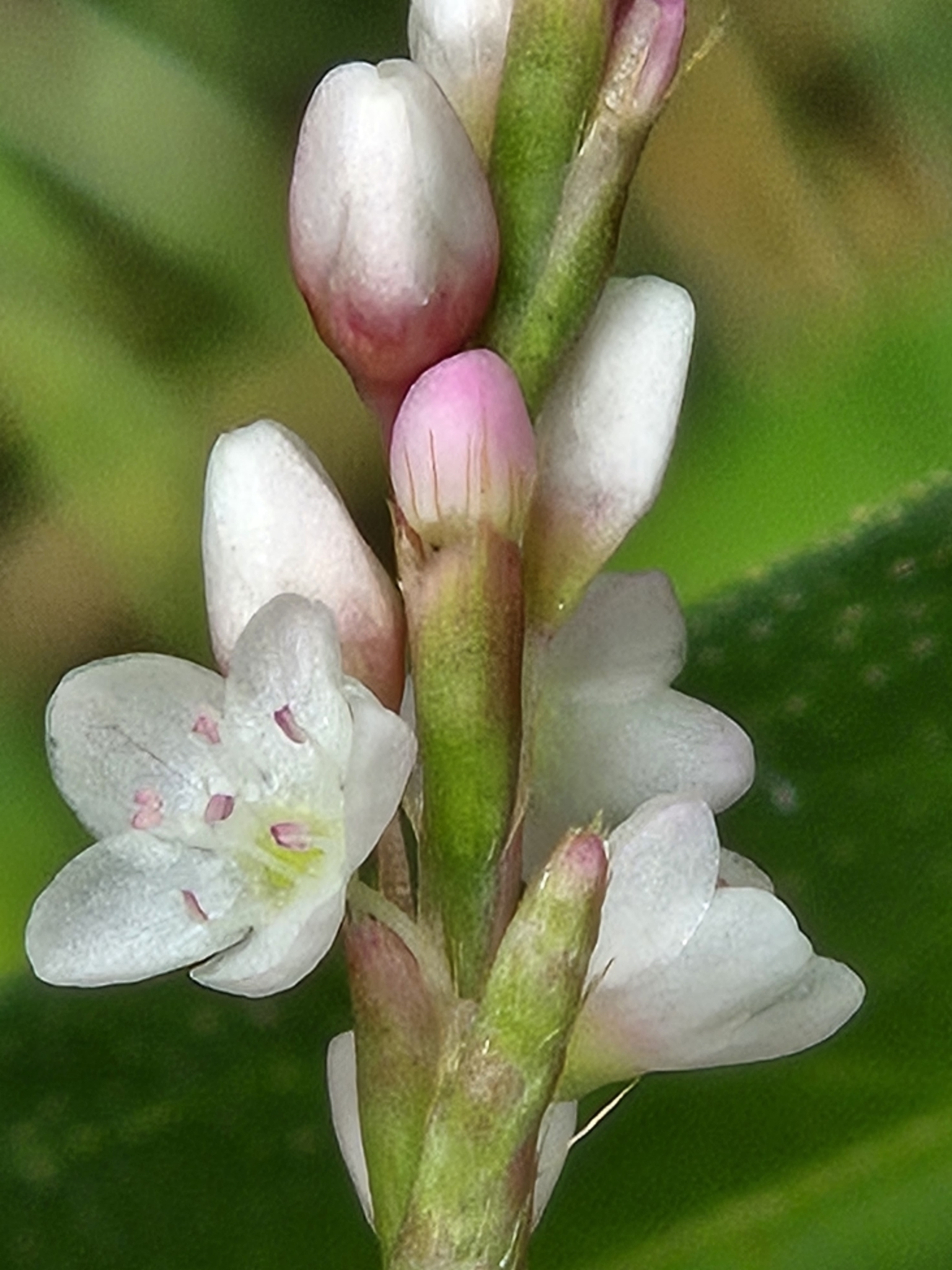

Photo 558308356, no rights reserved, uploaded by Daniel Atha
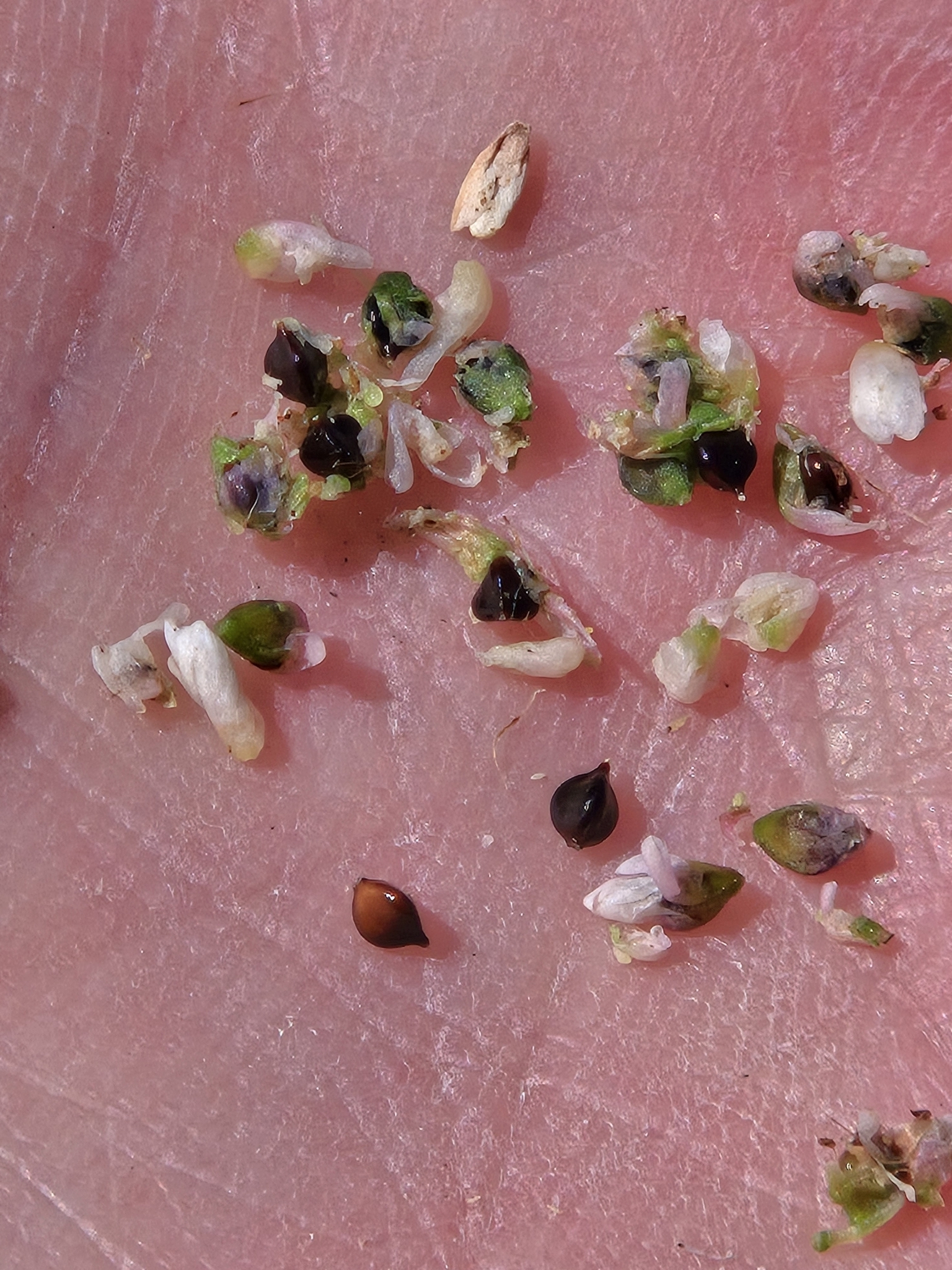

Photo 582998363, no rights reserved, uploaded by Daniel Atha
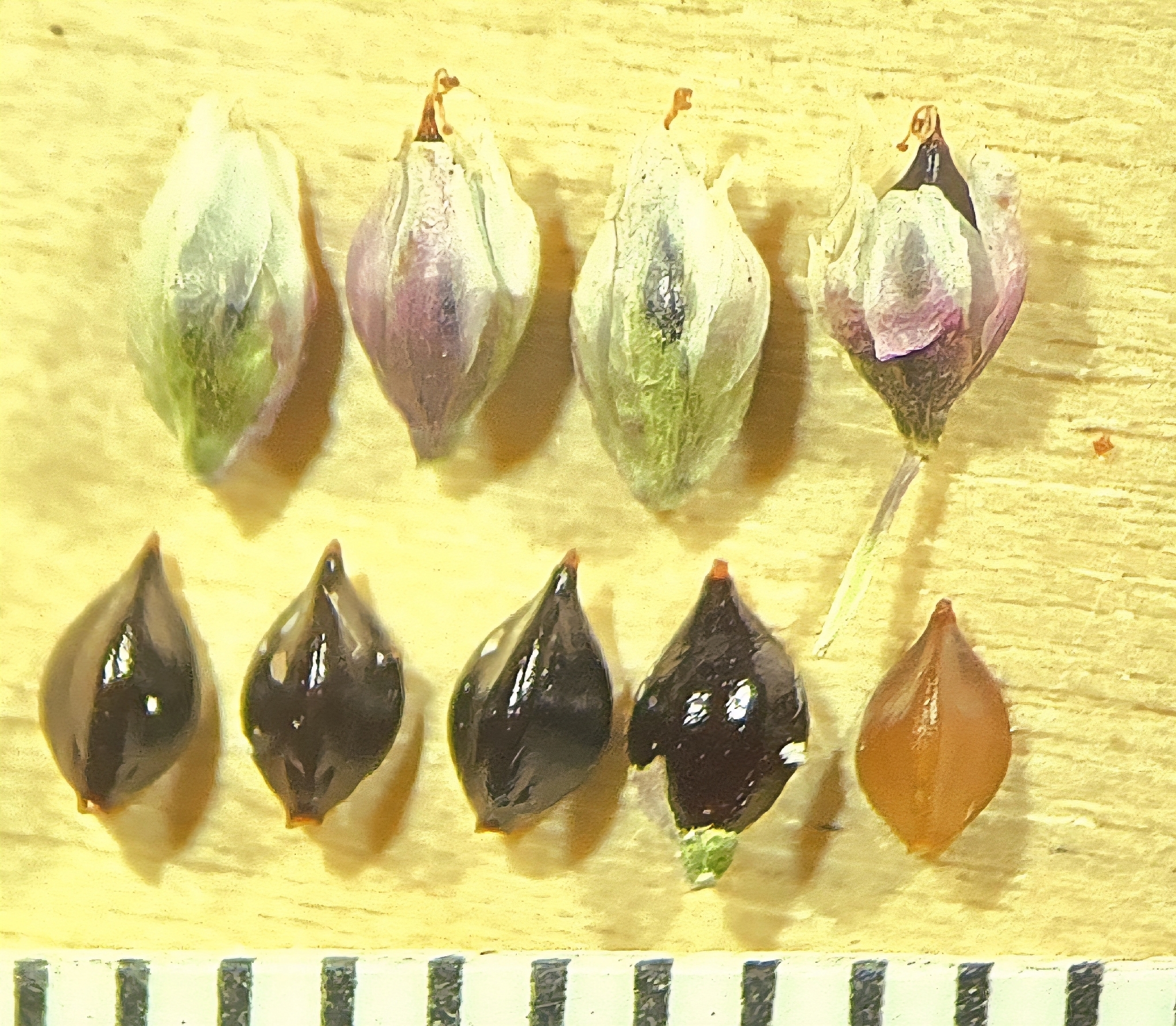

Persicaria hirsuta (Walter) Small

Hairy Smartweed

Perennial.

Southeastern United States.
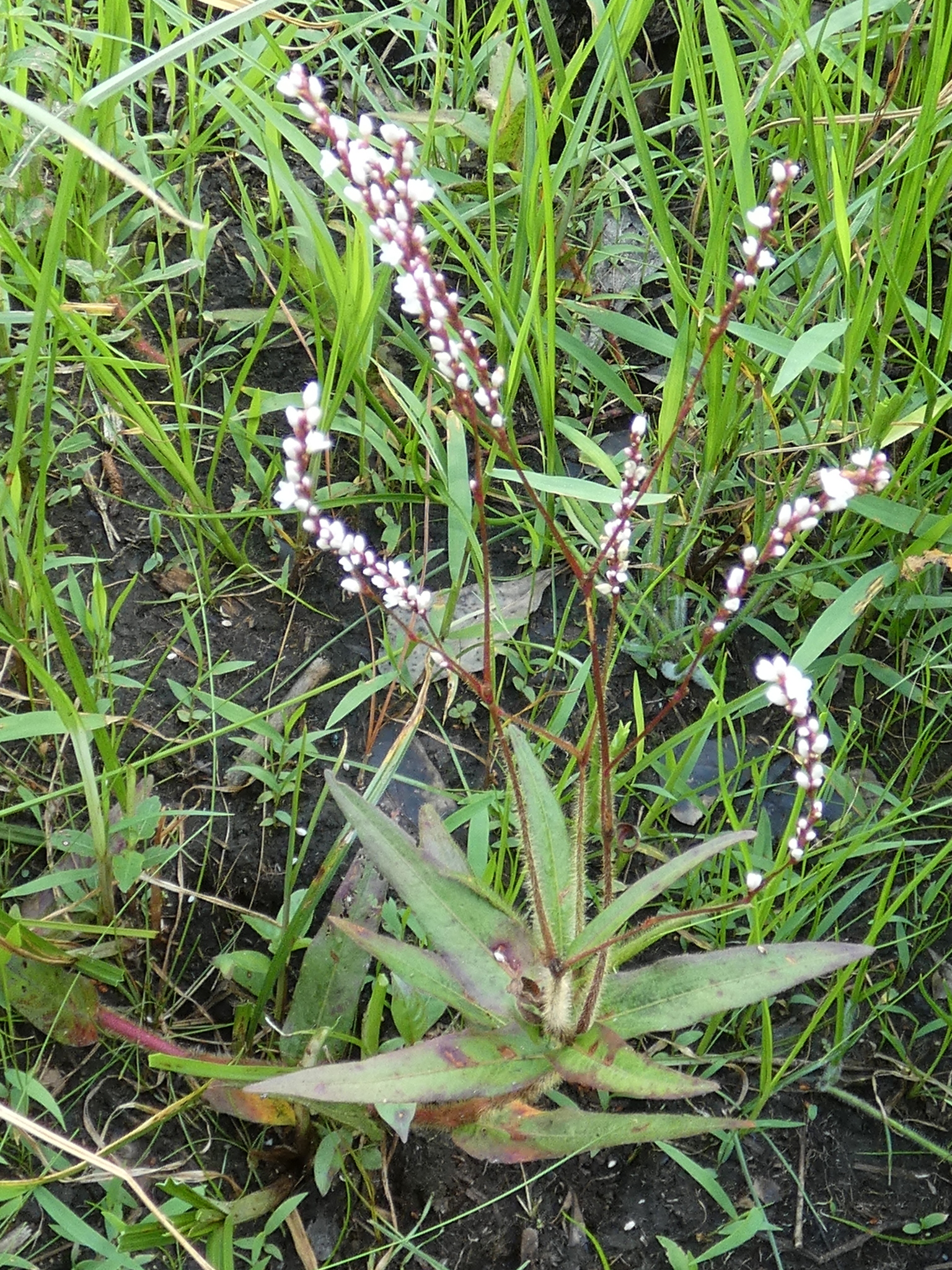

Photo 215327651, no rights reserved, uploaded by kcthetc1
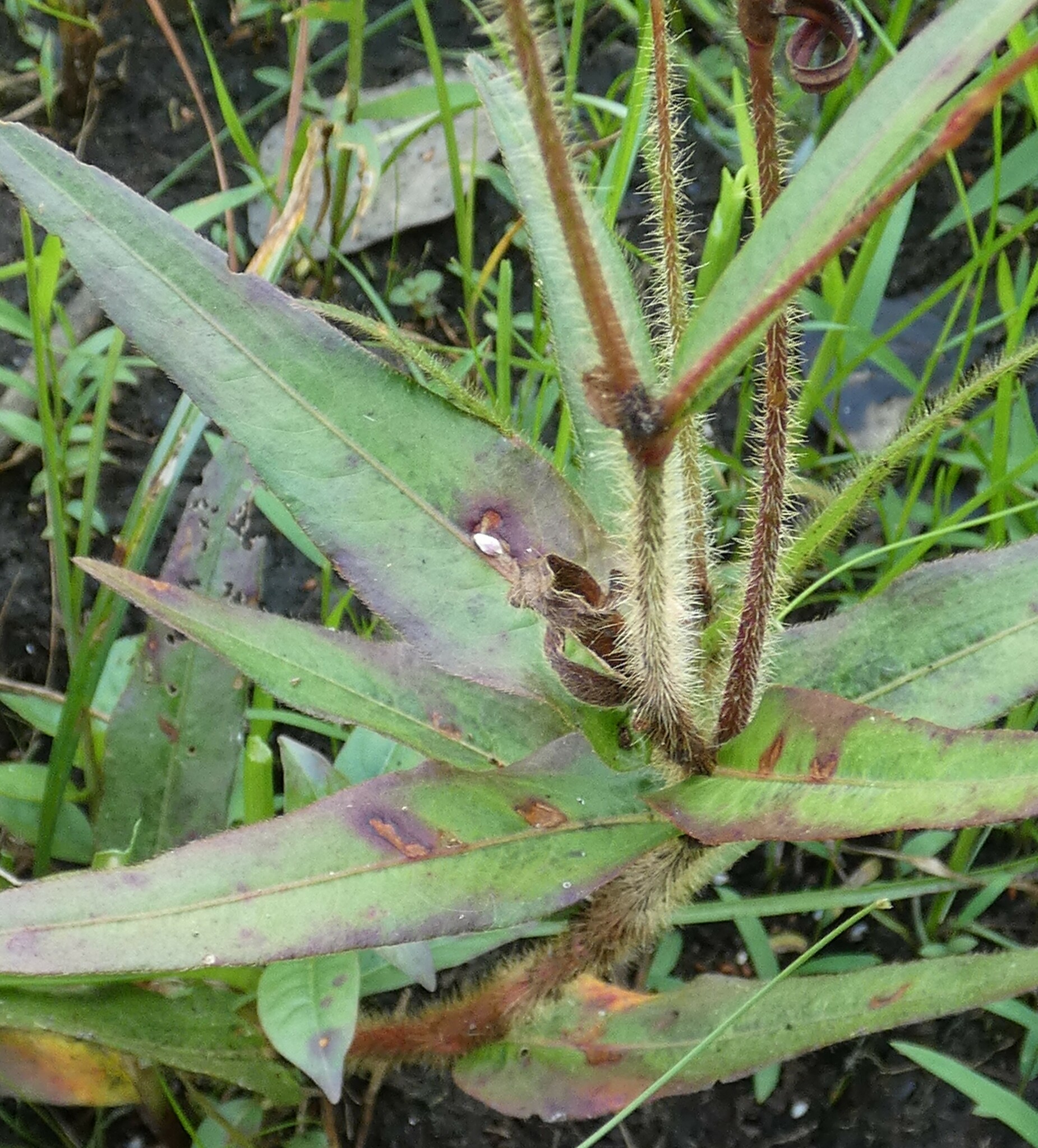

Photo 215327696, no rights reserved, uploaded by kcthetc1
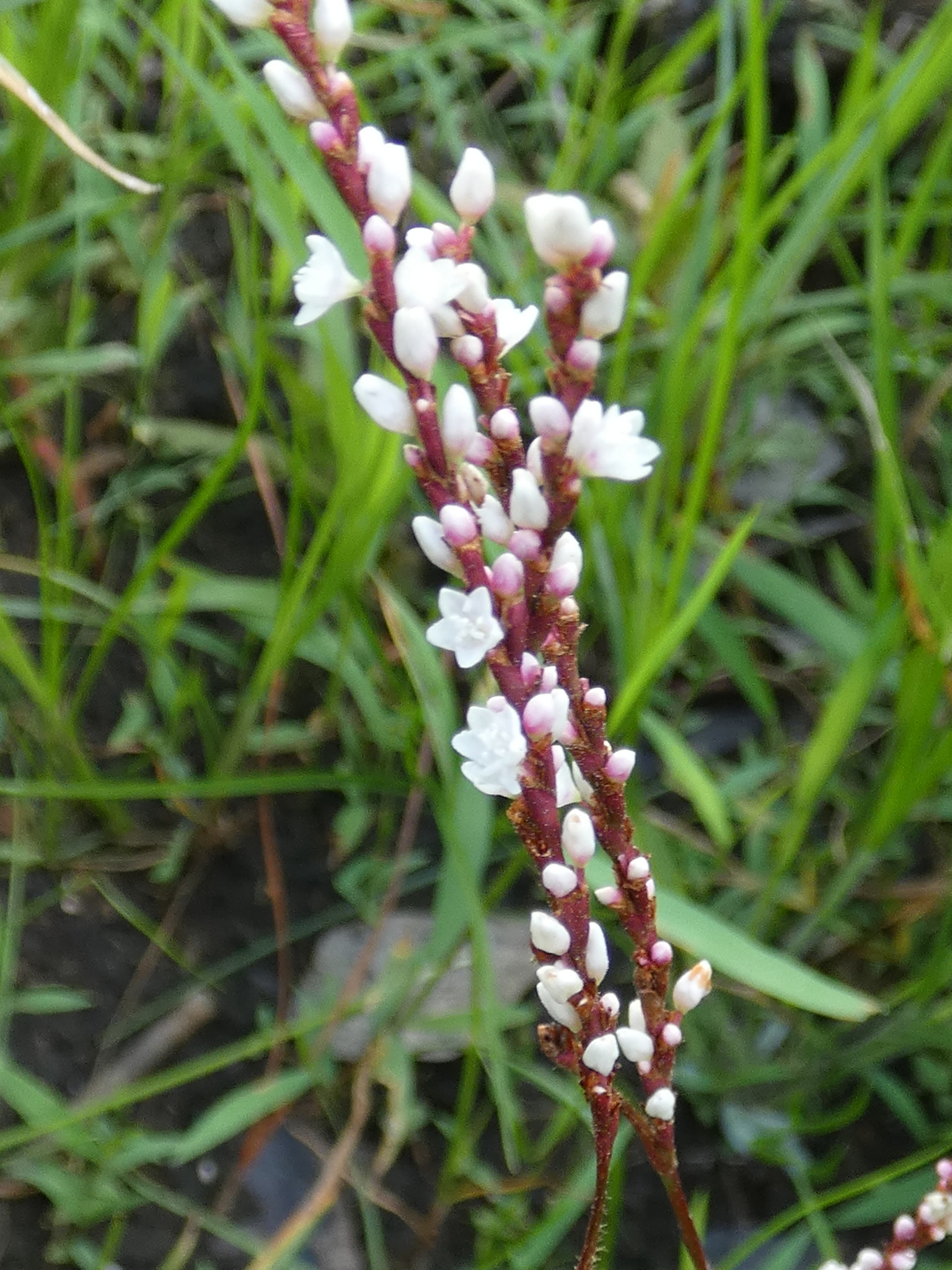

Photo 215327678, no rights reserved, uploaded by kcthetc1


Persicaria setacea (Baldwin) Small

Bog Smartweed

Perennial herbs.

Southeastern US, disjunct on the east end of Long Island and Cape Cod.
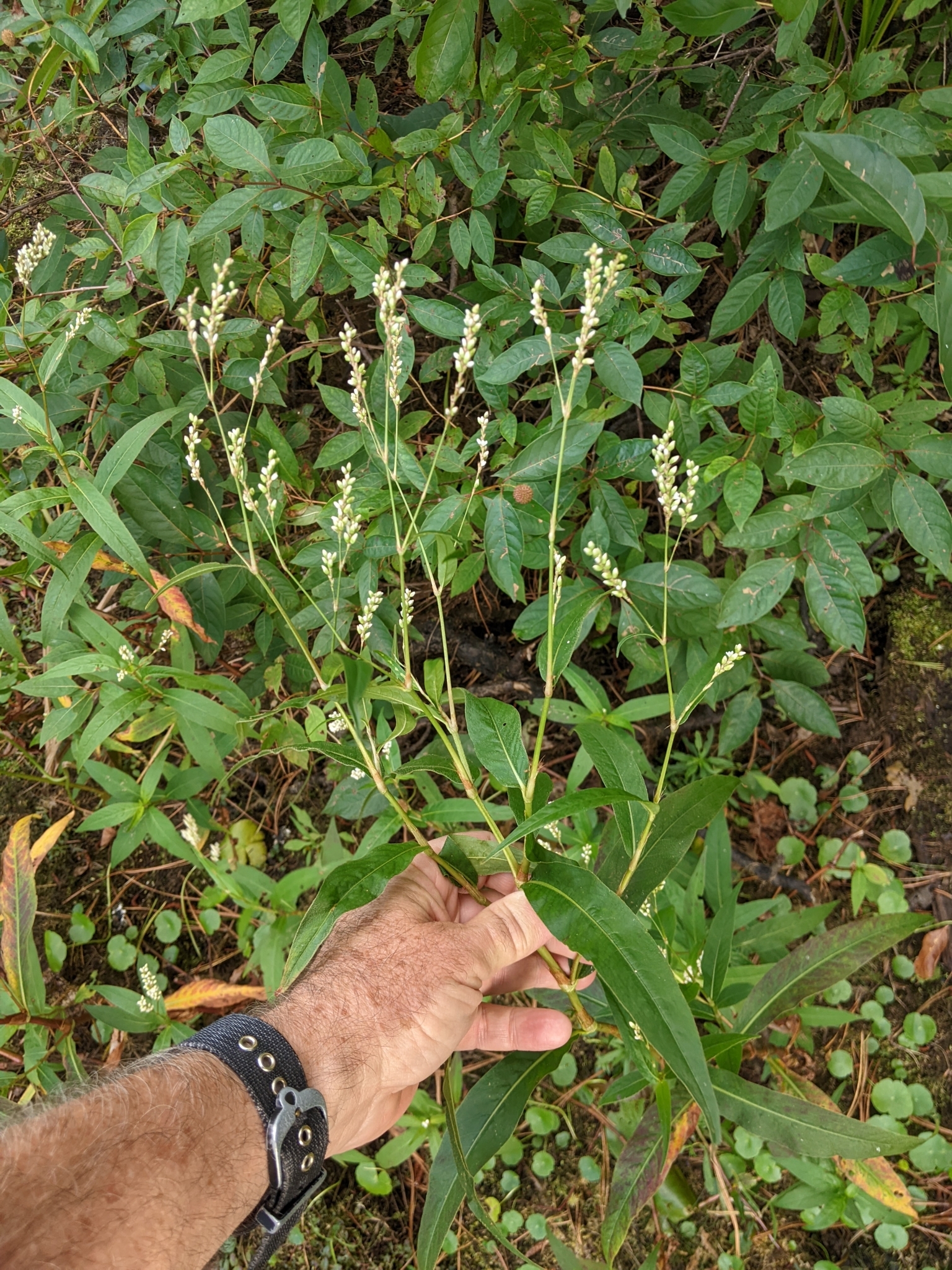

Photo 234168042, (c) Robert Wernerehl, some rights reserved (CC BY-NC-SA), uploaded by Robert Wernerehl
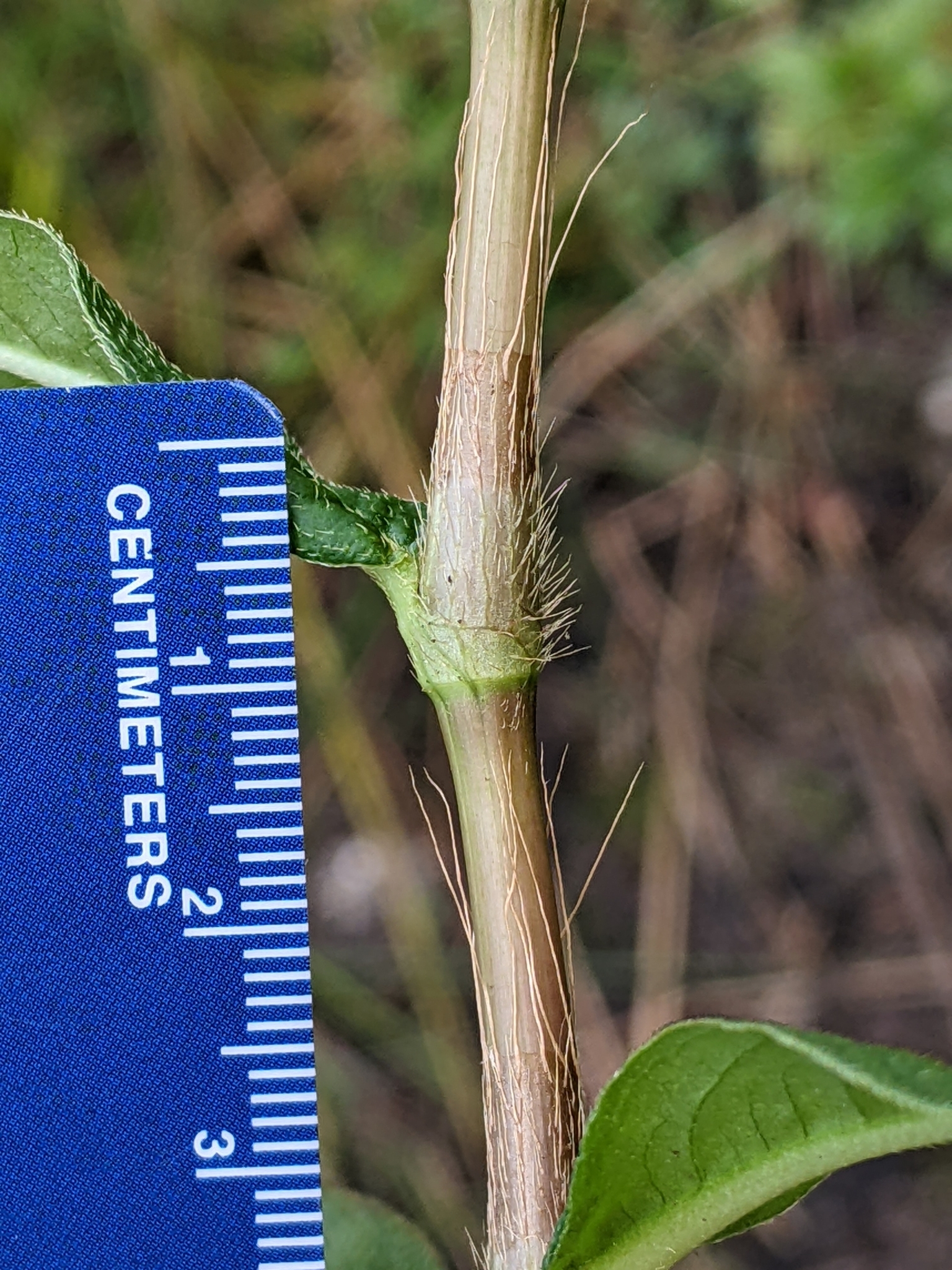

Photo 234168066, (c) Robert Wernerehl, some rights reserved (CC BY-NC-SA), uploaded by Robert Wernerehl
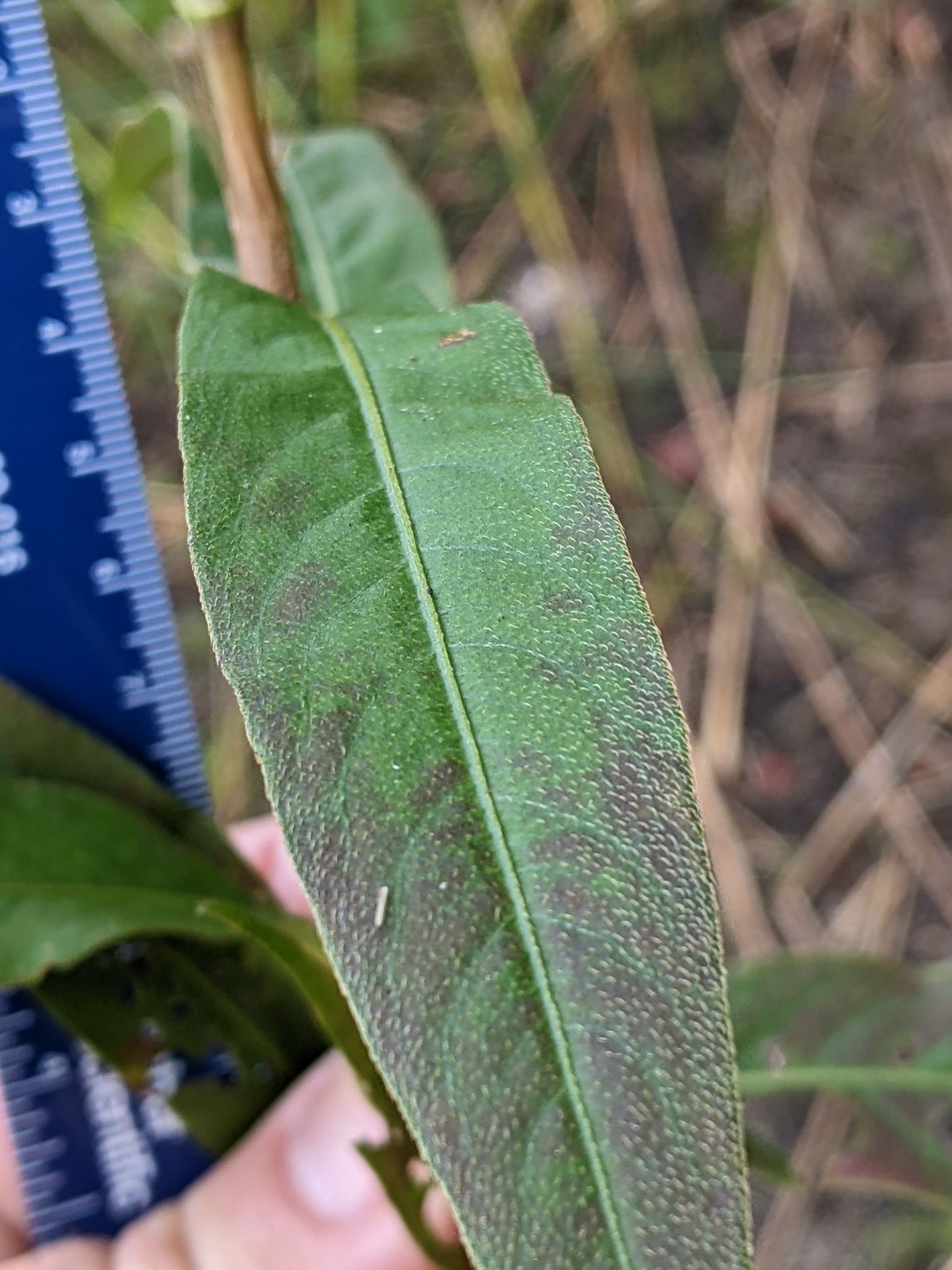

Photo 234168142, (c) Robert Wernerehl, some rights reserved (CC BY-NC-SA), uploaded by Robert Wernerehl
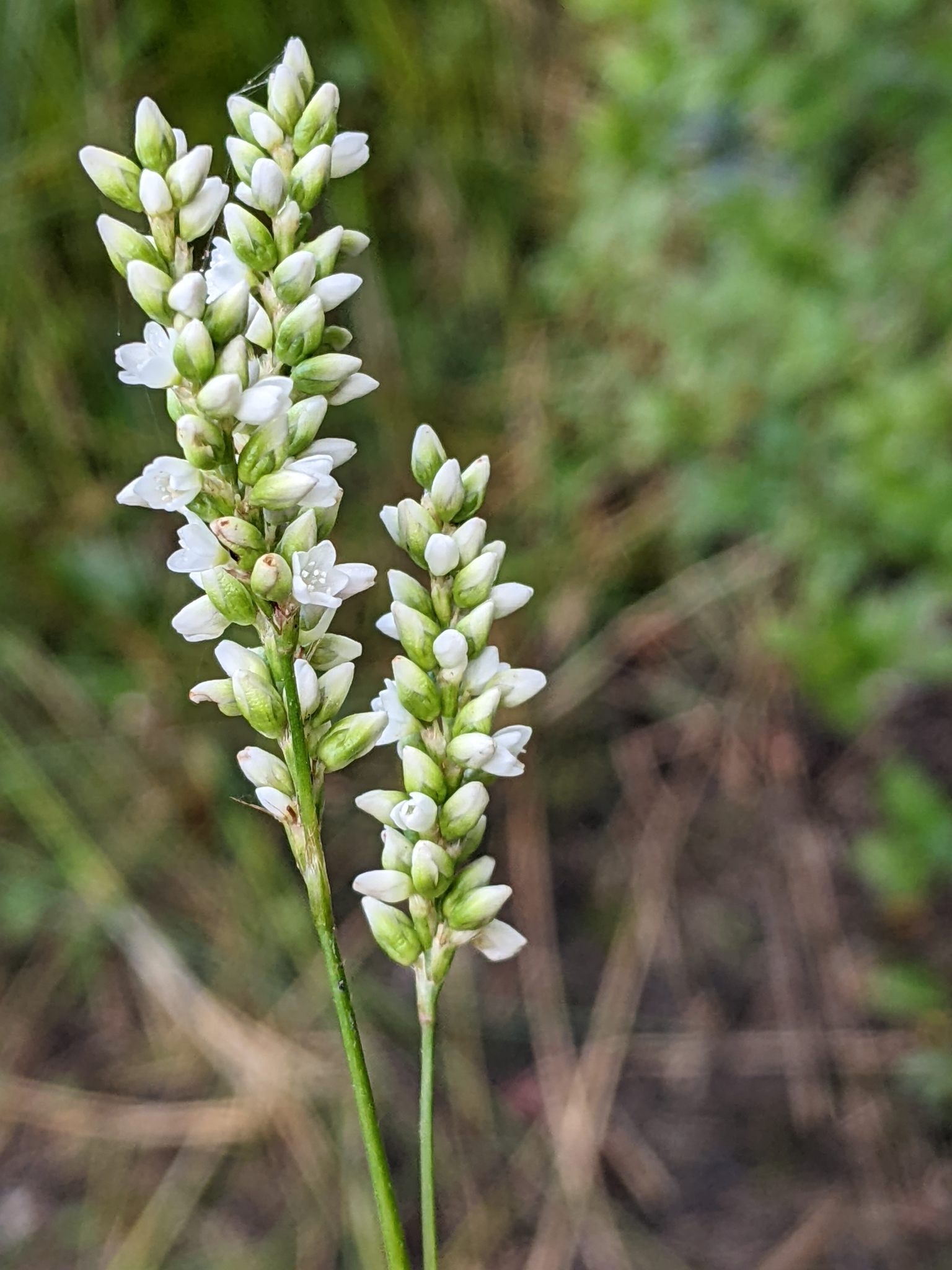

Photo 234168198, (c) Robert Wernerehl, some rights reserved (CC BY-NC-SA), uploaded by Robert Wernerehl
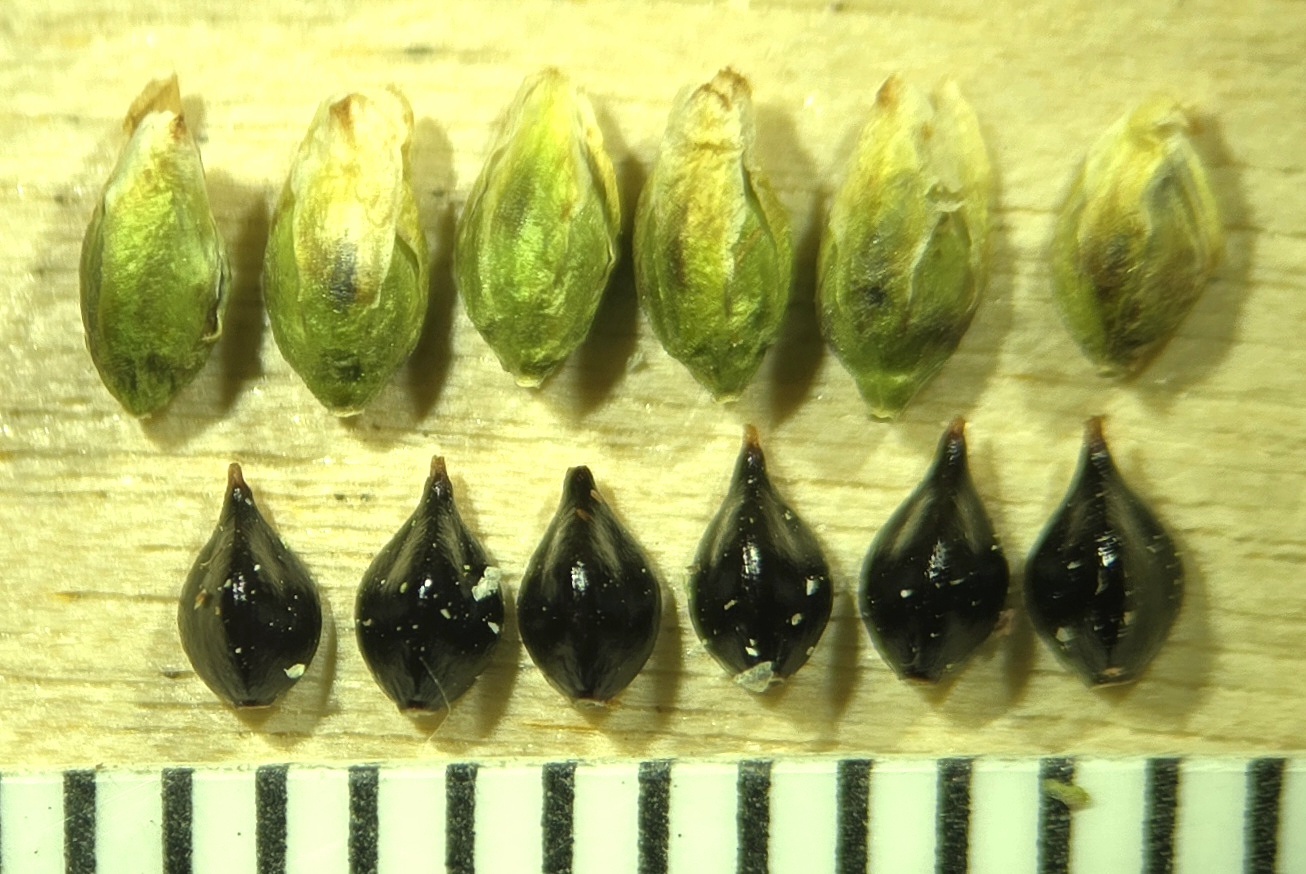

Photo 585809038, no rights reserved, uploaded by Daniel Atha


Persicaria glabra (Willd.) M. Gómez

Dense-Flowered Smartweed

Perennial herbs.

North and South America, Caribbean, India, Indochinese Peninsula, China, Taiwan, Africa; primarily in the subtropics. Click here for range map

American plants are sometimes segregated as Persicaria densiflora. Specimens from Vietnam named as Persicaria glabra appear conspecific.
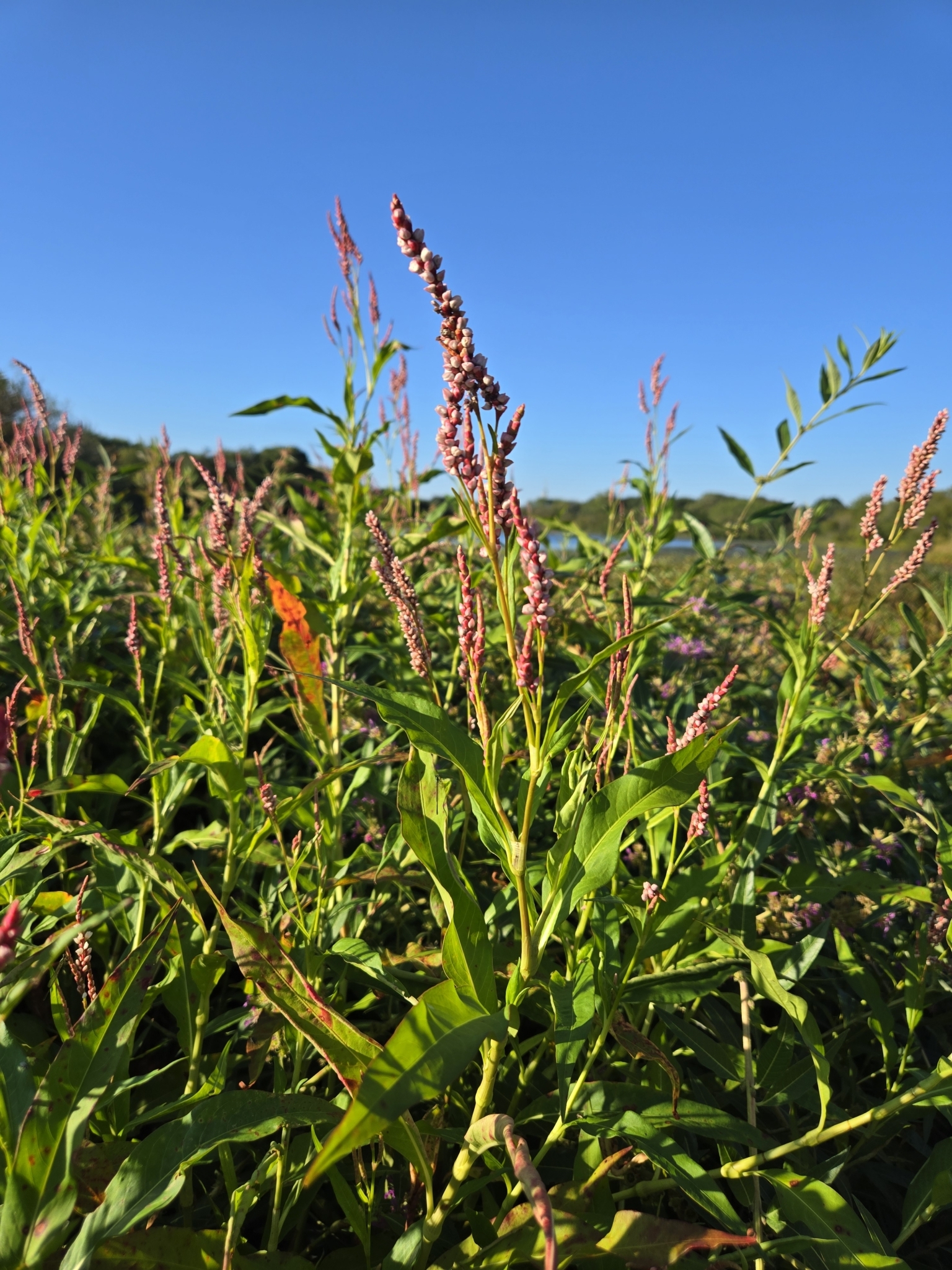
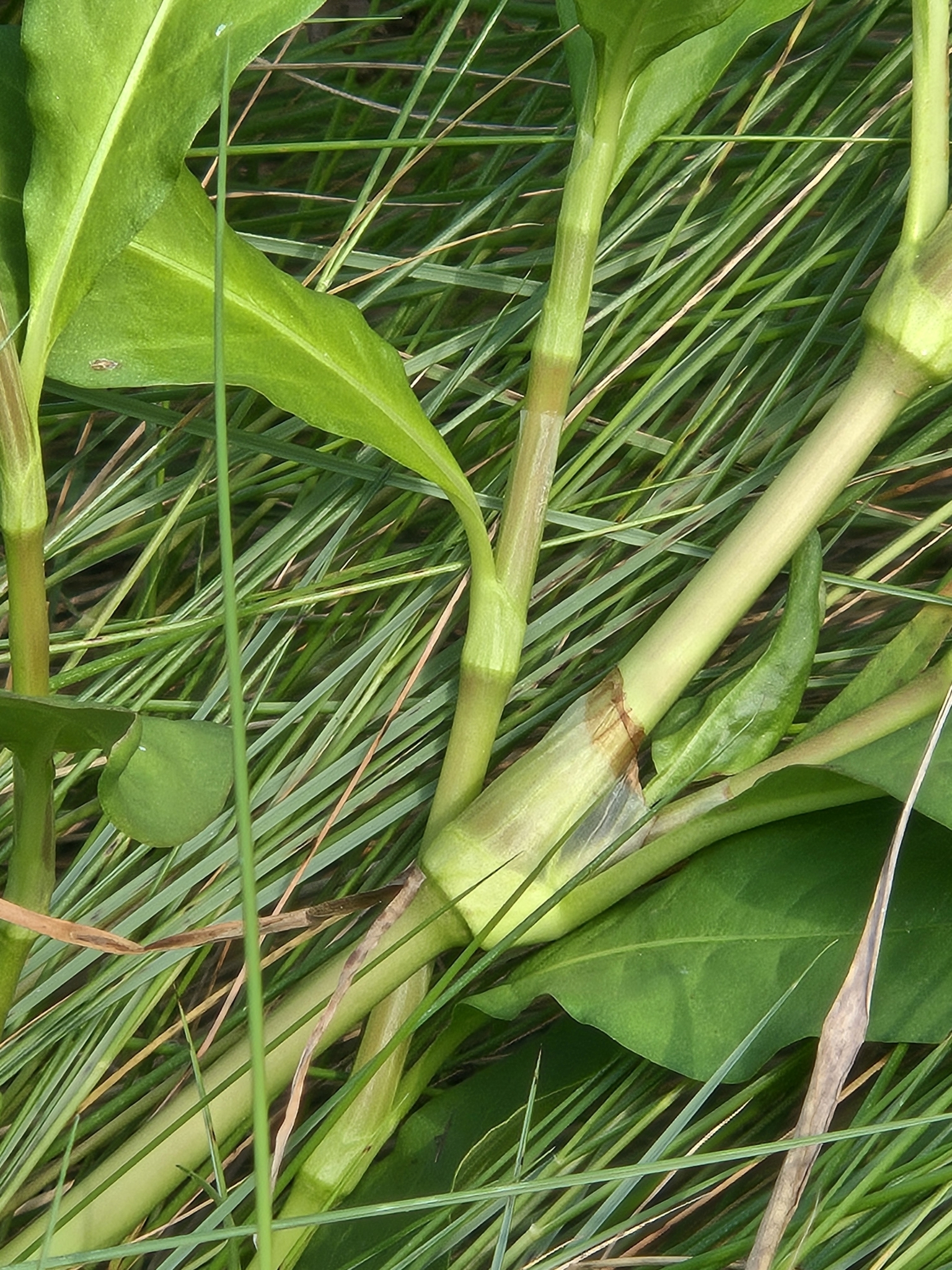
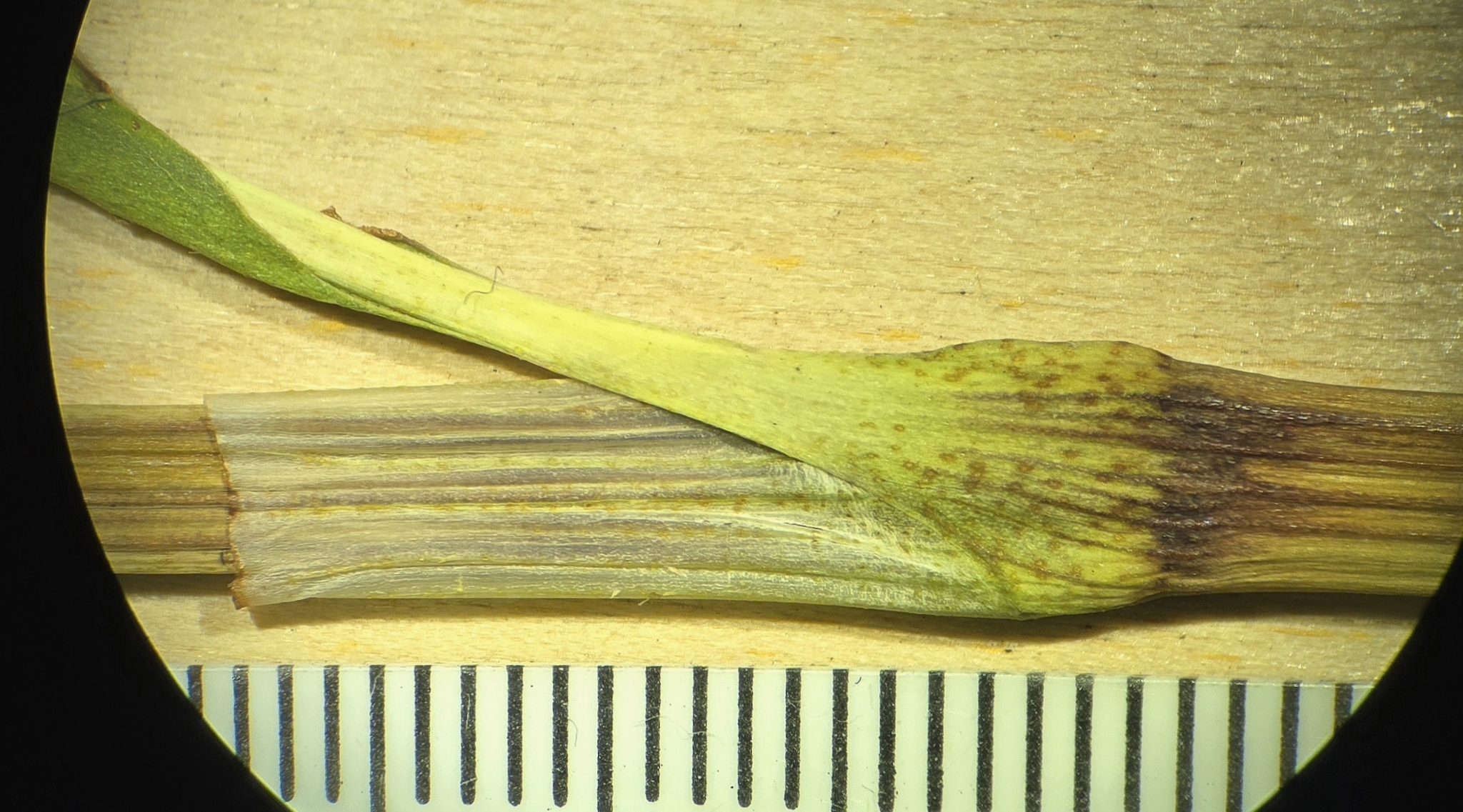
Photo 574750773, no rights reserved, uploaded by Daniel Atha
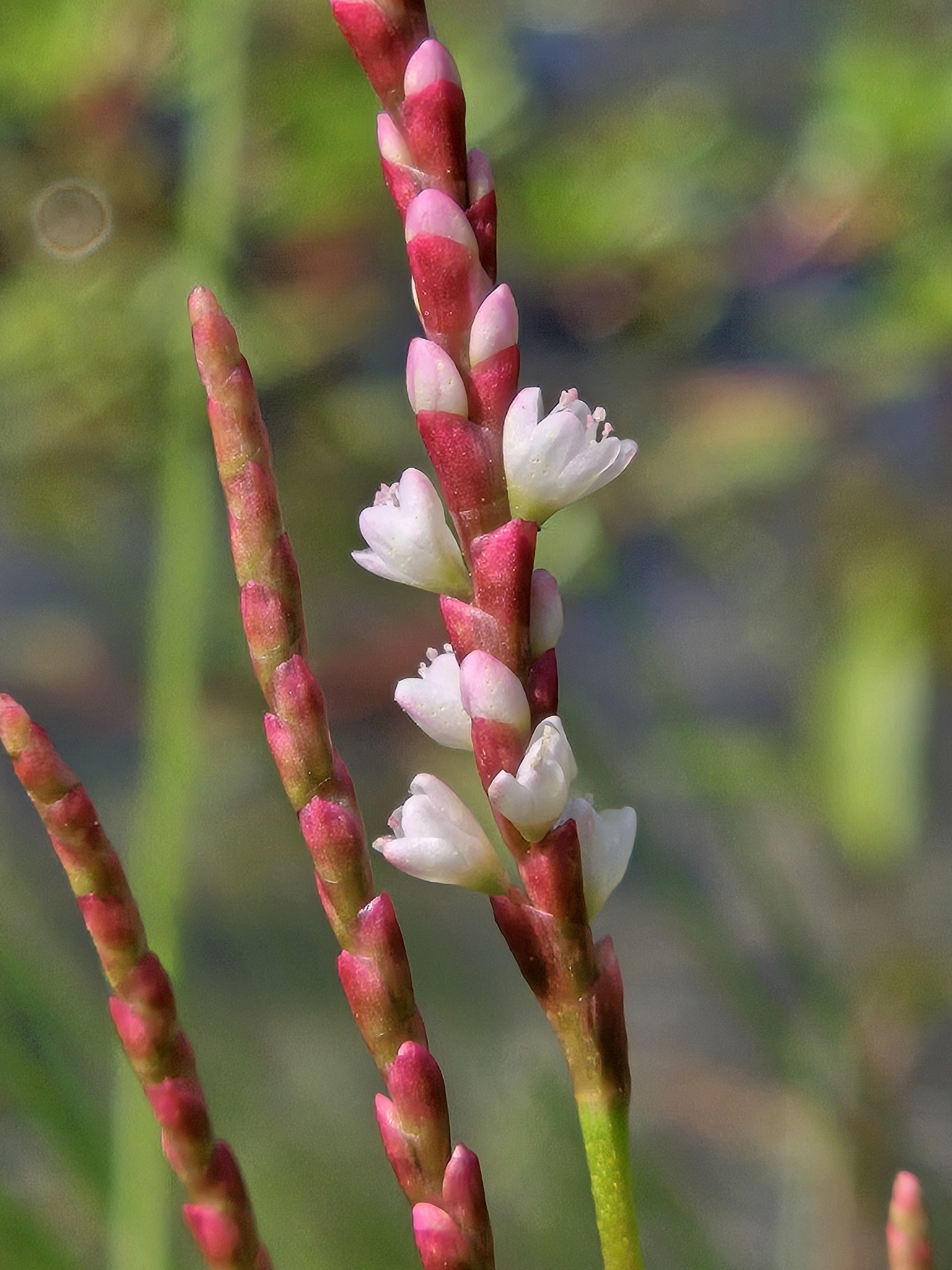

Photo 574750750, no rights reserved, uploaded by Daniel Atha
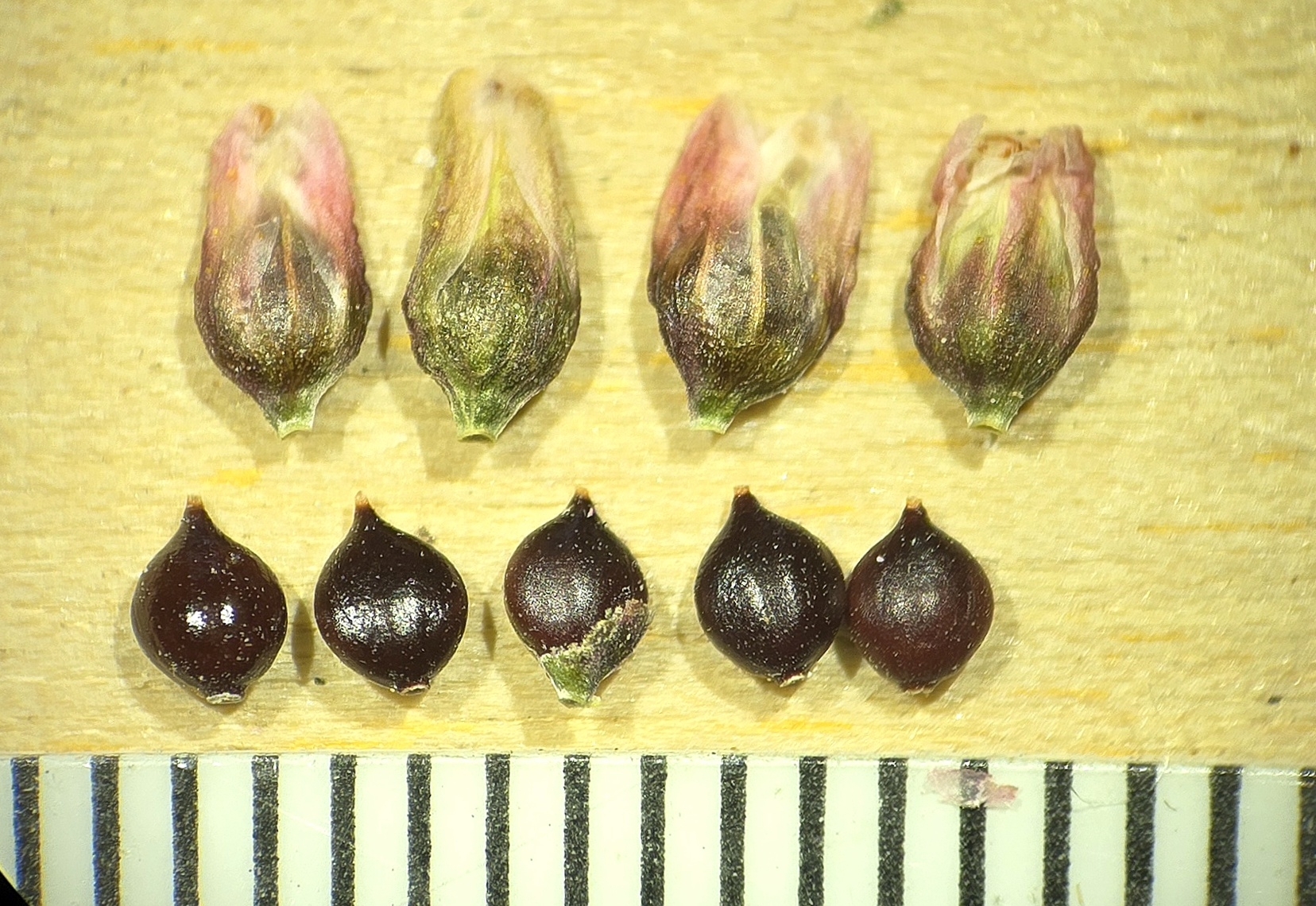

Persicaria robustior (Small) E.P. Bicknell

Stout Smartweed

Perennial herbs to 1.5 m tall, from rhizomes.

North America.

Perennial rhizomes are often necessary to positively identify this species. Like Persicaria punctata it is very acrid to the taste, but even stronger.
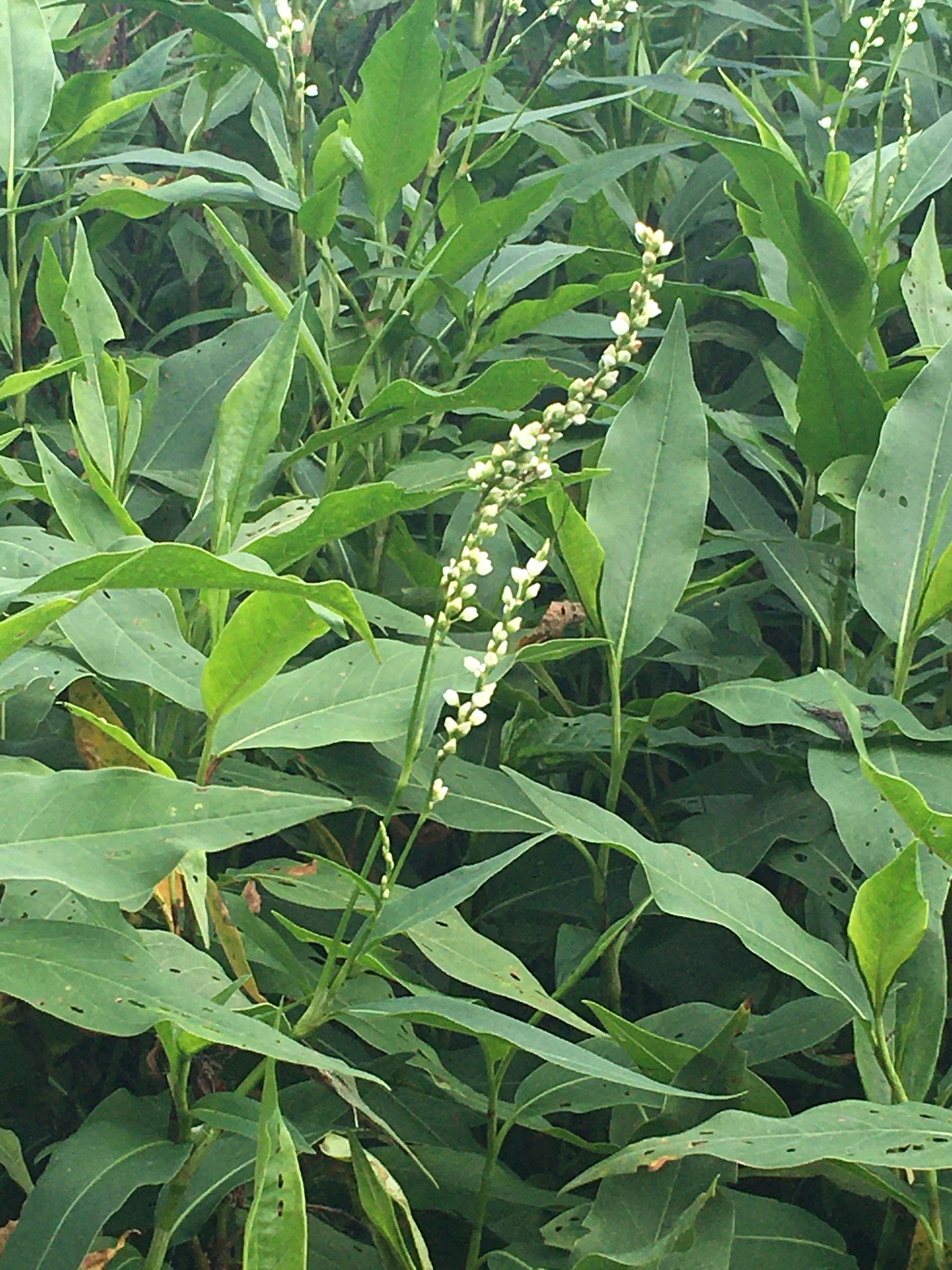

Photo 152331384, no rights reserved, uploaded by Bonnie Isaac
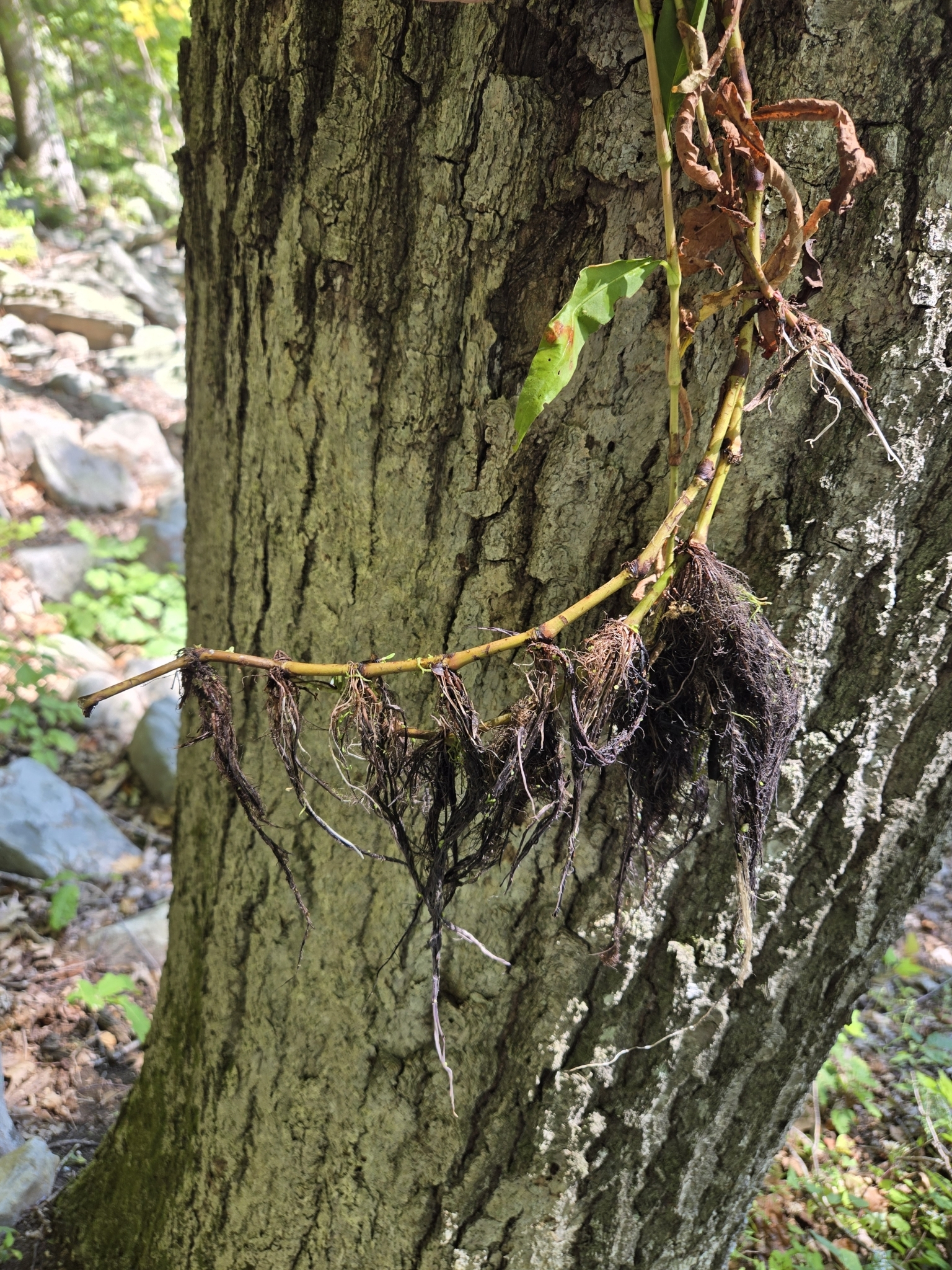

Photo 562034417, no rights reserved, uploaded by Daniel Atha
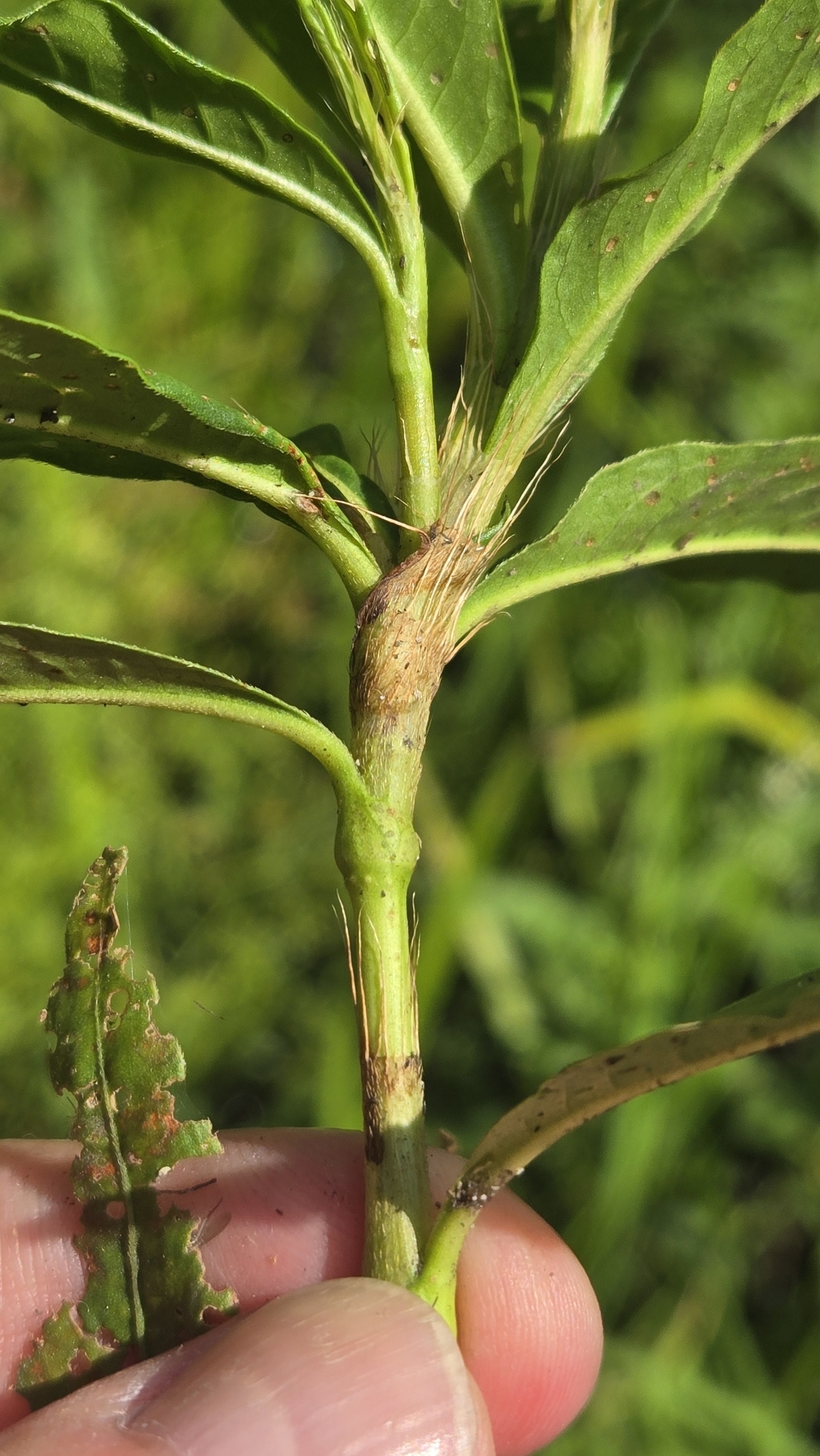


Persicaria punctata (Elliott) Small

Dotted Smartweed

Annual herbs to 1 m tall, from taproots; achenes lustrous.

North, Central and South America, possibly introduced elsewhere. Click here for range map.


Photo 561457374, no rights reserved, uploaded by Daniel Atha
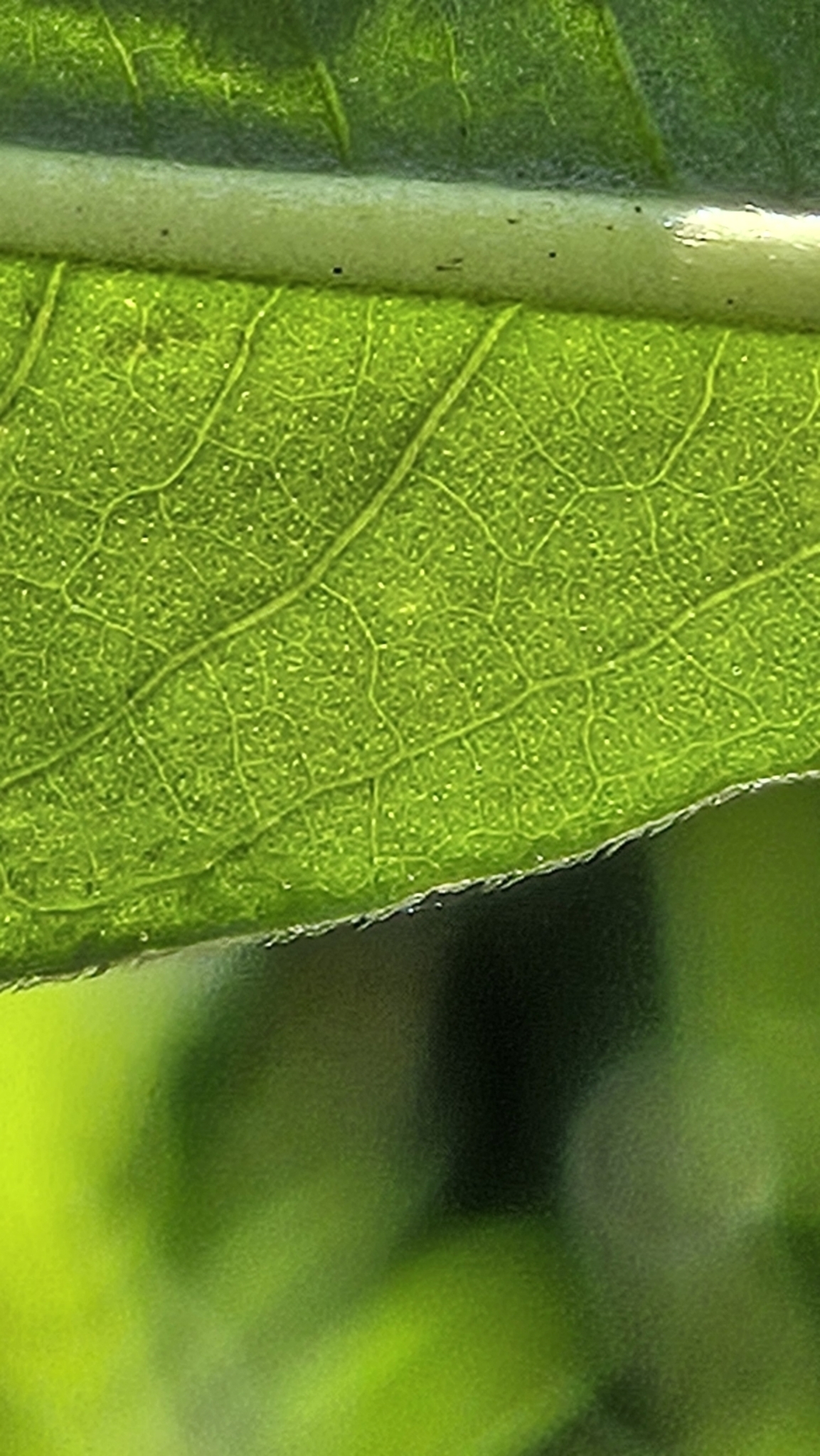

Photo 430173042, no rights reserved, uploaded by Daniel Atha
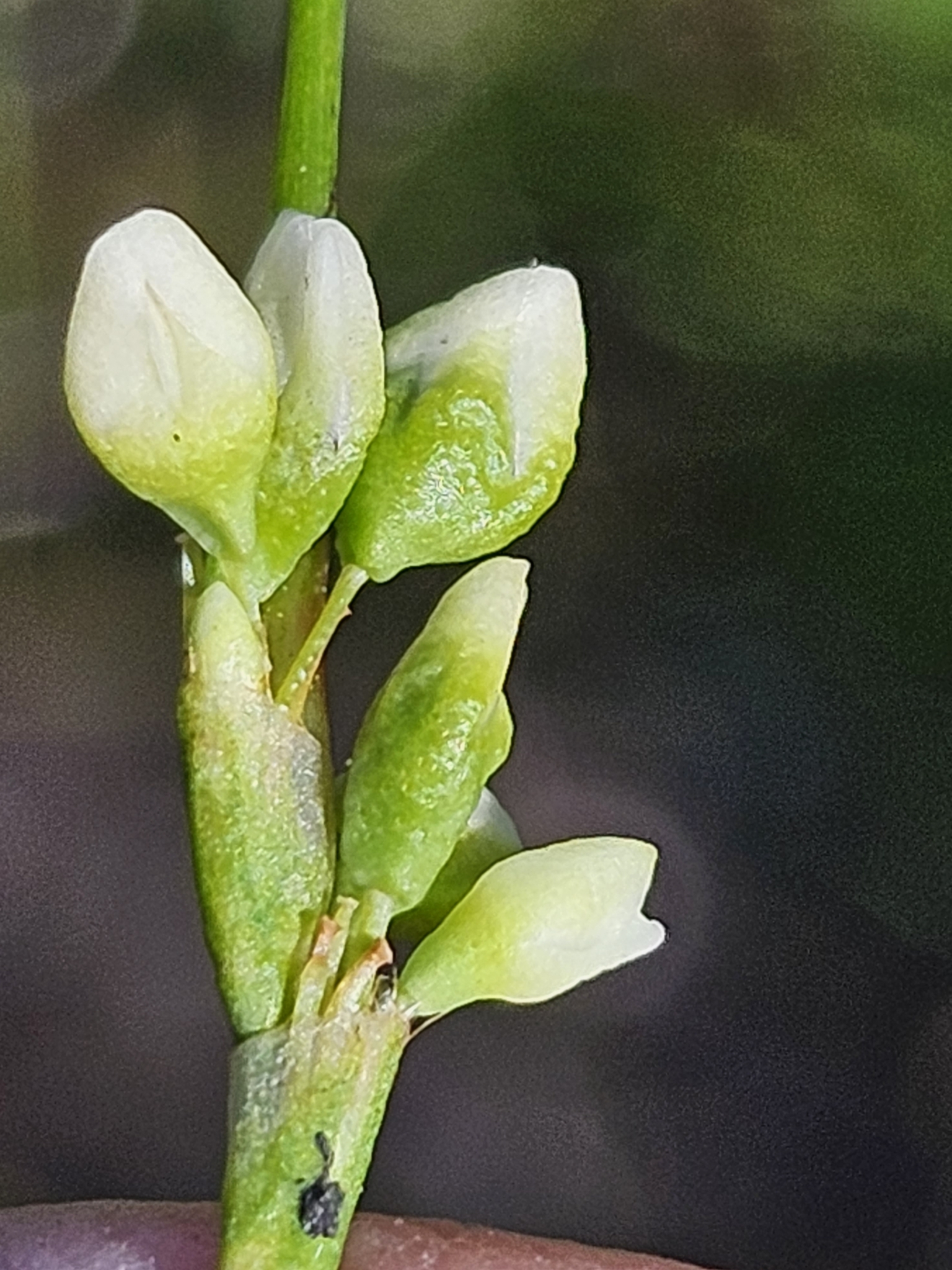

Photo 558292072, no rights reserved, uploaded by Daniel Atha
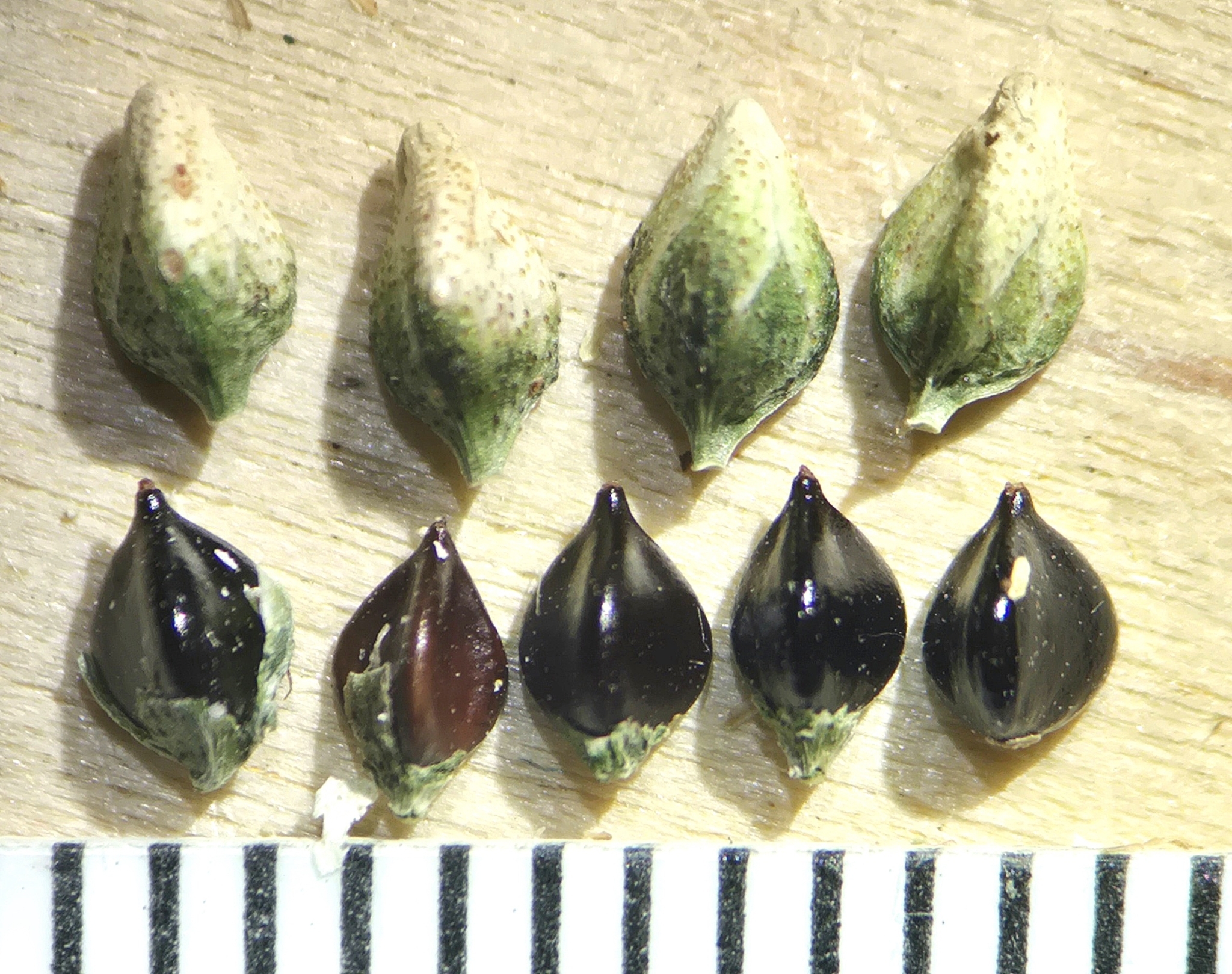

Photo 560145554, no rights reserved, uploaded by Daniel Atha
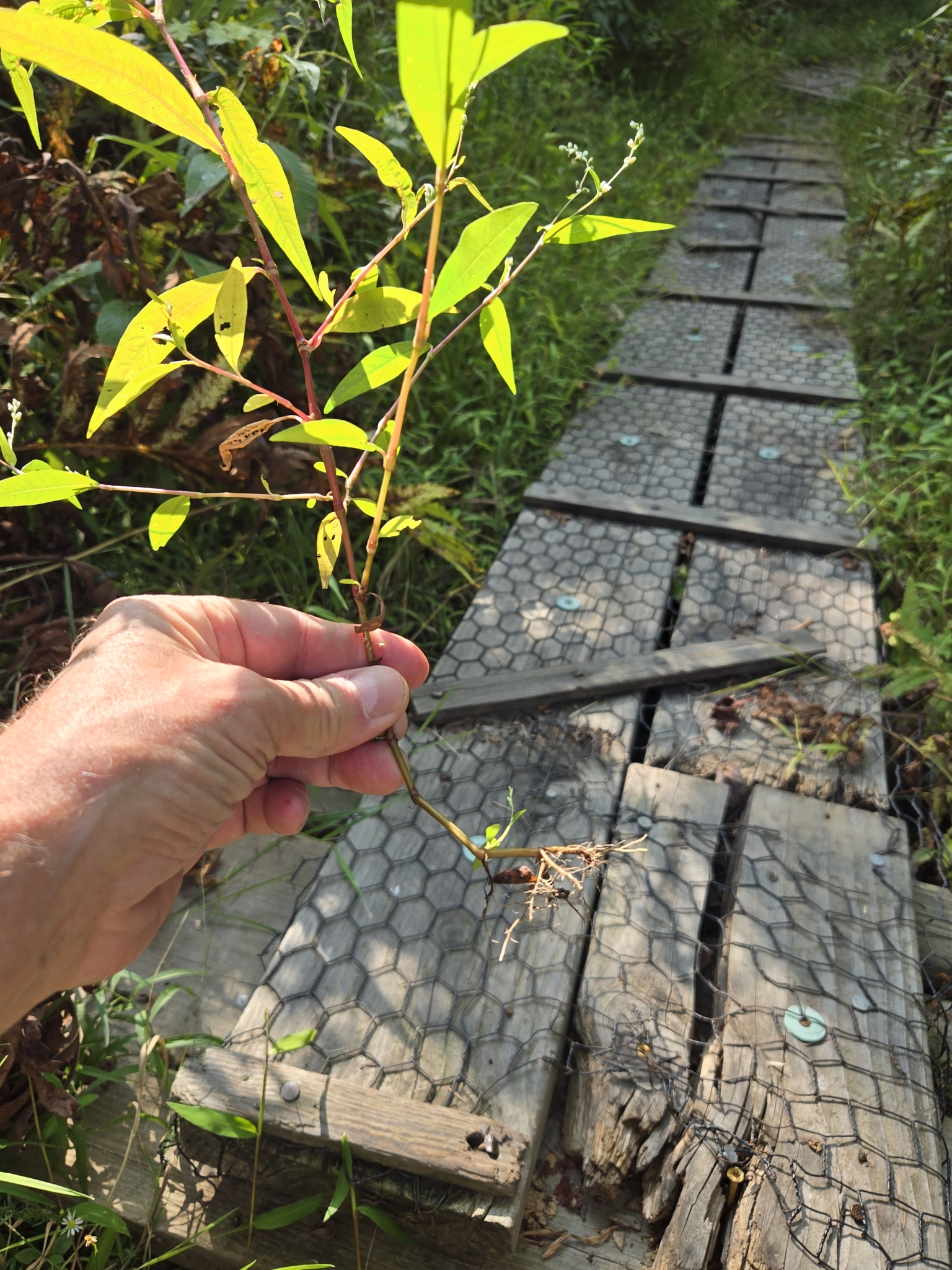

Photo 560145583, no rights reserved, uploaded by Daniel Atha
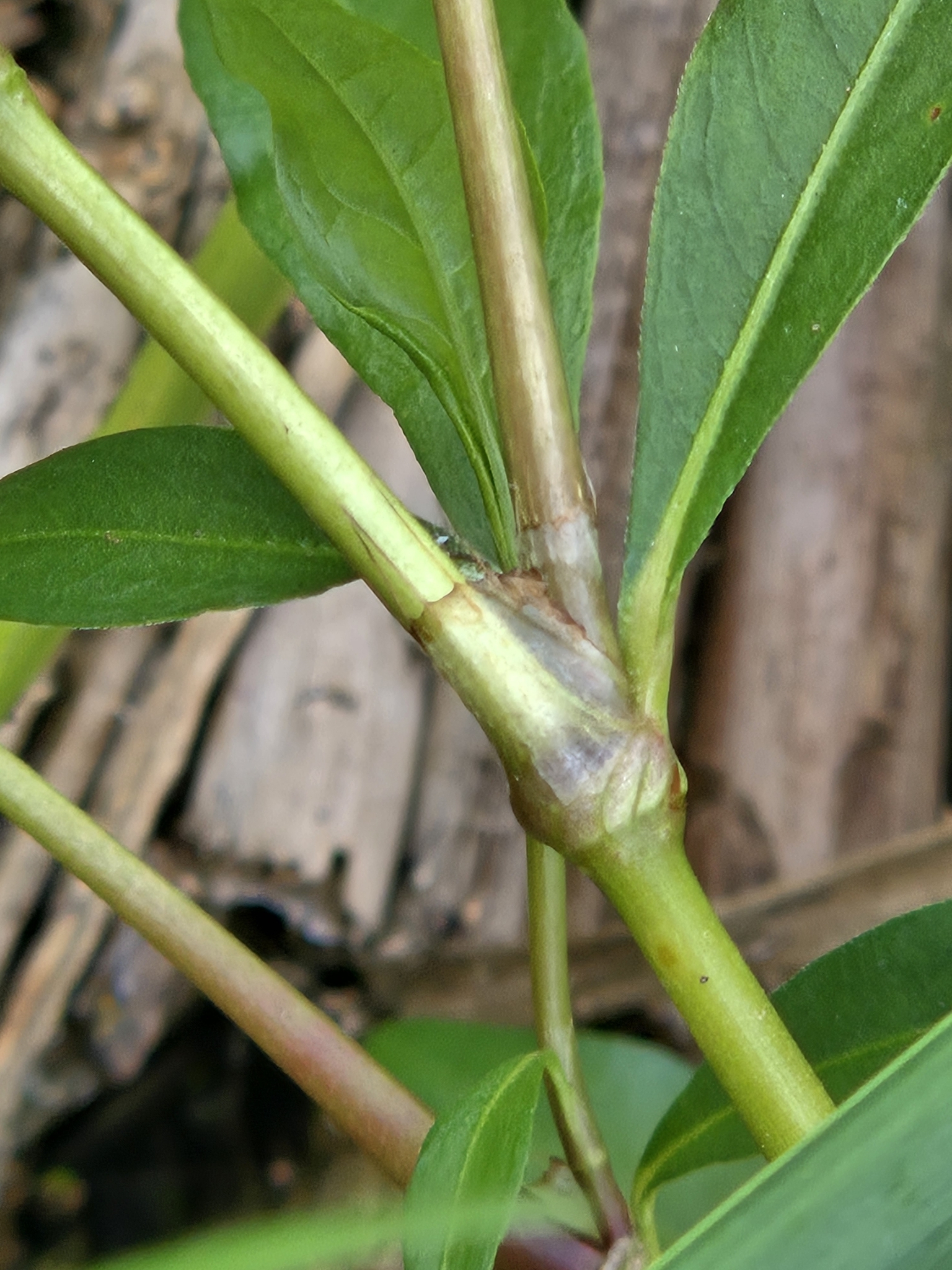

Photo 561454742, no rights reserved, uploaded by Daniel Atha
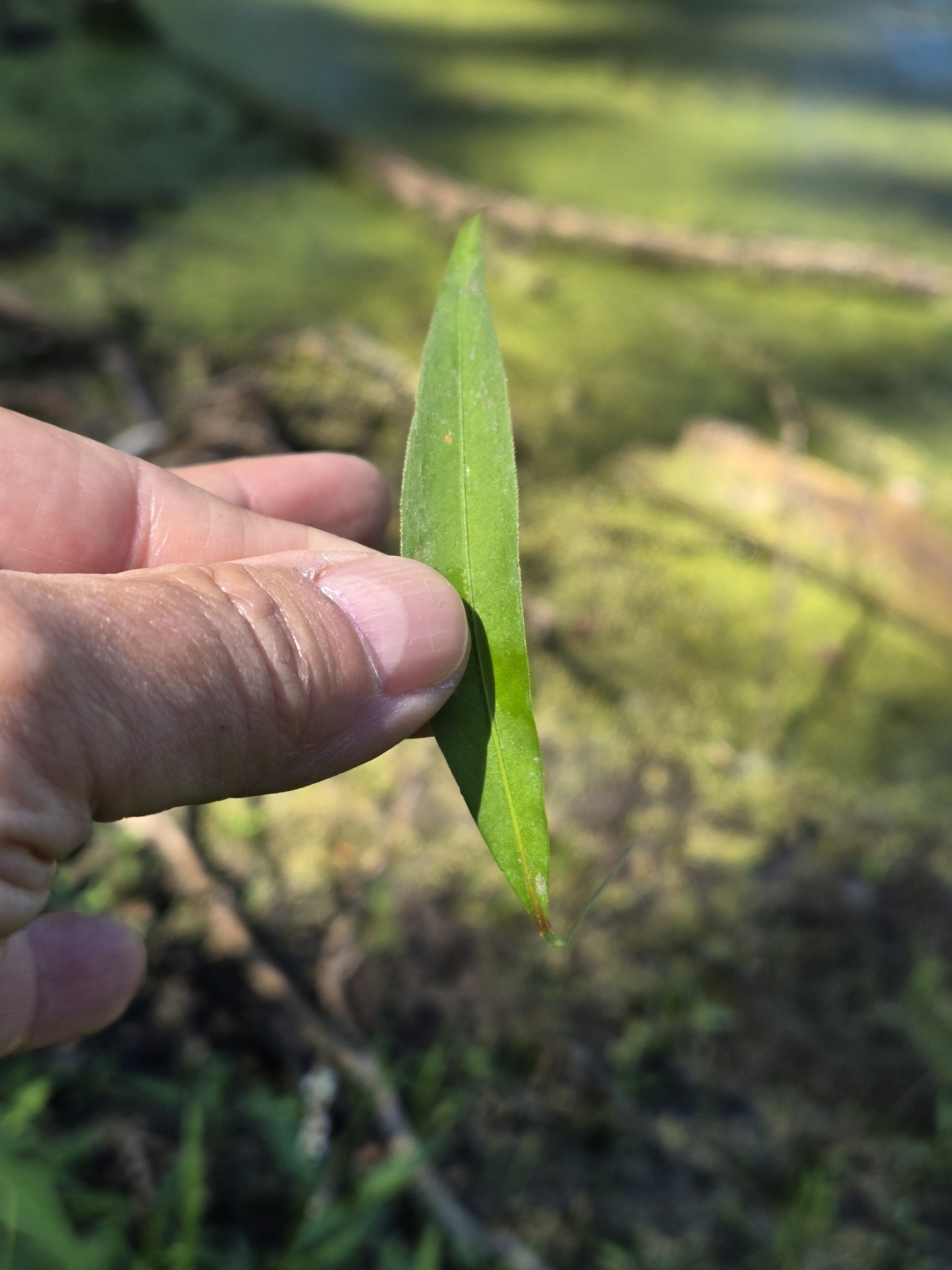

Photo 583004945, no rights reserved, uploaded by Daniel Atha
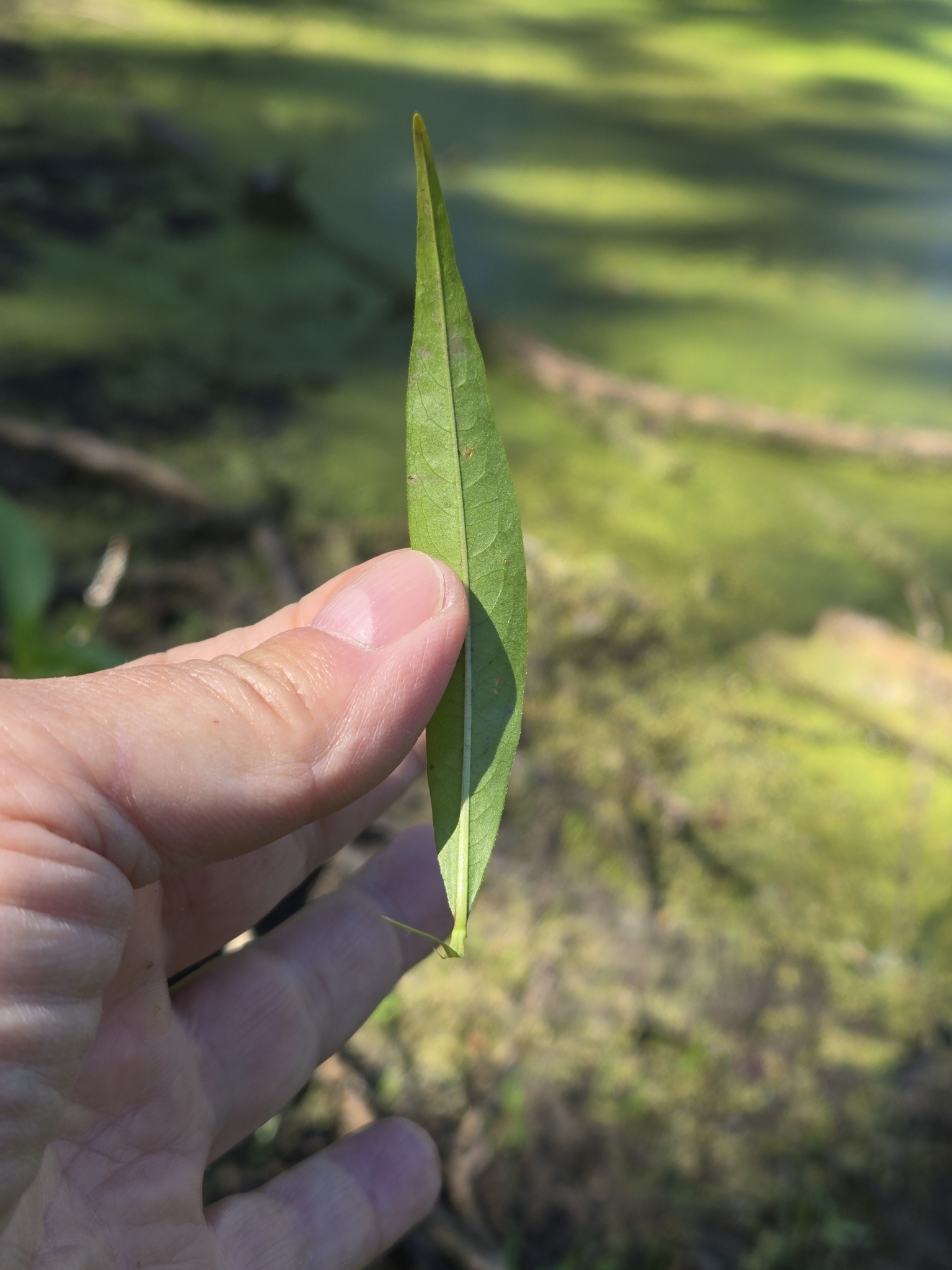

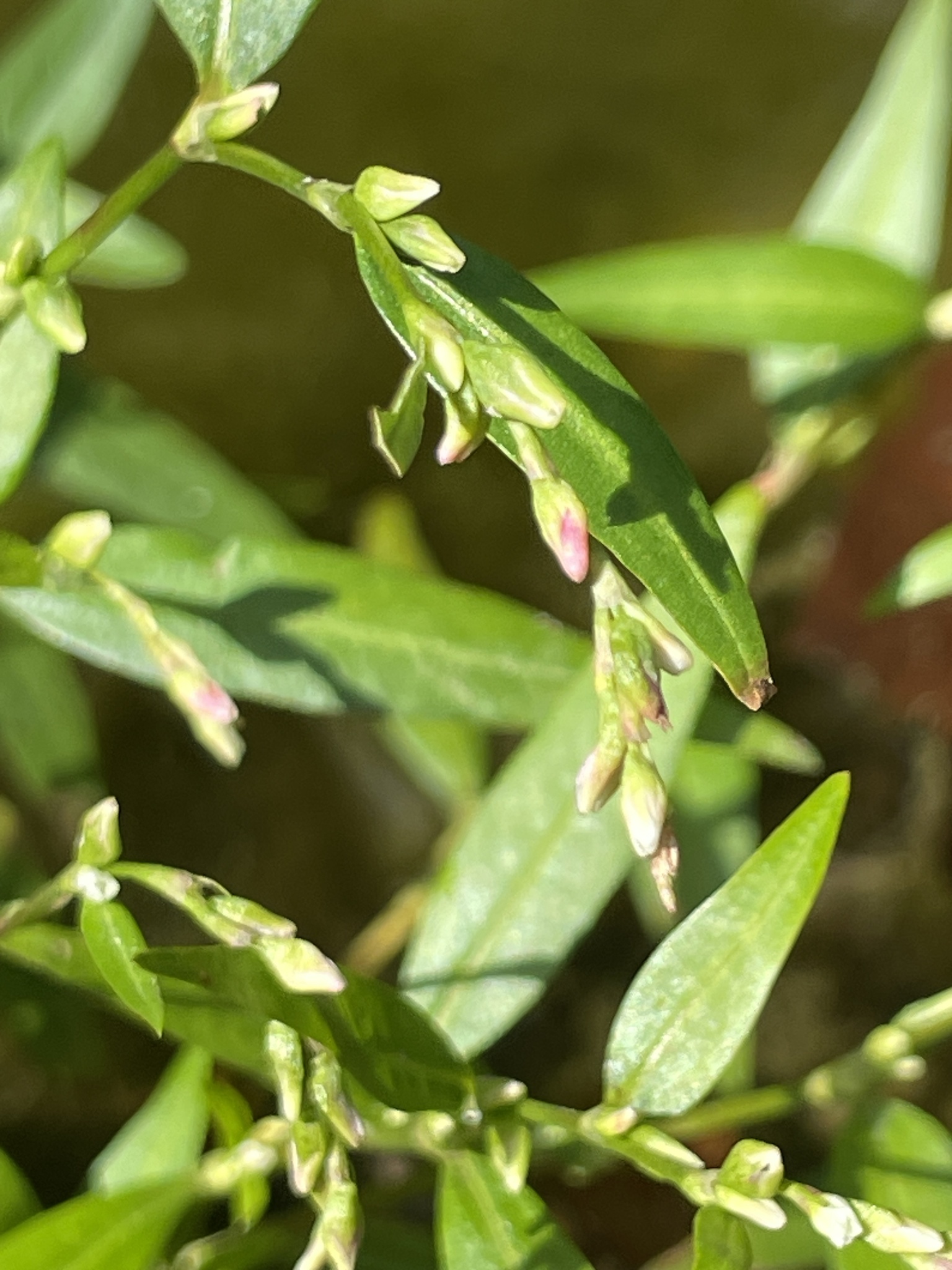
Persicaria hydropiper (L.) Delarbre

Waterpepper

Annual herbs; achenes dull.


Photo 568734955, no rights reserved, uploaded by Daniel Atha
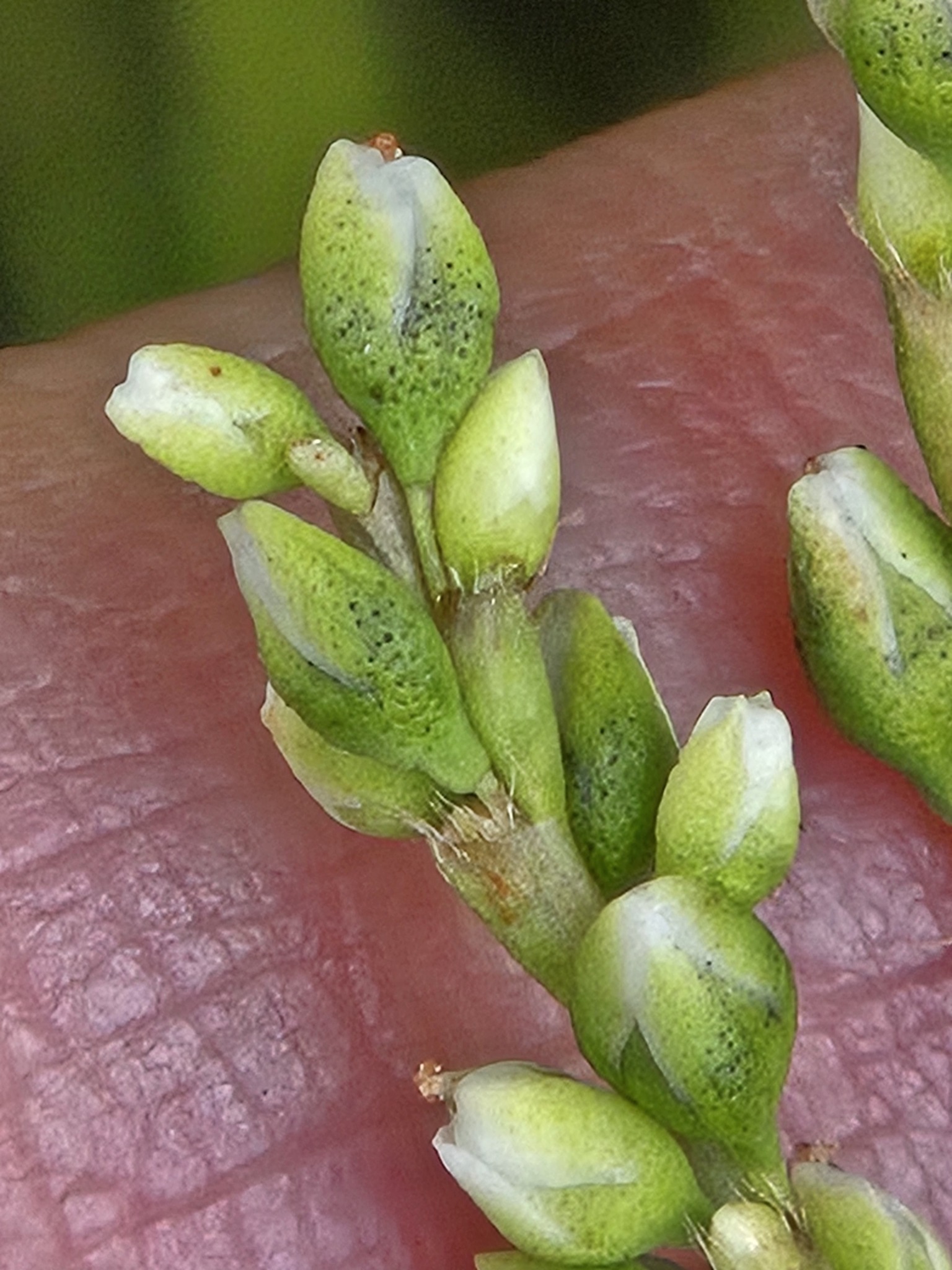

Photo 565379310, no rights reserved, uploaded by Daniel Atha
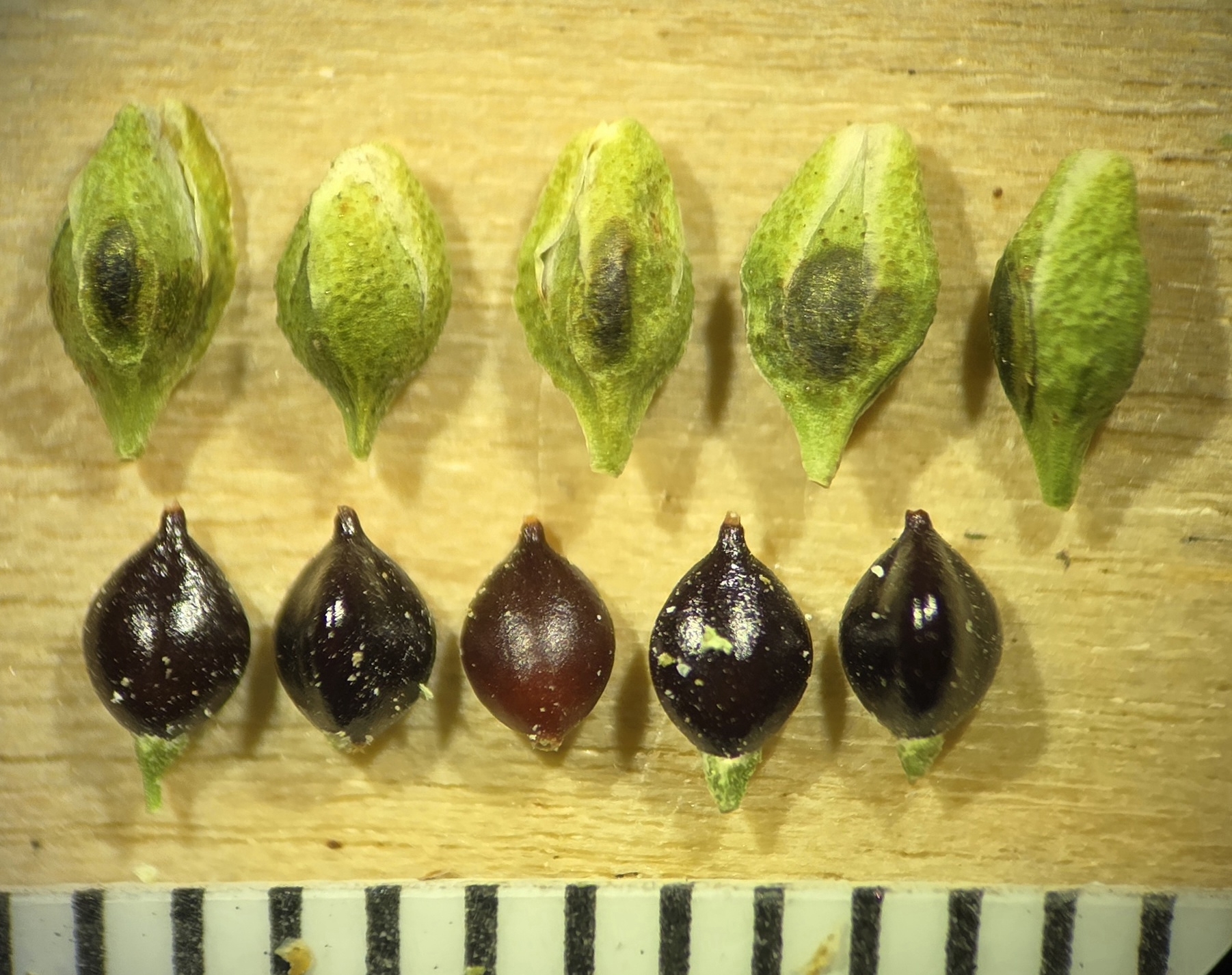

Photo 556773070, no rights reserved, uploaded by Daniel Atha
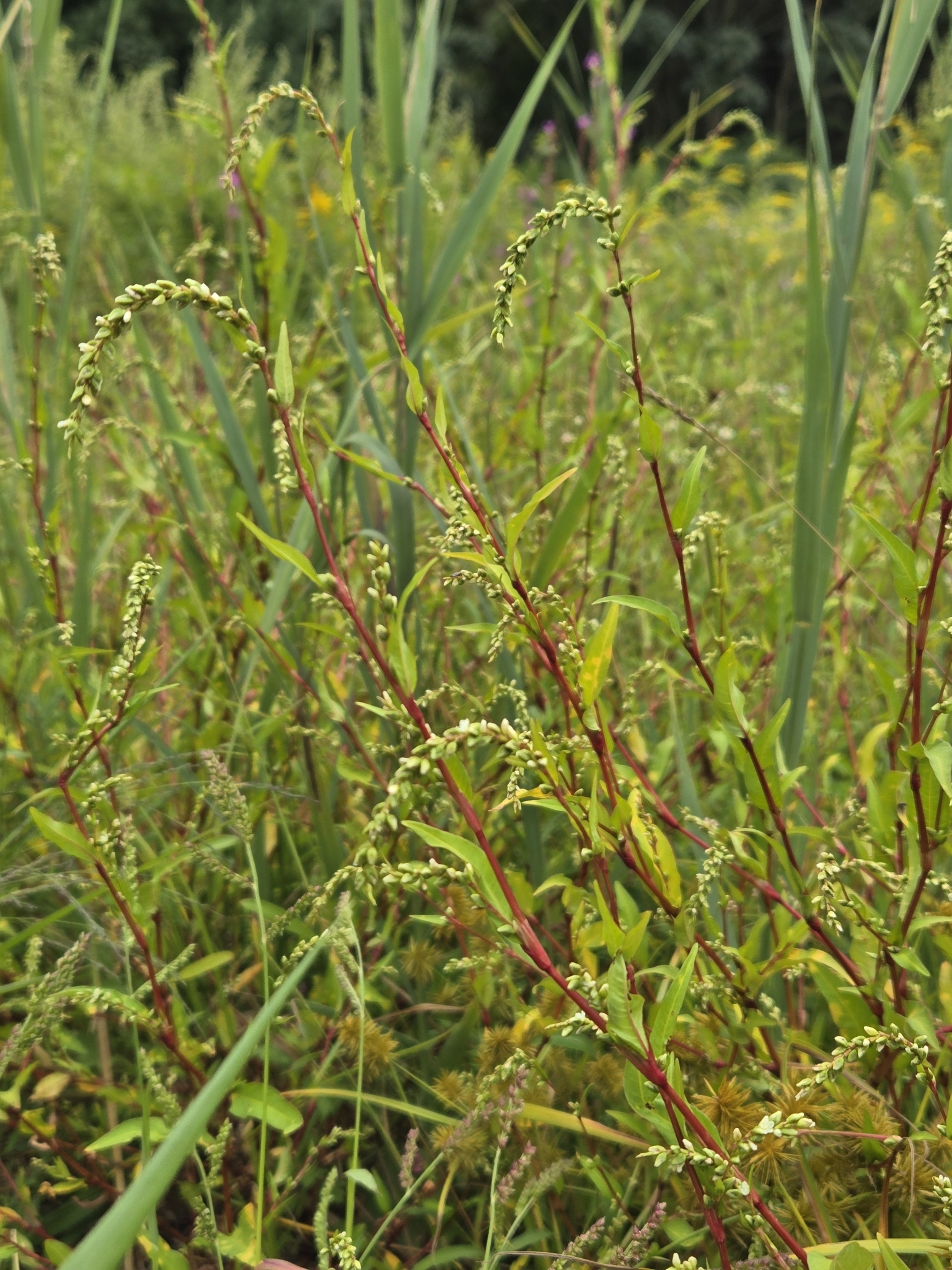

Photo 320959950, no rights reserved, uploaded by Daniel Atha
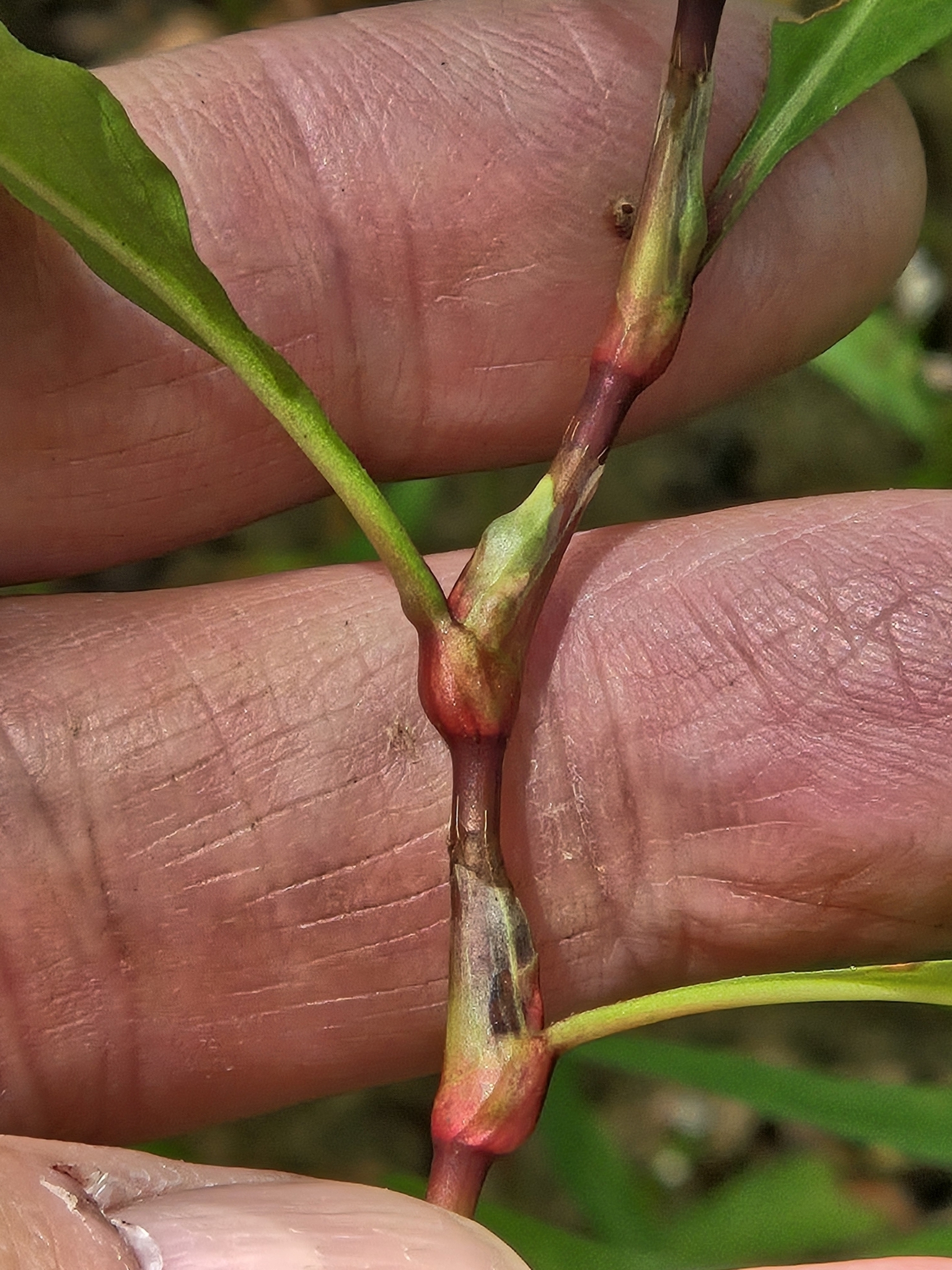

Photo 580173767, no rights reserved, uploaded by Daniel Atha

Persicaria careyi (Olney) Greene

Carey's Smartweed

Annual herbs.


Photo 427783729, no rights reserved, uploaded by Daniel Atha
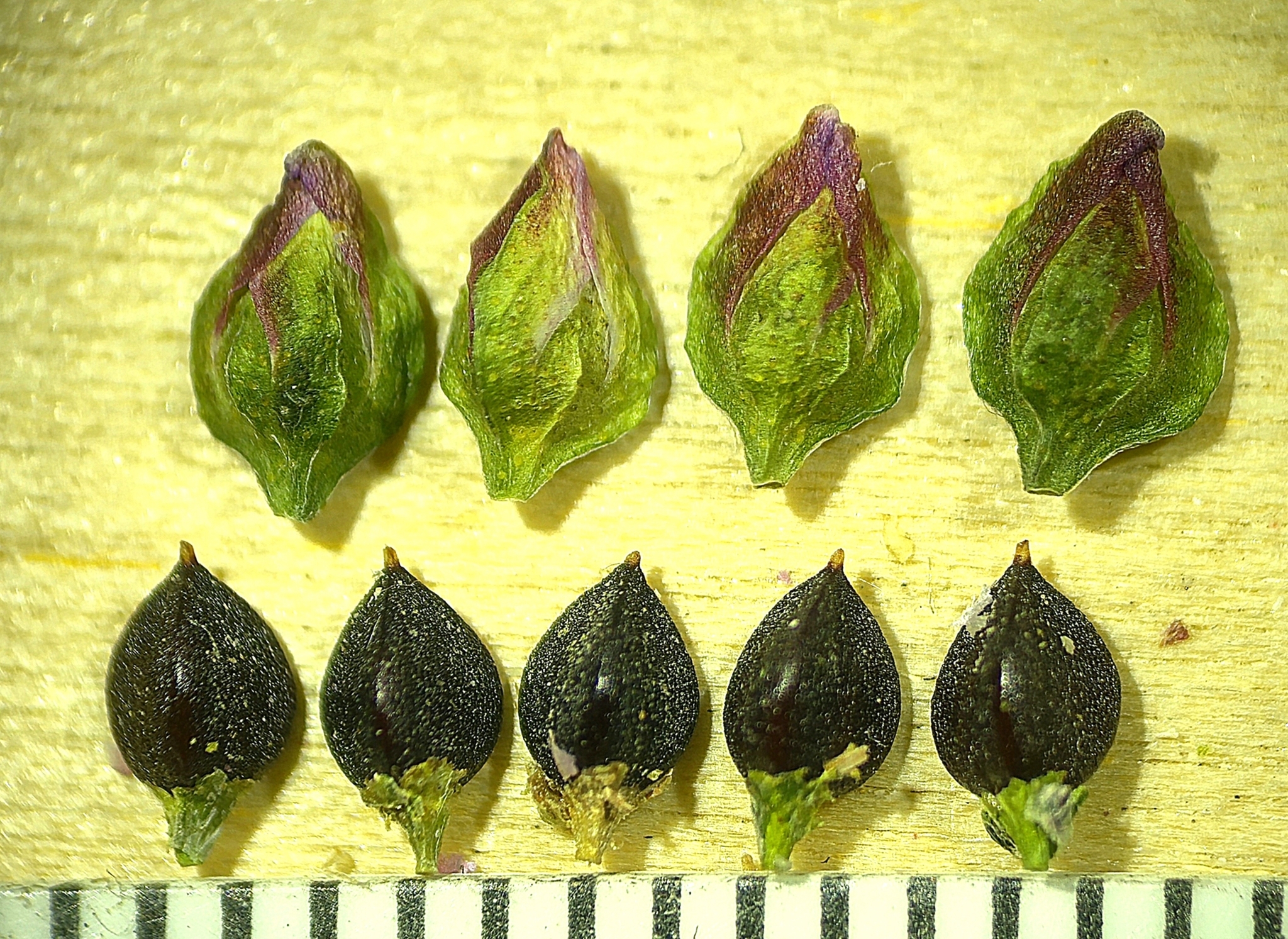

Photo 427783548, no rights reserved, uploaded by Daniel Atha
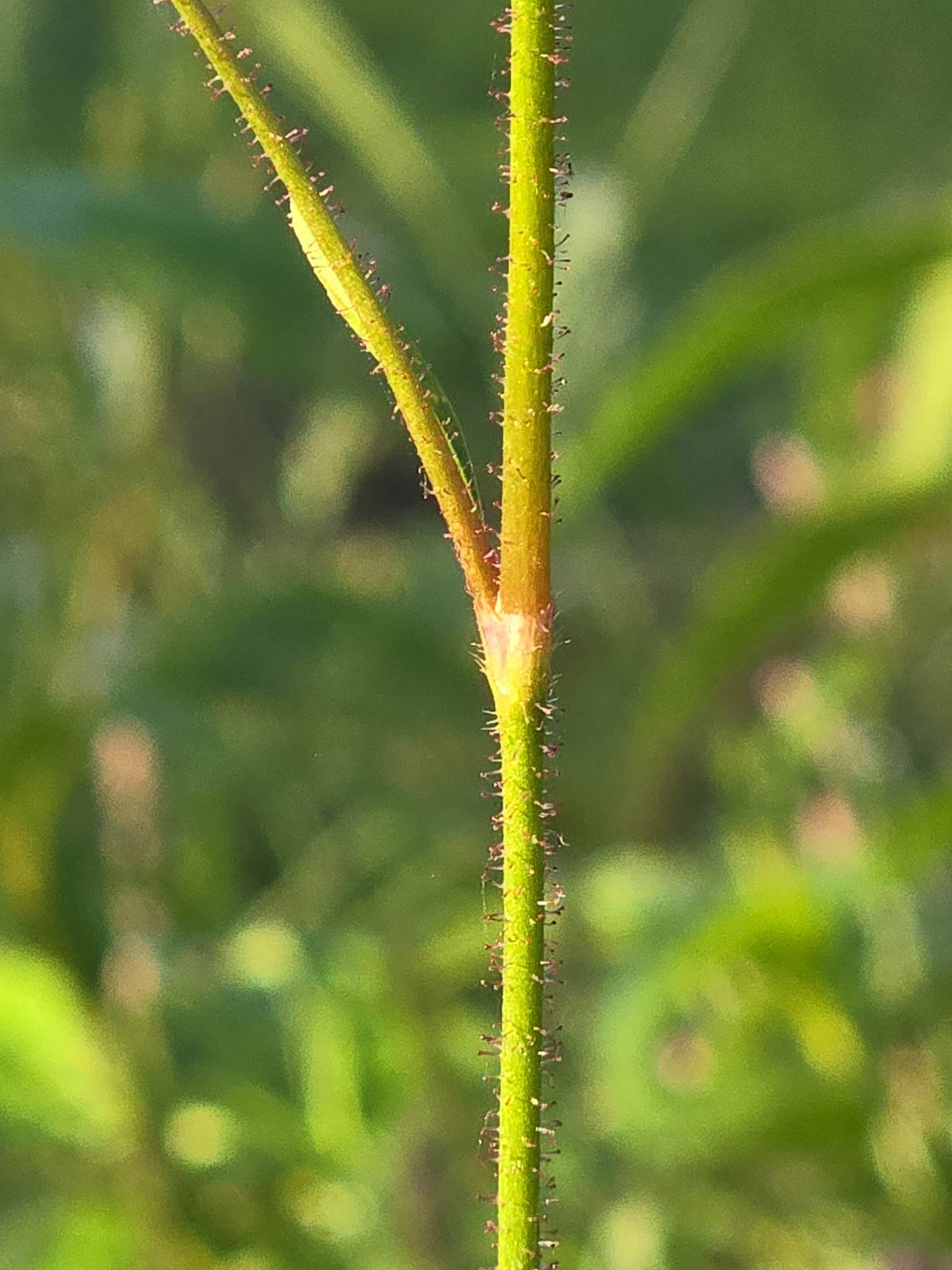

Photo 427782961, no rights reserved, uploaded by Daniel Atha
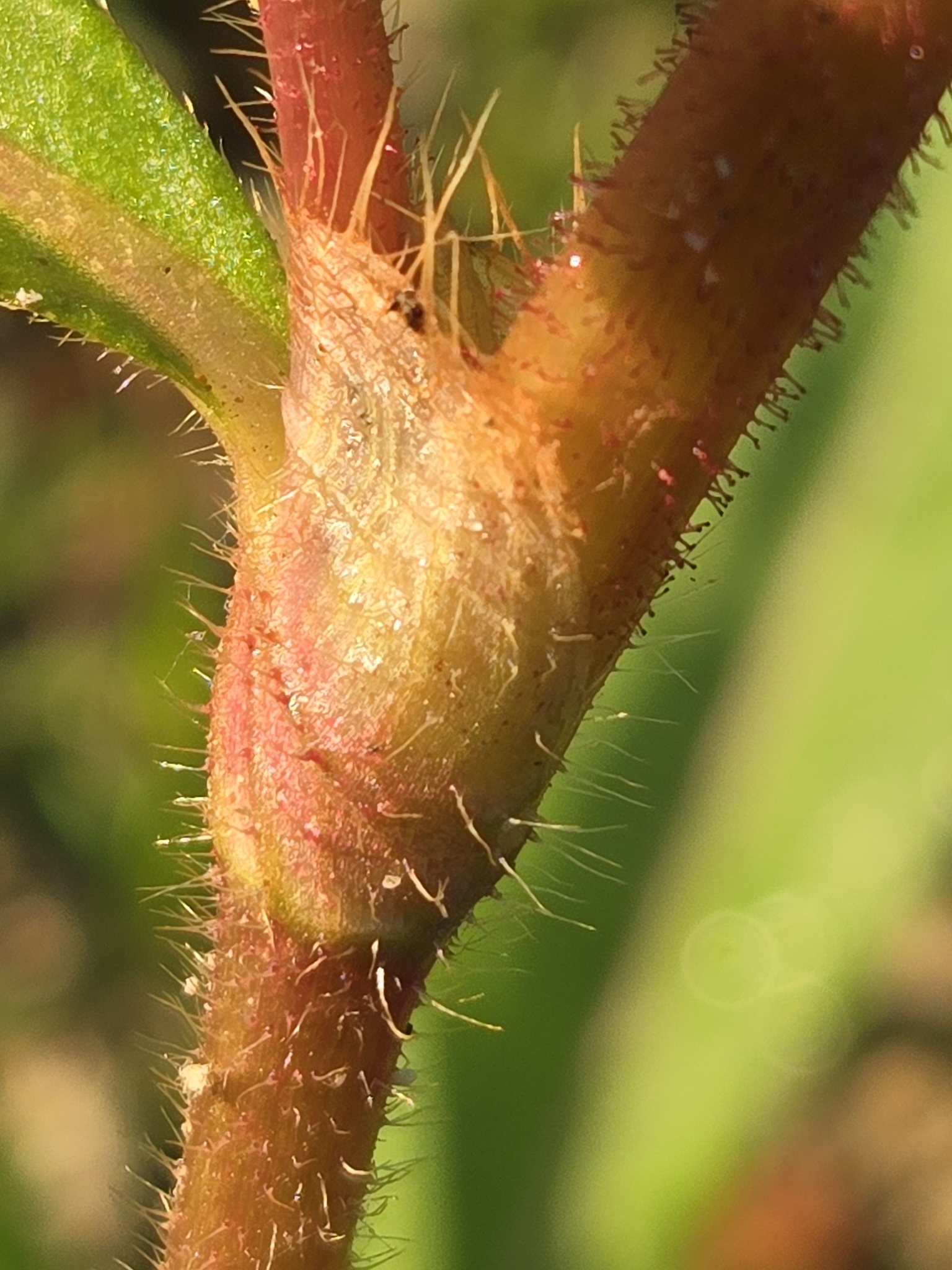

Photo 427783764, no rights reserved, uploaded by Daniel Atha
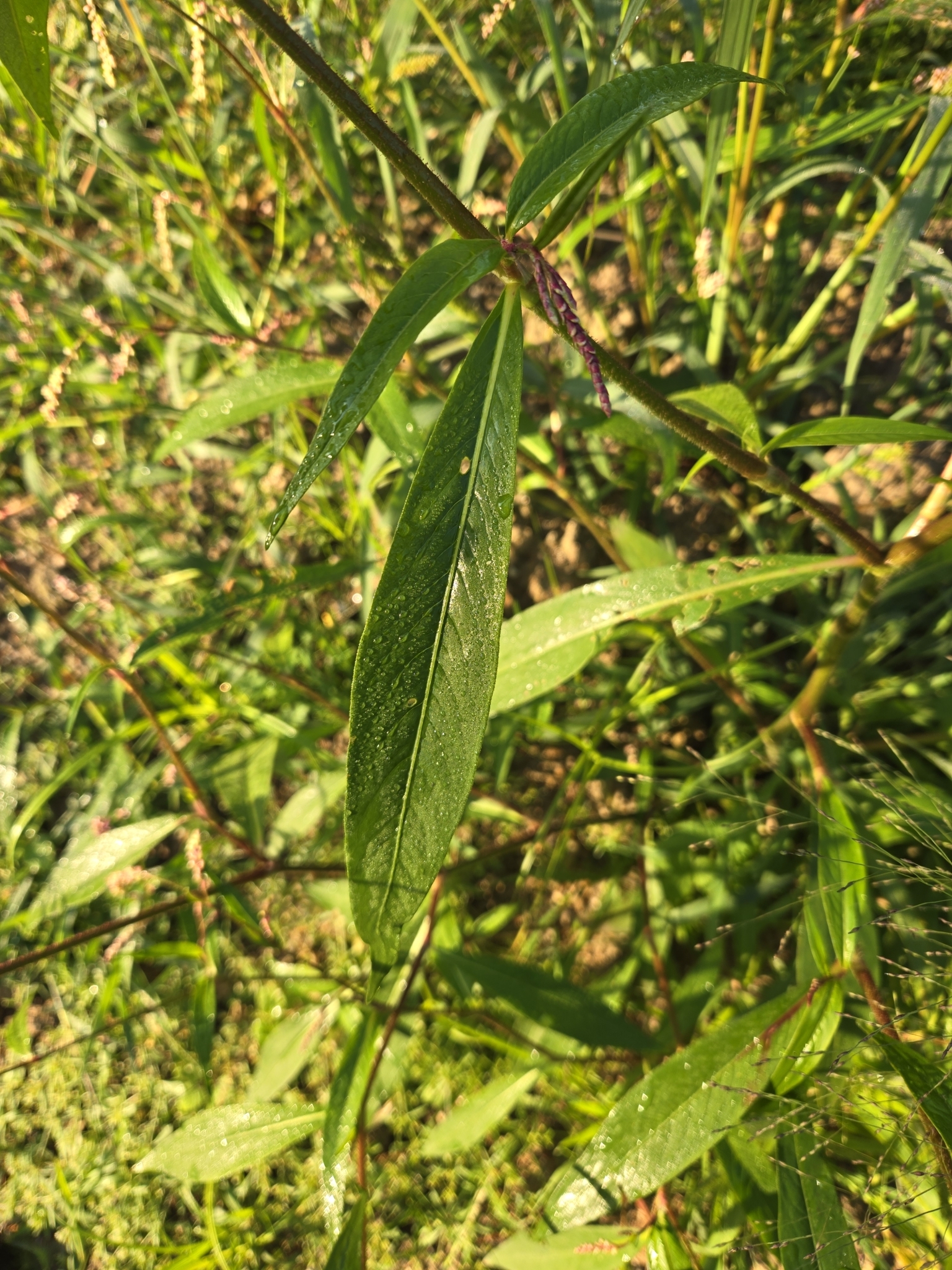

Photo 427783925, no rights reserved, uploaded by Daniel Atha
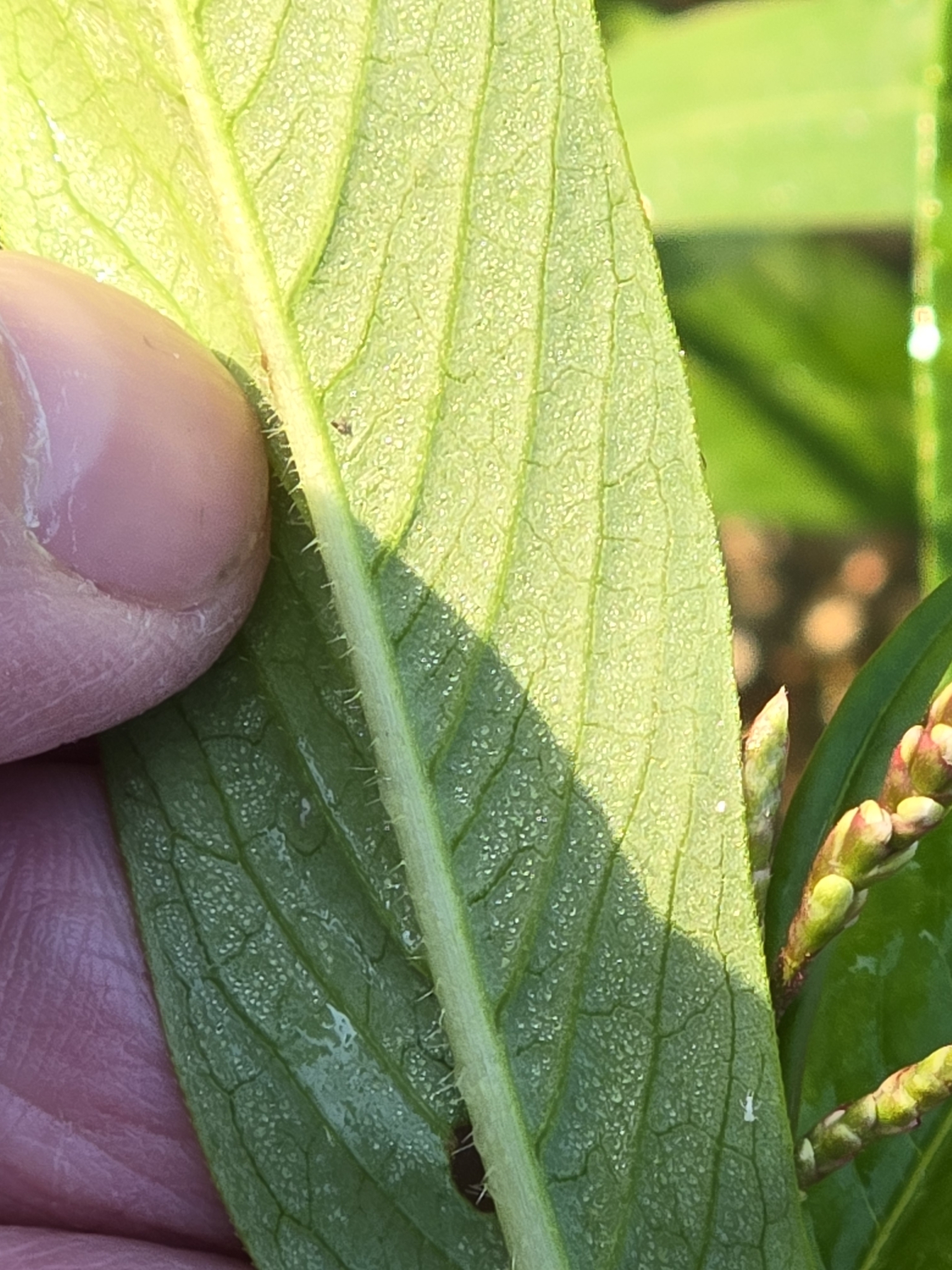

Photo 427783382, no rights reserved, uploaded by Daniel Atha
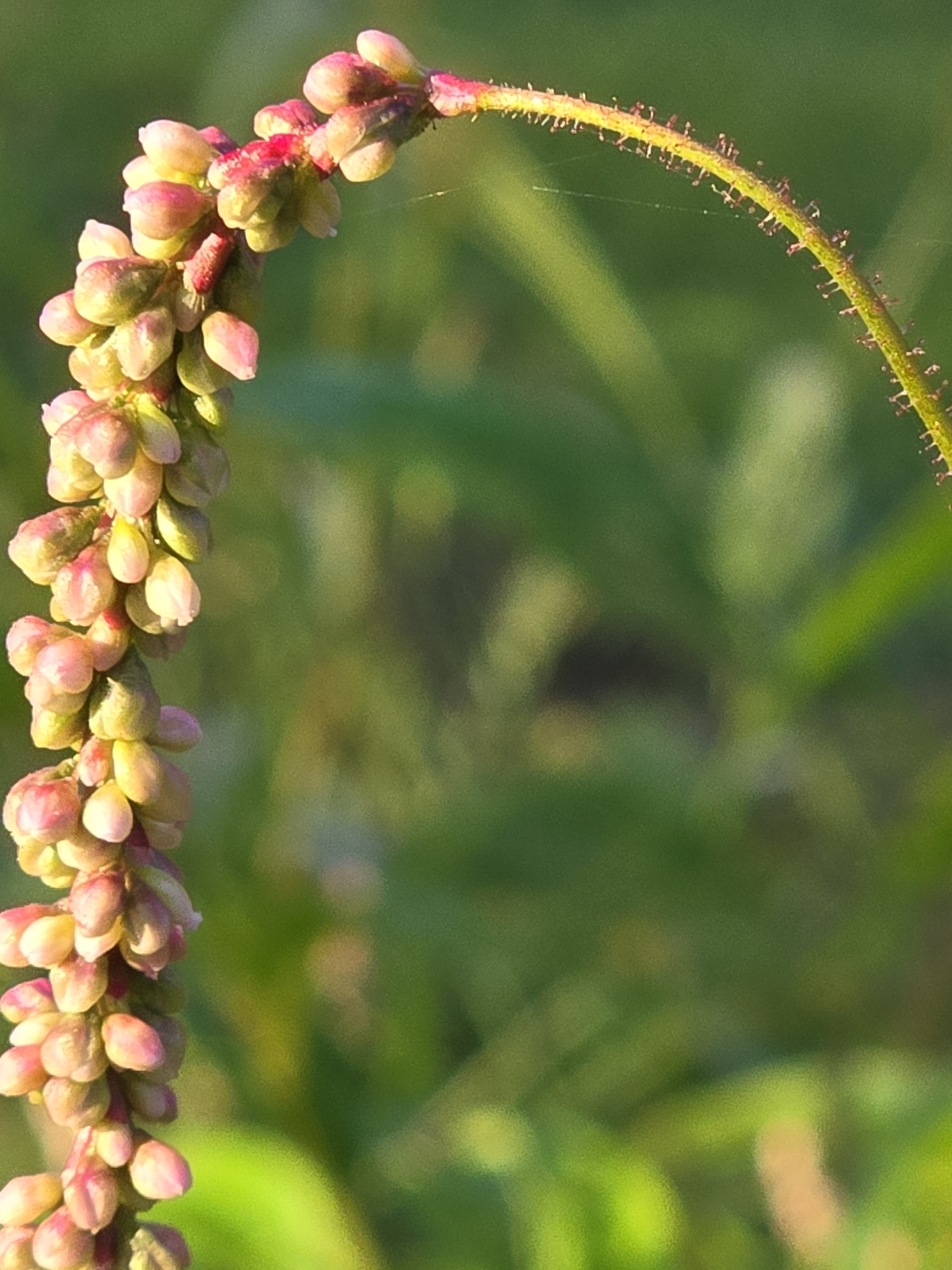

Photo 427783278, no rights reserved, uploaded by Daniel Atha
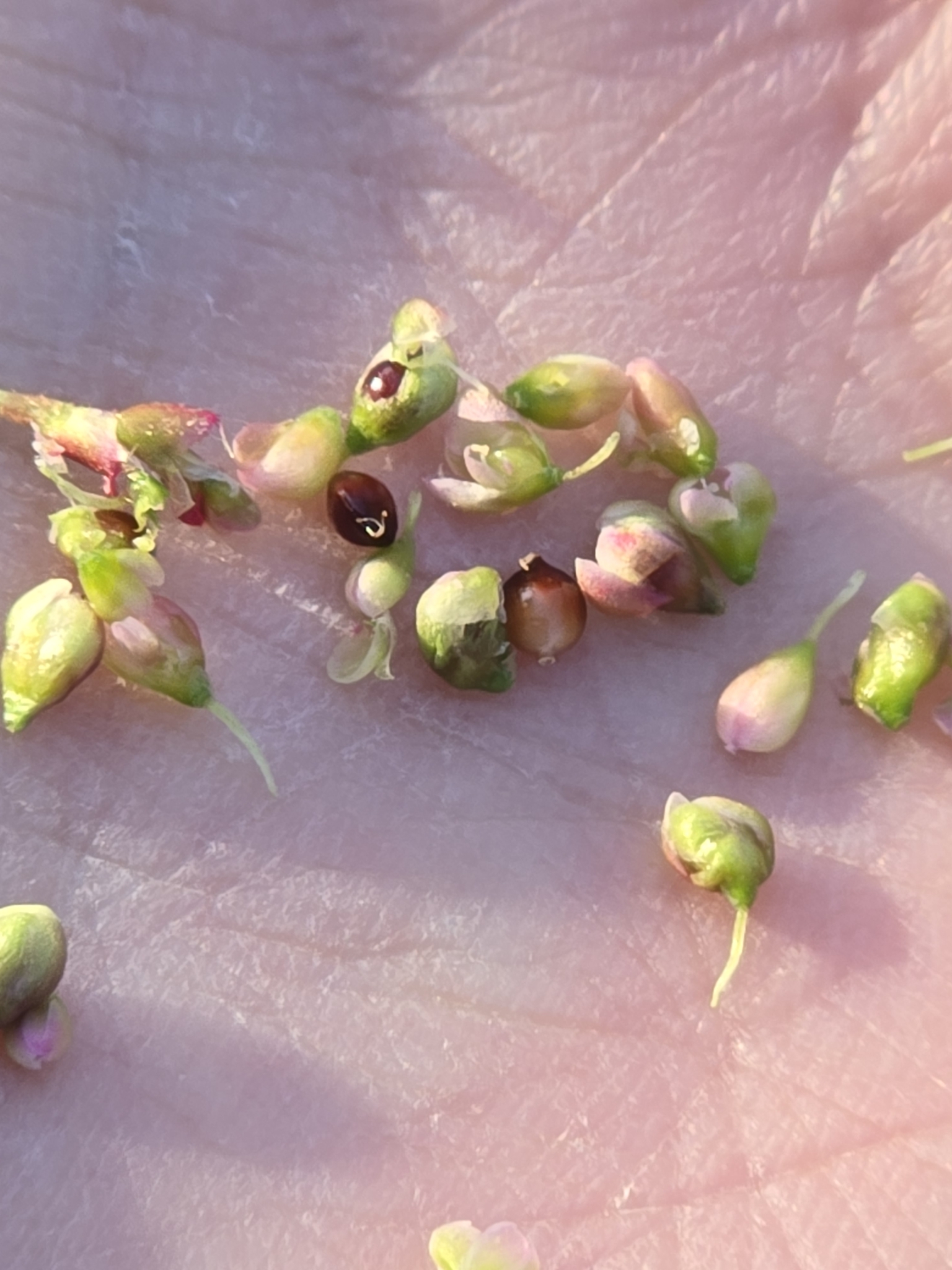

Photo 586750091, no rights reserved, uploaded by Daniel Atha
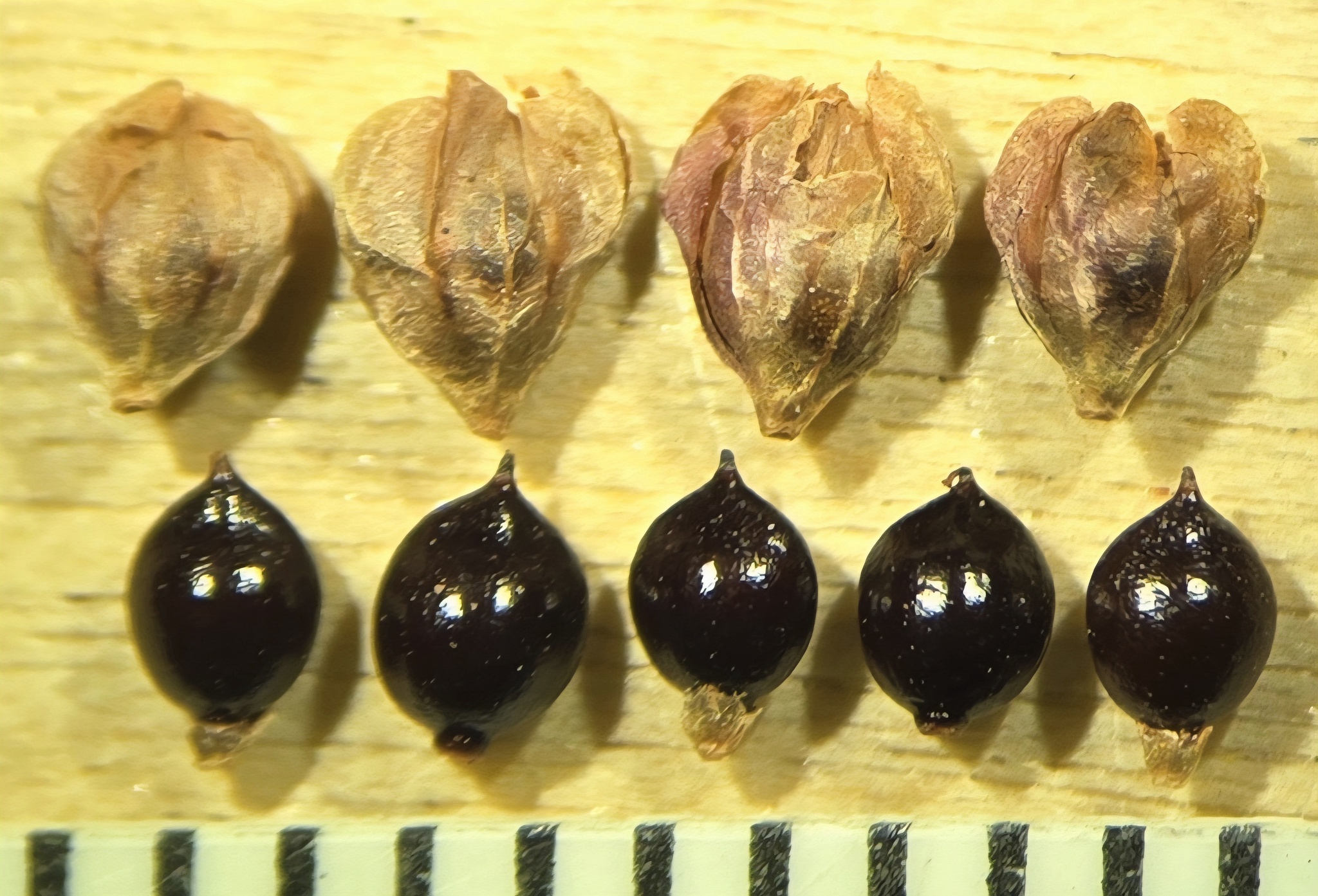

Persicaria pensylvanica (L.) M. Gómez

Pinkweed

Annual herbs to about 1.5 m tall, from taproots; stems usually erect, branched, glabrous; ocrea glabrous, the apex eciliate; leaves lanceolate, usually more than 7 cm long and 2 cm wide, the apex acute, the base abruptly rounded to a slender petiole, the abaxial glandular-punctate; inflorescences branched, the peduncles densely stipitate-glandular, the spikes erect, uninterrupted, the fascicles crowded, the flowers clearly exserted from the ocreoleae, most in spike closed at anthesis; tepals pale pink; homostylous, the stamens and styles included, about the same length; achenes quite large, discoid, biconcave.

Southern Canada to Colombia; adventive in Portugal and northern Italy (iNaturalist observations elsewhere are in error); streambanks, lakeshores, wet meadows, ditches and waste places. Click here for range map
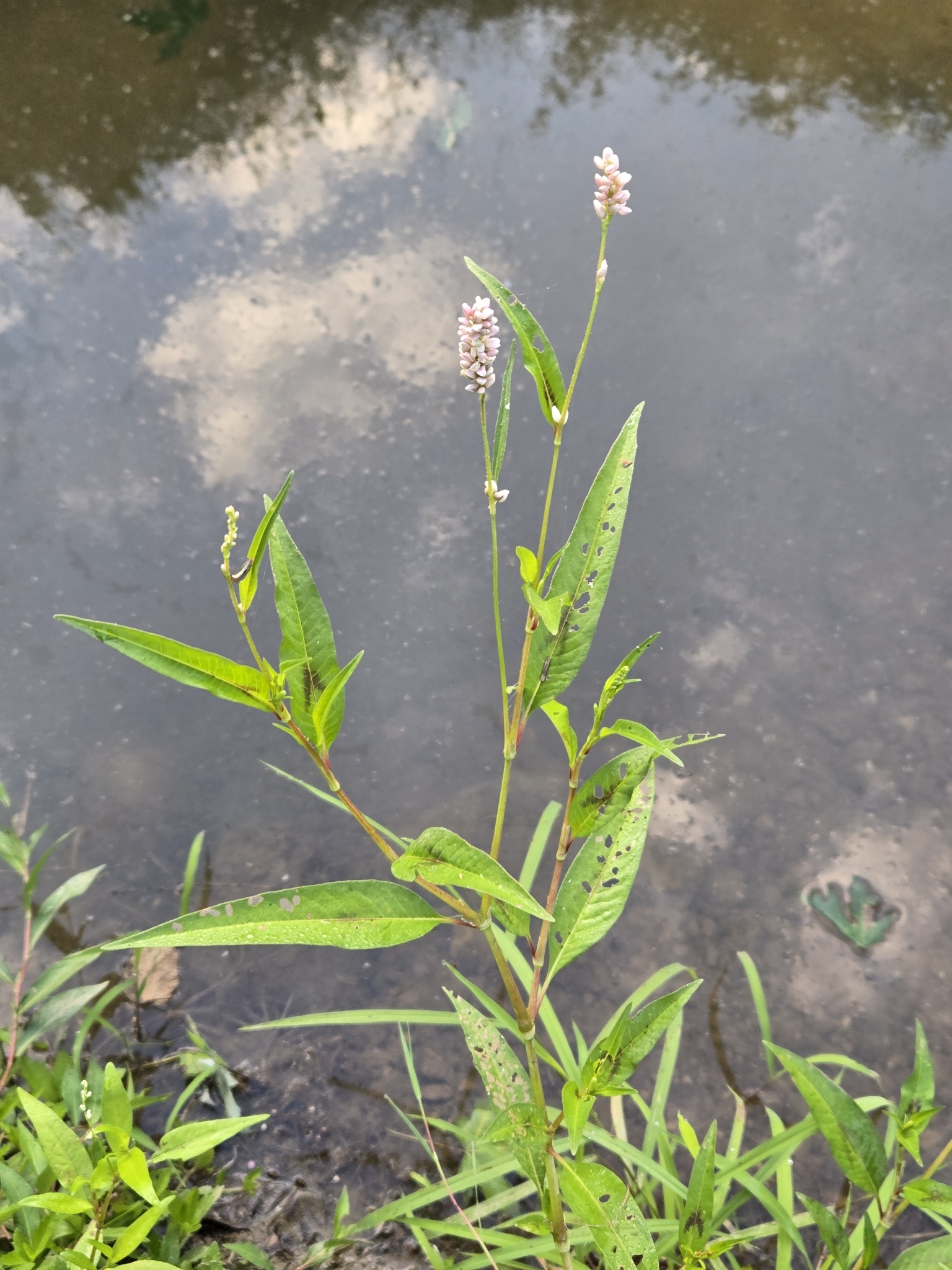

Photo 559177642, no rights reserved, uploaded by Daniel Atha
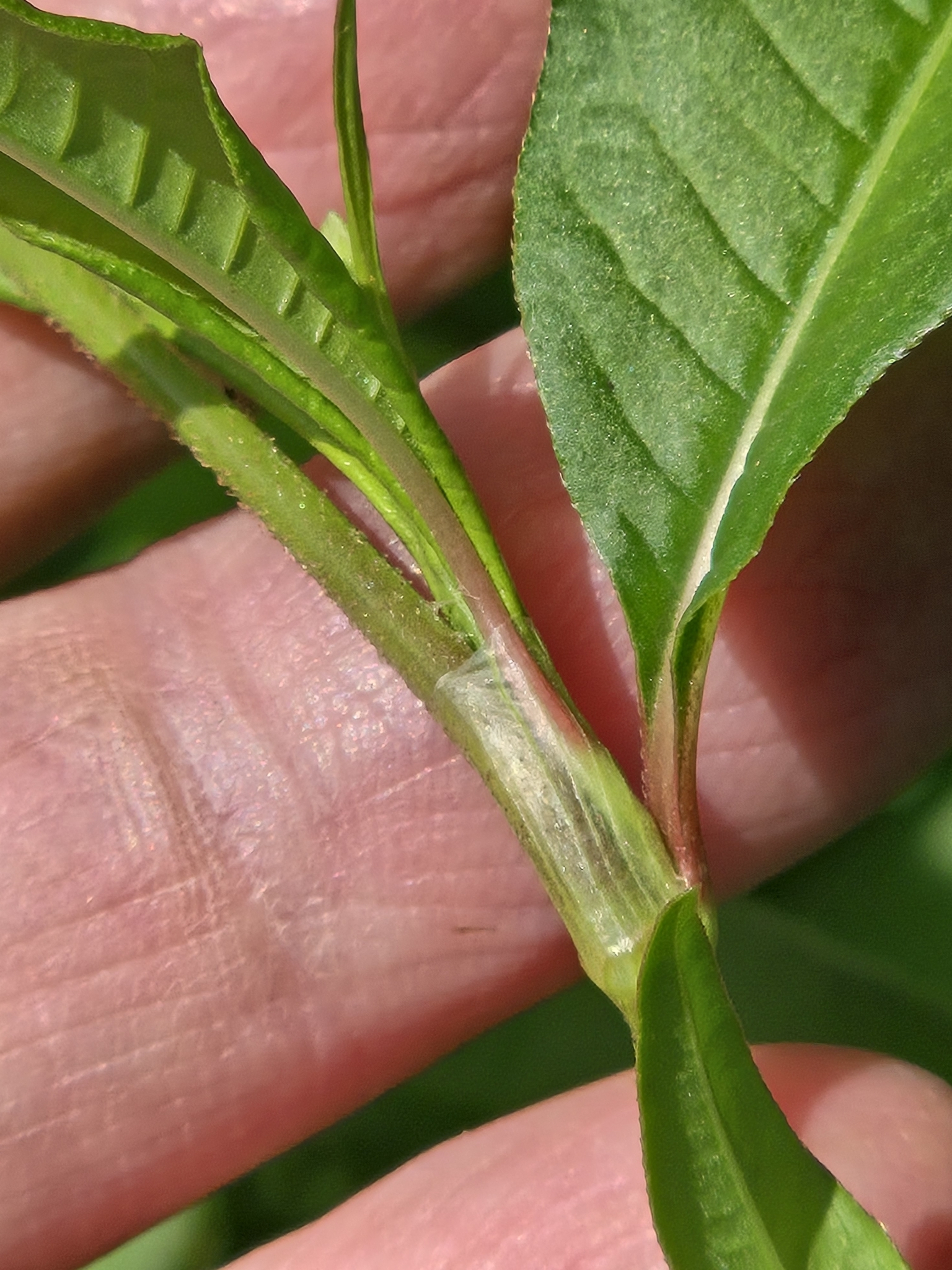

Photo 556762717, no rights reserved, uploaded by Daniel Atha
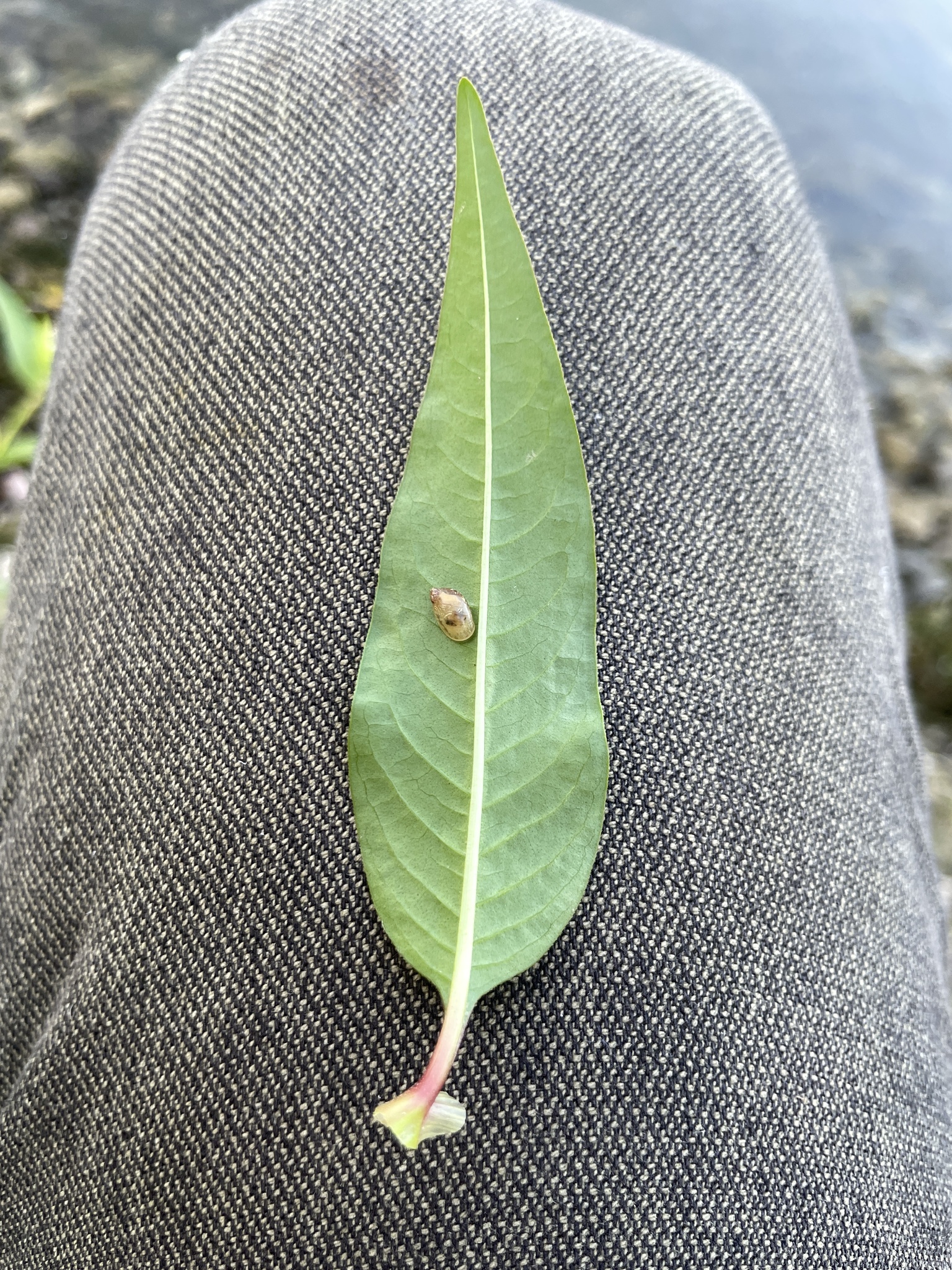

Photo 314537442, no rights reserved, uploaded by Daniel Atha
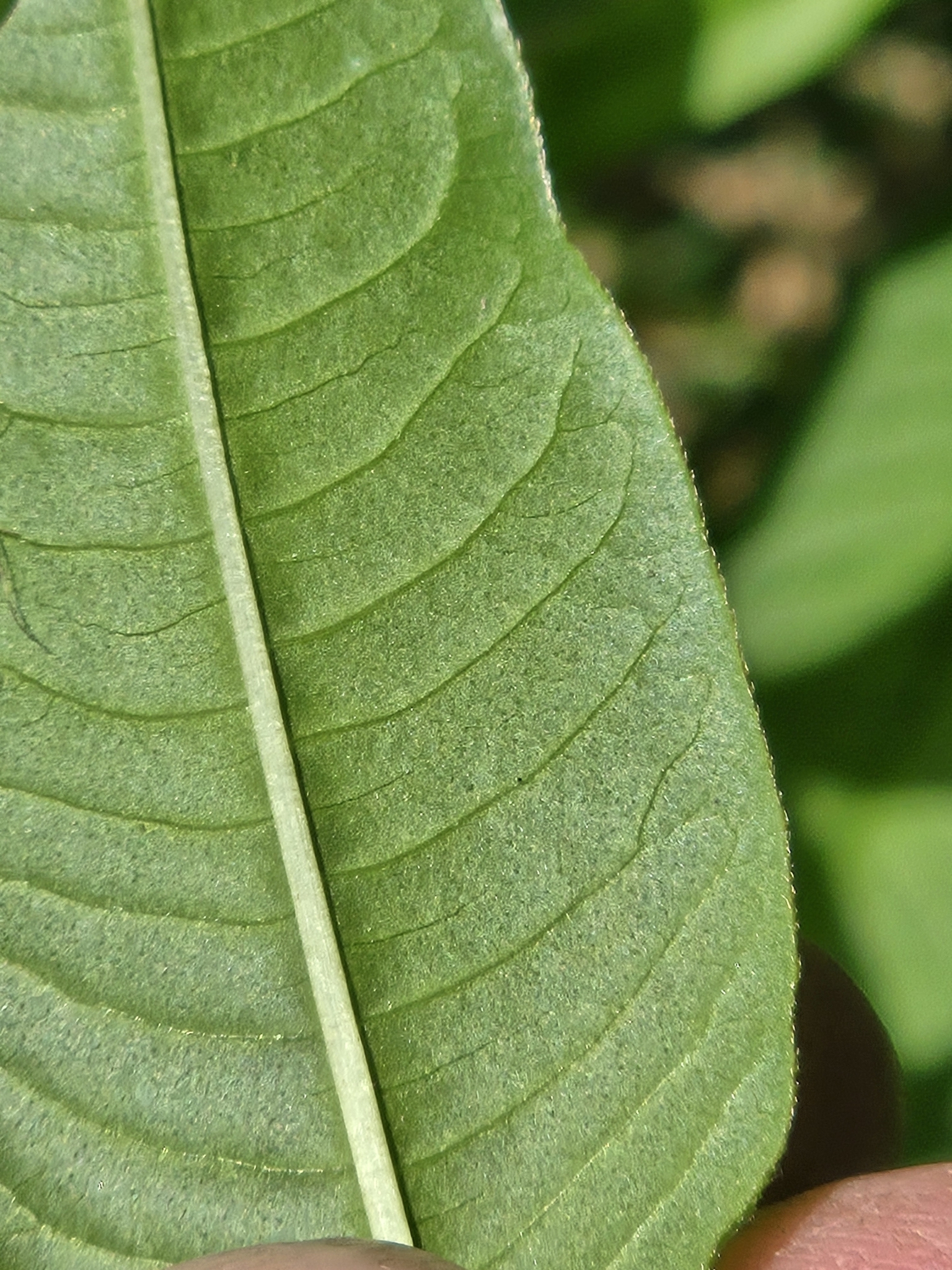

Photo 556762759, no rights reserved, uploaded by Daniel Atha
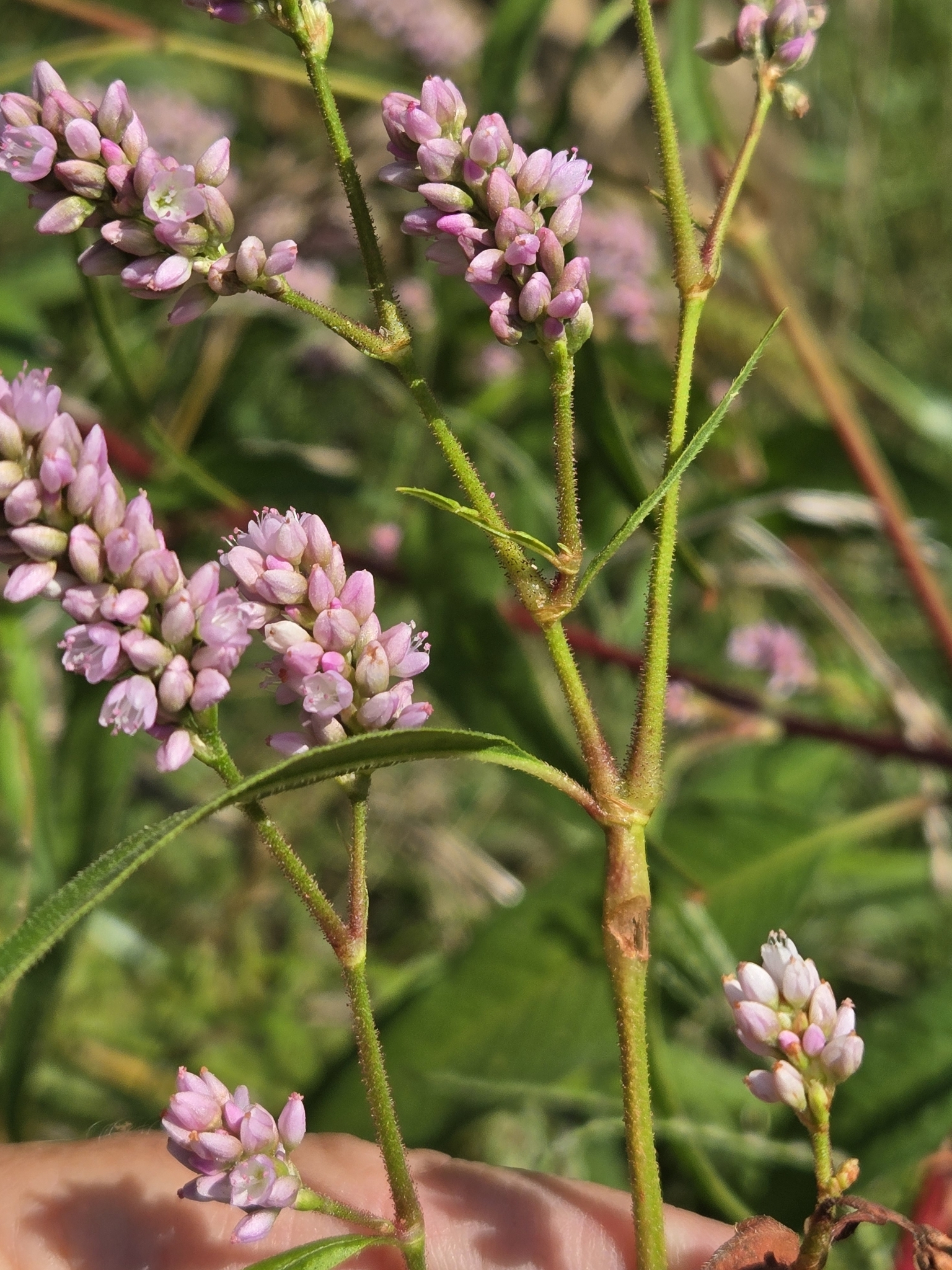

Photo 567034699, no rights reserved, uploaded by Daniel Atha
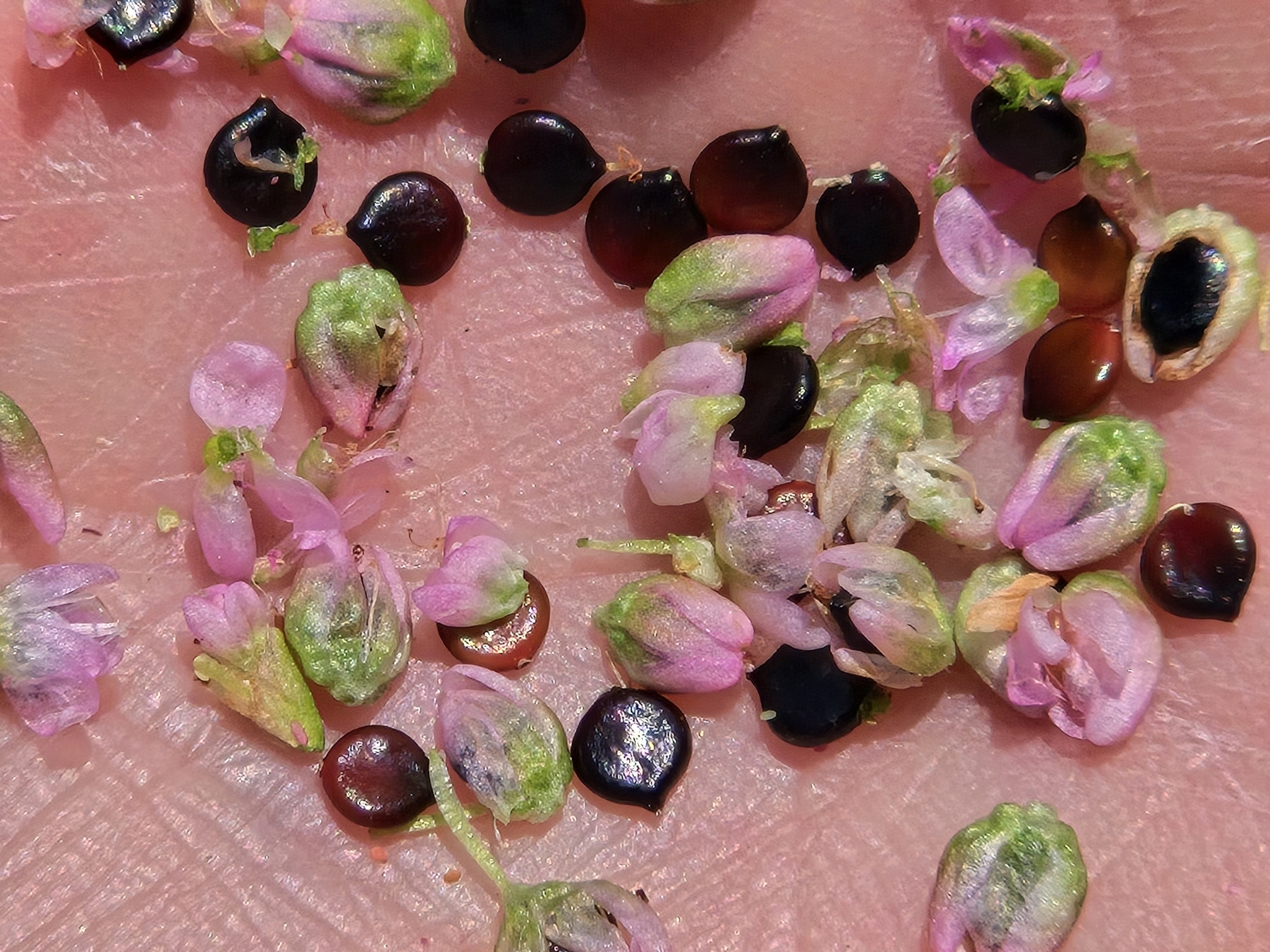

Photo 567034870, no rights reserved, uploaded by Daniel Atha
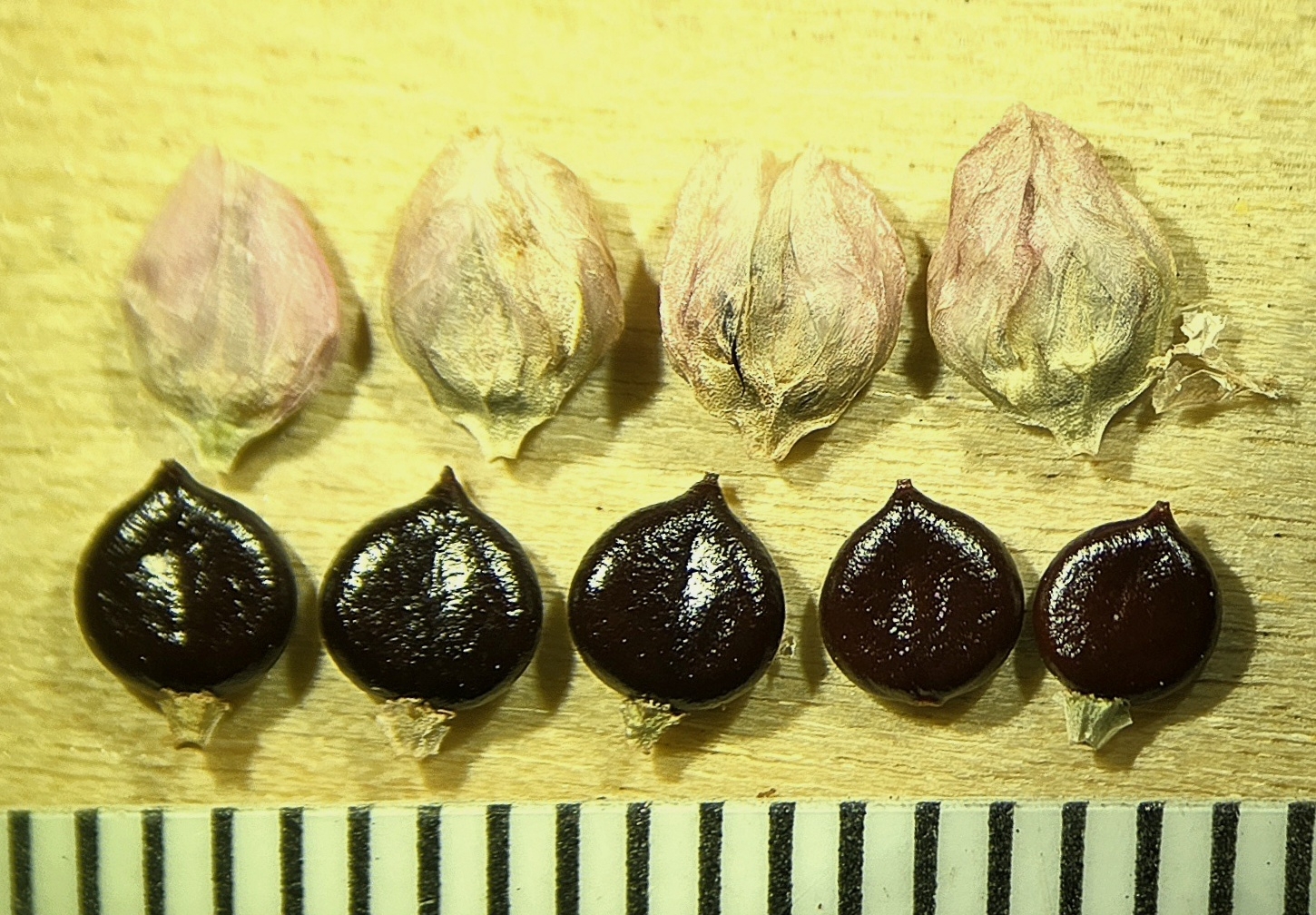

Photo 582978777, no rights reserved, uploaded by Daniel Atha


Persicaria bicornis (Raf.) Nieuwl.

Pink Smartweed

Annual herbs to about 1 m tall, from taproots; stems usually erect, branched, glabrous; ocrea glabrous, the apex eciliate; leaves oblong or sub-lanceolate, usually less than 7 cm long and 2.5 cm wide, the apex acute or obtuse, the base abruptly rounded to a slender petiole, the abaxial glandular-punctate; inflorescences loosely branched, the peduncles densely stipitate-glandular, the spikes erect, uninterrupted, the fascicles crowded, the flowers barely exserted from the ocreoleae, most in spike open at anthesis; tepals pink; heterostylous, either the stamens exserted and about twice as long as the styles or the styles exserted and about twice as long as the stamens; achenes discoid, concave on one face, slightly convex on the other, rarely fully trigonous.

Great Plains from South Dakota to Mexico, rarely as far east as Tennessee and northern Florida; prairies and wet meadows, ditches and waste places. Click here for range map
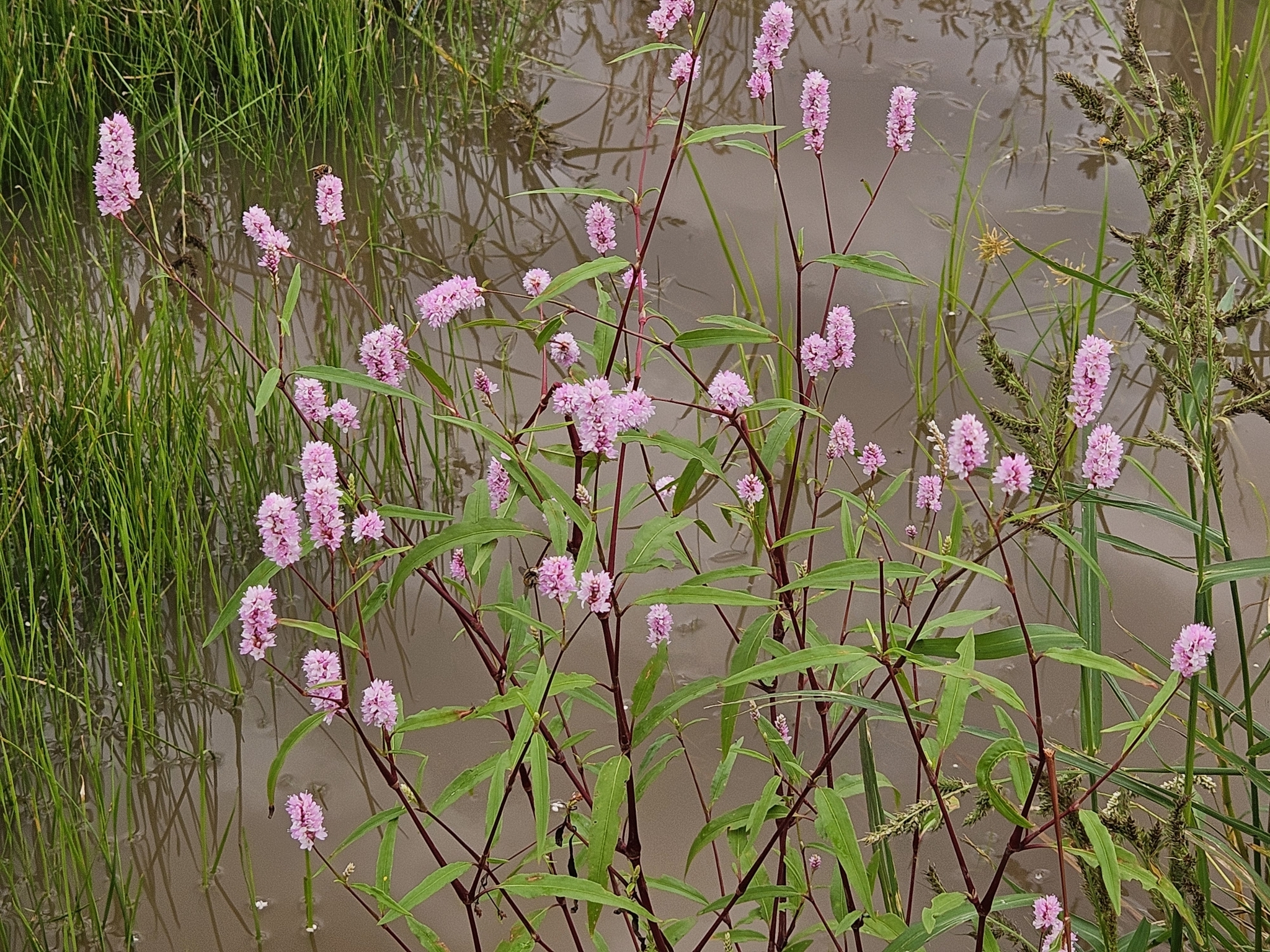

Photo 565388674, (c) Tyler Balsters, some rights reserved (CC BY-NC), uploaded by Tyler Balsters
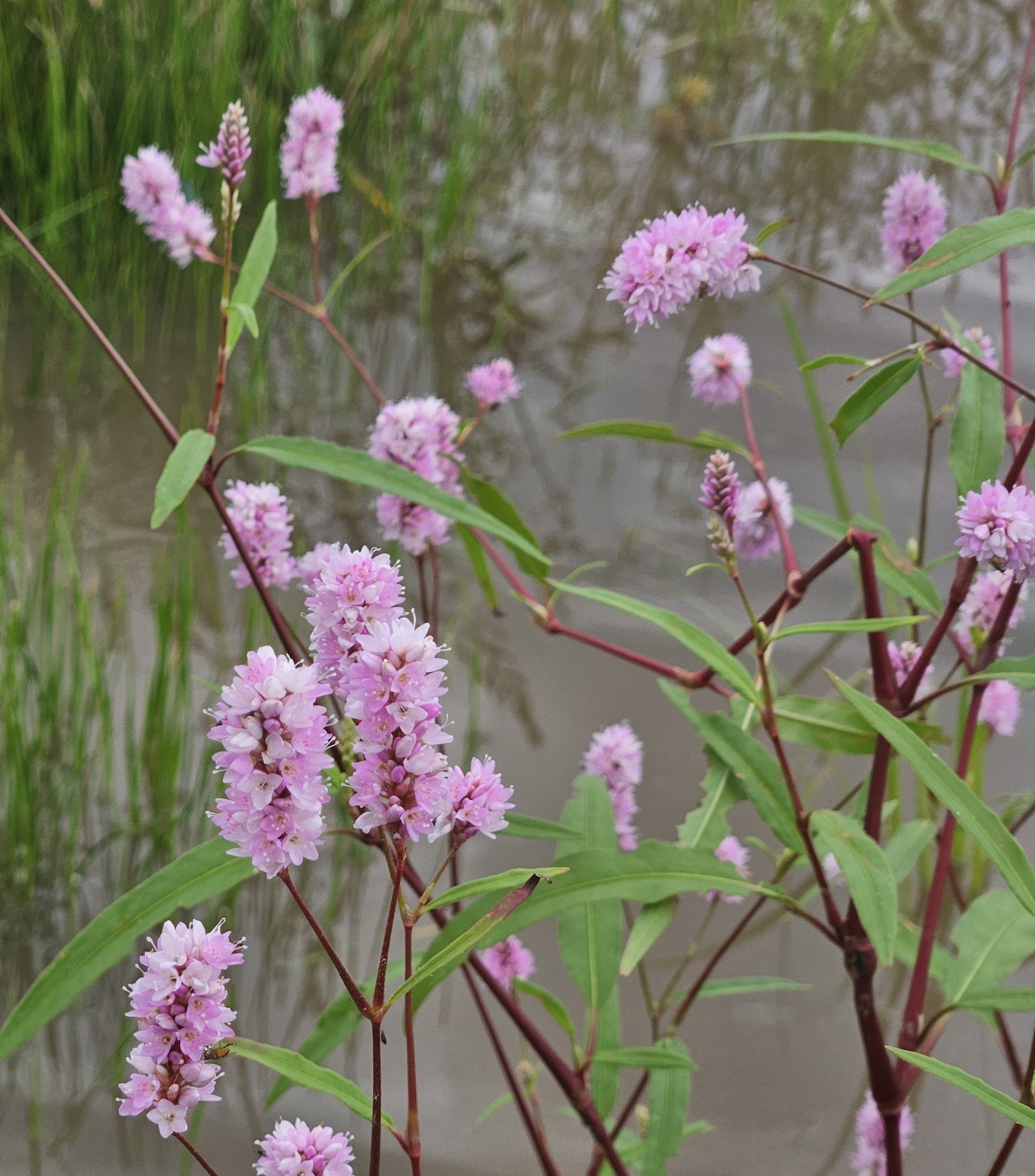

Photo 565388603, (c) Tyler Balsters, some rights reserved (CC BY-NC), uploaded by Tyler Balsters
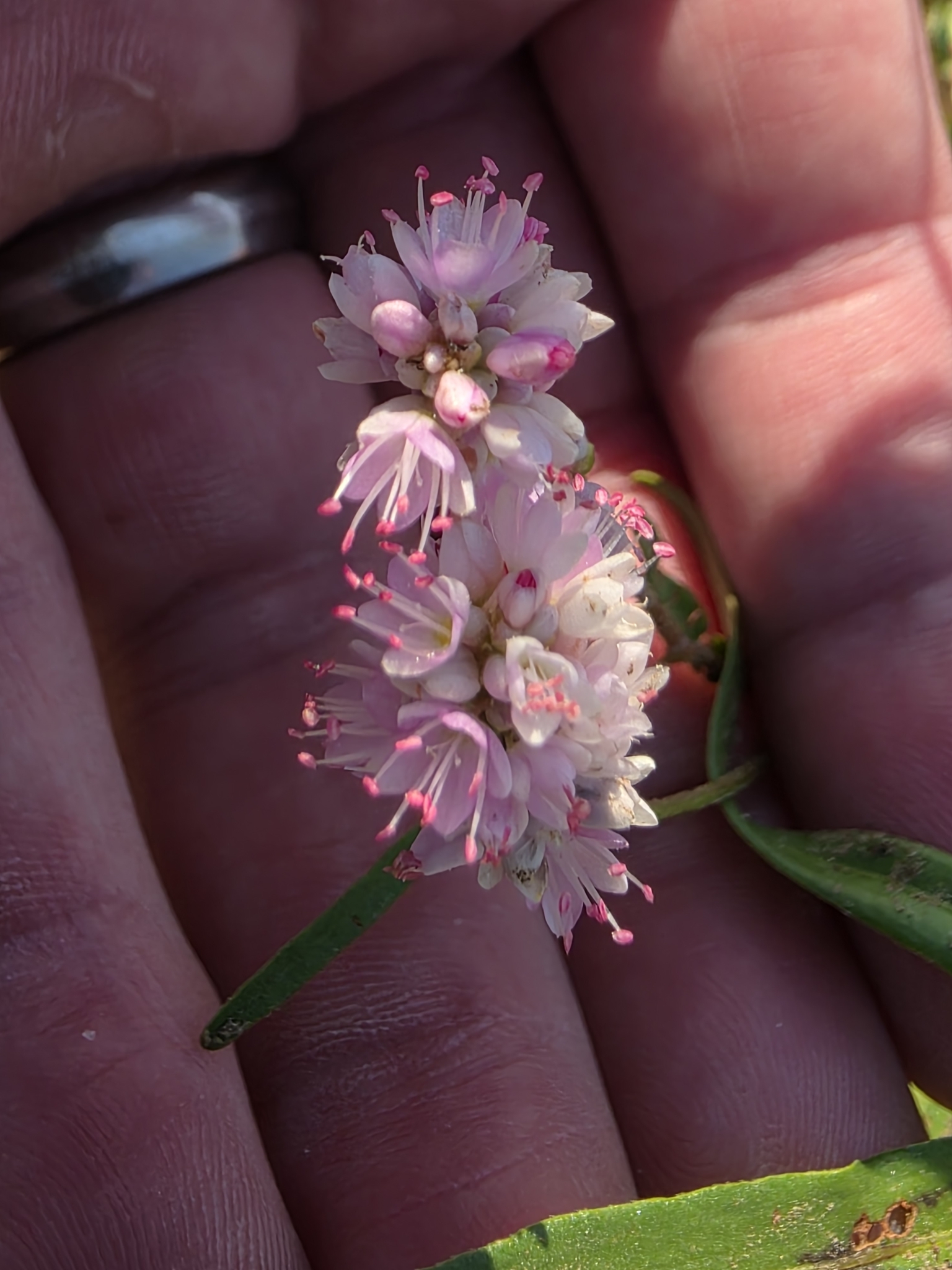

Photo 552477634, no rights reserved, uploaded by Brian Dickerson
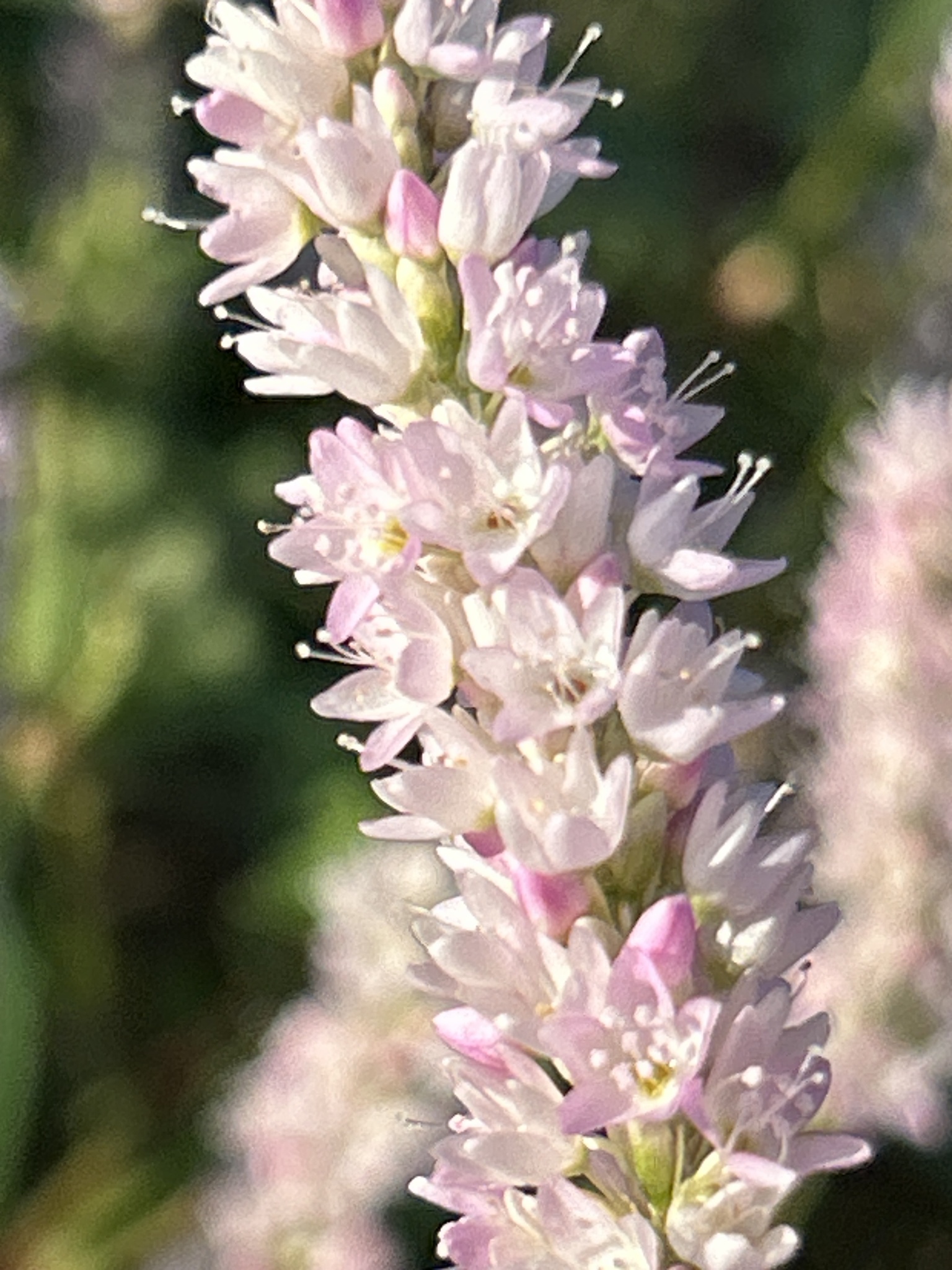

Photo 438972181, (c) Tina Crawford, some rights reserved (CC BY-NC), uploaded by Tina Crawford
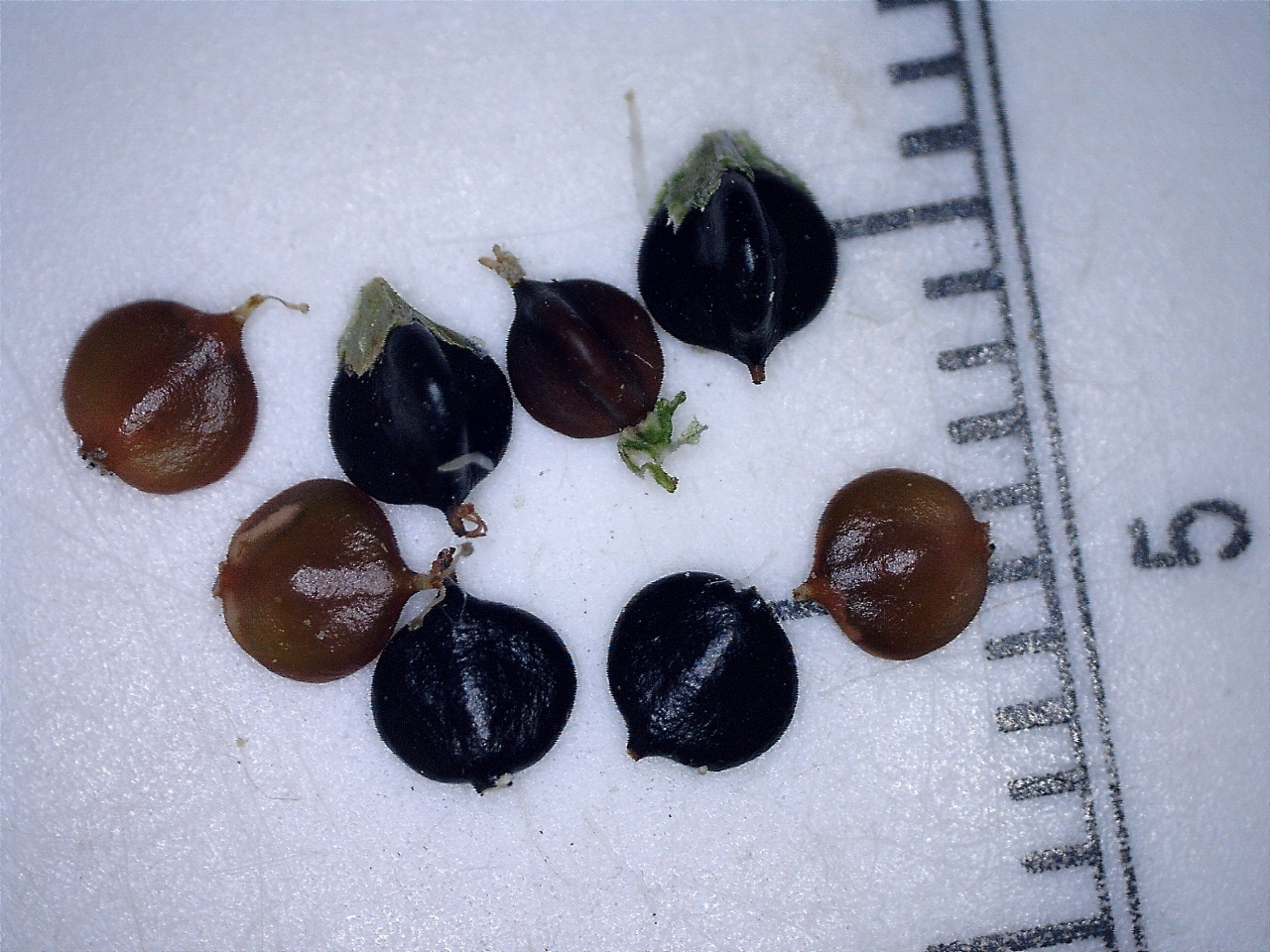

Photo 505677172, (c) Kathy McAleese, some rights reserved (CC BY-NC-ND), uploaded by Kathy McAleese
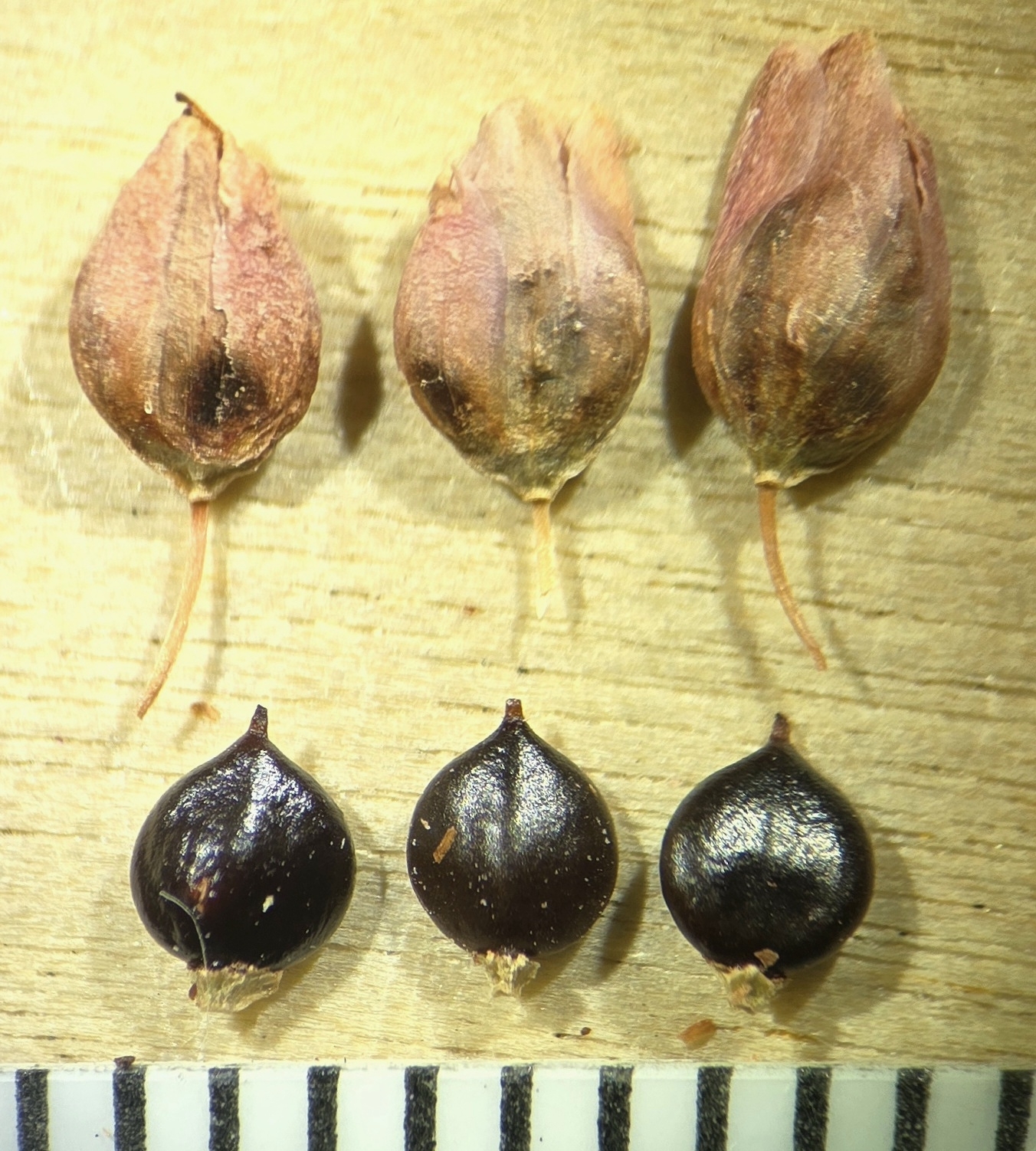

Photo 586799105, no rights reserved, uploaded by Daniel Atha


Persicaria lapathifolia (L.) Delarbre

Pale Smartweed

Annual herbs from a few centimeters to 3 meters tall, from taproot; stems usually branched, glabrous; ocrea glabrous, the apex eciliate; leaves lanceolate, the apex sharply acuminate, the base cuneate and decurrent to a short petiole, the abaxial glandular-punctate or rarely lanate; inflorescences branched, the peduncles sometimes with short glandular hairs, the spikes usually drooping, the fascicles crowded; tepals greenish-white or pink, usually closed at anthesis, the veins forked at apex ("anchor veins"); achenes discoid, biconcave.

Nearly worldwide, probably native to north temperate Europe, Asia and America; streambanks, pond and lake shores, ditches, gardens; wherever there is rich, moist, recently disturbed soil. Click here for range map

Extremely diverse in growth form.
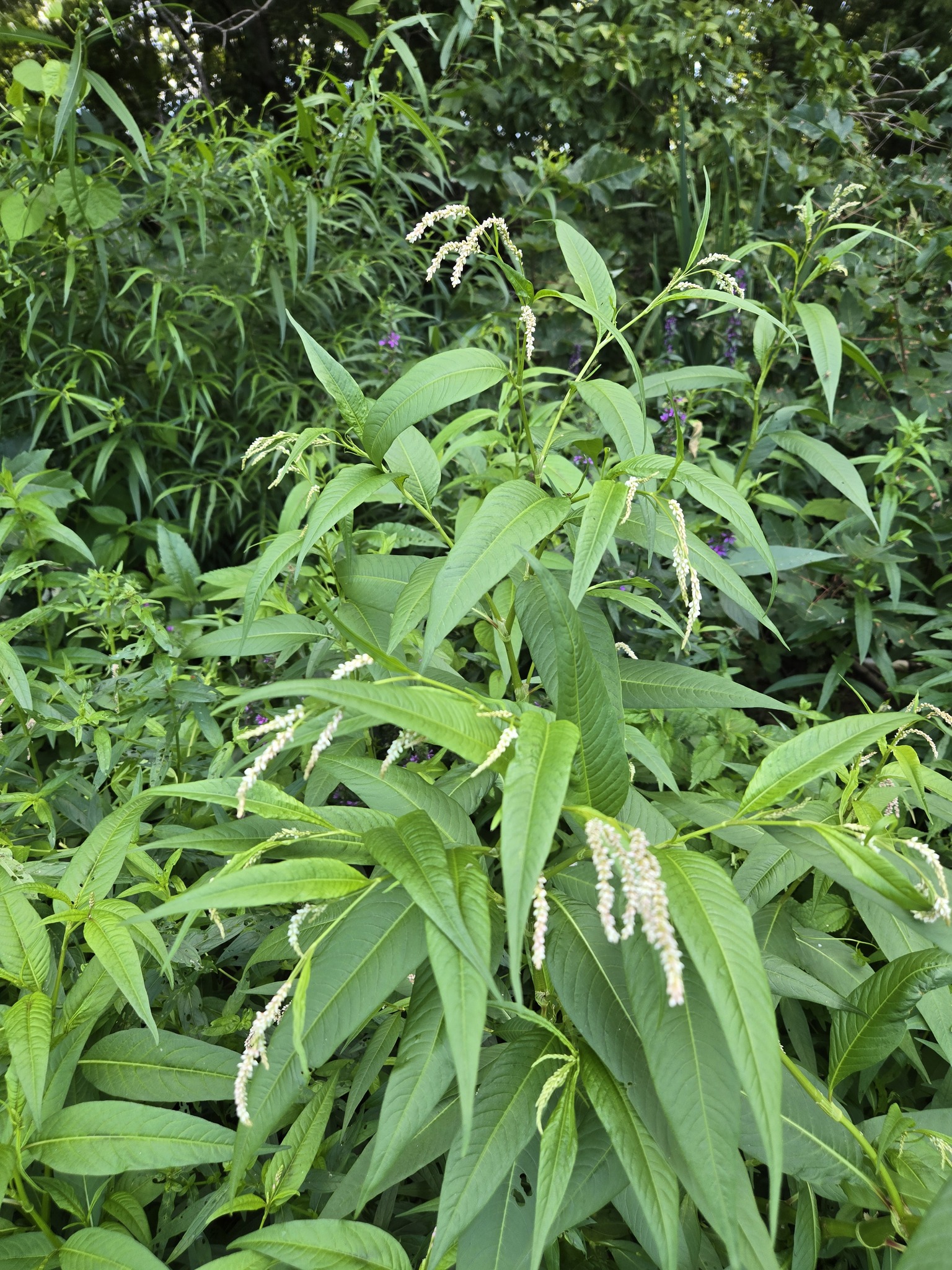

Photo 8770850, no rights reserved, uploaded by Daniel Atha
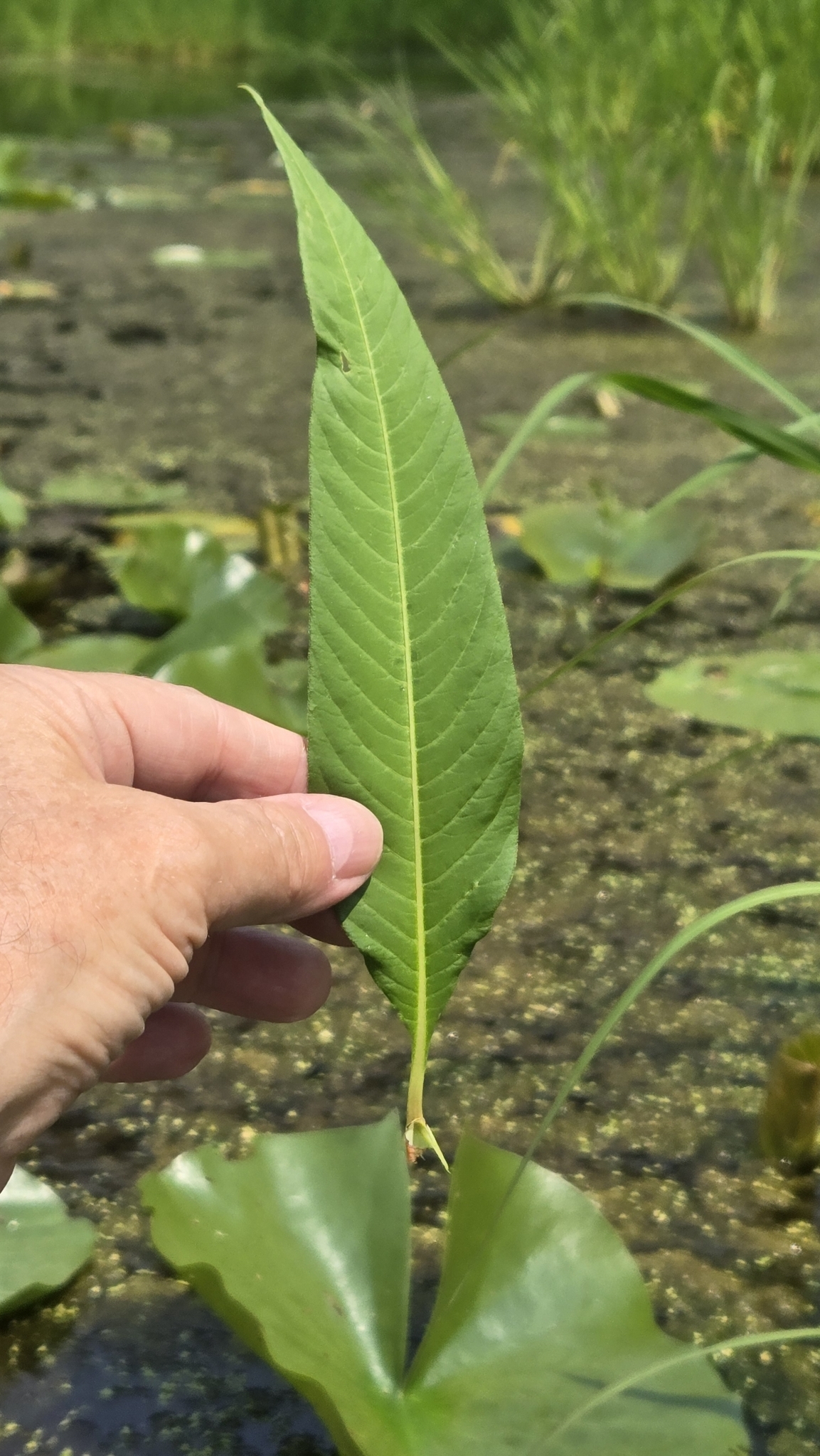

Photo 547273484, no rights reserved, uploaded by Daniel Atha
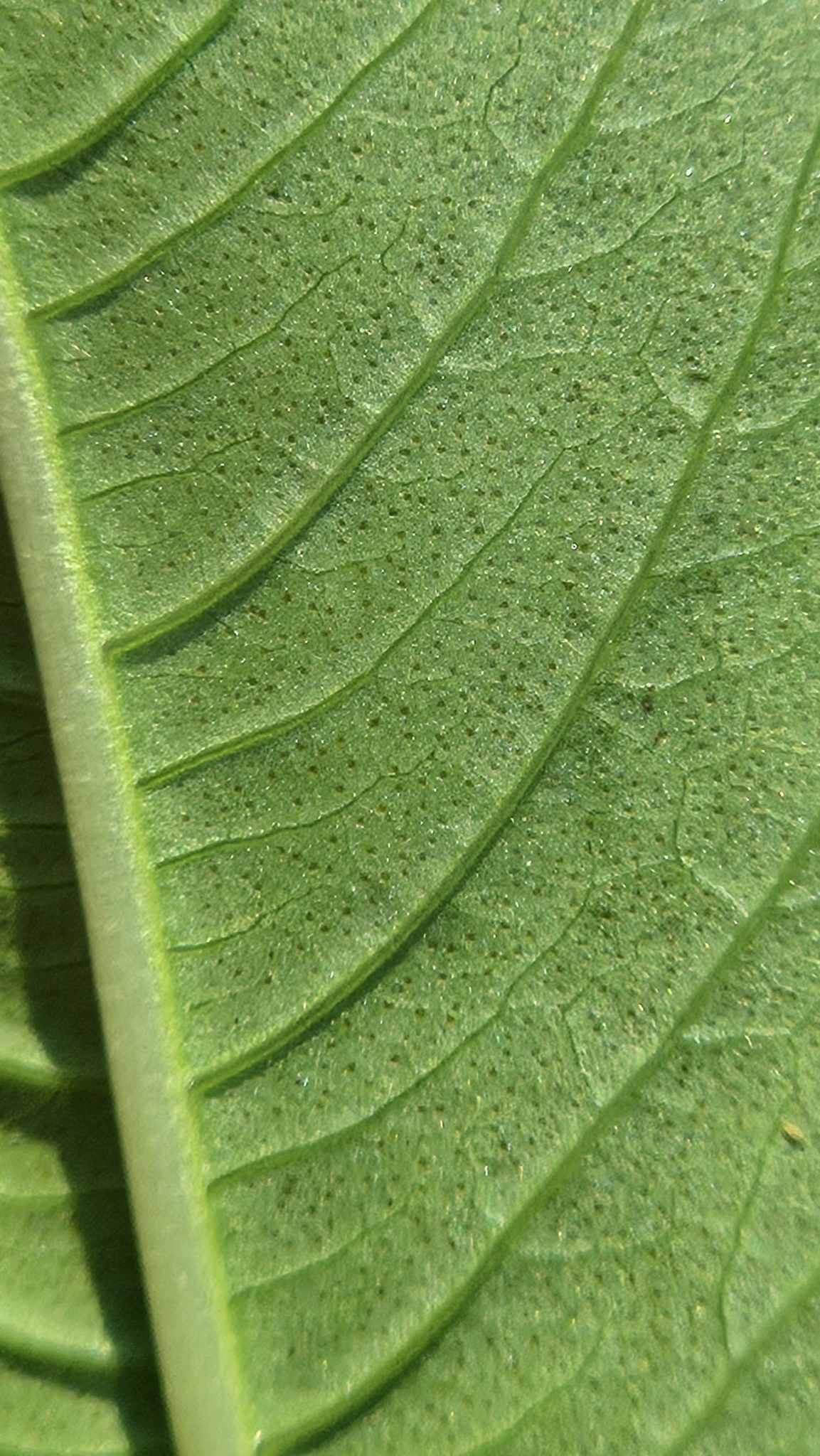

Photo 544166610, no rights reserved, uploaded by Daniel Atha
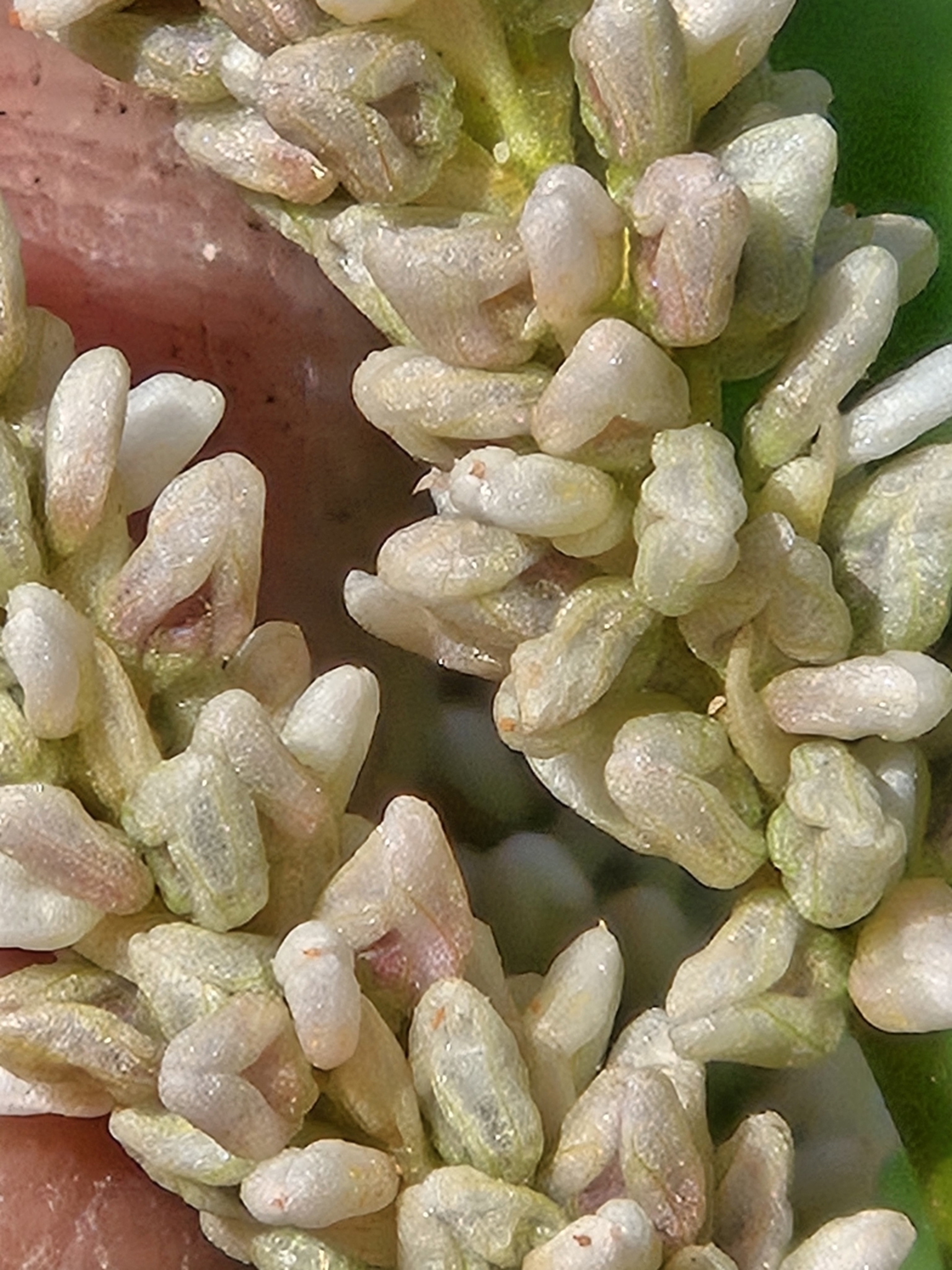

Photo 556765626, no rights reserved, uploaded by Daniel Atha
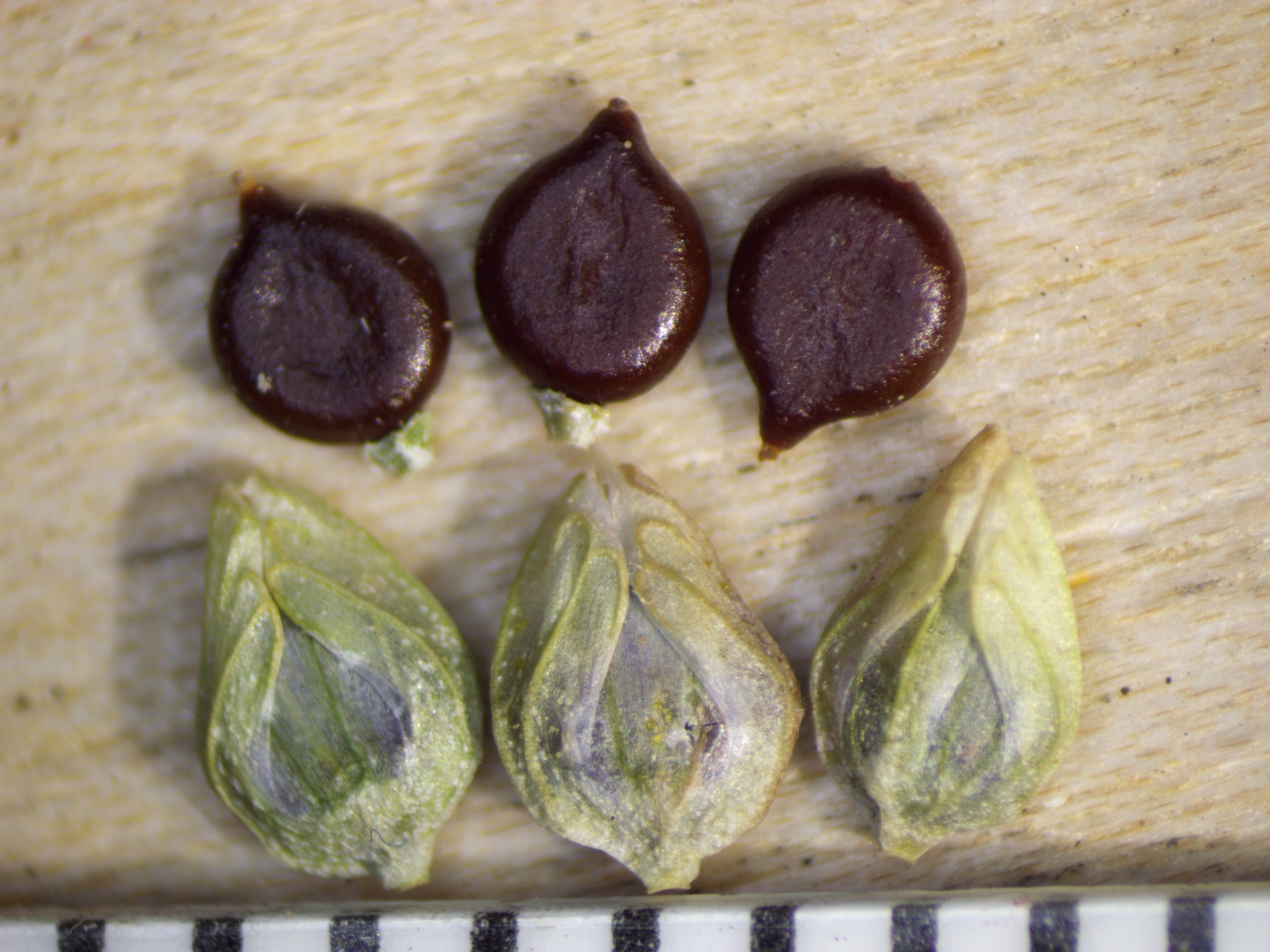


Persicaria maculosa Gray

Lady's Thumb

Annual herbs.

Worldwide.
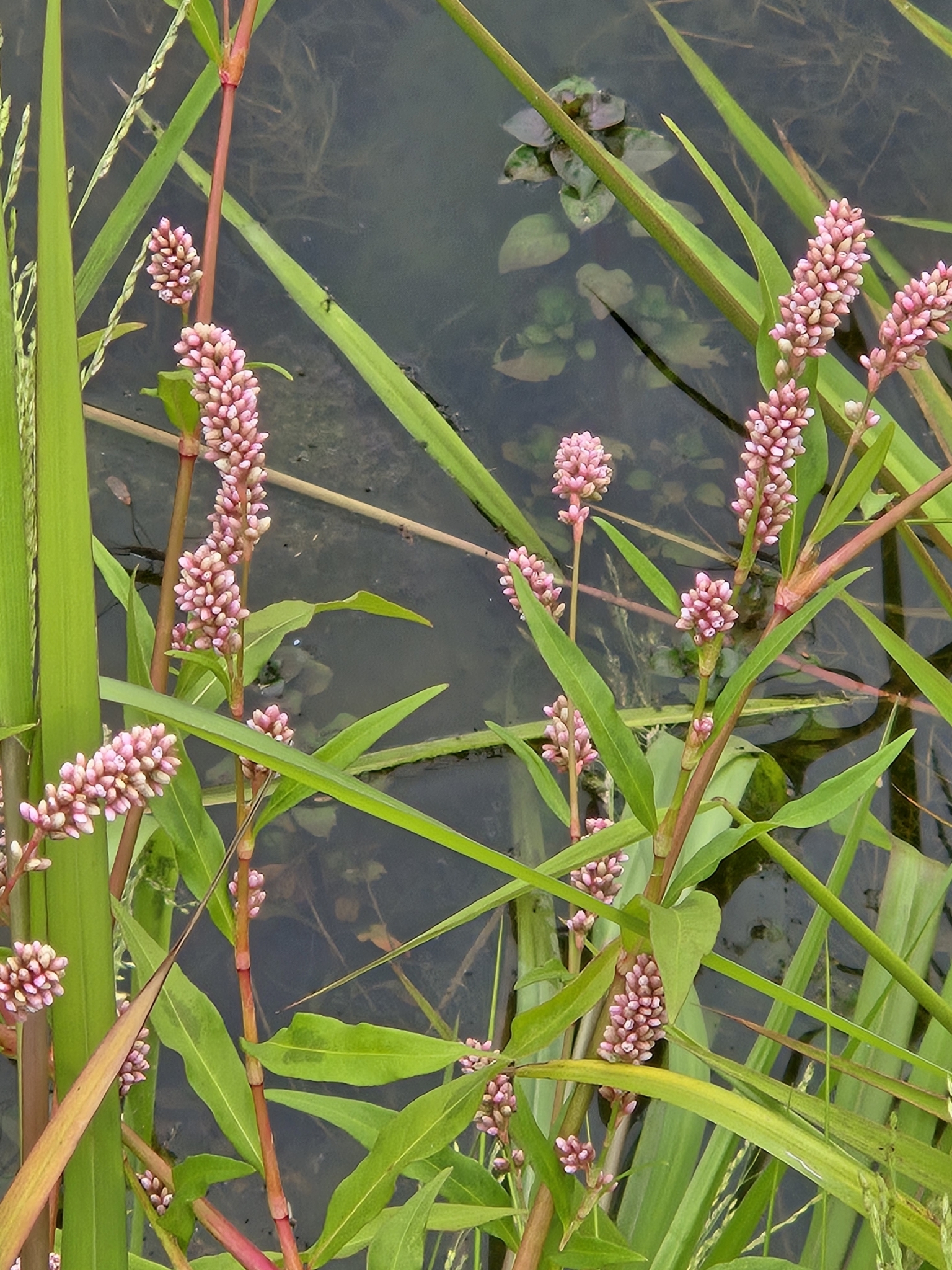

Photo 565389660, no rights reserved, uploaded by Daniel Atha
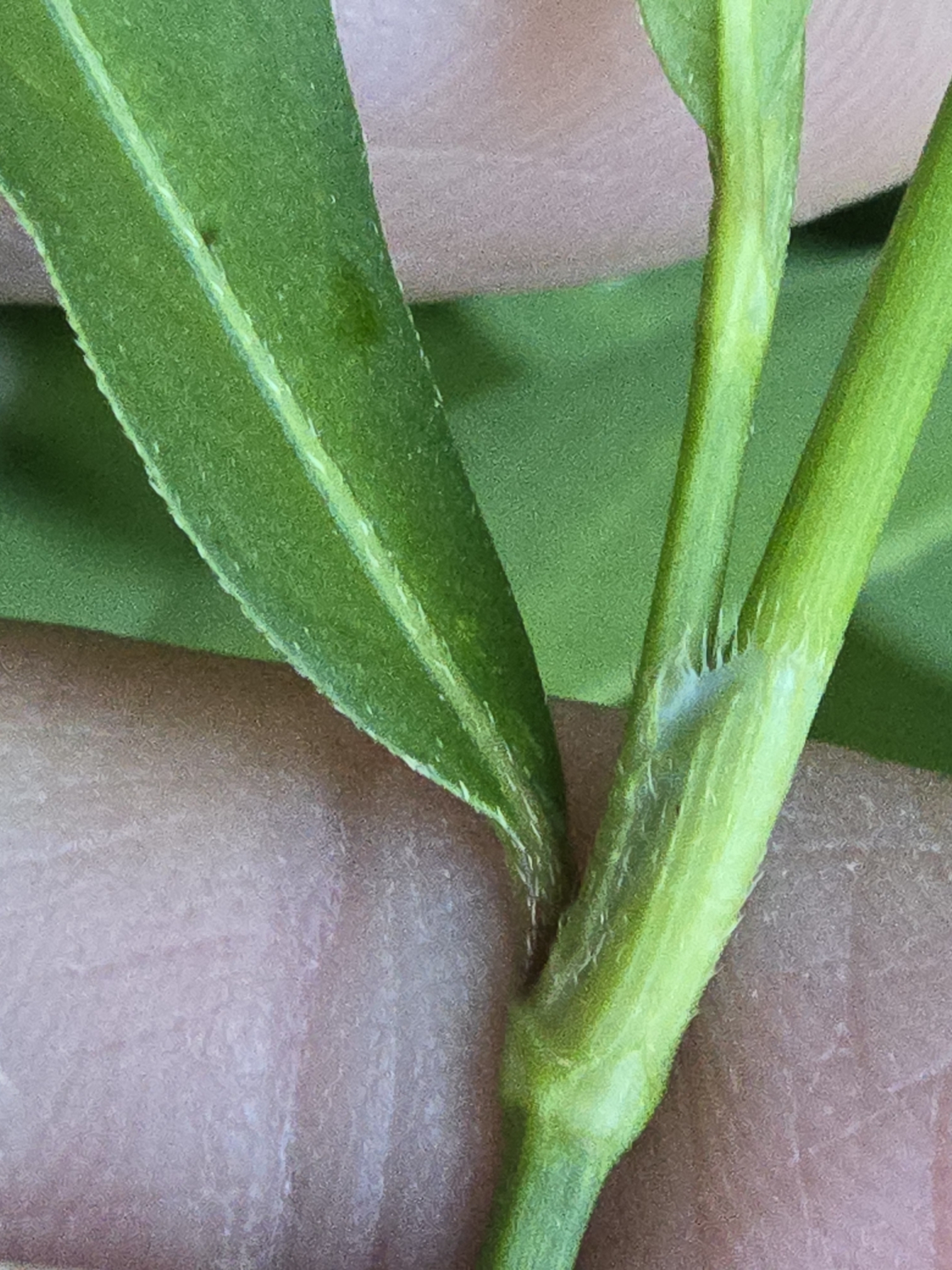

Photo 557354345, no rights reserved, uploaded by Daniel Atha
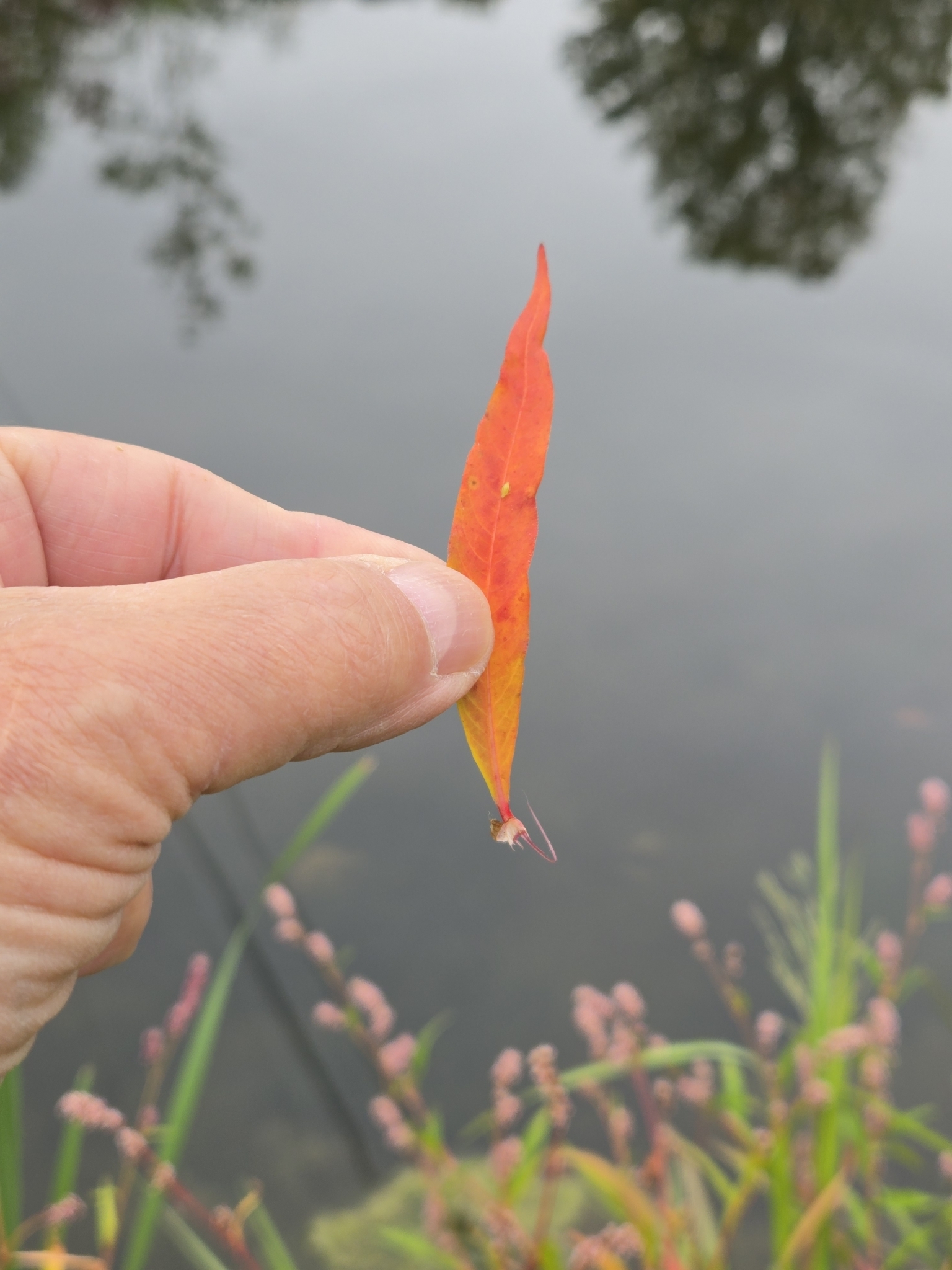

Photo 565389992, no rights reserved, uploaded by Daniel Atha
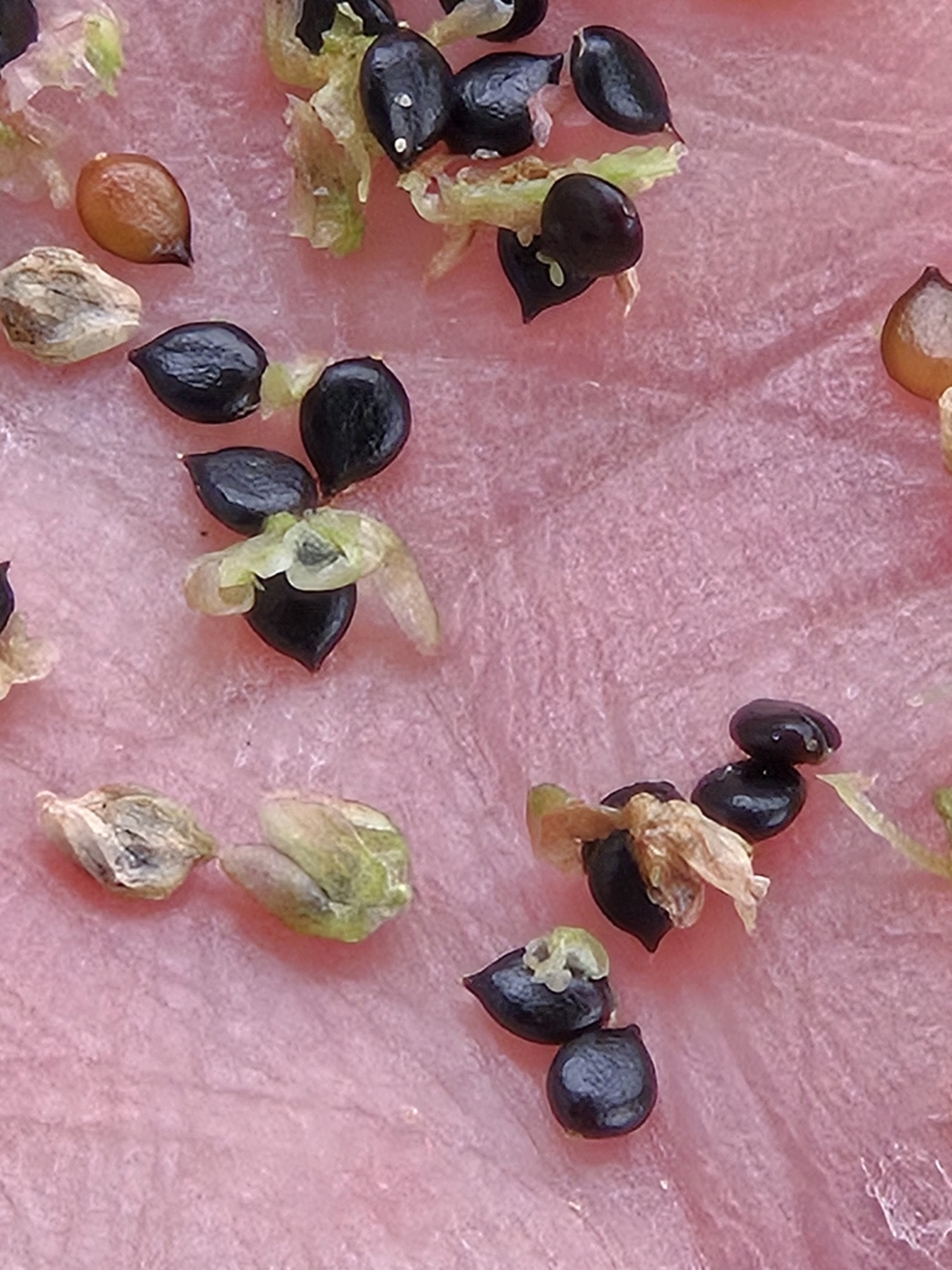

Photo 565392698, no rights reserved, uploaded by Daniel Atha
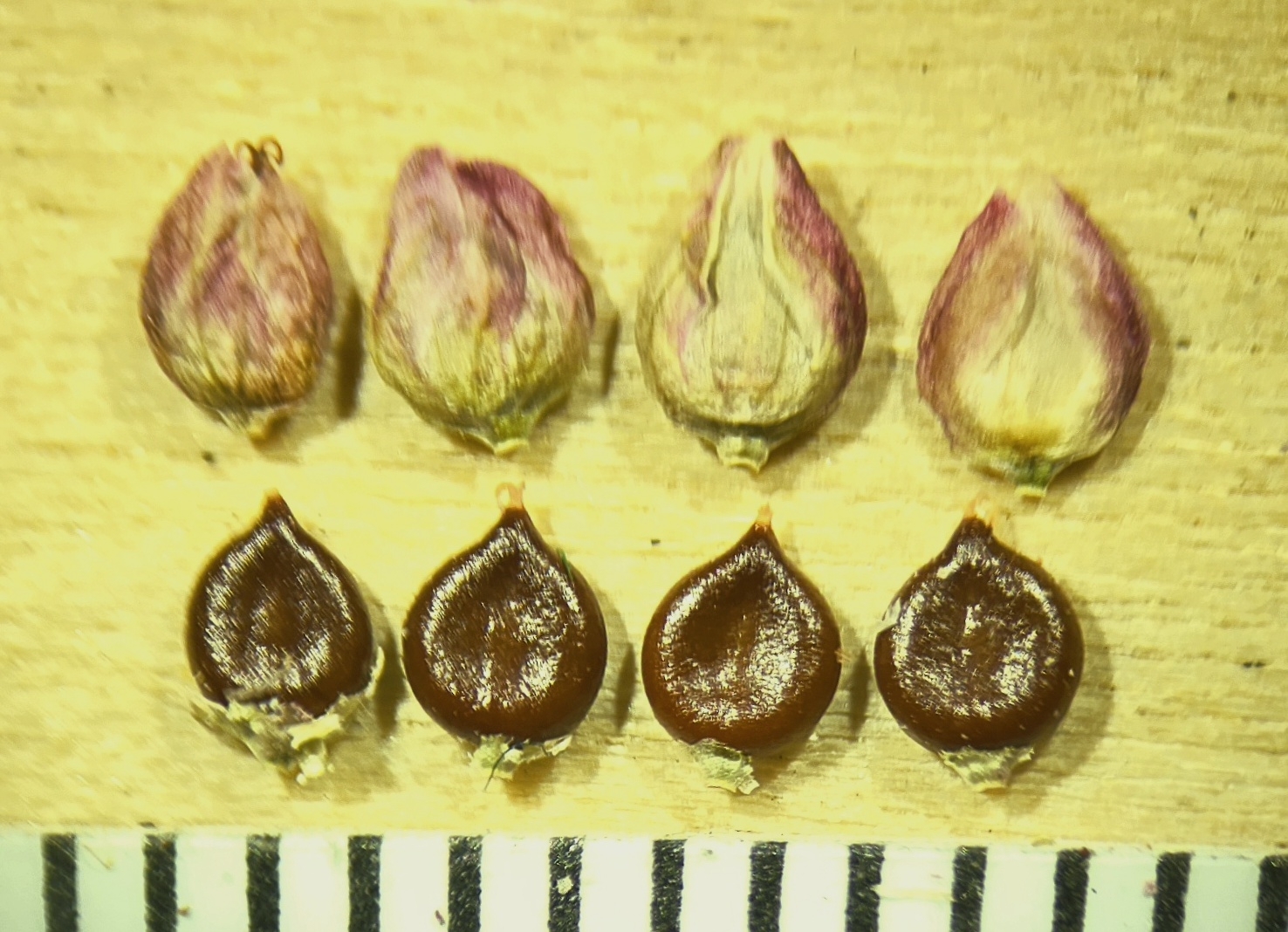

Photo 582973672, no rights reserved, uploaded by Daniel Atha


Persicaria minor (Huds.) Opiz

Small Water Pepper

Annual herbs.

North Temperate. Click here for range map
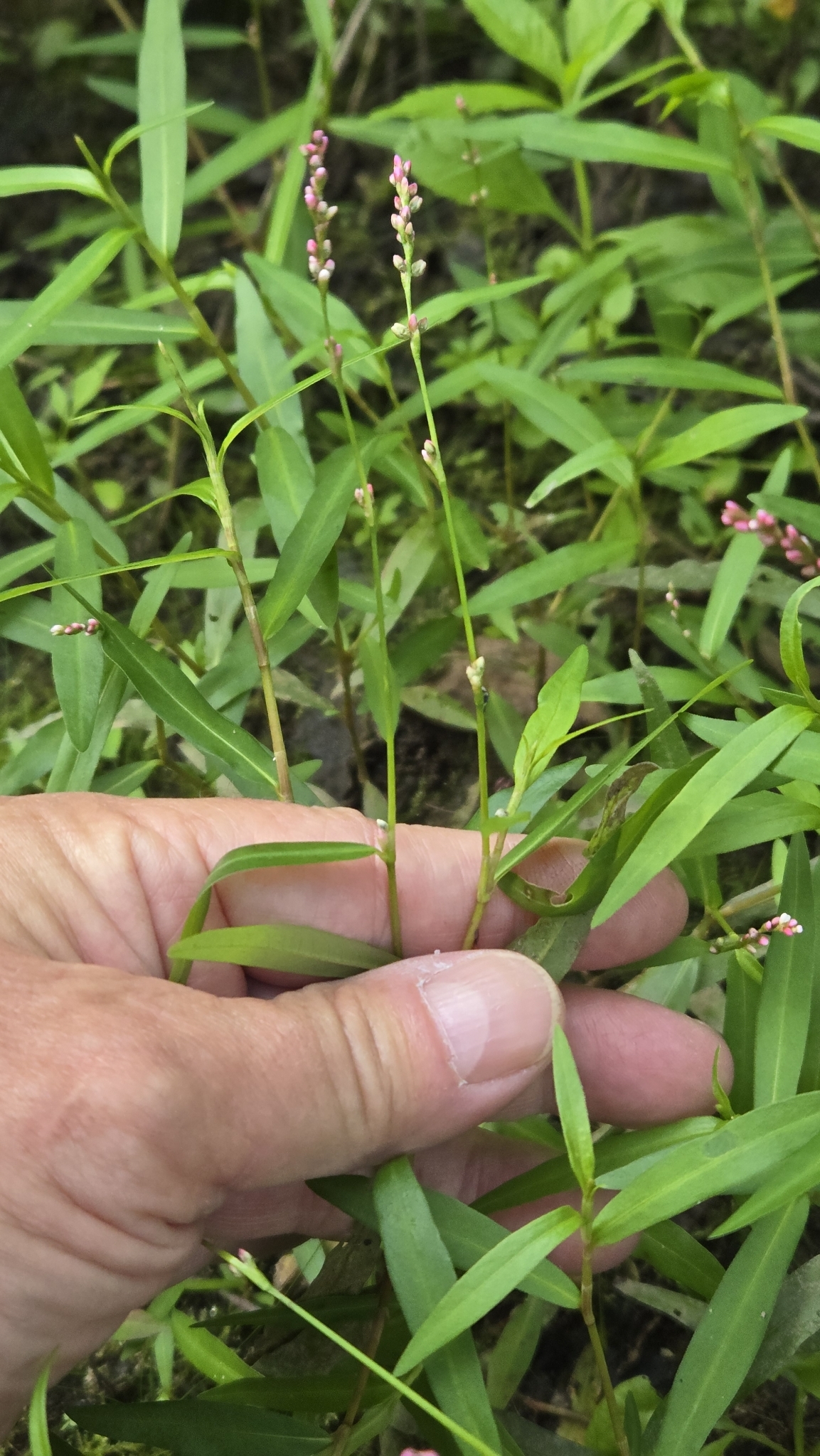

Photo 546865122, no rights reserved, uploaded by Daniel Atha
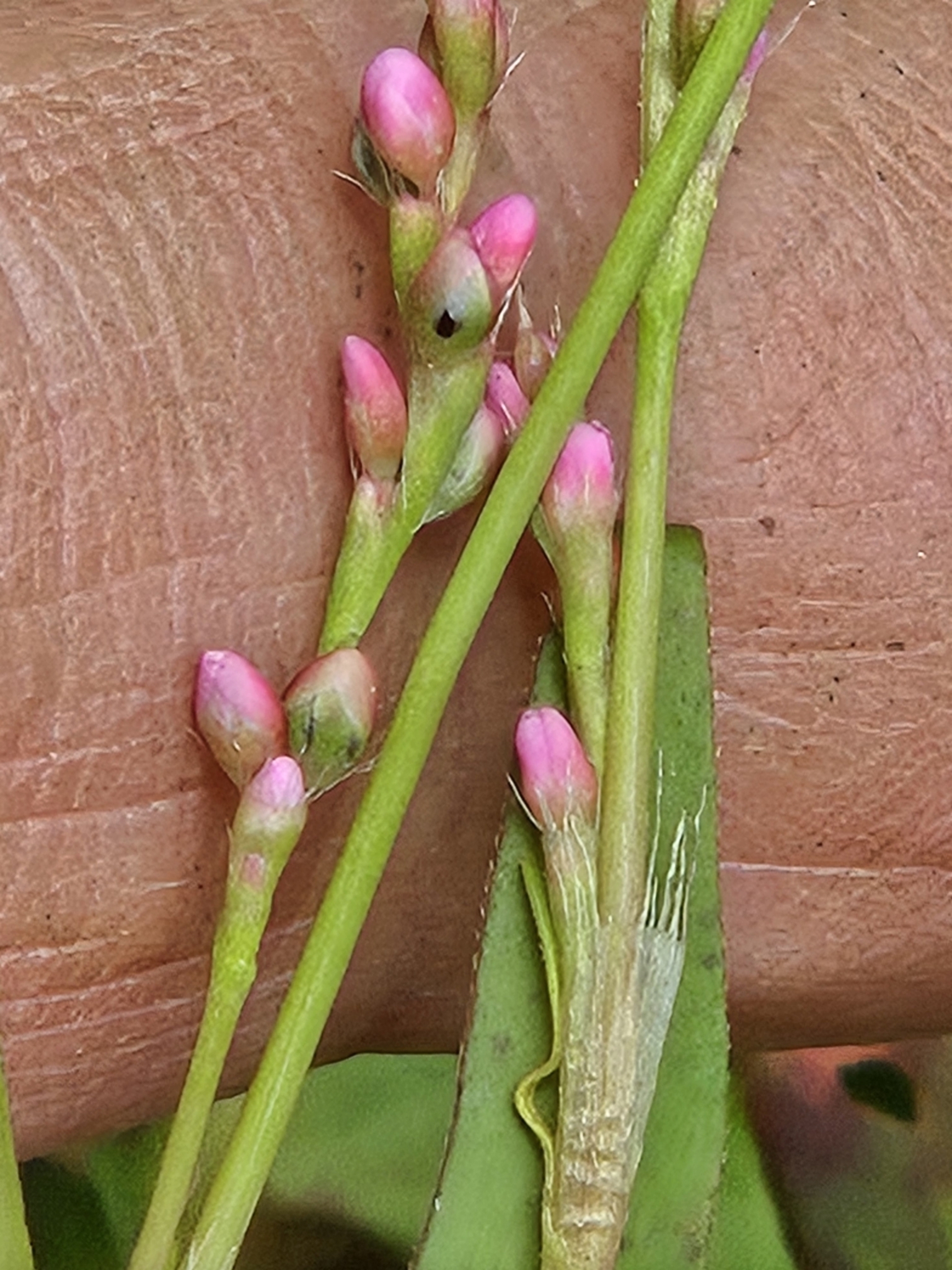

Photo 556770411, no rights reserved, uploaded by Daniel Atha
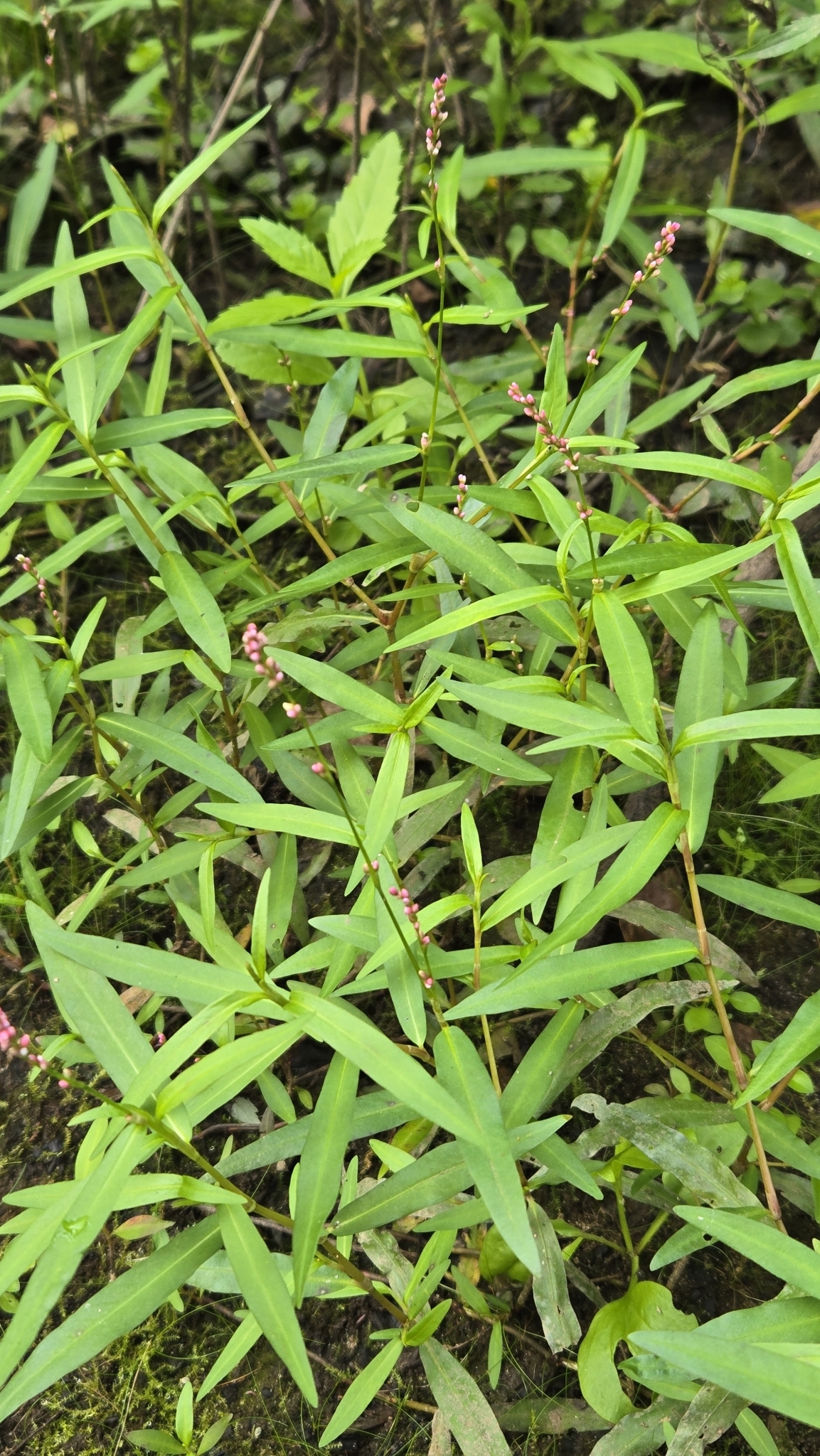

Photo 546865463, no rights reserved, uploaded by Daniel Atha
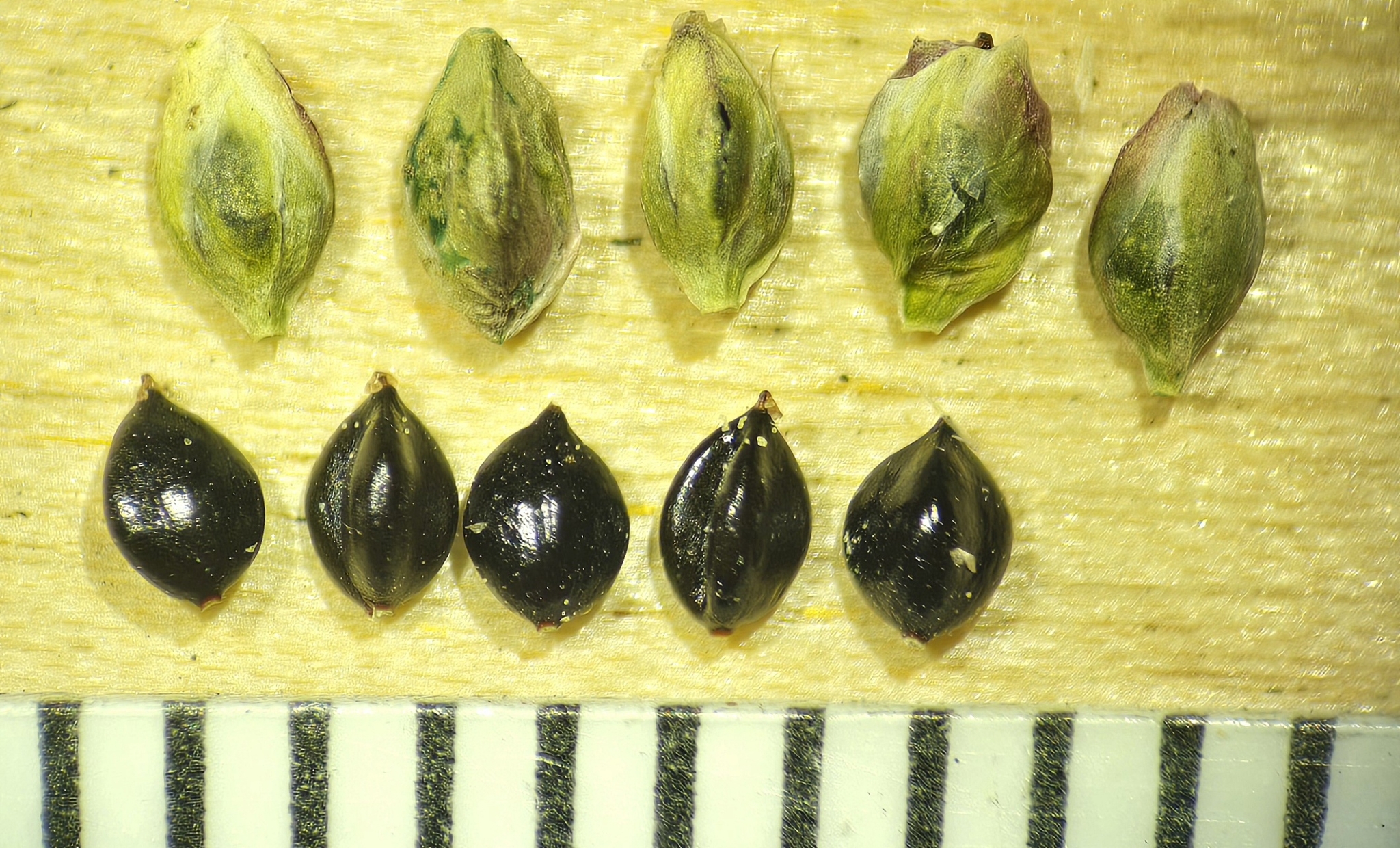

Photo 575190266, no rights reserved, uploaded by Daniel Atha


Persicaria puritanorum (Fernald) Soják

Puritan Smartweed

Annual herbs.

Apparently endemic to the Cape Cod region.
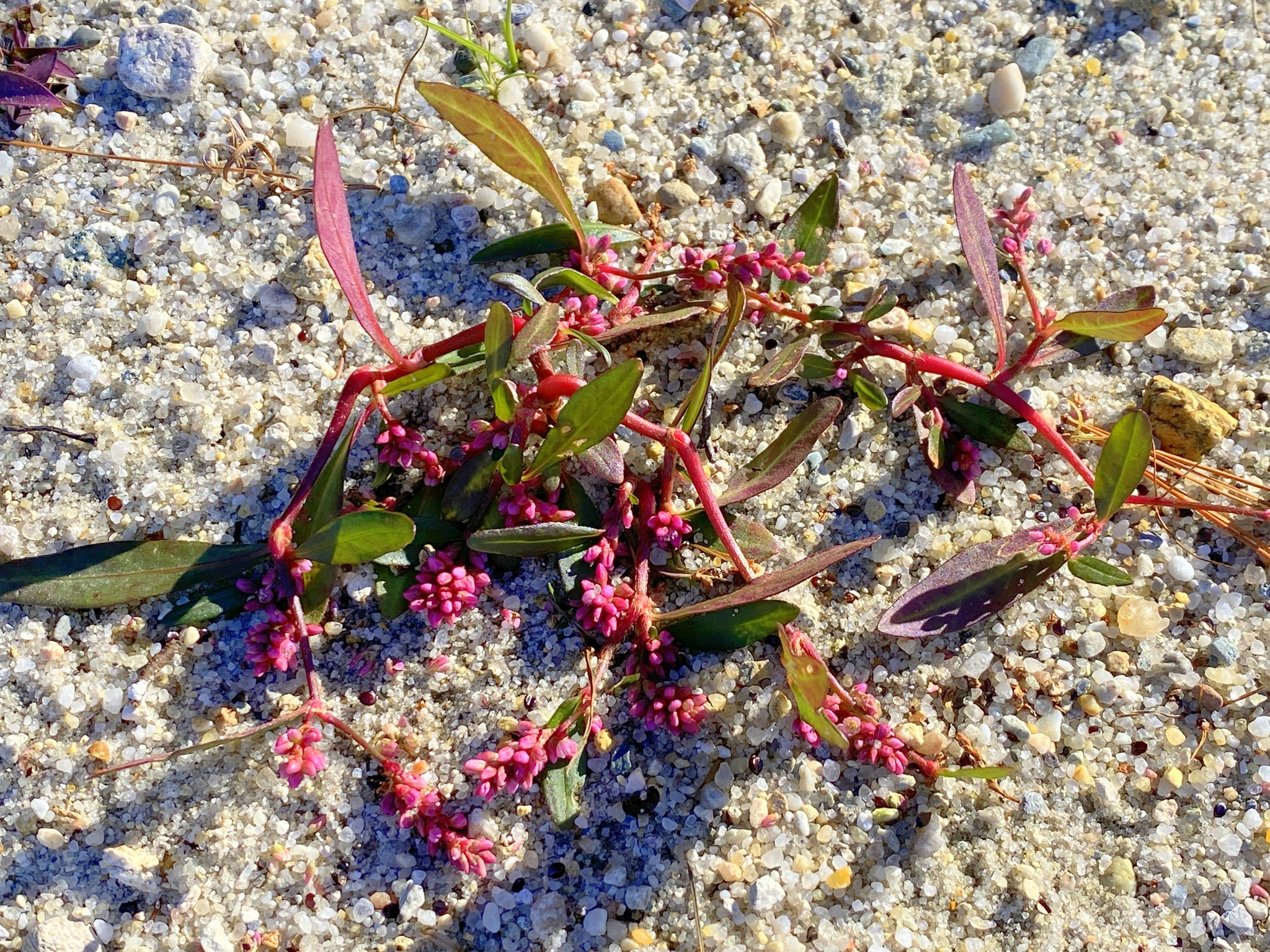

Photo 249024695, (c) doug_mcgrady, some rights reserved (CC BY-NC), uploaded by doug_mcgrady
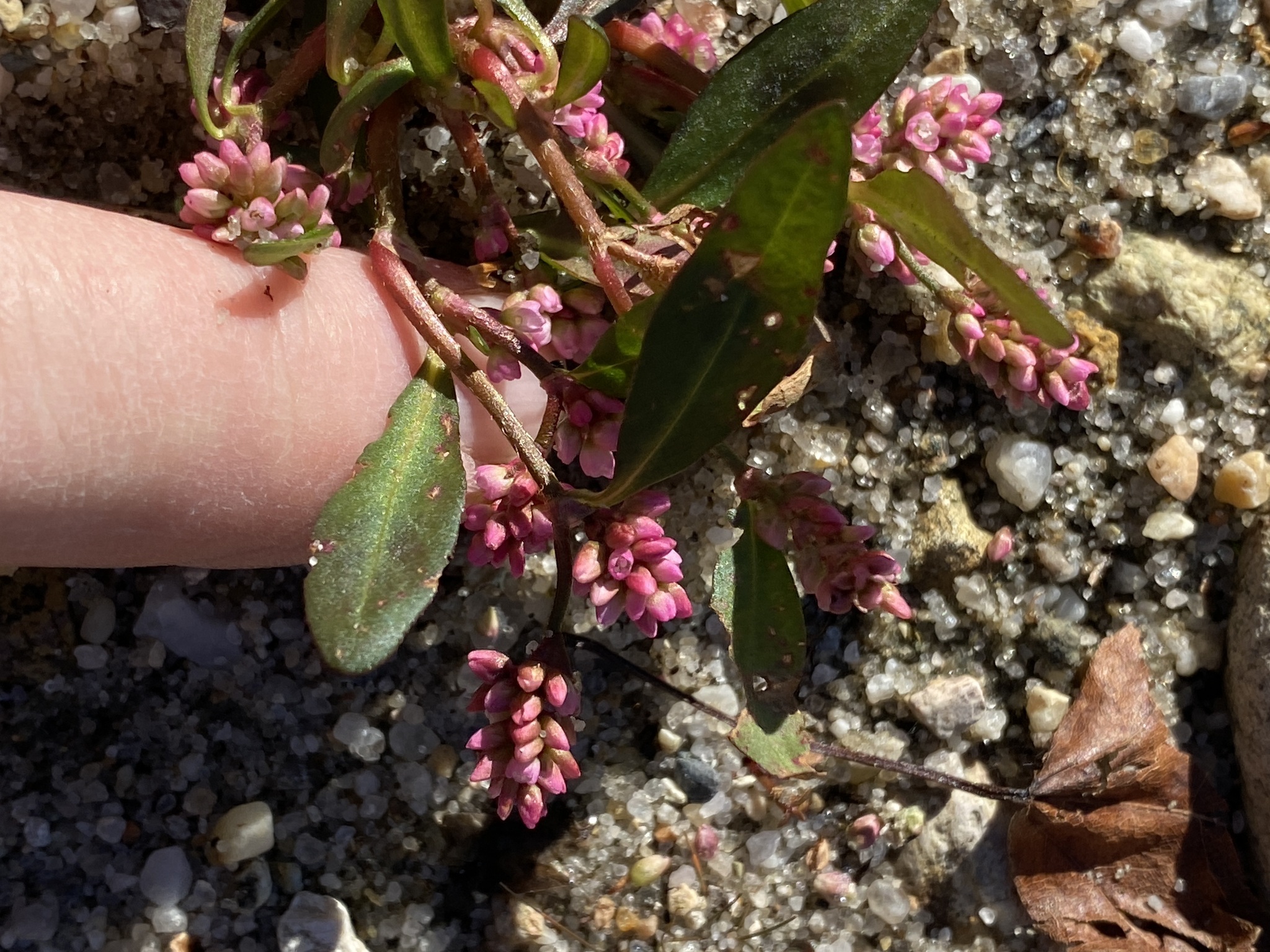

Photo 249024675, (c) doug_mcgrady, some rights reserved (CC BY-NC), uploaded by doug_mcgrady
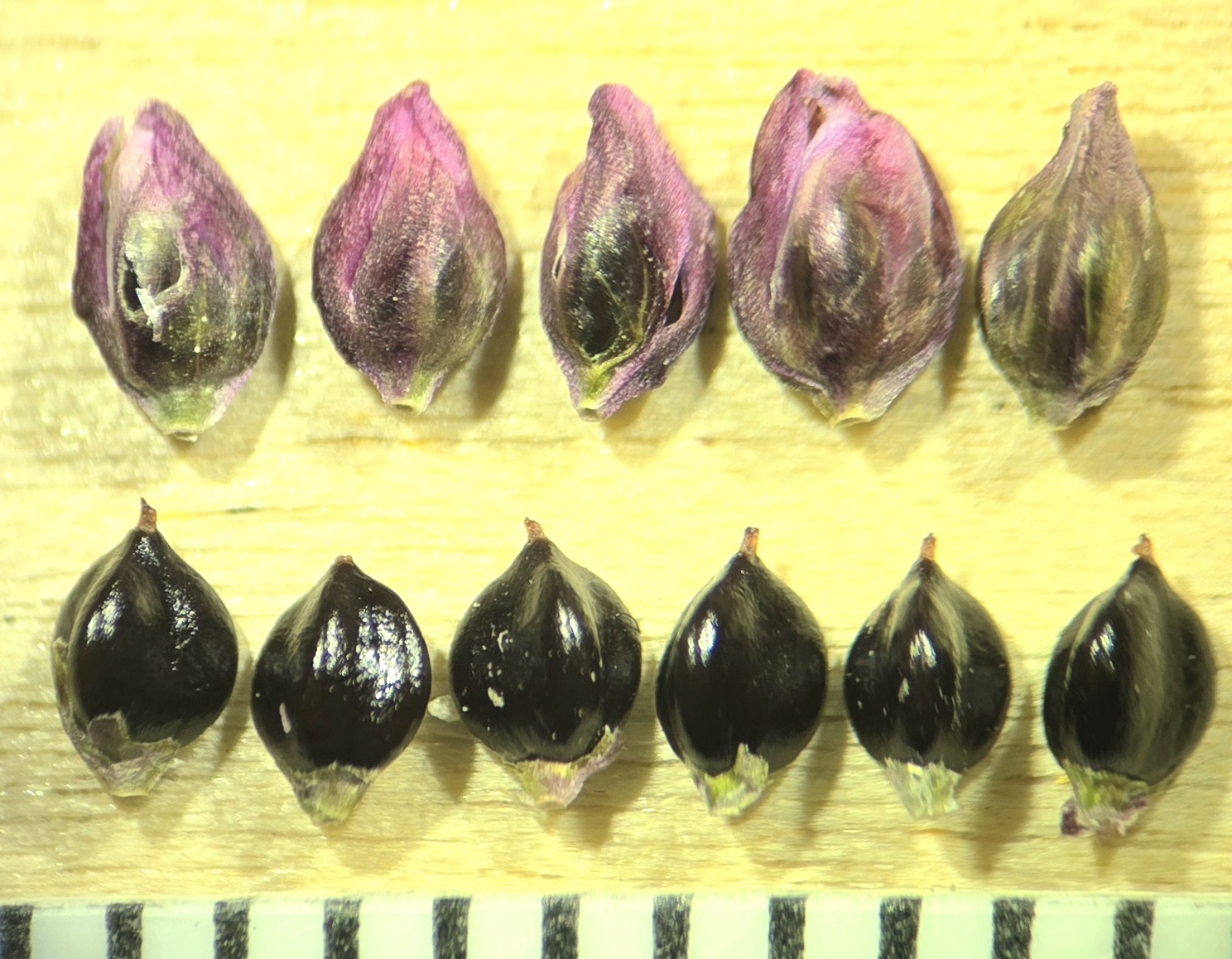

Photo 585801577, no rights reserved, uploaded by Daniel Atha


Persicaria extremiorientalis (Vorosch.) Tzvelev

Far-Eastern Smartweed

Annual herbs.
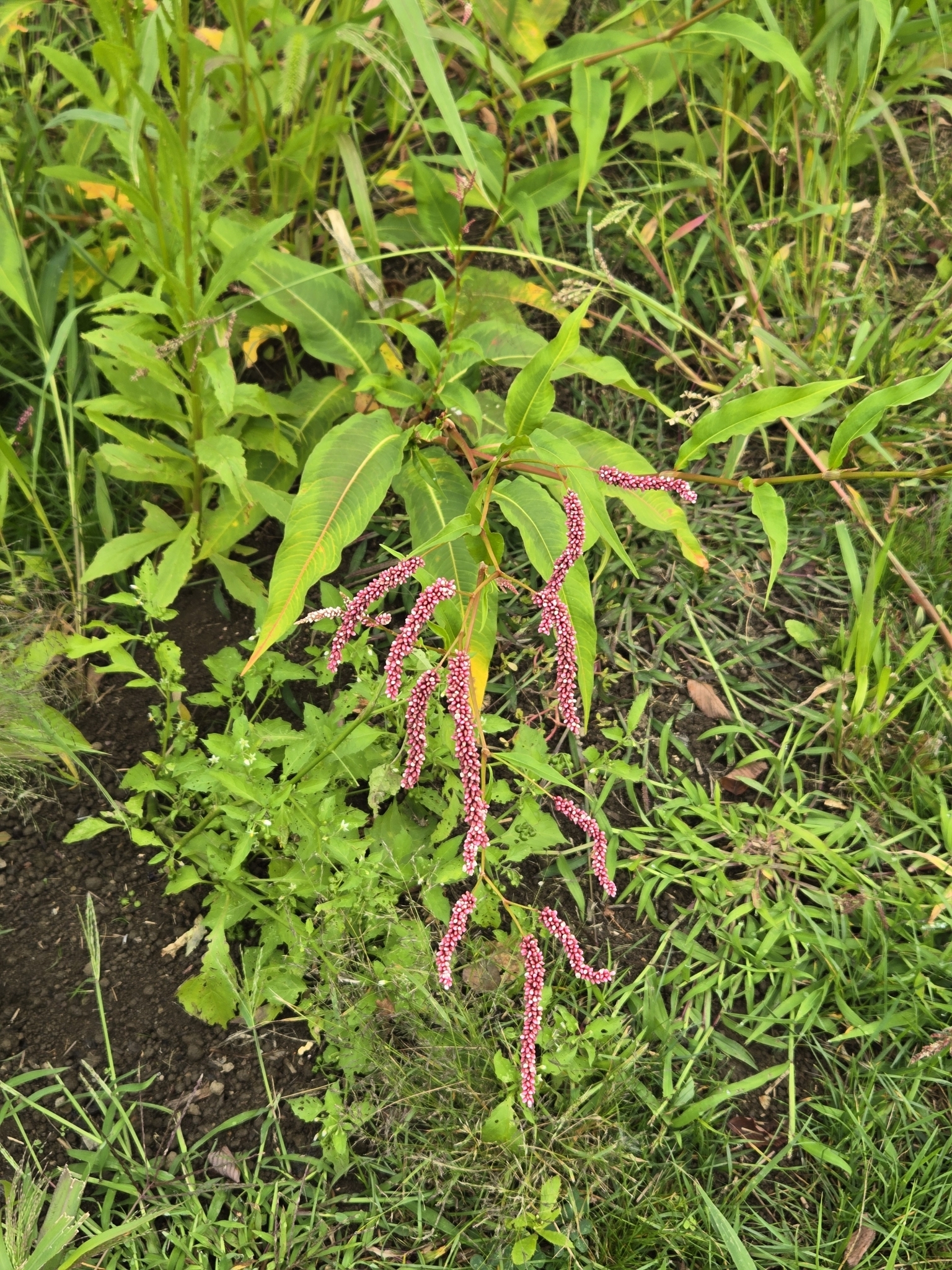

Photo 565388270, no rights reserved, uploaded by Daniel Atha
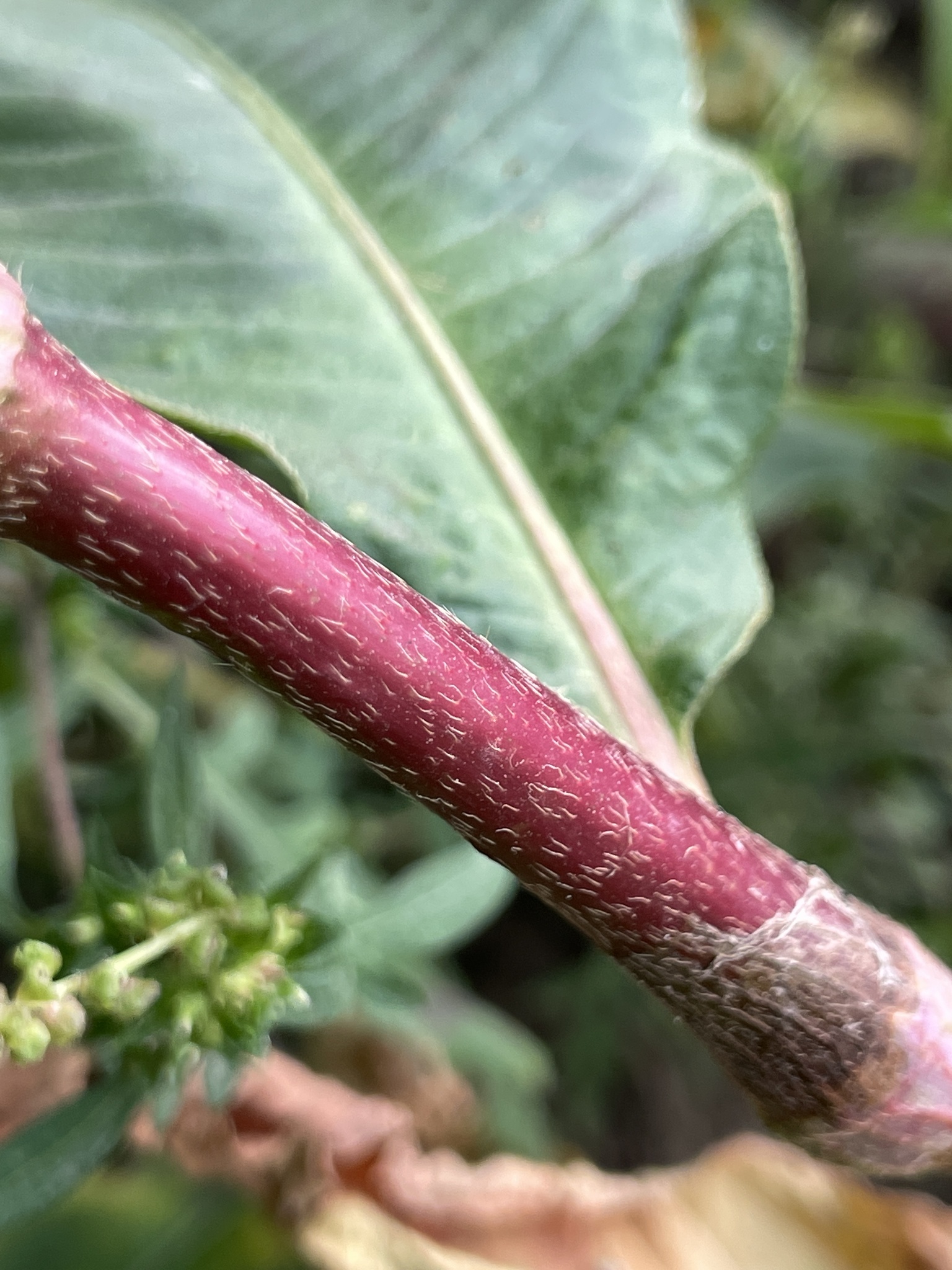

Photo 320685217, no rights reserved, uploaded by Daniel Atha
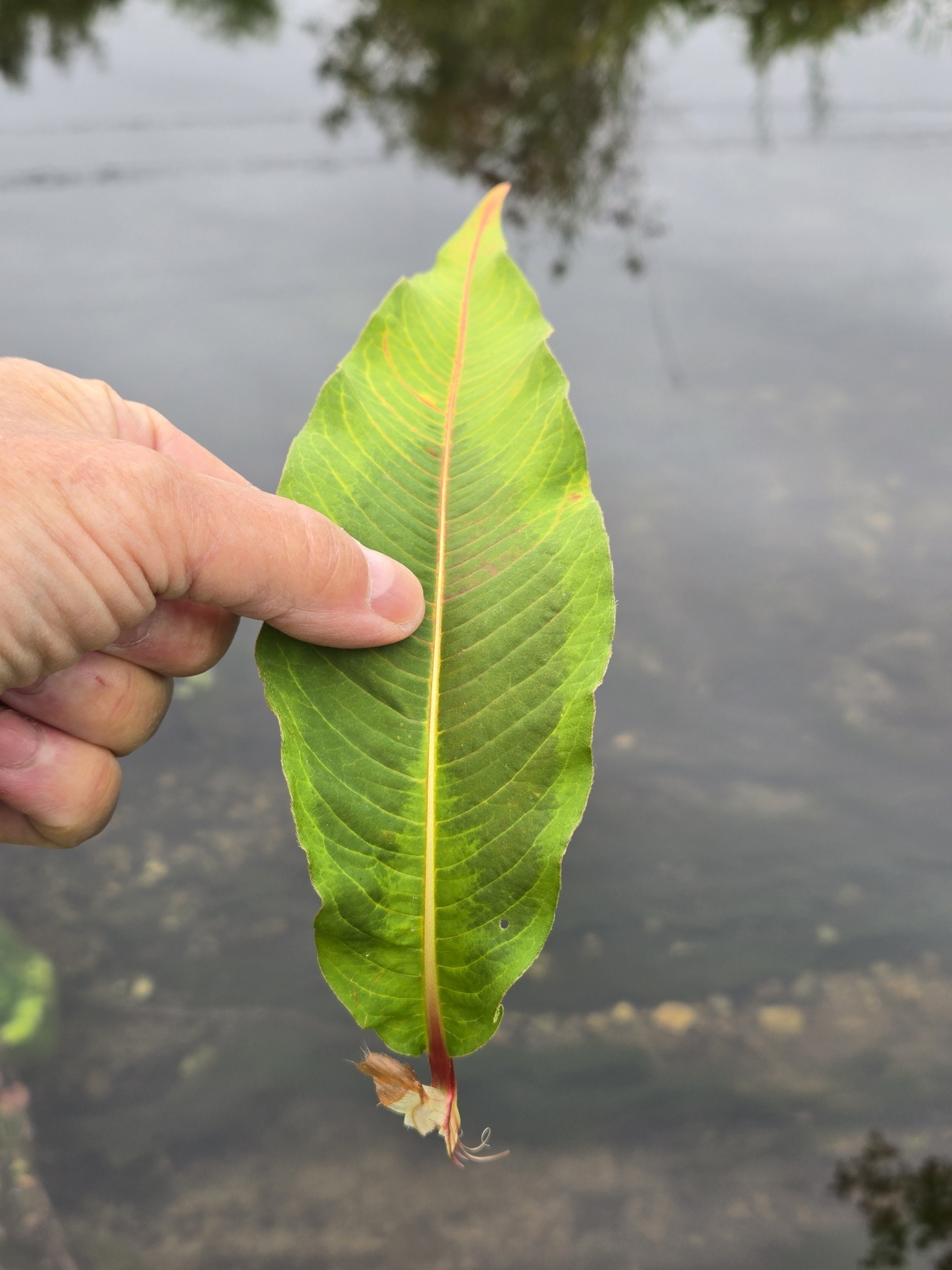

Photo 565388353, no rights reserved, uploaded by Daniel Atha
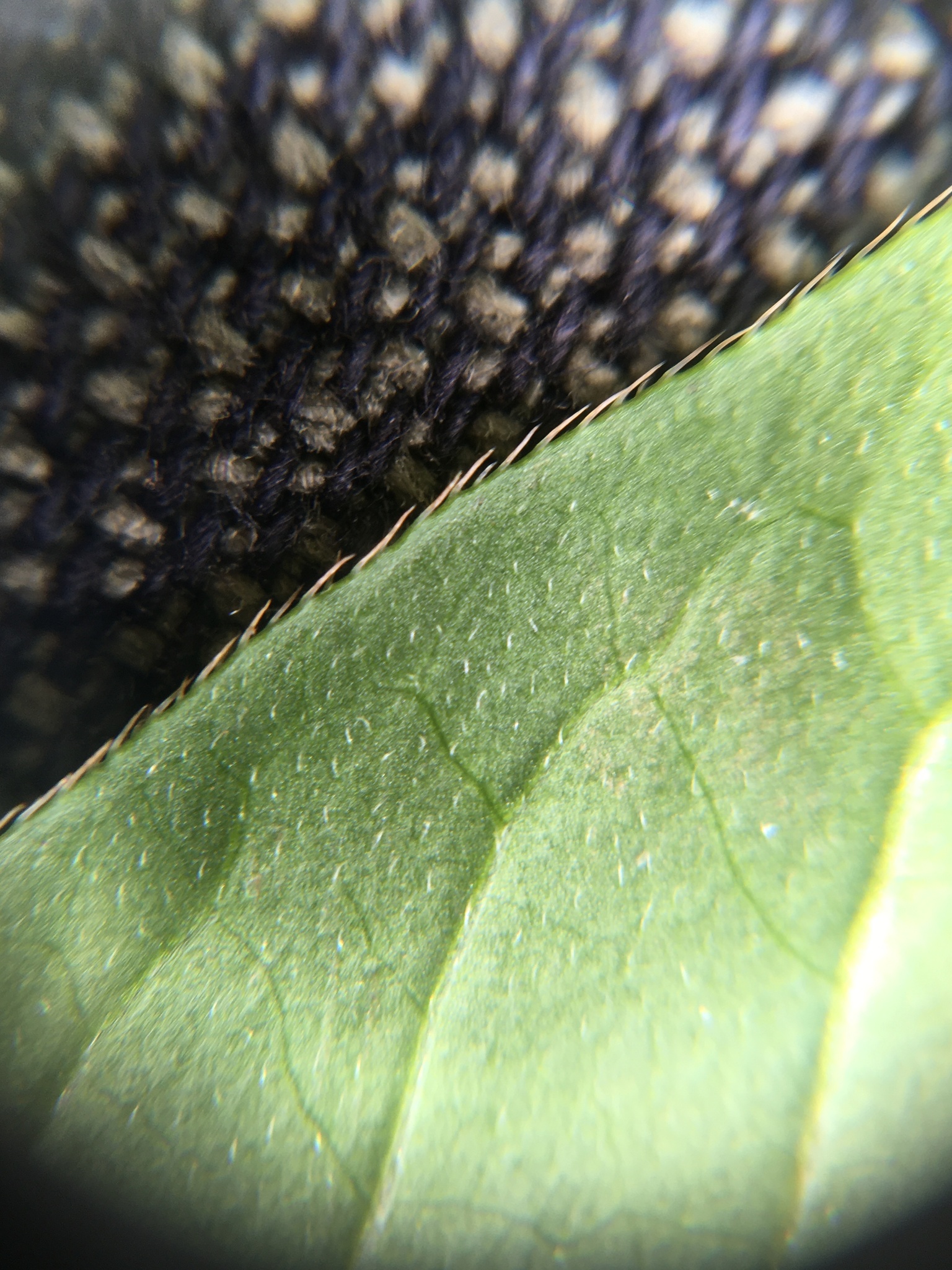

Photo 142534440, no rights reserved, uploaded by Daniel Atha
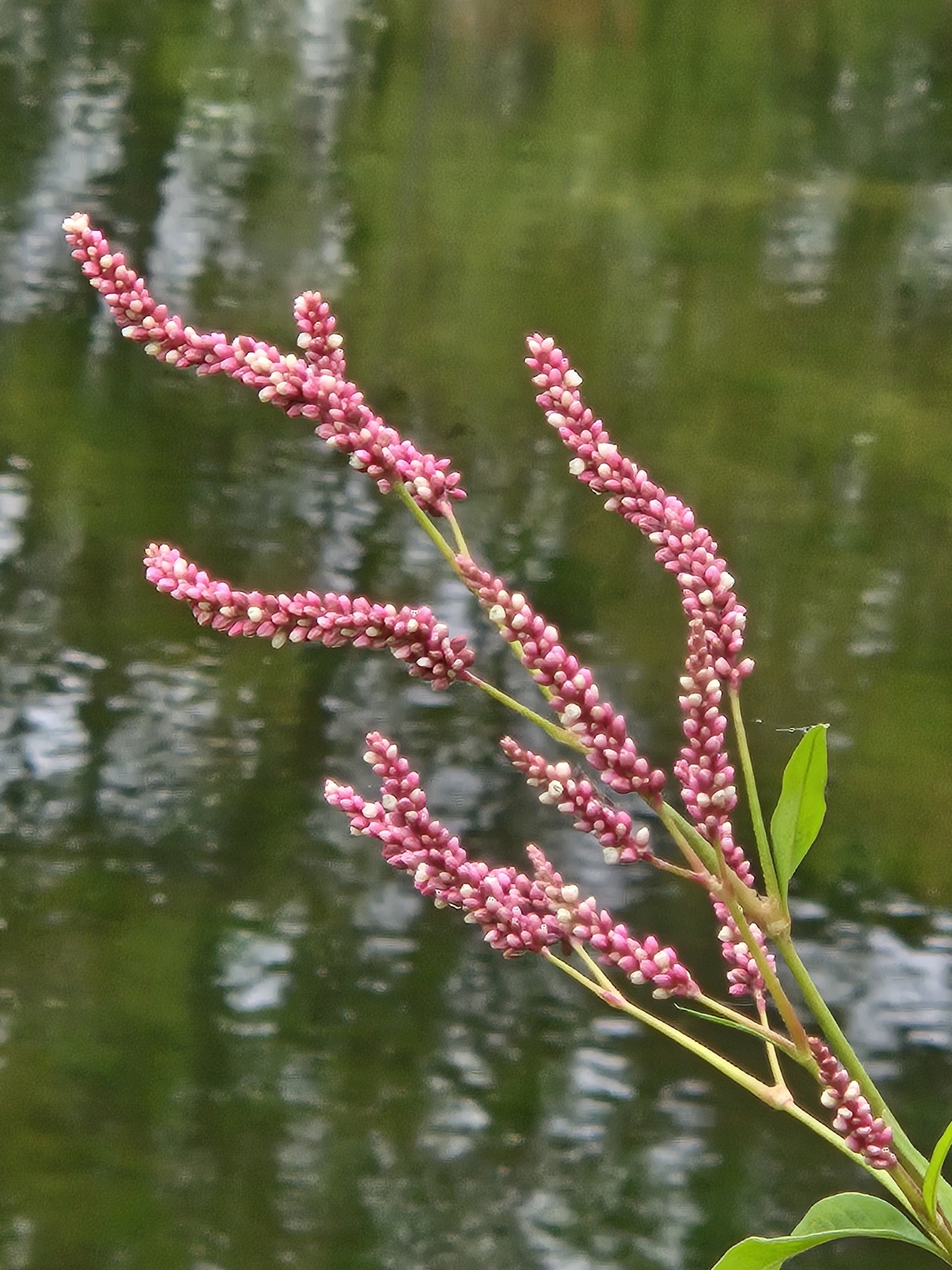

Photo 565388183, no rights reserved, uploaded by Daniel Atha
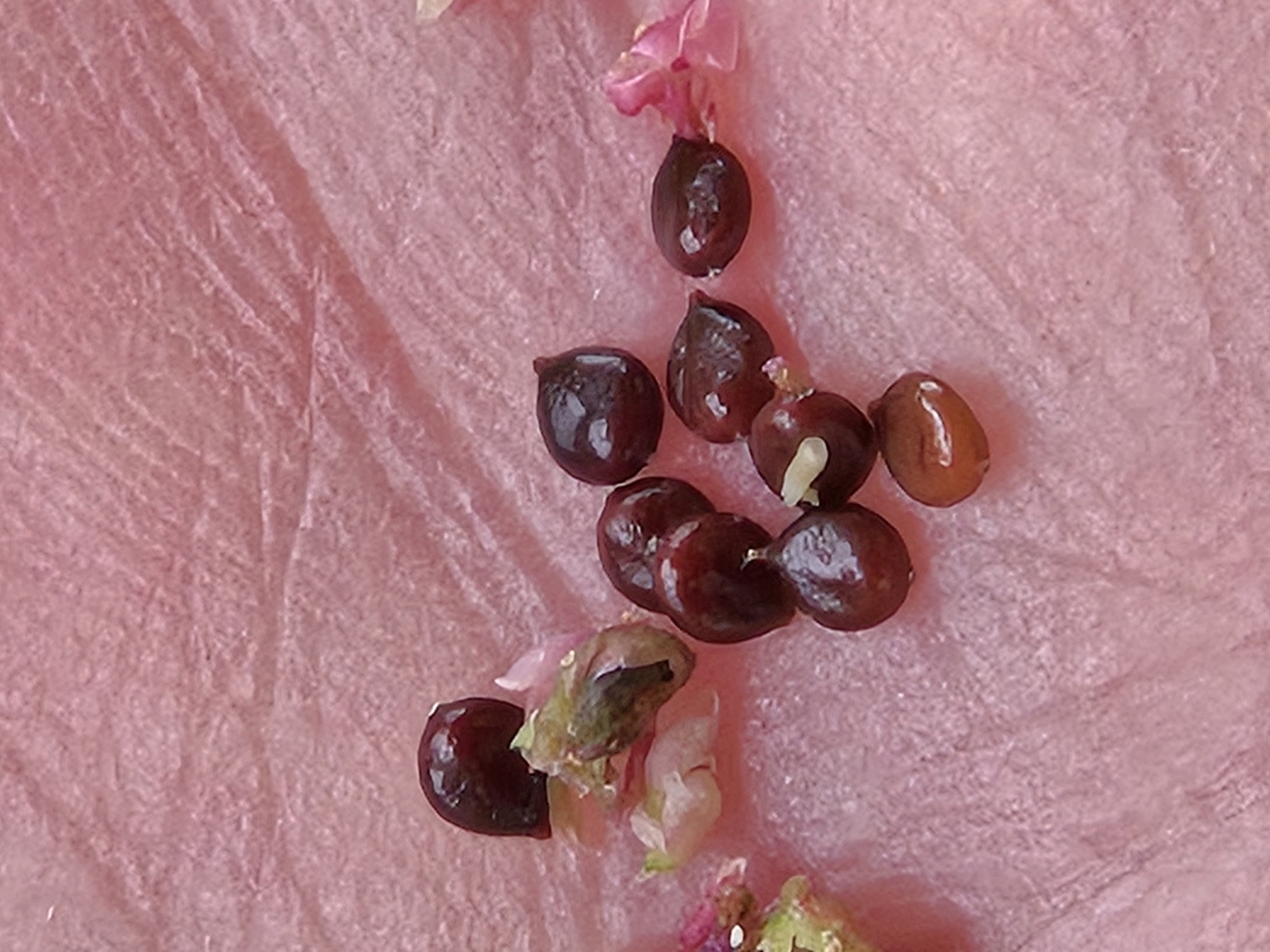

Photo 565393352, no rights reserved, uploaded by Daniel Atha
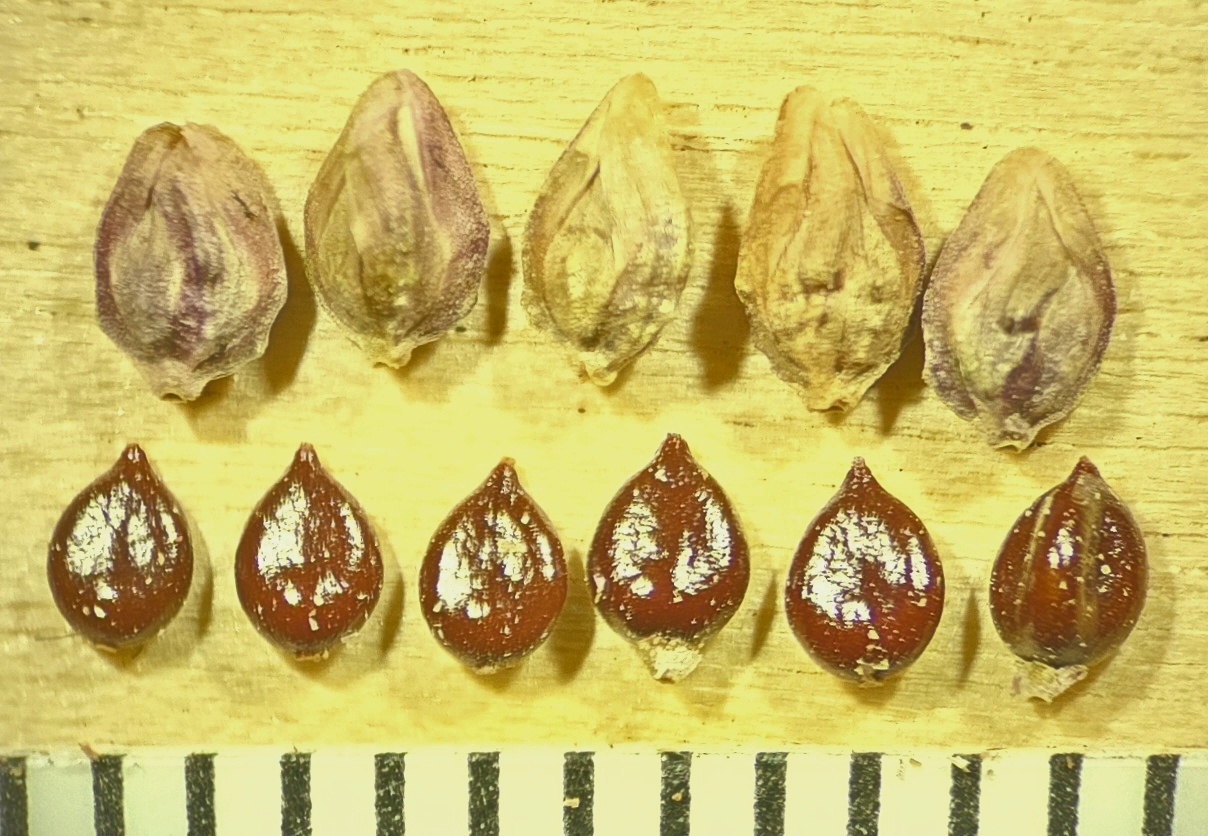

Photo 582986019, no rights reserved, uploaded by Daniel Atha


Persicaria longiseta (Bruijn) Kitag.

Low Smartweed

Annual herbs to nearly 1 m tall, from taproots; stems simple or branched near the base; ocrea strigose, the apex with bristles as long or longer than the tube; leaves elliptic or rhombic, the apex acute, the base cuneate to a short petiole, the adaxial surface ± glabrous, lustrous, rarely with a faint dark blotch, the abaxial surface distinctly lighter; inflorescences slender, uninterrupted, except often with a remote basal fascicle, the fascicles usually with 2–3 flowers per fascicle; ocreoleae ciliate, basal ocreoleae with cilia as long or longer than the flowers, the cilia diminishing upward; tepals pink, closed at anthesis; achenes trigonous.

Eastern Asia, naturalized in eastern North America, west to Minnesota, Nebraska and central Texas.

Plants in wet, shadier sites tend to be taller, less branched and have longer leaves; those in drier, more open sites tend to be short, much branched and have wider, shorter leaves.
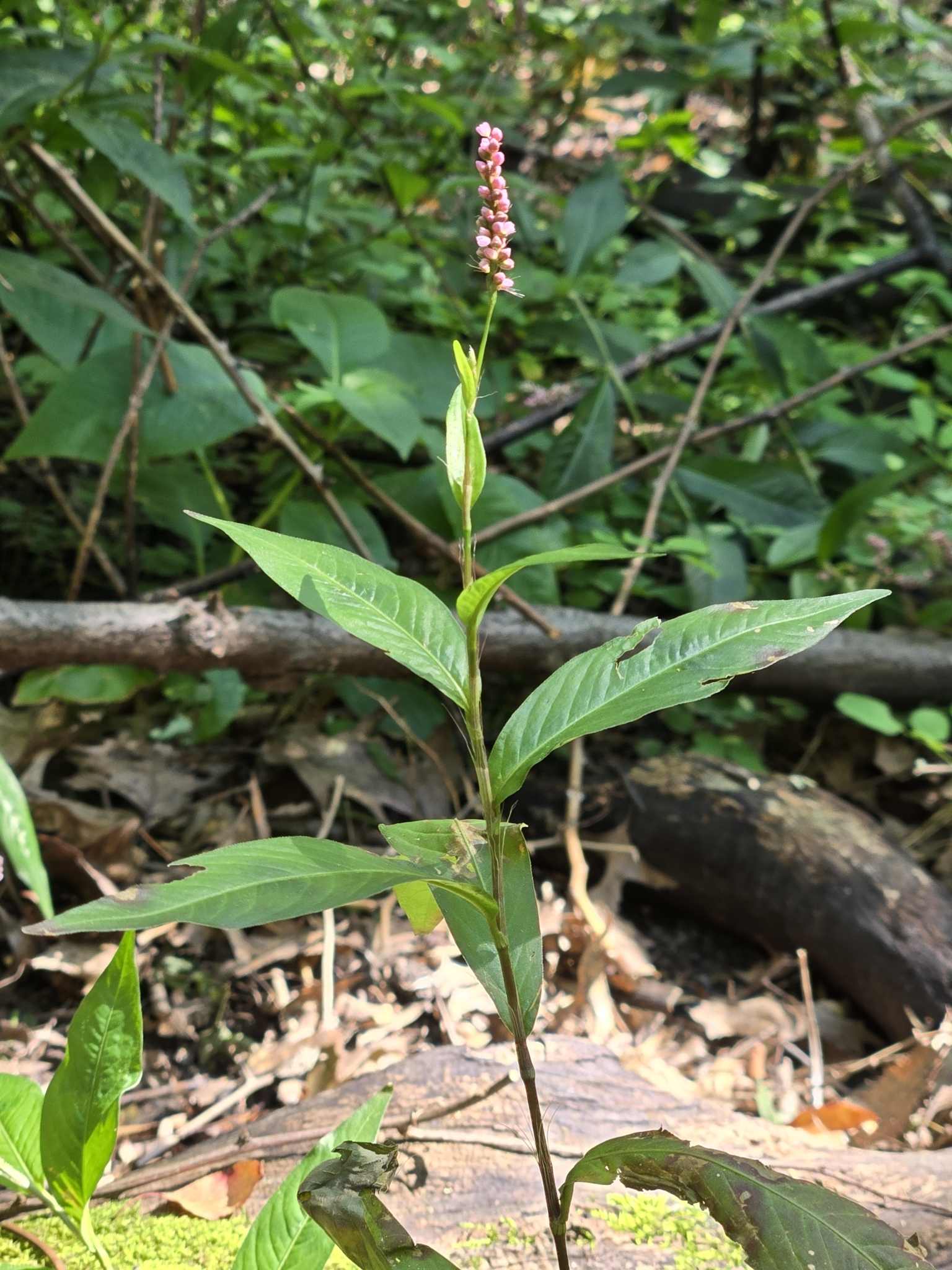

Photo 566068408, no rights reserved, uploaded by Daniel Atha
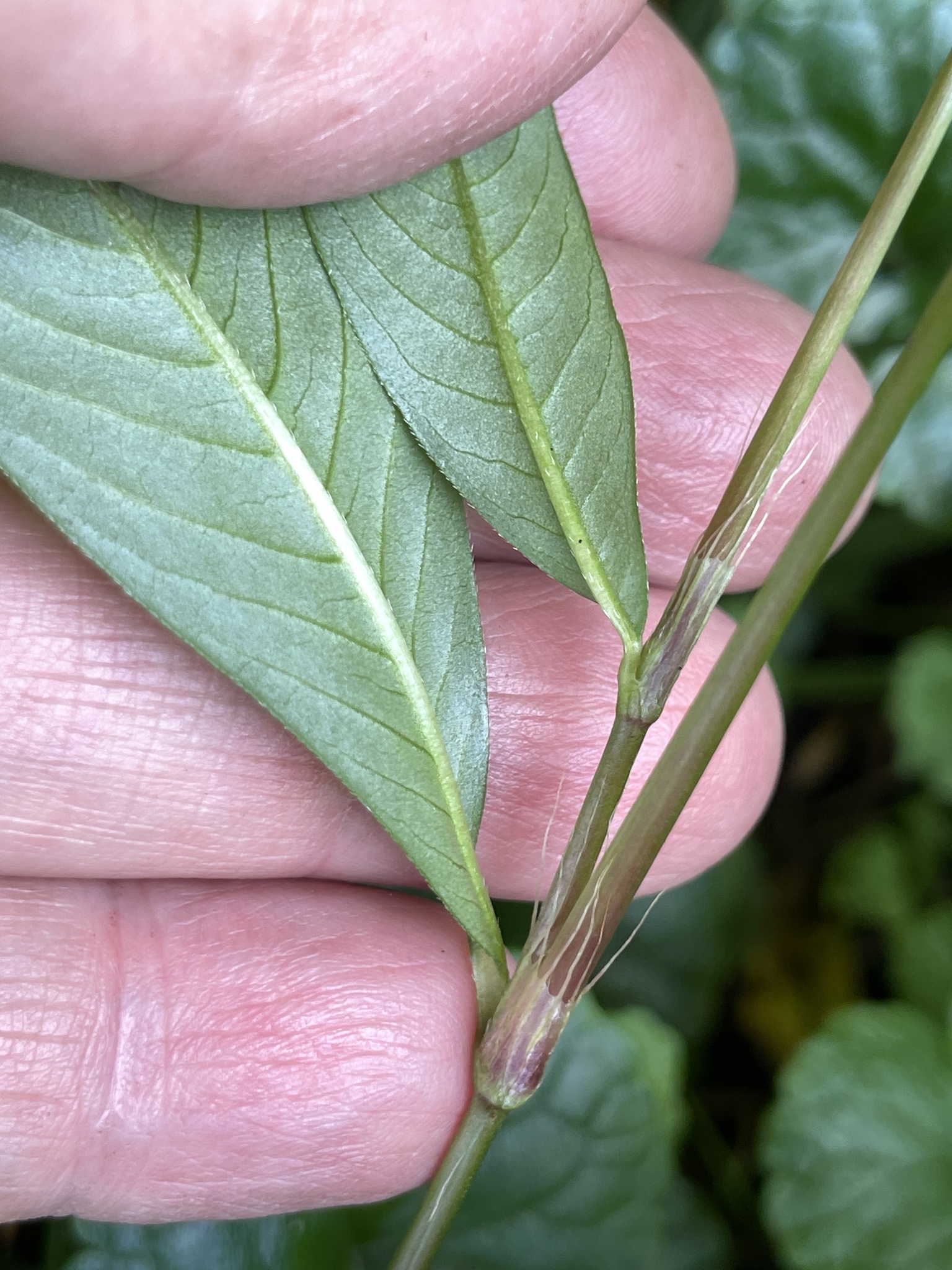

Photo 320959333, no rights reserved, uploaded by Daniel Atha
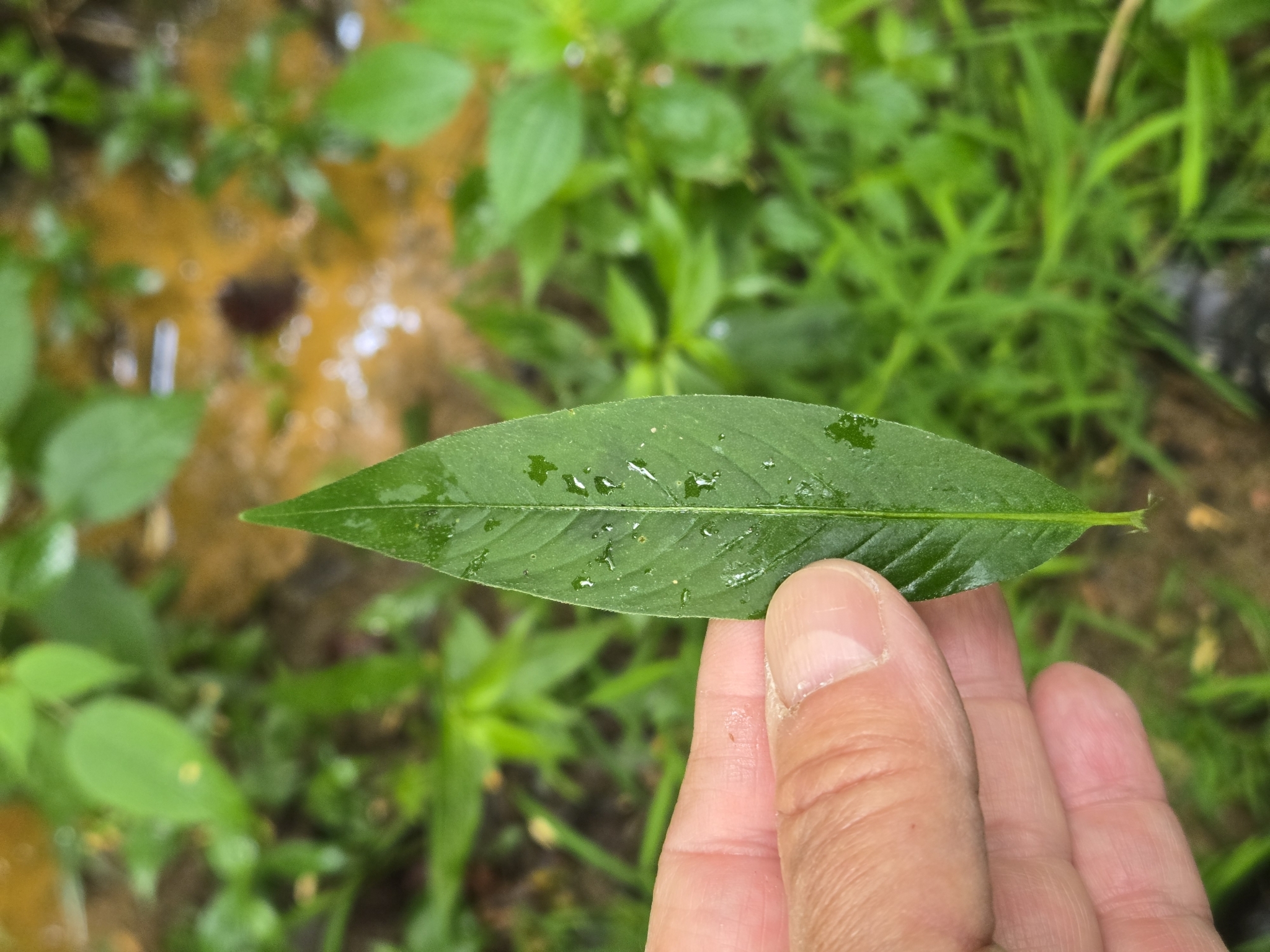

Photo 559634134, no rights reserved, uploaded by Daniel Atha
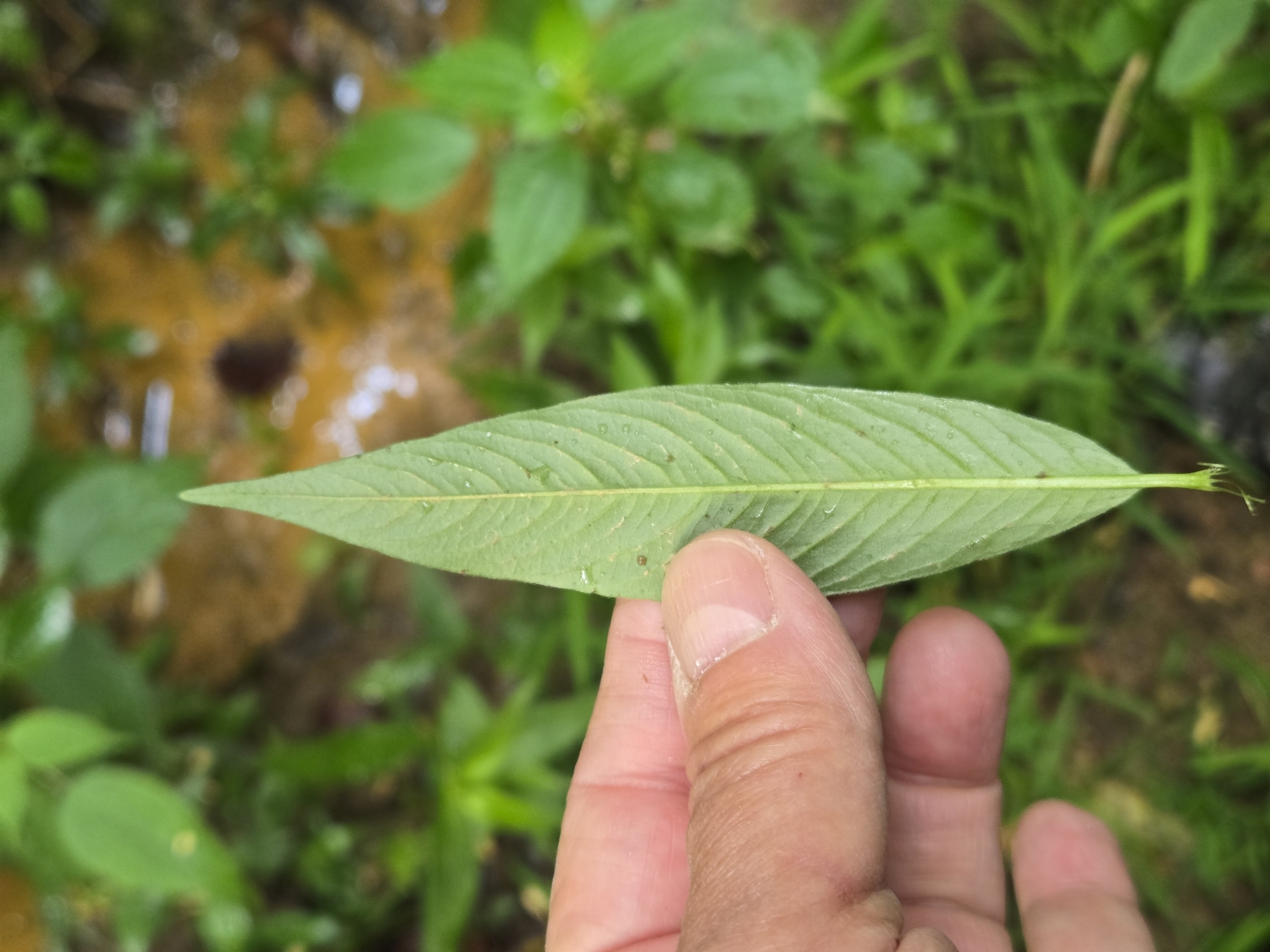

Photo 559634171, no rights reserved, uploaded by Daniel Atha
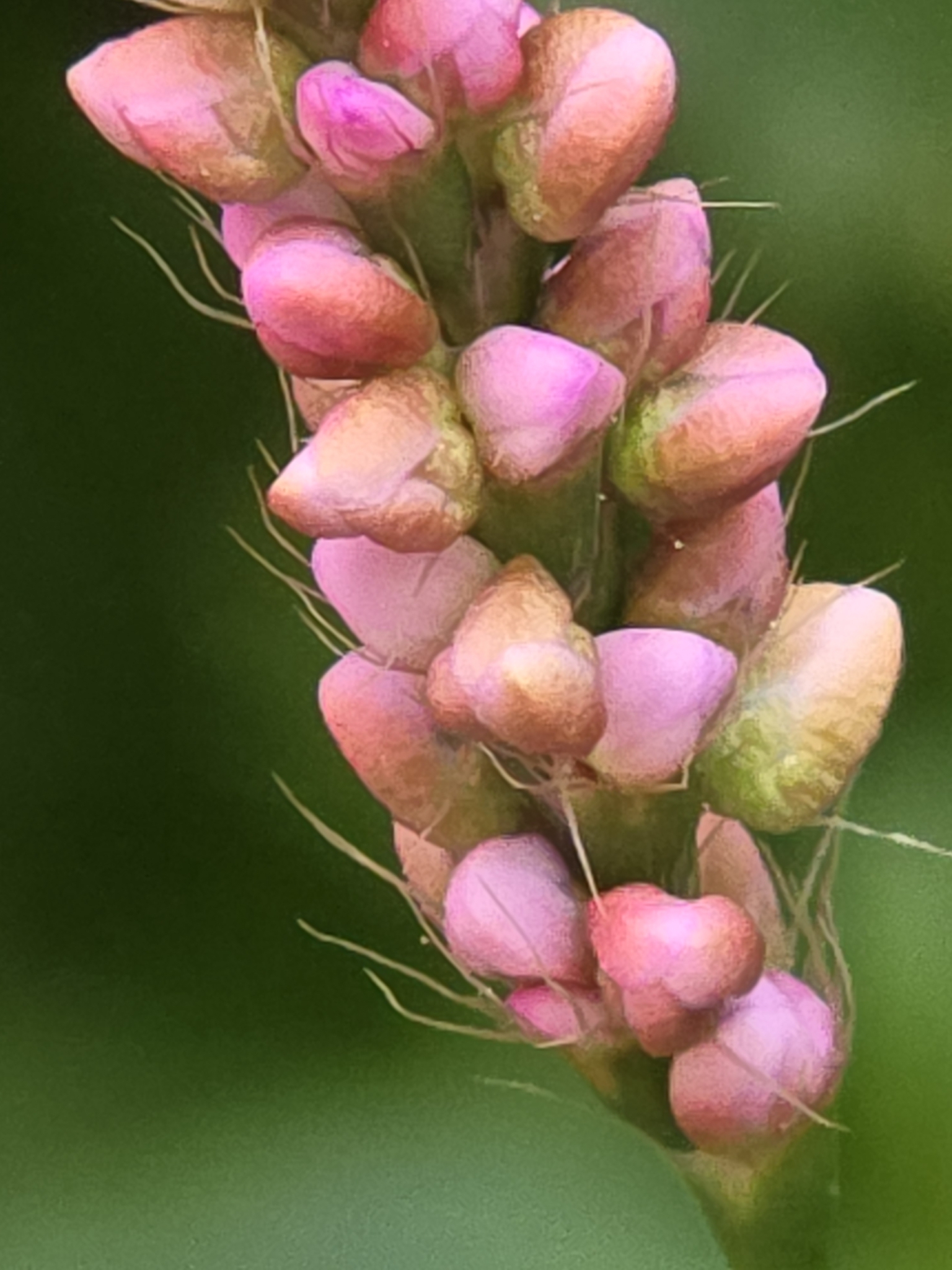

Photo 420034750, no rights reserved, uploaded by Daniel Atha
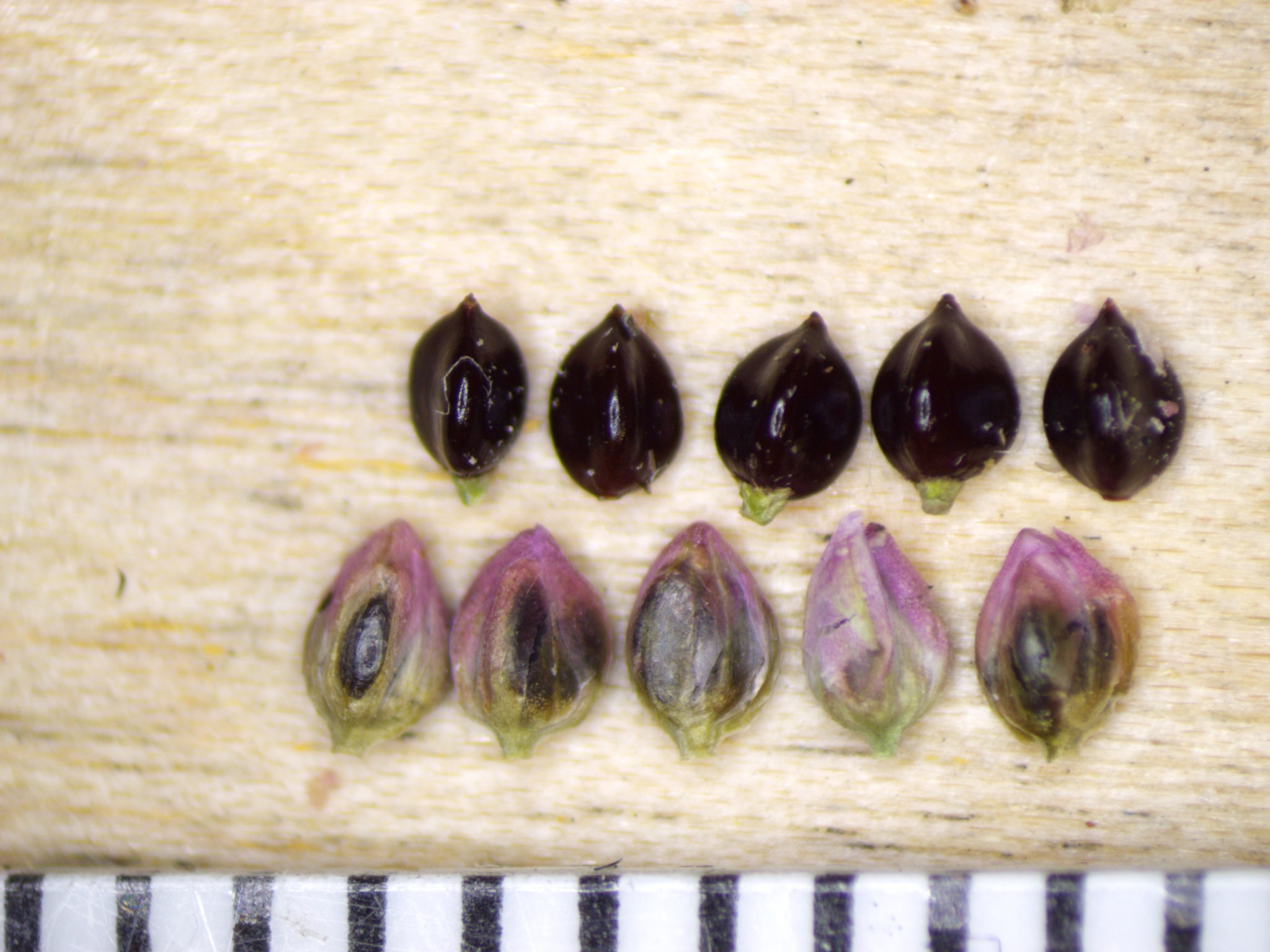

Photo 322509056, no rights reserved, uploaded by Daniel Atha
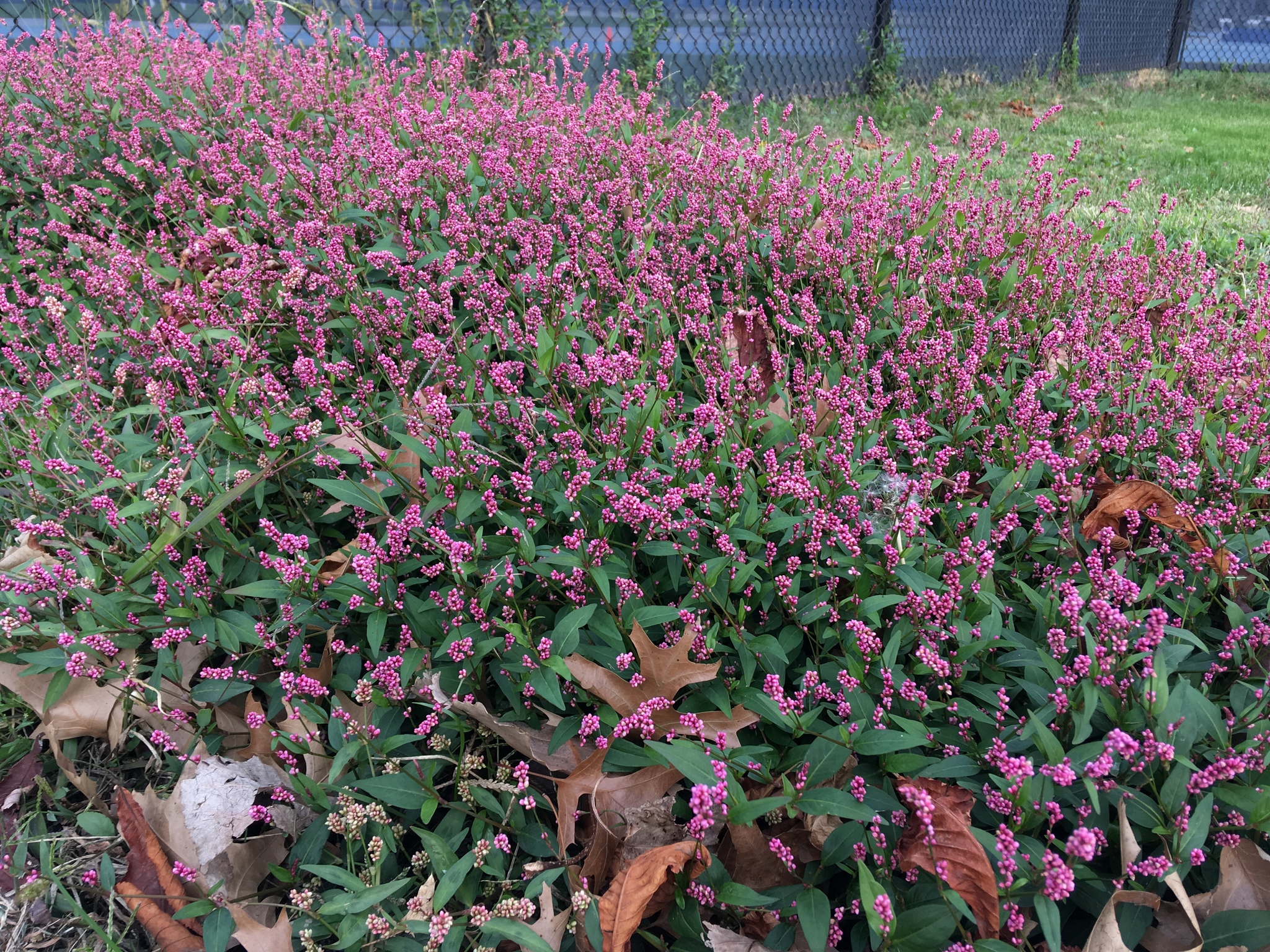

Photo 54018266, no rights reserved, uploaded by Daniel Atha

Persicaria posumbu (Buch.-Ham. ex D. Don) H. Gross

Asian Lady's Thumb

Annual herbs to 40 cm tall, from taproots; stems branched near the base; ocrea strigose, the apex with bristles about as long as the tube; leaves ovate, the apex distinctly caudate, the base rounded, the adaxial surface strigose, dull, usually with a persistent chevron; inflorescences slender, the fascicles interrupted, few flowered; tepals pink, closed at anthesis; achenes trigonous.

Eastern Asia, introduced to Eastern North America, spreading eastward and westward from the Appalachians; floodplains. Click here for range map

First Report of Persicaria posumbu (Polygonaceae) for North America
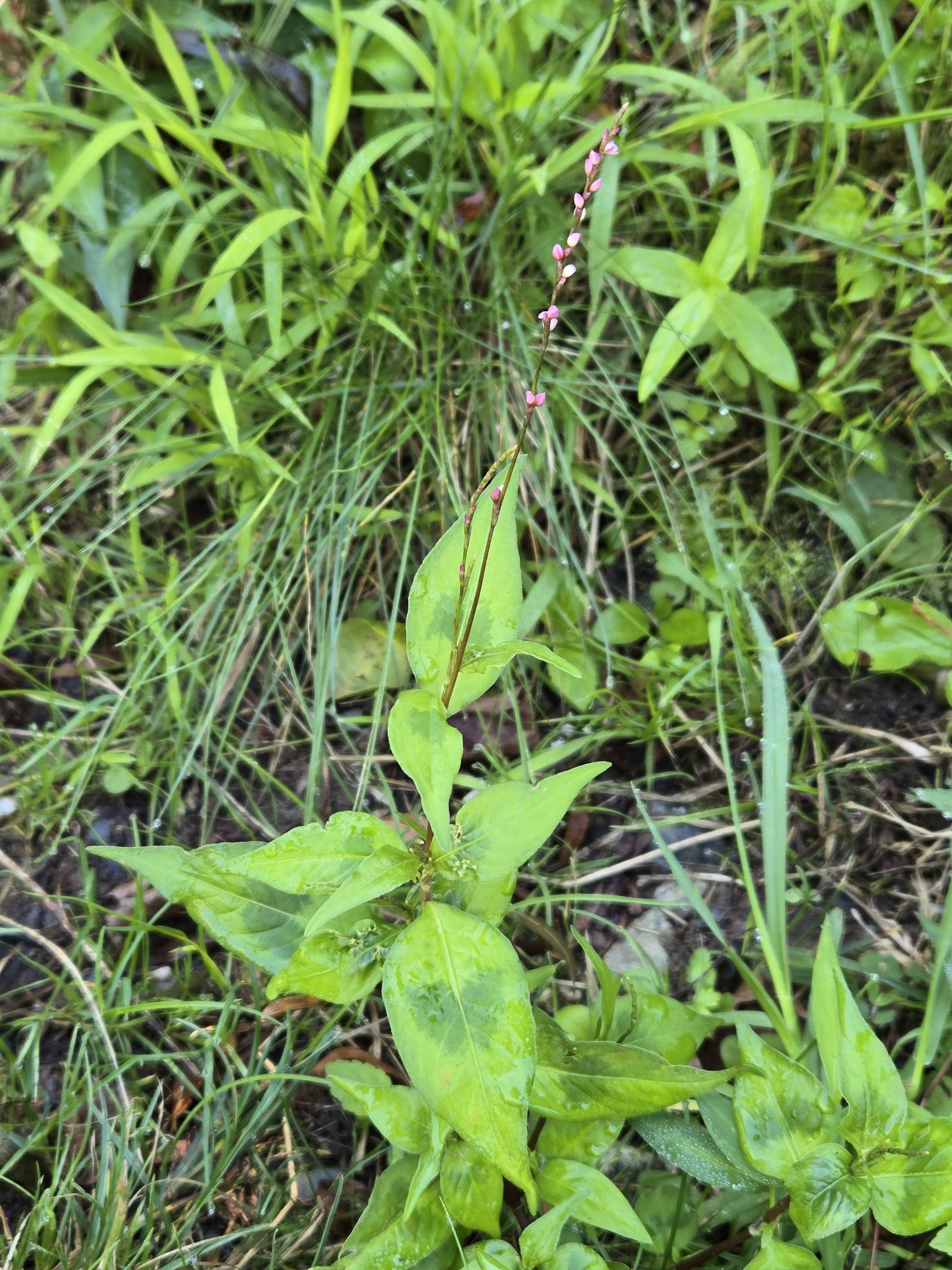

Photo 561452984, no rights reserved, uploaded by Daniel Atha


[sect. Tovara]

American and Asian Jumpseed in North America

Persicaria virginiana (L.) Gaertn.

American Jumpseed

Perennial herbs to 1.5 m tall, from knotty rhizomes; stems erect, slender and few-branched; ocreae strigose or tomentose, the apices ciliate; leaf blades ovate (widest below the middle), reduced apically, the bases rounded, the apices acute to acuminate, strigose above and below, the margins setose; inflorescences to 45 cm long, very slender; flowers solitary or 2–3 per ocreolate fascicle; tepals 4, white, greenish white or rarely pink; achenes biconvex, brown, with hooked, persistent style.
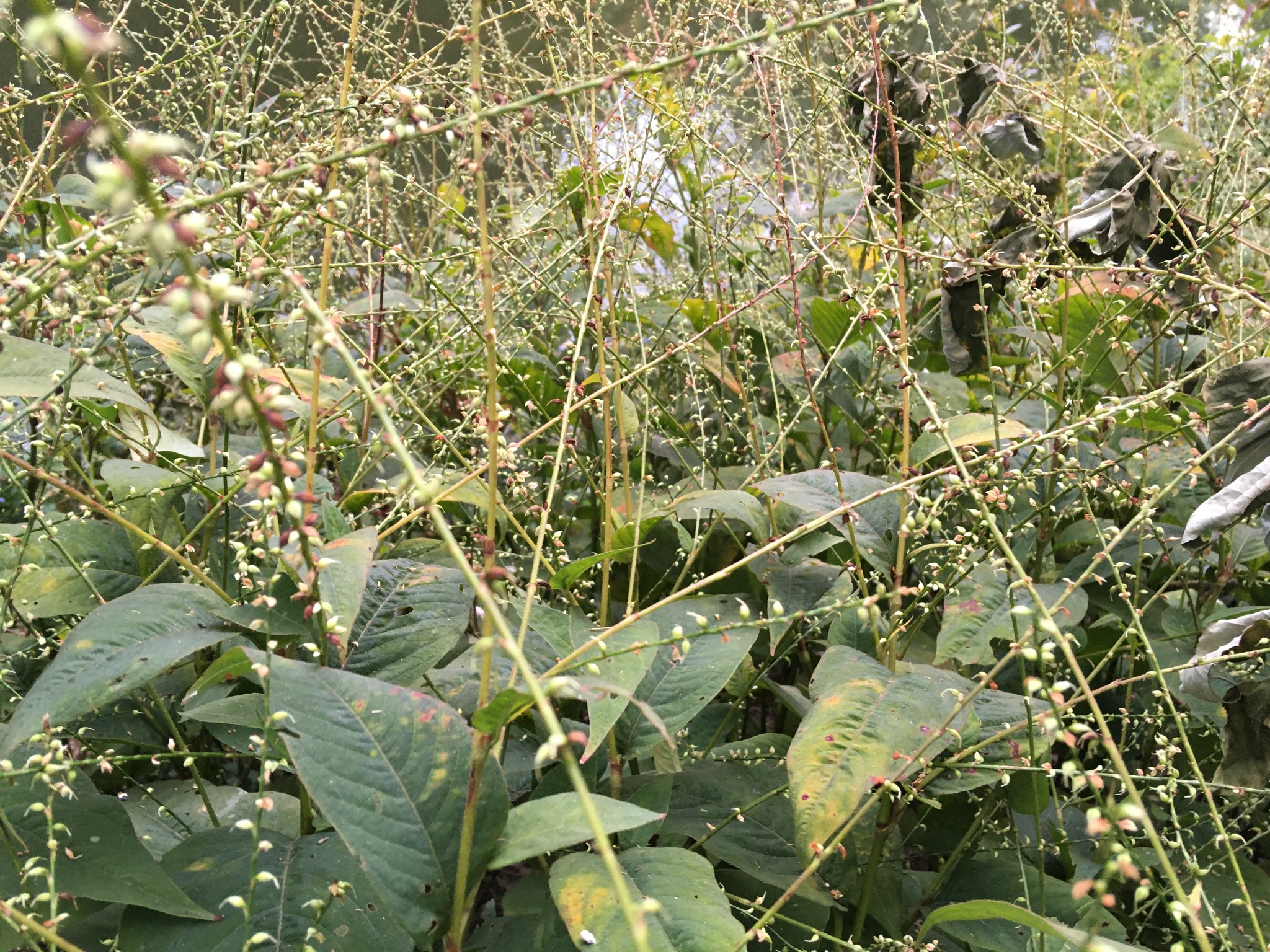
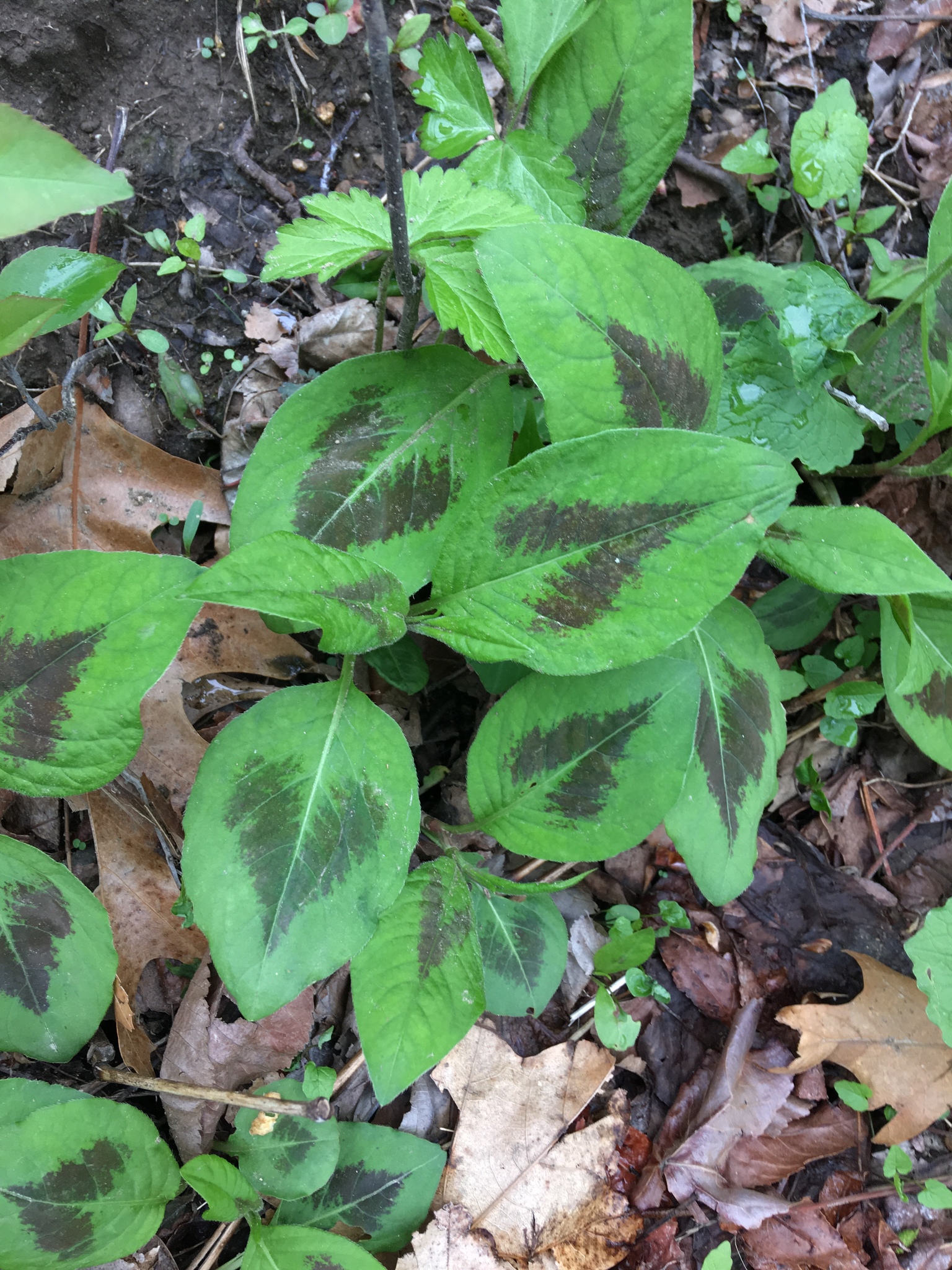
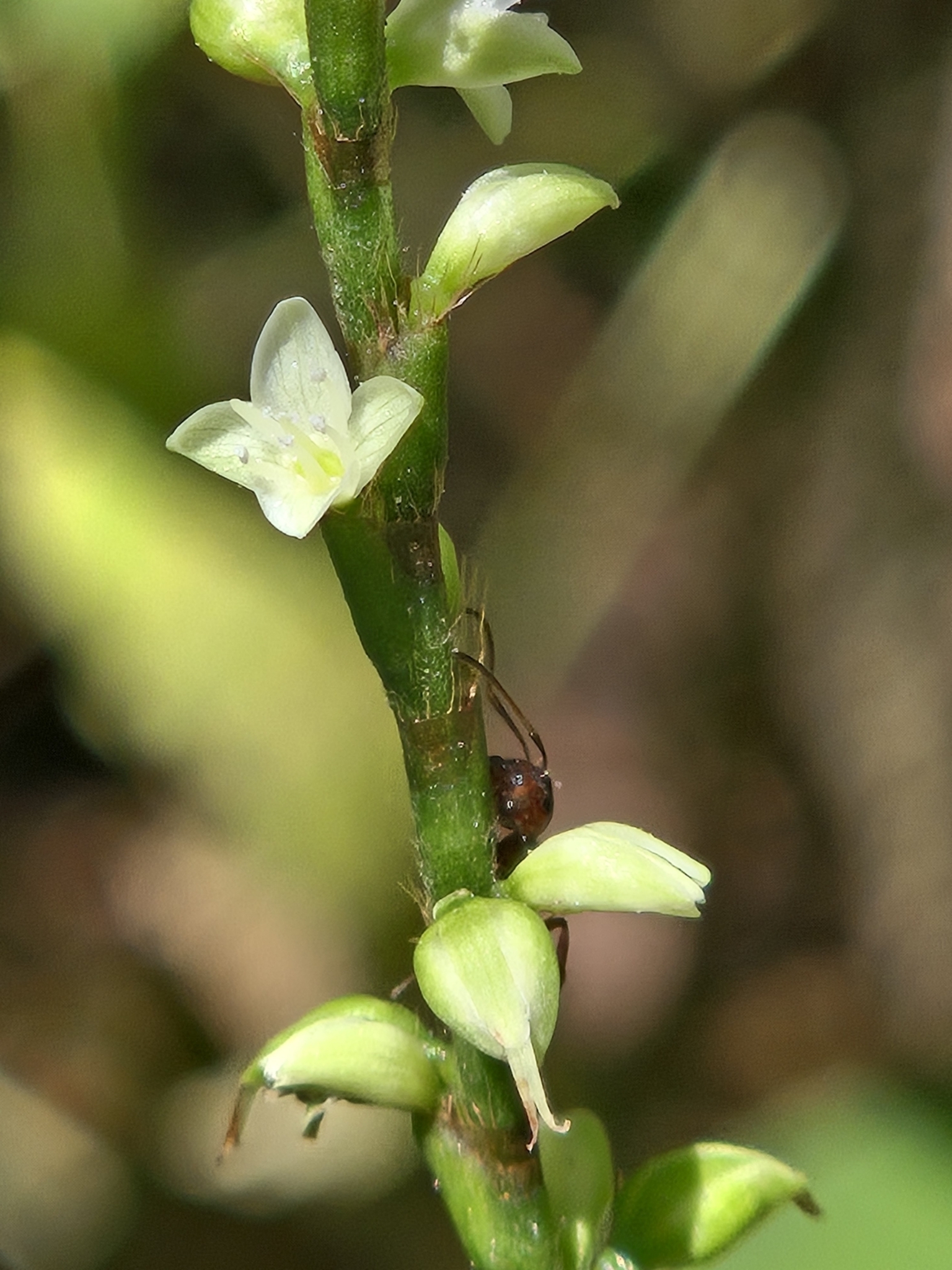
Photo 566070477, no rights reserved, uploaded by Daniel Atha
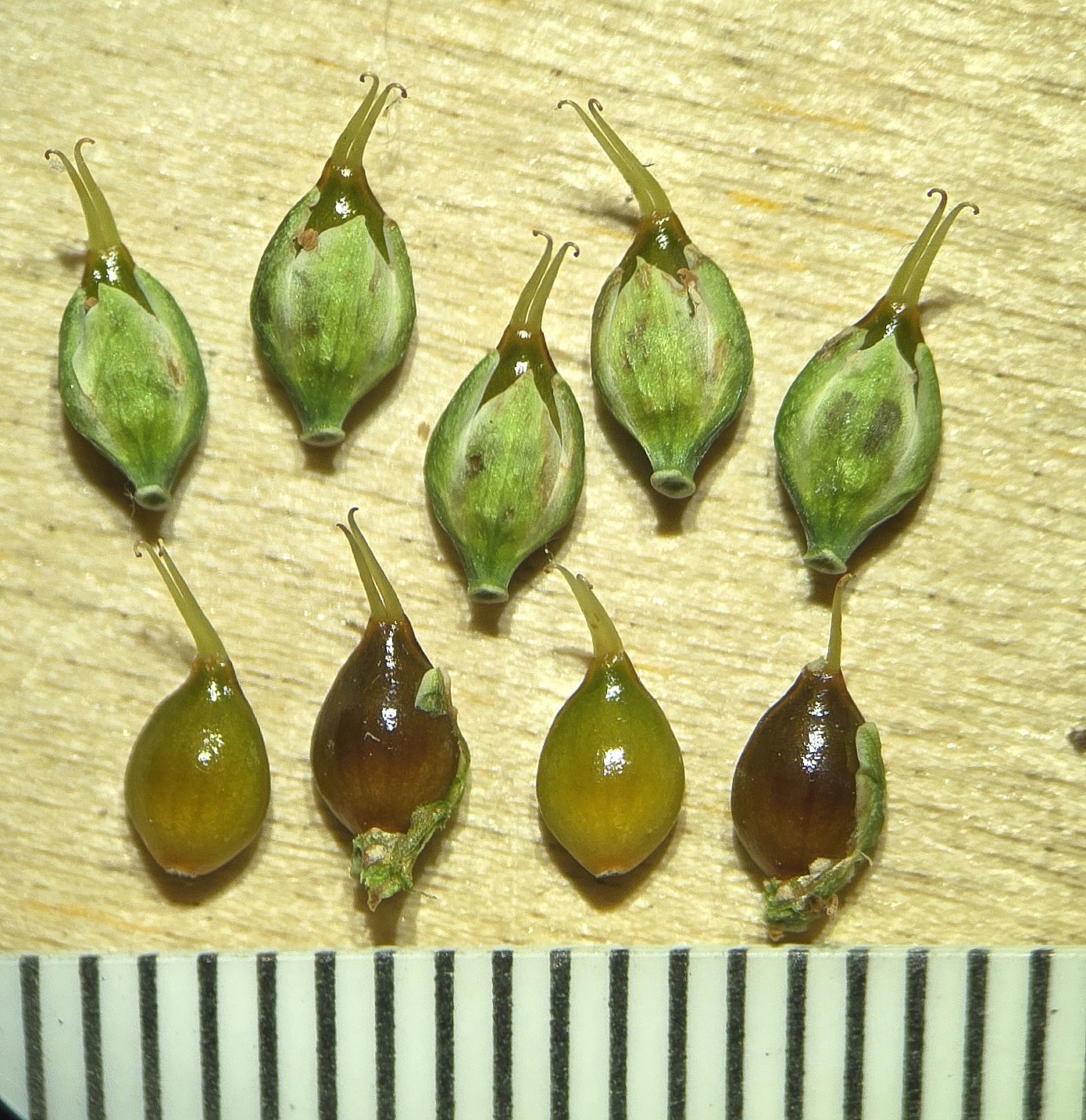

Photo 566310330, no rights reserved, uploaded by Daniel Atha


Persicaria filiformis (Thunb.) Nakai

Asian Jumpseed

Perennial herbs.

East Asia, planted and aggressively spreading in eastern North America.
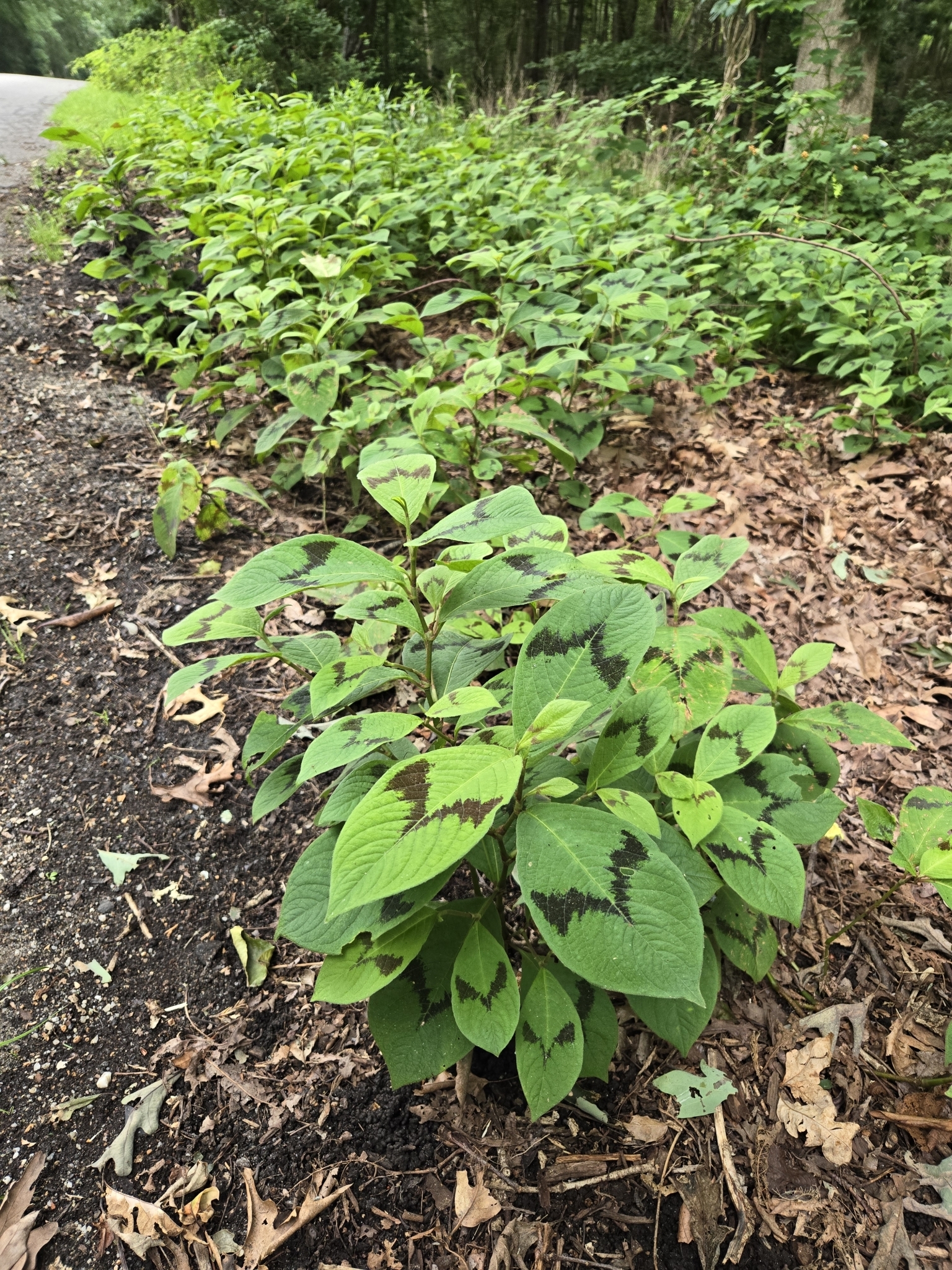

Photo 566065150, no rights reserved, uploaded by Daniel Atha
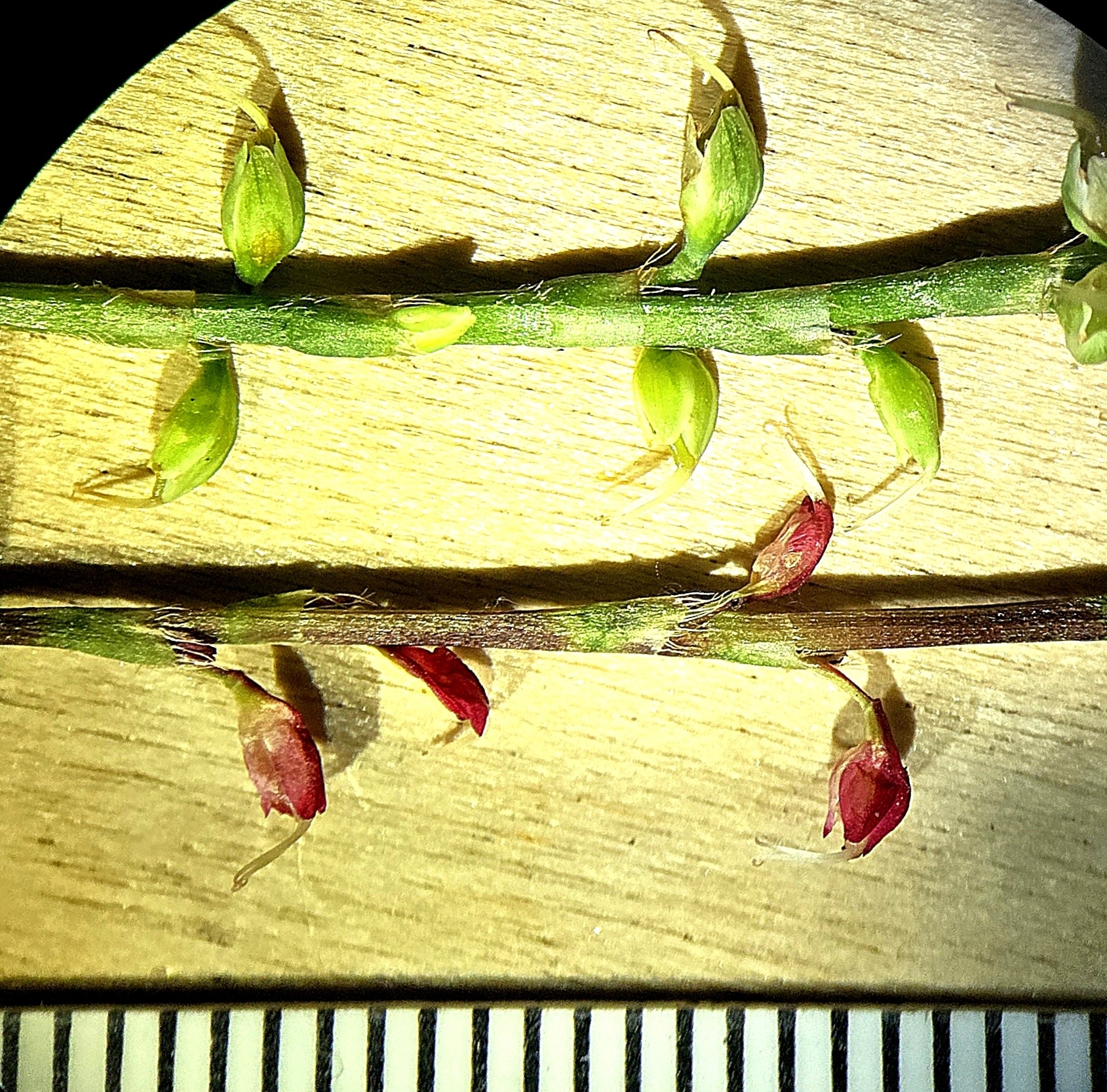

Photo 566316578, no rights reserved, uploaded by Daniel Atha
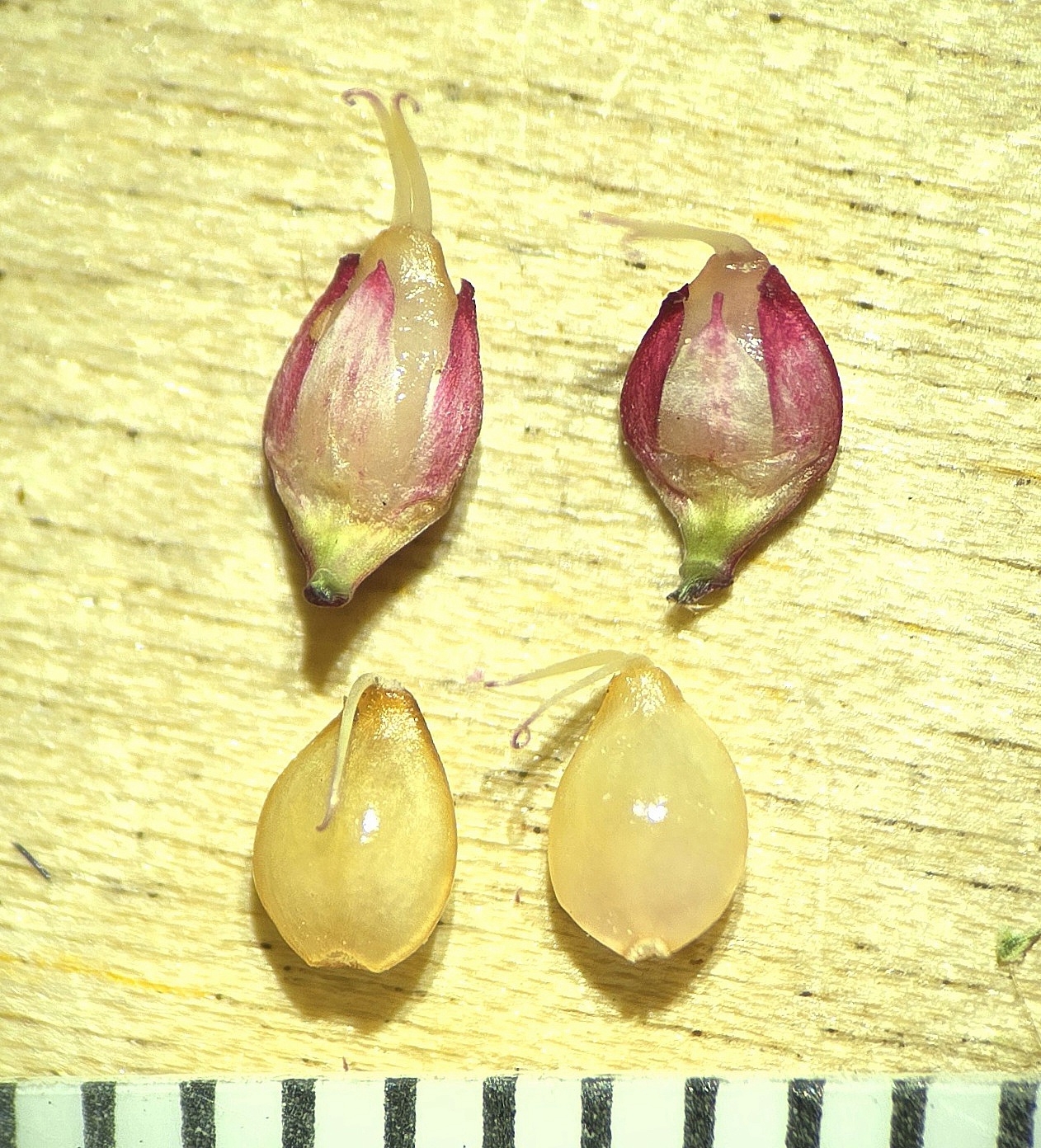

Photo 566310670, no rights reserved, uploaded by Daniel Atha

Posted on September 5, 2025 04:34 PM by danielatha | 9 comments | Leave a comment

October 8, 2023

The Far Eastern Smartweed, Persicaria extremiorientalis is Established in North America

Revised from Atha, D. E., M. H. Nee & R. F. C. Naczi. 2010. Persicaria extremiorientalis (Polygonaceae) is established in the flora of the eastern United States of America. The Journal of the Torrey Botanical Society 137: 333–338. https://doi.org/10.3159/10-RA-033.1

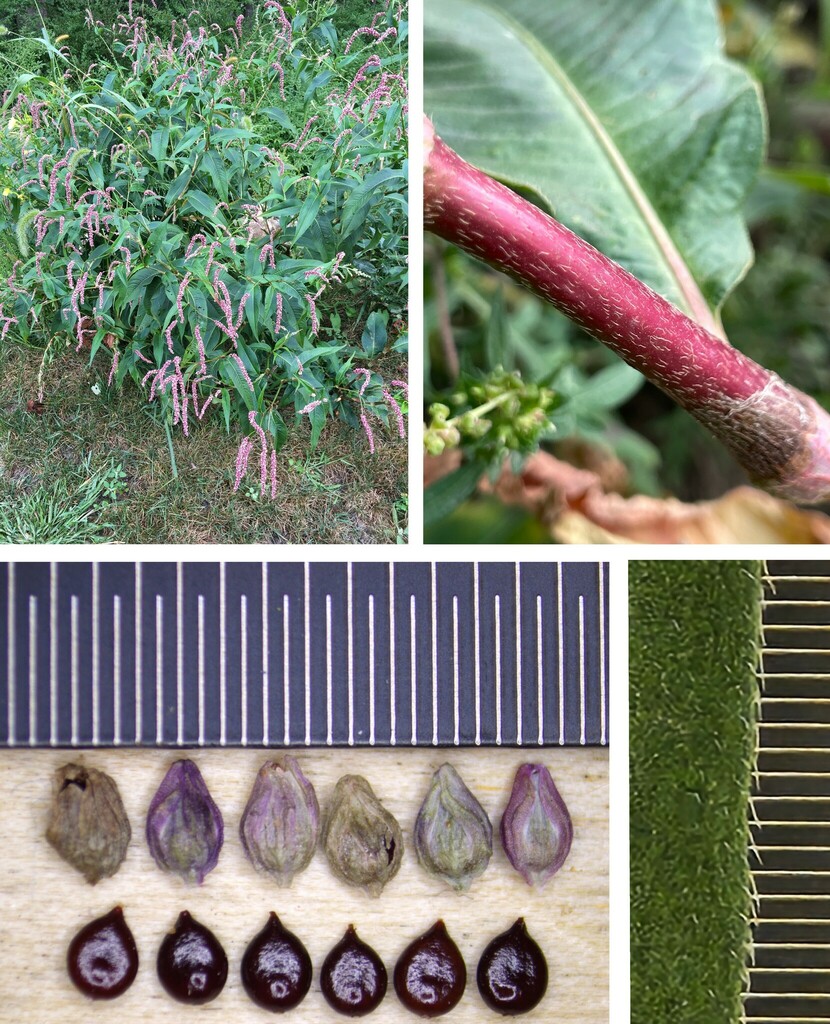
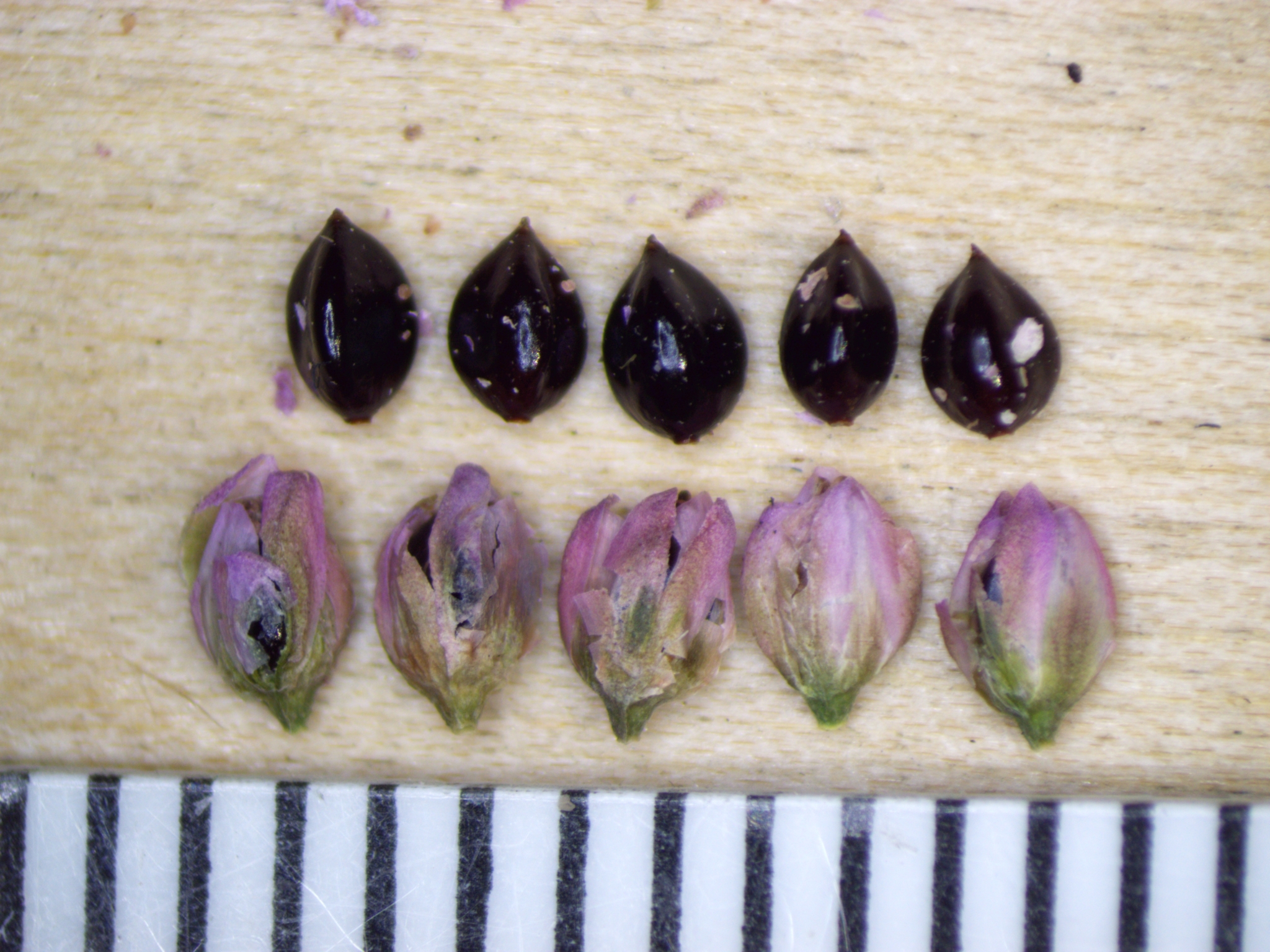
Figure 1. Whole plant (top left): www.inaturalist.org/observations/7877986. Stem internode (top right): www.inaturalist.org/observations/183785156. Flowers and achenes (bottom left): www.inaturalist.org/observations/185228896. Leaf marginal hairs (bottom right): www.inaturalist.org/observations/186240490.

Field work and herbarium study on the genus Persicaria (L.) Mill. revealed a robust, weedy, terrestrial herb reaching 2 m or more in height with pilose stems and purplish, nodding inflorescences that did not fit any species then described in floras or monographs of American Polygonaceae (Meisner 1856, Small 1895, Fernald 1950, Dalci 1974, Gleason and Cronquist 1991, Hinds and Freeman 2005). The species is not described in the Flora of China (Li et al. 2003), but in that work keys out to Polygonum persicaria L. (Persicaria maculosa S. F. Gray). The plant does however, answer to Persicaria extremiorientalis (Vorosch.) Tzvelev as described in the Flora of the Russian Far East (Tzvelev 1989) and Persicaria maculosa subsp. hirticaulis (Danser) S. Ekman and T. Knutsson var. pubescens (Makino) Yonek., pro parte, as described in the Flora of Japan (Yonekura 2006).

The species was first collected in North America by Joseph Vincent Monachino and J. Boxer in Queens and Brooklyn, New York, in 1961 (30 July, Monachino 636; 13 August, Monachino 641; 16 August, Boxer s.n). It was next collected in Stamford, Connecticut on 17 August 1962 by Frank Seymour and B. Wakeman (20311); in Bronx, New York on 26 October 1974 by T. J. Delendick (Delendick s.n.) and then more frequently in the 1980’s, 1990’s and throughout the 2000’s by numerous collectors (principally by staff of the Brooklyn Botanic Garden and The New York Botanical Garden). Most of the specimens were misidentified as Polygonum lapathifolium L. (Persicaria lapathifolia (L.) Delarbre) and/or Polygonum persicaria (Persicaria maculosa), and remained so until the present study.

Many of the approximately 100 species of Persicaria section Persicaria are polyploids, and hybridization is suggested in several instances (Greene 1904, Stanford 1925, Fassett 1949, Timson 1964, Mitchell and Dean 1978, McDonald 1980, Consaul et al. 1991, Kim and Donoghue 2008b). Recent molecular studies document extensive incongruence between sequences in the chloroplast and nuclear genomes, and allopolyploid speciation is suggested for several species (Kim et al. 2008, Kim and Donoghue 2008a, Kim and Donoghue 2008b). Not surprisingly then, there is only weak support for a classification system within Persicaria section Persicaria, and few have been attempted since Meisner’s global monograph of Polygonum s.l. (Meisner 1856).

Uncertain boundaries of individual species and lack of resolution within section Persicaria, combined with the fact that Persicaria extremiorientalis shares character states almost equally with Persicaria lapathifolia and Persicaria maculosa, but also exhibits some not shared by either, argue strongly against recognition as a subspecies and/or variety of either species (as is done in the Flora of Japan).

The binomial Persicaria extremiorientalis is the earliest name unequivocally applicable at the species level for this taxon.

Type specimens and the numerous collections from throughout the range in Asia and eastern North America superficially resemble Persicaria lapathifolia and Persicaria maculosa, but consistently differ from both in several significant characters. The three most consistent character states that distinguish this species from all other Persicaria are: 1, basal stem internodes with appressed hairs; 2, leaf margin setae 0.5–1.1 mm long; and 3, achenes compressed laterally, brown, lustrous and basally tumescent (swollen).

Key to distinguish Persicaria extremiorientalis from the allied Persicaria lapathifolia and Persicaria maculosa

A. Stem internodes glabrous; ocrea outer surfaces glabrous, the apex glabrous; leaf blade margins glabrous or setose with setae , 0.2 mm long, the abaxial surface lanate, arachnoid, or glabrous, glandular-punctate when glabrous; bracts glabrous, the apex caudate or long-acuminate; fruiting tepal vein apices bifurcate and both branches strongly and consistently recurved...........Persicaria lapathifolia.

A. Stem internodes pubescent or glabrous; ocrea outer surfaces strigose, the apex ciliate or setose; leaf blade margins setose, the setae 0.2–1.1 mm long, the abaxial surface strigose, eglandular; bracts sparsely strigose, the apex truncate to obtuse; fruiting tepal vein apices bifurcate or unbranched, if branched, only one branch weakly recurved (never both)...........B.

B. Basal stem internodes glabrous; leaf margin setae 0.2–0.5 mm long; peduncles rarely stipitate-glandular; racemes 1–4 cm long, erect; fruiting tepal veins prominently raised when dry; achenes lenticular or trigonous, basally widest but not tumescent..........Persicaria maculosa.

B. Basal stem internodes with appressed hairs; leaf margin setae 0.5–1.1 mm long; peduncles usually short stipitate glandular; racemes usually 3–8 cm long, usually nodding; fruiting tepal veins not prominently raised when dry; achenes lenticular (rarely trigonous), basally tumescent..........Persicaria extremiorientalis.

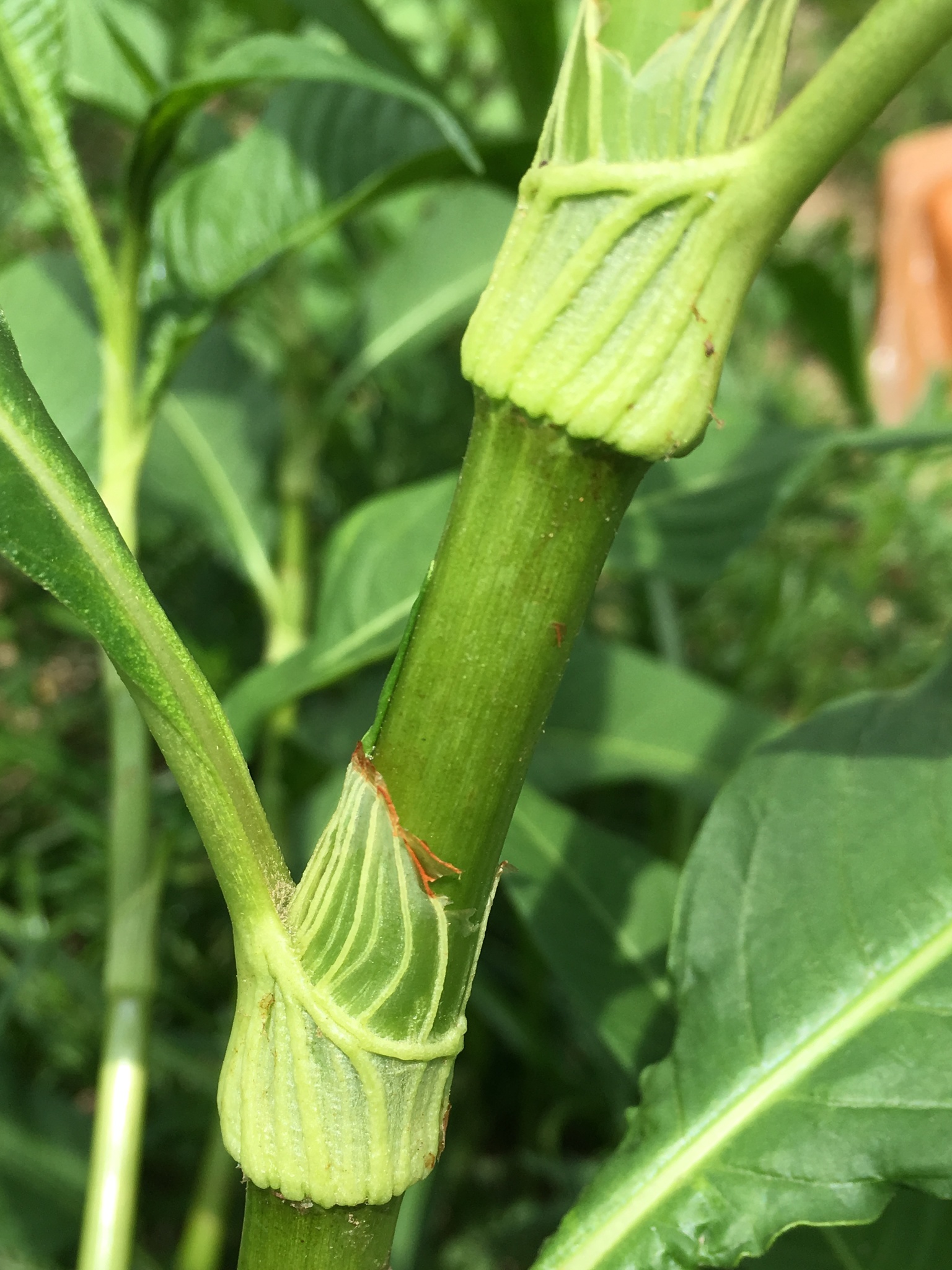
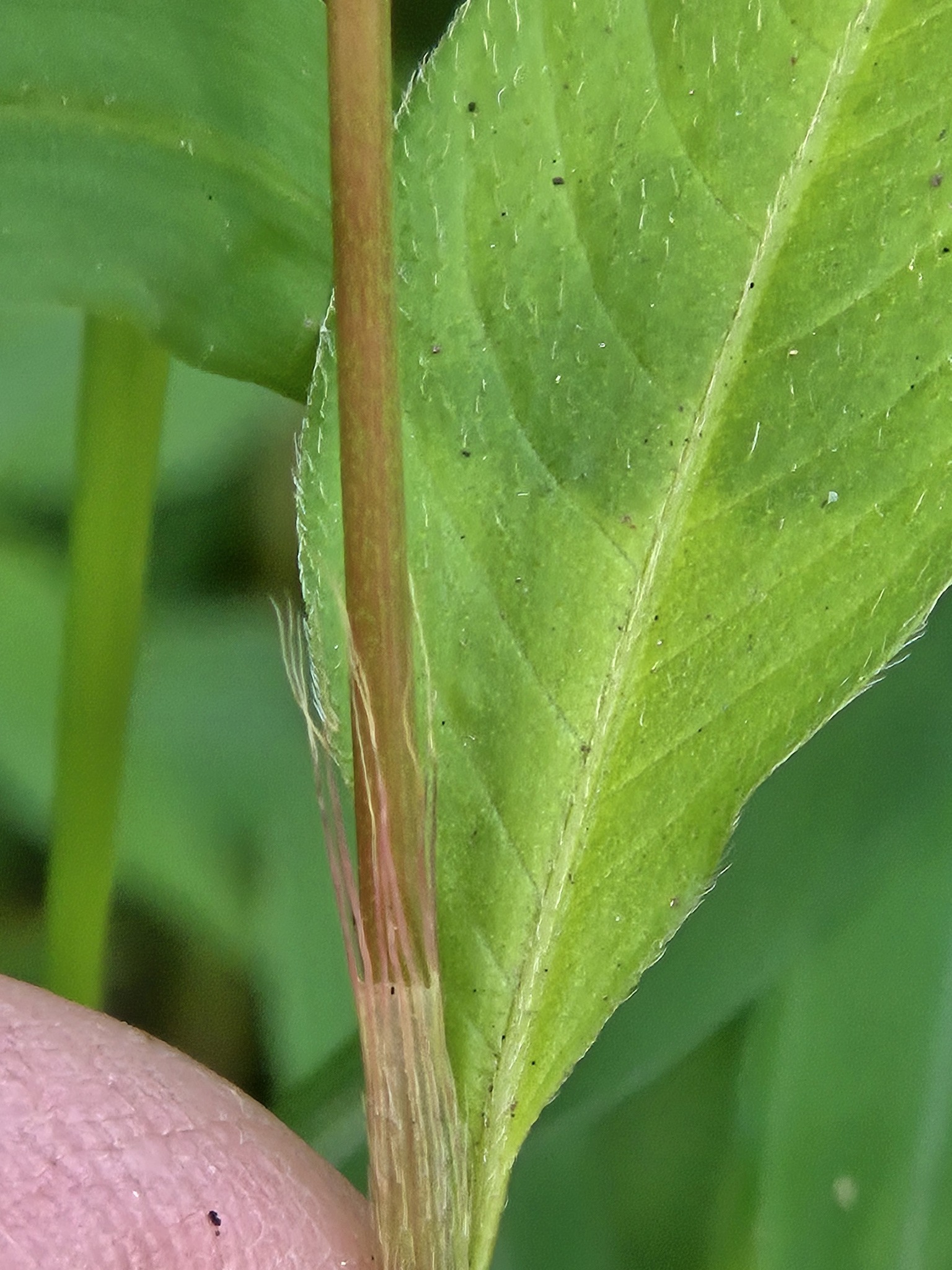
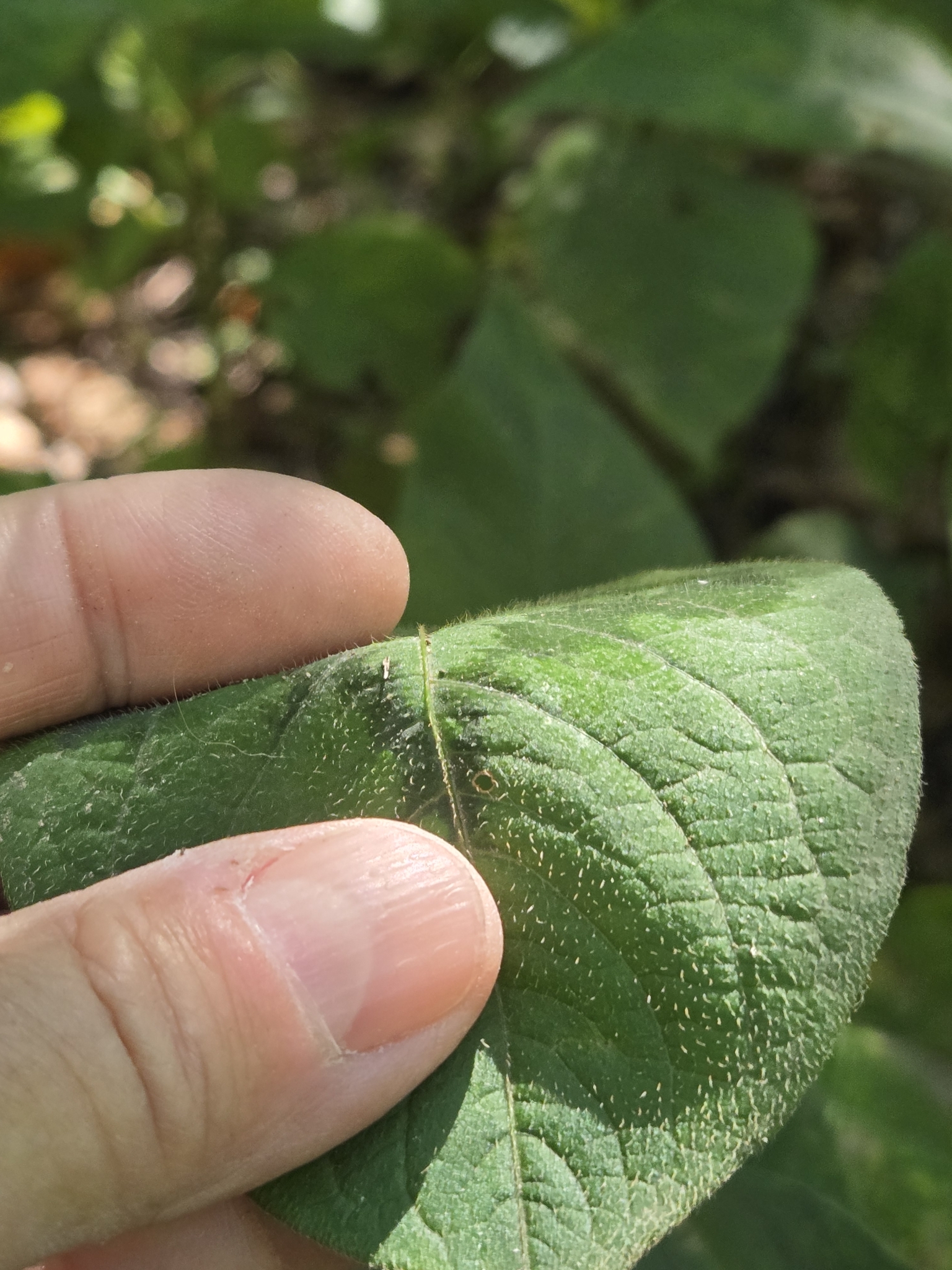
Herbs, annual, (0.1–)0.4–2.3 m tall, from slender to stout taproot; stems up to 2 cm diam at the base, proximally unbranched or few-branched, reddish-brown to purple, the proximal and medial stems pilose, rarely glabrate or appressed-setose, the trichomes basally slightly enlarged, distally slender, pale and slightly undulate, 1–5 mm long; ocrea membranous, pale greenish-yellow, somewhat translucent, 12–24 ribbed, the dorsal surface strigose, especially along the ribs, rarely glabrous, 1.3–2.5 cm long, the apices (margins) truncate, setose, the setae 1–5 mm long. Leaves largest proximally, diminishing distally; petioles 1–3 cm long, appressed-setose; blades narrowly ovate, (6–)10–28 3 1–7 cm, the adaxial surface dark green, usually with obscure, but large, central, purple chevron, very regularly and sparsely strigose, the abaxial surface lighter green, evidently eglandular, very regularly (but moderately sparse), golden-strigose, minutely papillose, the base cuneate, the margins entire, appressed-setose, the trichomes arched acroscopically, 0.5–1.1 mm long, the apex long-acuminate; vena- tion pinnate, the abaxial midvein appressed- setose, the trichomes stout, deltoid, the sec- ondary veins arcuate, 12–35 pairs, usually setose. Inflorescences axillary and terminal, leafy; peduncles stipitate-glandular (sometimes the glands very minute or nearly wanting), sometimes also shortly appressed-setose; ra- cemes (1.5–)3–8 cm long, 5–8 mm diam, densely flowered, usually purplish, rarely greenish-white, basally uninterrupted, usually nodding at maturity; bracts ascending, ovate, the dorsal surface sparsely strigose, green- striate, the apices obtuse to acute, setose, the setae ca. 0.2 mm long. Flowers ca. 6 per fascicle-like partial inflorescence, 2 mm long, white at anthesis, soon accrescent and becoming pinkish-purple; pedicels ca. 1.5 mm long, slightly exserted from the bracts; hypanthium 1/5–1/3 length of flower; tepals (4)5, ca. 1 mm long (at anthesis), elliptic, the apices obtuse or rounded, the outer 2 slightly cucullate and slightly exceeding inner, the inner 6 plane; veins trifid-branched above the base, erect, not raised when dry, distally straight and unbranched or rarely and inconsistently bifurcate, one branch then divergent, but not recurved; stamens 5, inserted at the apex of the hypanthium and alternating with the tepals, ca. 0.8 mm long, included; floral glands apparently absent; ovary glabrous, lenticular; styles 2, united about 1/2 the length, distally divergent and slightly recurved, caducous in fruit. Achenes lenticular (rarely trigonous), (1.8–)2.0–2.3 x 1.5–1.9 mm, the faces plane to concave, both faces basally tumescent, the base rounded, the apex obtuse, short-apiculate; pericarp mahogany-brown, lustrous, minutely sculptured.

Discussion

Very few species of Persicaria have one or two characters that consistently distinguish one species from another; usually a combination of three or more characters is required to distinguish a species. For example, early- blooming or depauperate specimens of Persicaria extremiorientalis have short, erect racemes, like those of Persicaria maculosa. However, the stems will be hirsute (glabrous in Persicaria maculosa) and the leaf blade margins will have setae 0.5 mm long (<0.5 mm in Persicaria maculosa).

Further complicating identification is the fact that several species exhibit extreme variation in gross morphology. The cosmopolitan Persicaria lapathifolia may be ten centimeters tall and have very narrow, eglandular, lanate leaves, or it might be 2 m tall and have wide, glandular, and glabrous leaves. However, both variants will have tepal veins that are distally branched and recurved. There is a seemingly infinite series of intermediates (in habit and leaf characters) spanning the morphological range from one variant to the other (often within a population), but all have glabrous ocrea and inflorescences and have recurved tepal veins.

Persicaria extremiorientalis exhibits a similar broad range of variation in its habit. Early in the season or in marginal habitats, plants are very slender and flower when only 10–20 cm tall. Later in the season and under ideal conditions, they are robust from a stout taproot and flower when two or more meters tall. In habit, Persicaria extremiorientalis strongly resembles Persicaria lapathifolia. In Persicaria extremiorientalis, the central leaf blade adaxial surface in age is pigmented dark purple (unpigmented in Persicaria lapathifolia). It shares the strigose ocrea and bracts with Persicaria maculosa (glabrous in Persicaria lapathifolia). It shares with Persicaria lapathifolia the tendency to have stipitate-glandular peduncles and nodding racemes (eglandular peduncles and erect racemes in Persicaria maculosa). The racemes are usually strongly pigmented pink to purple as in Persicaria maculosa (racemes usually yellow-green or weakly pink tinged in Persicaria lapathifolia). Both Persicaria lapathifolia and Persicaria maculosa have prominent tepal veins, but in Persicaria lapathifolia, they are very prominently raised (when mature and dry), and the apices are always bifurcate with both branches strongly recurved (sometimes called ‘‘anchor veins’’). In Persicaria maculosa the tepal veins are usually prominent, but the apices rarely branch and are never recurved. In Persicaria extremiorientalis the tepal veins may or may not be prominent and sometimes bifurcate, but then only one branch is divergent.

Plants as conspicuous and weedy as the present species would have been noted by prior monographers and collectors, yet no plants like those described here were reported or collected in North America prior to 1961. We therefore hypothesize that the species was introduced sometime shortly before this date. As demonstrated here, the species appears to blend character states from Persicaria lapathifolia and Persicaria maculosa. We hypothesize that Persicaria extremiorientalis is a hybrid of relatively recent origin in eastern Asia, probably involving Persicaria maculosa and Persicaria lapathifolia. Both putative parents are abundant, wide- spread weeds and often co-occur in urban, disturbed, or early successional areas–the same habitats in which American and Asian Persicaria extremiorientalis are found.

Of the numerous populations sampled, none are from undisturbed, climax communities, such as forests, wetlands or grasslands. One of the New York Botanical Garden populations (Atha 6839) consisted of 5 individuals of various sizes in 2008, but throughout the following year and early summer of 2010, none were found at this site.

The Asian congener, Persicaria caespitosa Blume var. longiseta (Bruijn) A. N. Steward was first discovered near Philadelphia in 1910 and by 1940 had spread north to Massachusetts and south to Maryland. By 1991 it was found in every state east of the Mississippi River as well as Nebraska, Iowa, Missouri, Arkansas and Louisiana (Patterson, 2000). These plants invade mesic forests, wetlands, lawns, gardens and waste places throughout the eastern United States, and persist in the same place from year to year, displacing native species. Although Persicaria extremiorientalis appears to be ephemeral from year to year (unlike the persistent Persicaria caespitosa var. longiseta), its spread westward may be expected.

[Addendum October 2023]
The species has now been documented from Maine to South Carolina and west to Akron, Ohio and is probably more widespread than that.

Literature Cited

ATHA, D. E. AND W. CARR. 2010. First report of Persicaria hispida (Polygonaceae) from North America north of Mexico (Texas). J. Bot. Res. Inst. Texas 4: 561–564.

CONSAUL, L. L., S. I. WARWICK, AND J. MCNEILL. 1991. Allozyme variation in the Polygonum lapathifolium complex. Can. J. Bot. 69: 2261–2270.

DALCI, M. 1974. The taxonomy of the section* Persicaria* (Tourn.) L. in the genus Polygonum (Tourn.) L. (Polygonaceae) in the United States east of the Rocky Mountains. Communications de la Facultae des sciences de L’Universitae d’Ankara 18: 133–153.

FASSETT, N. C. 1949. The variation of Polygonum punctatum. Brittonia 6: 369–393.

FERNALD, M. L. 1950. Grays manual of botany. Van Nostrand, New York, NY, USA.

GLEASON, H. A. AND A. CRONQUIST. 1993. Manual of vascular plants of northeastern United States and adjacent Canada (2nd ed). New York Botanical Garden, Bronx, New York, NY, USA.

GREENE, E. L. 1904. Leaflets of botanical observation and criticism. Washington, DC, USA.

HINDS, H. R. AND C. C. FREEMAN. 2005. Persicaria, Pp. 574–594. In Flora of North America Editorial Committee [eds.], Flora of North America North of Mexico 5. Oxford University Press, New York, NY.

KIM, S. T. AND M. J. DONOGHUE. 2008a. Molecular phylogeny of Persicaria (Polygonaceae). Syst. Bot. 33: 77–86.

KIM, S. T. AND M. J. DONOGHUE. 2008b. Incongruence between cpDNA and nrITS trees indicates extensive hybridization within Eupersicaria (Polygonaceae). Am. J. Bot. 95: 1122–1135.

KIM, S. T., S. E. SULTAN, AND M. J. DONOGHUE. 2008. Allopolyploid speciation in *Persicaria (Polygonaceae): Insights from a low-copy nuclear region. Proc. Natl. Acad. Sci. USA. 105: 12370–12375.

LI, A., B. BAO, A. E. GRABOVSKAYA-BORODINA, S-P. HONG, J. MCNEILL, S. L. MOSYAKIN, M. OHBA, AND C. W. PARK. 2003. Polygonaceae. In Wu, Z. Y. and P. H. Raven [eds.], Flora of China 5: 277–350. Missouri Botanical Garden Press, St. Louis, MO.

MCDONALD, C. B. 1980. A biosystematic study of the Polygonum hydropiperoides (Polygonaceae) complex. Am. J. Bot. 67: 664–670.

MEISNER, C. F. 1856. Polygonaceae. In A. de Candolle [ed.], Prodromus systematis naturalis regni vegetabilis 14: 1–186, 693–695. Paris.

MITCHELL, R. S. AND J. K. DEAN. 1978. Polygonaceae (buckwheat family) of New York State. NY State Mus. Bull. 431: 1–79.

PATTERSON, A. K. 2000. Range expansion of Polygonum caespitosum var. longisetum in the United States. Bartonia 60: 57–69.

SMALL, J. K. 1895. A monograph of the North American species of the genus Polygonum. Memoirs from the Department of Botany of Columbia College 1: 1–180.

STANFORD, E. E. 1925. Possibilities of hybridism as a cause of variation in Polygonum. Rhodora 27: 81–89.

TIMSON, J. 1964. A study of hybridization in Polygonum section Persicaria. J. Linnean Soc. 59: 155–160.

TZVELEV, N. N. 1989. ceM. 56. Polygonaceae. Juss., Pp. 25–122. In: Kharkevich, S. S. [ed.], Plantae vasculares Orientis Extremi sovietici [Vascular plants of the Soviet Far East] 4: 1–379. [In Russian].

YONEKURA, K. 2006. Polygonaceae. In K. Iwatsuki, D. E. Boufford, and H. Ohba [eds.], Flora of Japan Vol. II a: 122–174, Kodansha Publ., Tokyo, Japan.

Posted on October 8, 2023 12:08 AM by danielatha | 10 comments | Leave a comment

May 16, 2021

Why Confirm the ID When the Observation is Already Research Grade?

Several reasons:

  1. Confirmation by a specialist adds value.

  2. So far, I have found 43 plants misidentified as Sea Grape, Coccoloba uvifera: https://www.inaturalist.org/observations?ident_taxon_id=127284&place_id=any&ident_user_id=20600&without_taxon_id=127284. That's almost one percent of all those I've reviewed. 510 plants misidentified as American Jumpseed, Persicaria virginiana: https://www.inaturalist.org/observations?ident_taxon_id=144047&place_id=any&ident_user_id=20600&without_taxon_id=144047. That's 4.6 percent of the 11,000 I've reviewed.

  3. Of course, I have made a mistake or two myself, but I learn the genus better by seeing many observations.

The same reasons I add annotations confirming identifications on herbarium specimens for species I am familiar with. And in this case, the "annotation" doesn't even take up any real estate on the "specimen".

Posted on May 16, 2021 01:07 AM by danielatha | 1 comment | Leave a comment

April 5, 2021

On the status of Red-Seeded Dandelions (*Taraxacum erythrospermum*)

By Daniel Atha

Introduction

Everyone knows that trust in science, scientists and scientific institutions is at a low point. It’s not surprising the public is skeptical. The masses have been excluded from the language and practice of science. The public has little say in the goals of science. And many of the products of science have made our world more dangerous and inhospitable.

What I love about natural history is that it is comprehensible to everyone with a desire to look. The natural world is there for everyone to enjoy and study equally. There are no barriers to access and the possibilities for learning are infinite. You don’t need a Hubble telescope or a particle accelerator to study natural history. Nature is the only authority that is never wrong.

As naturalists we know that we would all be better off if more people had a greater appreciation for and understanding of Nature and the earth system processes that make life possible. iNaturalist is democratizing science by empowering everyone to participate in the practice and process of natural history science. Every observation records what we find interesting and meaningful. And the totality of our observations reflect our values individually and collectively.

The literature on species concepts in biology is vast. Generally, most people would agree that a plant species is a lineage that has diverged from a common ancestor and has some genetic and morphological cohesion. The offspring inherit genetic, anatomical and behavioral traits from the parents. Put more simply, a species is a reproductively independent lineage (Rieseberg et al., 2006) with corresponding morphological traits. Disputes arise over reproductive capacity and how well genetic markers (genotype) are correlated with morphological character states (phenotype). See Mayer and the biological species concept (Mayr, 1992).

We might successfully classify a species using one or the other or both genotypic and phenotypic characters without knowing everything about the basic life history and reproductive mechanisms of an organism. In fact, most species are named before a great deal is known about their basic biology. But when either data set or the data in combination are ambiguous, we must seek additional data sets, such as reproductive strategy, chemical productions, chromosome number, etc… See Stewart-Wade et al., 2002 for a broad overview of Taraxacum biology.

It’s also important to remember that science is driven by curiosity and scepticism. When it is based on observable facts and informed by mature and reasoned analysis, science can reveal processes and patterns that may be hidden to the casual observer. The basics of science are the formulation of a hypothesis, testing the hypothesis (including the null hypothesis) and repeatability. Much of what the public thinks of as science deals with abstract concepts and astronomical values. But we must remember that a flora of a given area is really a whole series of hypotheses. Our concept of a species is really just a hypothesis that an organism is definable by a set of traits and that we can tell it apart from others reliably by use of a key. And because we are dealing with plants in the landscape, our floristic hypotheses can be tested by virtually everyone, regardless of their training or prior knowledge. That’s the beauty of a flora and the fun of writing keys.

As scientists (and citizen scientists) we must be careful not to make uninformed judgements or appear overly certain about our interpretations of natural phenomena. In our haste, carelessness or ignorance, we may base a hypothesis on insufficient evidence or poor interpretation of the evidence that is available. In such cases, when the hypothesis is overturned by evidence that should have been considered or analyzed properly, the public’s trust is eroded.

The subject of this post, the common Dandelion, is an example where careful studies carried out by scientists over decades can and should help us interpret and appreciate what we can all see in our lawns and gardens every day-- the common Dandelion. My goal here is to determine (by empirical evidence) whether the Red-Seeded Dandelion is a species as commonly understood by botanists and the public or whether it is a color morph that arises spontaneously from a large pool of genetic variants-- similar to an albino Rat.

Like the common Brown Rat, the Common Dandelion (Taraxacum officinale in the broad sense) is nearly ubiquitous across North America in areas disturbed by humans. The Common Dandelion thrives with ample sun, moisture and nutrients, especially in lawns, garden beds and exposed urban soils.

In North America, nearly all Common Dandelion plants are triploid and apomictic (Lyman and Ellstrand, 1984), meaning that they have three sets of chromosomes and reproduce by parthenogenesis (a process called apomixis whereby seeds are formed without fertilization). In other words, they are clones. Common Dandelions with a “normal” complement of chromosomes (diploid, 2n=16) capable of sexual reproduction with other diploid Dandelions and with triploids (2n=24) are known from Europe, where the species is native. Diploids are extremely rare in North America (Verduijn et al., 2004; Lyman and Ellstrand, 1984) and most plants studied in North America are triploid clones, reproducing asexually by apomixis.

Red-Seeded Dandelions (given the name Taraxacum erythrospermum in 1822 by Antoni Andrzejowski and Joseph Besser.) is treated as a species in most of our floras, including the Flora of North America.

In floristics and systematic botany science, we use taxonomic keys (among other methods) to test our hypotheses. The key is a series of choices that are meant to be mutually exclusive. An organism (taxon) is supposed to fit the characteristics presented in one choice, but not the other. Sometimes key are long and have multiple series of choices that narrow down the options until we are finally presented with just two choices-- one leading to our organisms. Most keys are dichotomous, meaning that each set of questions consists of just two choices, as in the key below.

Every flora treats the "species" in nearly the same way. The detailed descriptions of the two entities (when provided) differ slightly, but the characters in the key here are the ones almost always used to distinguish the species.

A. Leaves usually deeply cut throughout their length, the lobes sharp and narrow, usually pointed back; flower heads smaller; floral bracts (phyllaries) hooded and/or with horns near their tips; seeds (cypselae) reddish or purplish at maturity..... Taraxacum erythrospermum.

A. Leaves less deeply cut, particularly toward the base, the lobes less sharp, not pointed back; flower heads larger; the floral bracts (phyllaries) not hooded and without horns near their tips; seeds (cypselae) brown, olive or tan at maturity..... Taraxacum officinale.

The material presented here demonstrates that these are continuous characters (subject to bias and observer interpretation) and are not correlated with each other or other traits. All research specifically designed to test the hypothesis that Red-Seeded Dandelions are a valid species have found that they are not.

Materials and Methods
Research on the leaf morphology of the Common Dandelions shows that leaf length to width ratio and degree of lobeing varies as the plant ages (Sanchez, 1971) and is influenced by light intensity (Wassink 1965; Sánchez 1967). Rounded leaf blades with less lobeing develop in low light and deeply lobed leaf blades develop in high light (Sánchez 1967; Slabnik 1981). Increasing light intensity increases the leaf lobeing and decreases the leaf length:width ratio (Slabnik 1981). These studies show that the character used by every flora writer to distinguish the two Dandelions (leaf lobeing) is not a trait inherited from the parents, but is rather is a response to environmental variables.

Another study found that achenes actually sort into seven color morphs, but these occur independent of other character states (citation needed).

A study of 20 individuals from several populations across Washington, Oregon, Idaho, Montana, Wyoming, Utah and Nevada representing plants identified as Taraxacum officinale and Taraxacum erythrospermum (Taraxacum laevigatum) found that there was no correlation among twenty-five character states of achenes, involucres, receptacles, leaves and phenolic (chemical) profiles. In fact, these characters showed more variation within populations than between them (Taylor, 1987, citation and abstract below). Achene color-- the single most consistent character state used to distinguish Taraxacum erythrospermum-- was found to be independent of any other character, including shape and degree of leaf lobing. As Taylor points out, it is improbable that the many previous studies have overlooked hitherto untried character combinations to distinguish these entities (e.g. micro-characters). Additionally, as an overwhelmingly asexual, apomictic triploid in North America, it is improbable that hybridization and introgression (back crossing) between putative Taraxacum officinale and Taraxacum erythrospermum has blurred species distinctions creating a continuum of character states bridging one species to the other. Finally, the author’s work and several works cited therein demonstrate a correlation between environmental stress and phenotypic (anatomical) expression including leaf lobing and achene color and that this variation is best explained by a single, weedy species exhibiting a range of phenotypic expression in response to environmental conditions.

Morphological and chemical (phenolic) variables were used in principal components and cluster analyses to determine patterns of variation among and within 22 wide-ranging populations of Dandelions. Intrapopulational morphological variation was as great as or greater than interpopulational variation. Morphological variables were poorly correlated, and plants failed to cluster into the two described species, Taraxacum officinale and Taraxacum laevigatum [Taraxacum erythrospermum]. Phenolic distinctions existed among populations but not between species-types, and chemical variables did not correlate with morphological variables. The data, therefore, suggest that morphological variation is largely due to phenotypic plasticity. This conclusion was supported by the observation of a strong relationship between microhabitat and morphological phenotype, with characteristics of T. laevigatum being expressed under conditions of environmental stress. The pattern of phenolic variability reflects the existence of chemical biotypes. -- Taylor, 1987

Another study of 518 individuals from 22 populations across North America found that there were up to 13 enzyme clonal profiles discernible within a single population of Taraxacum officinale, demonstrating considerable genetic variability within a single population (Lyman and Ellstrand, 1984). In fact, Taraxacum officinale was shown to have a total of 47 enzyme and morphological clonal types among all populations sampled and the highest number of clones per individuals sampled (0.091) of any plant known. By comparison, 108 clonal types have been identified by enzyme analysis for Oenothera laciniata, but only 0.051 clones per individuals sampled. Based on these data and the work of others cited by Lyman and Ellstrand, the authors suggest that multiple introductions of Taraxacum officinale from Europe and Asia have contributed to the high genetic diversity found in North American plants.

In yet another study of 318 Dandelion individuals, Lynn Mertens King found 145 chloroplast (cp) and ribosomal (r) DNA profiles among them. In her work, King states….

"North American dandelions with red achenes do not form a natural group based on either rDNA or cpDNA, so lack of differentiation between North American aggregate species Taraxacum officinale and Taraxacum laevigatum [Taraxacum erythrospermum] in rDNA and cpDNA is consistent with Taylor’s (1987) observations based on morphology and phenolic compounds and suggests they are not separate evolutionary lineages." - King, 1993

Citizen science data from iNaturalist demonstrate that the characters most often used by flora writers to distinguish Taraxacum erythrospermum do not stand up to the test. The characters are: 1. leaf lobeing correlated with achene color; 2. floral bracts (phyllaries) with horn-like appendages correlated with achene color.

The following observations show with empirical evidence that seed (cypselae) color is not consistently correlated with either of these commonly used morphological characters. Rather it appears to occur randomly within populations of "regular" Dandelions. (Field studies here in New York City will be designed to test whether distinctly red seed color occurs randomly in populations and is correlated with any other objective character.)

The following observations were culled from a review of approximately 300 of at least 17,000 global Dandelion observations. https://www.inaturalist.org/observations/identify?page=102&verifiable=true&place_id=any&taxon_id=47602. Observations were reviewed quickly and some which are ambiguous may remain.

Seeds (achenes or cypselae) red but floral bracts (phyllaries) without horns
https://www.inaturalist.org/photos/47571589 – https://www.inaturalist.org/photos/73078829 – https://www.inaturalist.org/observations/46074005 – https://www.inaturalist.org/observations/45680775 – https://www.inaturalist.org/observations/45305683 – https://www.inaturalist.org/observations/45241684 – https://www.inaturalist.org/observations/44993437 – https://www.inaturalist.org/observations/44992893 – https://www.inaturalist.org/observations/45680775 – https://www.inaturalist.org/observations/44870840 – https://www.inaturalist.org/observations/44545929 – https://www.inaturalist.org/observations/44515723 –https://www.inaturalist.org/observations/44416050 – https://www.inaturalist.org/observations/44218822 – https://www.inaturalist.org/observations/43544408 – https://www.inaturalist.org/observations/42918761 – https://www.inaturalist.org/observations/42200603 – https://www.inaturalist.org/observations/41687607 – https://www.inaturalist.org/observations/41633065 – https://www.inaturalist.org/observations/40355663 – https://www.inaturalist.org/observations/38709065 – https://www.inaturalist.org/observations/38195521 – https://www.inaturalist.org/observations/30666920 – https://www.inaturalist.org/observations/27168210 – https://www.inaturalist.org/observations/24093003 – https://www.inaturalist.org/observations/22916353 – https://www.inaturalist.org/observations/22439535 – https://www.inaturalist.org/observations/21959839 – https://www.inaturalist.org/observations/21910431 – https://www.inaturalist.org/observations/19276795 – https://www.inaturalist.org/observations/14042249 – https://www.inaturalist.org/observations/13356869 – https://www.inaturalist.org/observations/13013560 – https://www.inaturalist.org/observations/12069364 – https://www.inaturalist.org/observations/5708934 – https://www.inaturalist.org/observations/4935390

Seeds red but floral bracts without horns and variable leaves
https://www.inaturalist.org/observations/30449058

Red and brown seeded plants growing in mixed populations
https://www.inaturalist.org/observations/40355663 – https://www.inaturalist.org/observations/40355599 – https://www.inaturalist.org/observations/40333898 – https://www.inaturalist.org/observations/26018331 – https://www.inaturalist.org/observations/18144048

Seeds reddish brown
https://www.inaturalist.org/observations/22916353 – https://www.inaturalist.org/observations/48937056 – https://www.inaturalist.org/observations/46463545 – https://www.inaturalist.org/observations/46366025 – https://www.inaturalist.org/observations/43585532

There are many observations with olive colored seeds and with highly divided leaves. Of the observations where you can see both the seeds and the leaves, there are just about as many with olive seeds and highly divided leaves. This is an excellent series of photos with olive achenes, highly divided leaves and phyllaries with small projections. https://www.inaturalist.org/observations/80414881

https://www.inaturalist.org/observations/6104316 – https://www.inaturalist.org/observations/55330874 – https://www.inaturalist.org/observations/55135826 – https://www.inaturalist.org/observations/51994588 – https://www.inaturalist.org/observations/50983759 – https://www.inaturalist.org/observations/46723114 – https://www.inaturalist.org/observations/46700686 – https://www.inaturalist.org/observations/46623799 – https://www.inaturalist.org/observations/44853618 – https://www.inaturalist.org/observations/43719170 – https://www.inaturalist.org/observations/43659943 – https://www.inaturalist.org/observations/43585532 – https://www.inaturalist.org/observations/43308757

Discussion
I have found no scientific studies that support the recognition of Taraxacum erythrospermum as a valid species-- only descriptive accounts using continuous, qualitative characters that are subject to bias. It appears that every study actually testing the validity of the hypothesis with objective and quantitative criteria found that there is no basis for recognition of Taraxacum erythrospermum as a valid species. Don't get me wrong. I love all plants, including the ones we call weeds and invasives. An artificial ranking as species does determine the inherent worth of Red-Seeded Dandelions as living beings worthy of our love and respect.

Conclusion
This article evaluates two competing and mutually exclusive hypotheses: 1. Taraxacum erythrospermum is a valid species; 2. Taraxacum erythrospermum is not a valid species.

Based on the evidence presented here, it is clear that the common Dandelion, nearly ubiquitous across North America, is an apomictic, triploid species that has very high rates of morphological, chemical and genetic variability within and among populations, but especially within a population. The author has seen no evidence that the red achene character state is anything but a mutant color morph that may appear randomly wherever clonal Dandelions occur. Until there is convincing evidence for the validity of the species, the available evidence argues for treating the common, weedy Dandelion as a single species (Taraxacum officinale).

The data presented here invalidates the first hypothesis on the grounds that the hypothesis is based on ambiguous and subjective criteria that are randomly and inconsistently expressed throughout the range of the species. I have seen no serious critique of the methods, results or conclusions presented here and elsewhere supporting hypothesis two. Acceptance of hypothesis one must necessarily prove that hypothesis two is false.

This is how science is supposed to work. A hypothesis is presented with evidence. That gets tested independently and objectively and either the evidence supports the hypothesis or doesn't. To ignore the evidence and persist with the unsubstantiated hypothesis is not scientific.

Except where explicitly stated, the words and research in this article are entirely my own. The facts belong to everyone.

Literature Cited
King, L.M. 1993. Origins of genotypic variation in North American dandelions inferred from ribosomal DNA and chloroplast DNA restriction enzyme analysis. Evolution 47: 36–151.

Lyman, J.C. and N.C. Ellstrand. 1984. Clonal diversity in Taraxacum officinale Compositae), an apomict. Heredity 53: 1–10.

Mayr, E. 1992. A local flora and the biological species concept. American Journal of botany 79: 1537–2197 https://bsapubs.onlinelibrary.wiley.com/doi/abs/10.1002j.1537-2197.1992.tb13641.x

Riesberg, L., T.E. Wood and E.J. Baack. 2006. The nature of plant species. Nature 440: 24–527. https://www.ncbi.nlm.nih.gov/pmc/articles/PMC2443815/

Solbrig, O.T. 1971. The population biology of dandelions. Am. Sci. 59: 686–694.

Solbrig. 0.T. and B.B. Simpson. 1974. Components of regulation of a population of dandelions in Michigan. J. Ecol 62: 473–486.

Solbrig. 0.T. and B.B. Simpson. 1977. A garden experiment on competition between biotypes of the common dandelion (Taraxacum officinale). J. Ecol. 65: 427–430.

Stewart-Wade, S., S. Neumann, L. Collins and G. Boland. The biology of Canadian weeds. 117. Taraxacum officinale G.H. Weber ex Wiggers. Canadian Journal of Plant Science 82: 825–853.

Taylor, R.J. 1987. Populational variation and biosystematic interpretations in weedy dandelions. Bulletin of the Torrey Botanical Club 114: 109–120.

Verduijn, M., P. Van Dijk & J. Van Damme. 2004. The role of tetraploids in the sexual–sexual cycle in dandelions (Taraxacum). Heredity 93: 390–398. https://doi.org/10.1038/sj.hdy.6800515

Wassink, E.C. 1965. Some Introductory Notes on Taraxacum officinale L. as an experimental plant for morphogenetic and production research. Mededelingen Van De Landbouwhogeschool, 65–16. Wageningen: Veenman.

Posted on April 5, 2021 11:30 PM by danielatha | 9 comments | Leave a comment

January 30, 2021

iNat Tips and Tricks

Most of these are URLs coded by others that I think are neat and modified for my interest. Some were coded by me mostly through experimentation with combinations of other bits of code. I am NOT a programmer.

My hierarchical iNaturalist life list
https://www.inaturalist.org/observations/taxa?user_id=danielatha

My identifications for others
https://www.inaturalist.org/observations?ident_user_id=danielatha&not_user_id=danielatha&place_id=any&verifiable=any&view=species

Tony Iwane's iNaturalist search tips
https://forum.inaturalist.org/t/how-to-use-inaturalists-search-urls-wiki/63

Tips and tricks compiled by others
https://www.inaturalist.org/pages/tips_tricks_nz
https://www.inaturalist.org/journal/bouteloua/14205-inat-tips-tricks
https://www.inaturalist.org/people/pfau_tarleton

Videos
https://vimeo.com/user7188222
https://www.youtube.com/channel/UCTUQr59uFmFk0v3H6sIhOaQ/videos
https://www.youtube.com/watch?v=F1qedUYwNvY
https://www.youtube.com/watch?v=tavmTa7WoPk
https://www.youtube.com/results?search_query=inaturalist&sp=CAISAhAB
https://www.youtube.com/channel/UCXSO4dzajDlMJOLi22IqqUg/videos

My yearly stats
https://www.inaturalist.org/stats/2020/danielatha

Observations
Observations in a 48 kilometer (30 mile) radius around City Hall, New York, New York
https://www.inaturalist.org/observations?lat=40.712964&lng=-74.00365&order_by=observed_on&place_id=any&radius=48


All White Snakeroot observations in New York City
https://www.inaturalist.org/observations?verifiable=any&taxon_id=119048&place_id=674

All Shaggy Soldier and Gallant Soldier in the world
https://www.inaturalist.org/observations?place_id=any&taxon_ids=56170,48178

All Cyperus observations in Delaware, Maryland, Pennsylvania, New Jersey and New York
https://www.inaturalist.org/observations?place_id=4,39,42,48,51&subview=map&taxon_id=52734&view=species

Map of Spicebush and Spicebush Swallowtail Butterfly in NYC
https://www.inaturalist.org/observations/compare?s=eyJxdWVyaWVzIjpbeyJuYW1lIjoiUXVlcnkgMSIsInBhcmFtcyI6InRheG9uX2lkPTU0NzkzJnBsYWNlX2lkPTY3NCIsImNvbG9yIjoiIzFmNzdiNCJ9LHsibmFtZSI6IlF1ZXJ5IDIiLCJwYXJhbXMiOiJ0YXhvbl9pZD01ODUyNSZwbGFjZV9pZD02NzQiLCJjb2xvciI6IiNmZjdmMGUifV0sInRhYiI6Im1hcCIsInRheG9uRmlsdGVyIjoibm9uZSIsInRheG9uRnJlcXVlbmNpZXNTb3J0SW5kZXgiOjAsInRheG9uRnJlcXVlbmNpZXNTb3J0T3JkZXIiOiJhc2MiLCJtYXBMYXlvdXQiOiJjb21iaW5lZCIsImhpc3RvcnlMYXlvdXQiOiJjb21iaW5lZCIsImhpc3RvcnlJbnRlcnZhbCI6IndlZWtfb2ZfeWVhciIsImNvbG9yU2NoZW1lIjoiY2F0ZWdvcmljYWwifQ%3D%3D

Species observed in New York City by others but not by me
https://www.inaturalist.org/observations?place_id=674&unobserved_by_user_id=danielatha&view=species

Identifications
Observations in a 30 mile radius around City Hall, NY that need identification
https://www.inaturalist.org/observations/identify?iconic_taxa=unknown&lat=40.712964&lng=-74.00365&radius=30

My identification stats
https://www.inaturalist.org/identifications?user_id=danielatha

My identifications of a particular species
https://www.inaturalist.org/identifications?user_id=danielatha&taxon_id=61787

My identification differs from community id (for Common Reed)
https://www.inaturalist.org/observations?ident_taxon_id=64237&place_id=any&ident_user_id=20600&without_taxon_id=64237

My identifications of Sea Grape from API with any potential disagreements
https://jumear.github.io/stirfry/iNatAPIv1_identifications.html?verifiable=true&taxon_id=127284+&num_identification_disagreements=any&per_page=30&page=5

North American Persicaria observations I have reviewed at least once, but have not identified.
https://www.inaturalist.org/observations/identify?reviewed=true&quality_grade=research%2Ccasual%2Cneeds_id&page=2&verifiable=true&place_id=97394&taxon_id=61787&without_ident_user_id=danielatha

Comments
Common responses
https://www.inaturalist.org/pages/responses

Any comment containing “Smartweed”
https://www.inaturalist.org/comments?commit=Search&q=smartweed

Comments by me
https://inaturalist.org/comments?mine=true

Comments that tag me
https://www.inaturalist.org/comments?commit=Search&q=%40danielatha

Comments by me containing “Smartweed”
https://www.inaturalist.org/comments?mine=true&commit=Search&q=smartweed

Comments on my observations
https://inaturalist.org/comments?for_me=true

Annotations
New York City White Snakeroot with Leaf Miner annotation
https://www.inaturalist.org/observations?verifiable=any&taxon_id=119048&place_id=674&field:Leaf%20Miner

with Leaf Miner annotation = Yes
https://www.inaturalist.org/observations?verifiable=any&taxon_id=119048&place_id=674&field:Leaf%20Miner=Yes

with Leaf Miner annotation = No
https://www.inaturalist.org/observations?verifiable=any&taxon_id=119048&place_id=674&field:Leaf%20Miner=No

with Leaf Miner annotation = Unclear
https://www.inaturalist.org/observations?verifiable=any&taxon_id=119048&place_id=674&field:Leaf%20Miner=Unclear

with Leaf Miner annotation = null
https://www.inaturalist.org/observations?verifiable=any&taxon_id=119048&place_id=674&without_field:Leaf%20Miner

How to mark an observation captive/cultivated in the mobile app.
https://vimeo.com/331151155

Posted on January 30, 2021 12:42 AM by danielatha | 0 comments | Leave a comment

December 18, 2020

Community Scientists Make Important Discoveries

Community scientists make important plant discoveries around New York City

December 2020 New York City EcoFlora community scientists recently discovered two plant species never before documented in our region. Local residents Susan Hewitt, Sara Rall and Zihao Wang discovered a new plant for North America and a new species (and genus) for New York State. They made the discoveries this fall while observing the flora and fauna in the greater New York City region. Their discoveries are published in the latest issue of the online botanical journal, Phytoneuron.

On September 7, 2020, Sara Rall, self-taught naturalist and a resident of New Jersey observed an unusual Smartweed growing in the floodplain of the Delaware River and made note of its distinct features. And by the most improbable coincidence, Daniel Atha observed the same species on the very same day, just hours apart, but 85 miles north on the upper reaches of the Delaware River in Sullivan County, New York. That evening, noting each other's observations on iNaturalist, the two started a conversation about the plants and their unusual features. Herbarium specimens of the New York plants were used to compare with known North American species and possible introductions. A match was eventually found in the Flora of China and the Flora of Taiwan: Persicaria posumbu, a species heretofore never found anywhere in North America. This significant finding is published today in the online botanical journal, Phytoneuron. See: First Report of Persicaria posumbu (Polygonaceae) for North America.


Susan Hewitt, resident of Manhattan and the most prolific observer of plants and animals in New York City and Zihao Wang, resident of Brooklyn, environmental engineer and discoverer of numerous rare plants and animals in the New York City area, independently discovered populations of Tropic Croton, Croton glandulosus, a member of the Spurge family (Euphorbiaceae): Wang in Queens in the fall of 2019 and Hewitt in Manhattan in September 2020. They posted their observations to iNaturalist and their identifications were confirmed by Nathan Taylor, the Euphorbiaceae specialist. Noting the significance of the discoveries for the region, Daniel Atha visited both sites and confirmed that the plants were indeed a new addition to the flora of New York State. Just in time for the holidays, Tropic Croton is closely related to the Pointsettia we all know. Read more about their discovery published today in the online botanical journal Phytoneuron: First Report of Croton glandulosus (Polygonaceae) for New York.
Posted on December 18, 2020 03:10 PM by danielatha | 11 comments | Leave a comment

November 16, 2020

Yams (Dioscorea) of Northeastern North America

Wild Yam, Dioscorea villosa Chinese Yam, Dioscorea polystachya

Key to the Dioscorea Species of Northeastern North America

1a. Vine from rhizomes; leaf axils without aerial tubers; mature petioles nearly circular in cross section; leaves ovate-cordate, the sides evenly convex, basal lobes absent; fruits winged..... Dioscorea villosa

1b. Vine from woody tuber; leaf axils often with aerial tubers; mature petioles strongly channeled; leaves hastate, sides with some concavity, basal lobes usually present; fruits unknown in North America..... Dioscorea polystachya

Dioscorea polystachya Turcz. – Chinese Yam, Cinnamon Vine
Introduced; NYS Prohibited; present in NYC. Description. iNaturalist observations from New York City. GloBI interactions.
Indiana non-native plant invasiveness ranking form. Pest Risk Management Document for Dioscorea polystachya (Chinese yam) in Canada

Dioscorea villosa L. – Wild Yam
Indigenous; (CoC 6); present in NYC. Description. iNaturalist observations from New York City. GloBI interactions.

Posted on November 16, 2020 06:11 PM by danielatha | 2 comments | Leave a comment

October 29, 2020

NYBG Science, Conservation and Humanities Webinars

Everyone is invited to these free Science, Conservation and Humanities Webinars from NYBG

Conserving the Rare Plants of New York (Friday, Nov. 6)

First Nations: Ethical Landscapes, Sacred Plants (Friday, Nov.13)

Here Today, Gone Tomorrow: Plant Extinction Now and Conservation Strategies for Tomorrow (Tuesdays, Nov. 17 & 24):

Sign-up to hear about upcoming NYBG Science, Conservation, and Humanities seminars.

Posted on October 29, 2020 09:15 PM by danielatha | 0 comments | Leave a comment

October 26, 2020

American and Asian Jumpseed in North America

Asian Jumpseed, Persicaria filiformis

Cultivars of the Asian Jumpseed, Persicaria filiformis ‘Painter’s Palette’, ‘Lance Corporal’, ‘Variegata’ and ‘Bat Wings’ are escaping from cultivation in the eastern United States and becoming naturalized. As early as 2017 and 2018, I noted many escapes in the Washington, DC area and began alerting people then to the nomenclatural issues, how to identify it and it's serious invasive potential. It has since spread more widely and become a serious pest in several areas of the northeast.

Morphologically, Persicaria filiformis and its cultivars can be distinguished from the American species Persicaria virginiana by the elliptic leaves that are widest at or above the middle and with persistent purple markings, whereas Persicaria virginiana has ovate leaves, widest below the middle and purple markings only on young leaves. There are other subtle differences one can learn with practice. The American Jumpseed occasionally has pink flowers, so that alone is not enough to distinguish the species.

These introduced, artificial hybrids may interbreed with the indigenous Persicaria virginiana, eroding its genetic integrity and possibly compromising fitness and survival of this important indigenous American plant. The aggressive growth of the Asian Jumpseed also threatens other biodiversity by forming large, monocultural stands that crowd out other species.

Persicaria filiformis (Thunb.) Nakai, Asian Jumpseed is sister to the American Jumpseed. They may share a common ancestor, but millenia of isolation, drifting continents and changing vegetation patterns caused the two species to diverge genetically, anatomically and chemically. But some taxonomists don't consider these differences enough to divide the species and treat them as two varieties of one species or just one species (under the oldest name, Persicaria virginiana). The one-species concept prevailed several decades ago and is often used in older literature and in the horticulture trade. Today there is ample data from multiple lines of evidence and strong support for separating the two as distinct species (Park et al., 1992; Mun & Park, 1995; Suh et al., 1997).

American Jumpseed, Persicaria virginiana

Persicaria virginiana (L.) Gaertn. American Jumpseed is a perennial herb to 1.5 m tall, from knotty rhizomes; stems are erect, slender and few-branched; ocreae strigose or tomentose, the apices ciliate; leaf blades ovate, 5–17 × 2–10 cm, reduced apically, the bases rounded, the apices acute to acuminate, strigose above and below, the margins setose; inflorescences to 45 cm long, very slender; flowers solitary or 2–3 per ocreolate fascicle; tepals 4, white, greenish white or rarely pink; achenes brown with hooked, persistent style. 2n=44.

The species is found across the eastern United States (and southern Canada), east of the 100th meridian, from southern Minnesota to Texas and Quebec to Florida, disjunct in central Mexico; found in rich deciduous forests, floodplain forests, dry woodlands, thickets; flowering July to October.

Synonyms include Polygonum virginianum, Tovara virginiana, Antenoron virginianum, Tovara virginiana f. rubra, Tovara virginiana var. glaberrima

The deflexed pedicels are under strong tension and when disturbed can propel the fruit 3–4 m from the plant (hence the name Jumpseed). The persistent hooked styles aid in animal dispersal. The plants are easy to recognize when young by the relatively large, ovate leaves and often very prominent maroon chevron that disappears as the leaves age. Small flies, bees and wasps are observed visiting the flowers and Robber Flies use the plants to hunt prey. Herbivory by Sawflies in the genus Allantus creates holes in the leaves (https://www.inaturalist.org/observations/52429526).

Anecdotally, I have noticed that nearly every American Jumpseed has holes in the leaves, made by a native Sawfly. This Sawfly appears rarely to feed on the Asian Jumpseed. If the latter displaces the native species or corrupts it's genetic integrity, the viability of the Sawfly could be compromised along with its host plant. Let's just hope the technocrats in the invasive species industrial complex don't get the terrible idea to bring over an Asian Sawfly to "manage" this plant.

I recommend supporting the indigenous species and all its ecological benefits and removing the cultivar wherever found.

References
Suh, Y., S. Kim and C.W. Park. 1997. A phylogenetic study of Polygonum sect. Tovara (Polygonaceae) based on ITS sequences of nuclear ribosomal DNA. Journal of Plant Biology 40: 47–52.

Park, CW., M.G. Lee and H. Shin. 1992. A systematic study of Polygonum sect. Tovara (Polygonaceae): analysis of morphological variation. Korean Journal of Botany 35: 385–392.

Mun, J.H. and C.W. Park. 1995. Flavonoid chemistry of Polygonum sect. Tovara (Polygonaceae): a systematic survey. Plant Systematics and Evolution 196: 153–159.

Posted on October 26, 2020 04:40 PM by danielatha | 14 comments | Leave a comment