Palo Pinto Mountains State Park Bioblitz and Hike
I went on my first trip to the new Texas state park and did a bioblitz along the way. Now I need to identify… anyone is welcome to help!

I went on my first trip to the new Texas state park and did a bioblitz along the way. Now I need to identify… anyone is welcome to help!

This is some text before the embedded calendar. I can include any regular formatting as well as some select html code.
This is some text after the embedded calendar. I am going to include a blockquote as a test:
This is a blockquote using html formatting.
Here is a list of bullet items using simple formatting:
I have been slowly knocking off species from my list of most observed species that I haven’t yet observed, but I’d like some tips on finding more from my top categories: birds, reptiles, and odonates (dragonflies and damselflies. I think it might help to go out with some local birders to make more bird observations.
Who wants to point me to some locations or go out with me to help knock some of these off my list?


Image link: https://imgur.com/gallery/inaturalist-watchlist-july-2025-eHtoYjP
All of the info I’ve seen on Ipomopsis rubra (Standing Cypress) says it is a biennial or sometimes perennial, but always monocarpic. However, in all the years I’ve been planting I. rubra seeds, I’ve always seen a small number (less than 5%) germinate and flower the same year. This year we had a very mild winter, and I had many seeds starting to germinate and grow throughout winter and are already bolting like they’re going to flower soon – I’d say somewhere between 10%-20% this year, maybe greater than 25% along my brick wall (warmer microclimate).
What have you seen or experienced with I. rubra’s life cycle? I’m tagging @sambiology since we discussed how he saw this pretty frequently this year as well.
Most of us know that Latin is a dead language, and there’s no definitive way of pronouncing latinized scientific names, but I’ve heard Castilleja pronounced several ways and was wondering if there is a “correct” way to pronounce it. Here are things to consider:
How do you pronounce Castilleja, and do you think there’s a “right” way to pronounce it?
I'm including some information here about an upcoming bioblitz at the Benbrook Lake Richardson Tract prairie. The bioblitz official time will be 10:00 am to 2pm, but I will be there at 9am, and information is on the NPAT website. I also include a link of the gravel parking lot below, and if the lot is full, there is another gravel lot just north of it, and easily walkable to the this location.
I created an Instagram page for my nature garden, not necessarily because I want followers, but to share how native plants are doing in my own garden and maybe inspire others to plant more native plants in their own gardens. The number of pollinators and other wildlife in my garden compared to my neighbors with a bermudagrass lawn are night and day. I have so many bees, wasps, butterflies, and other insects; birds; lizards; and probably more I don’t see. I love it! I’ll be updating my page more in the spring as plants start awakening from dormancy.
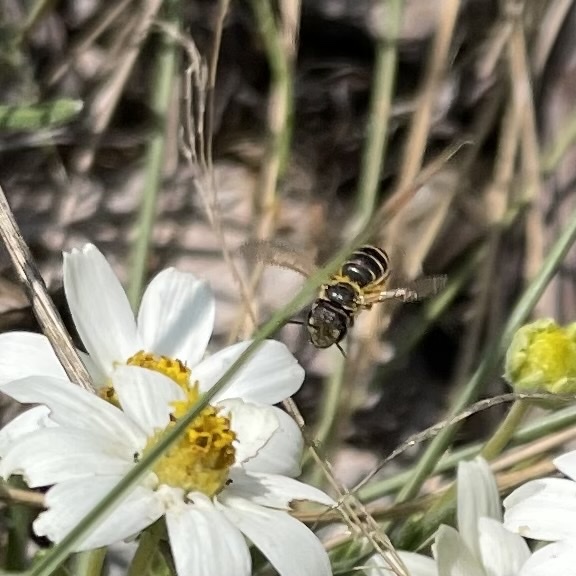
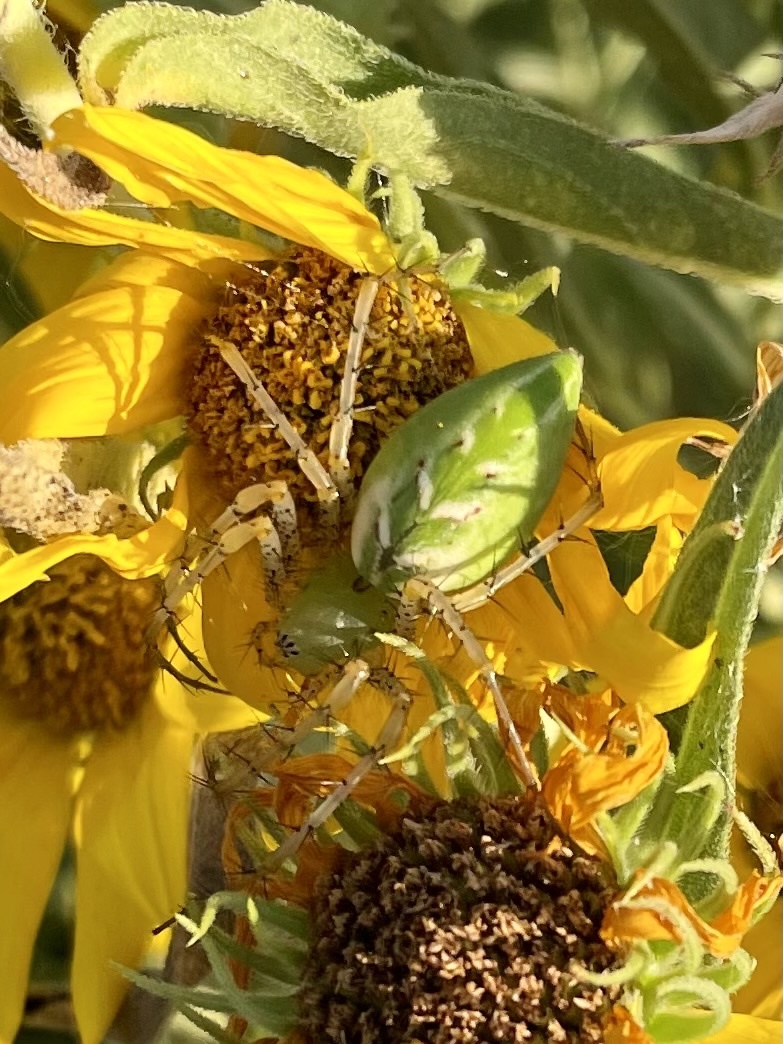
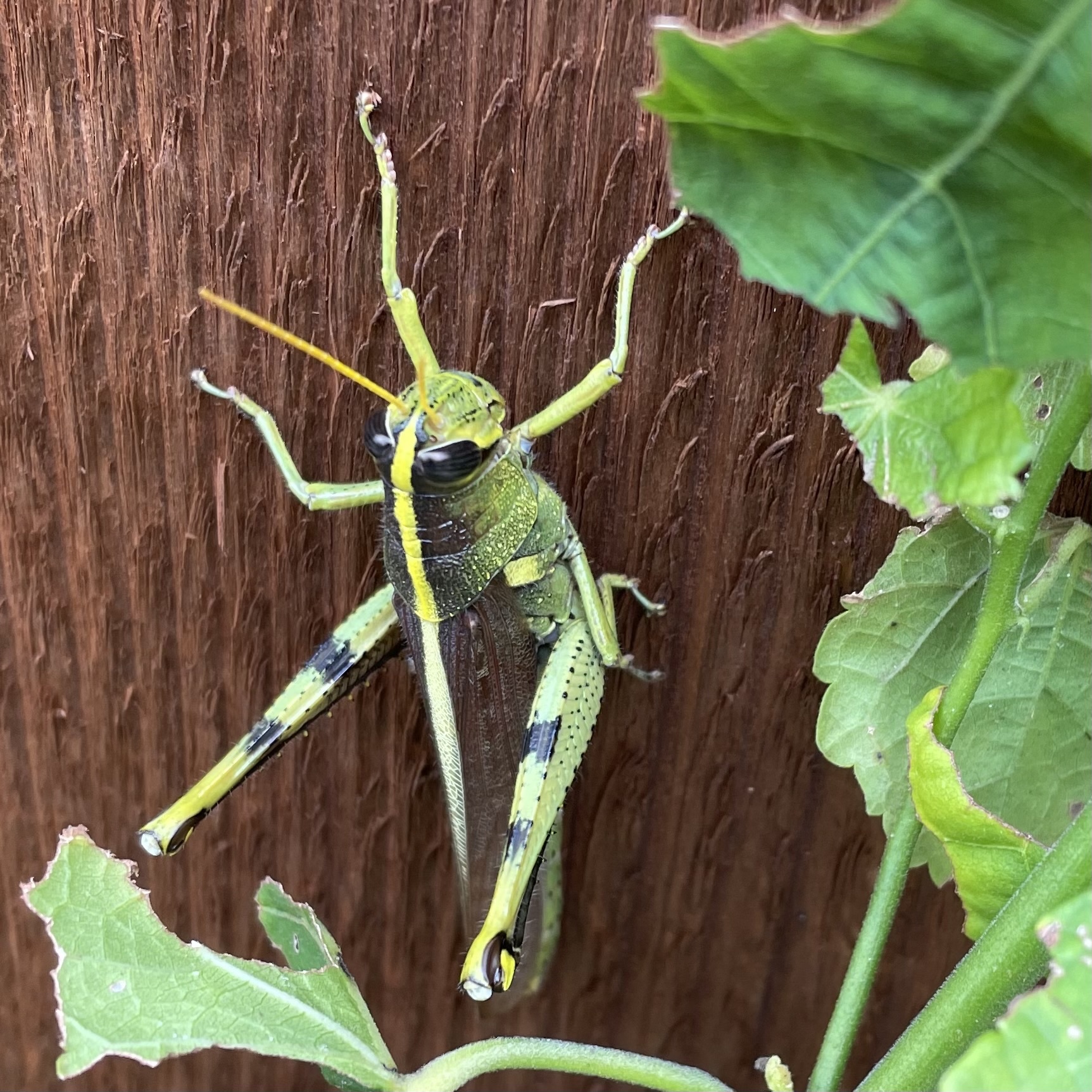
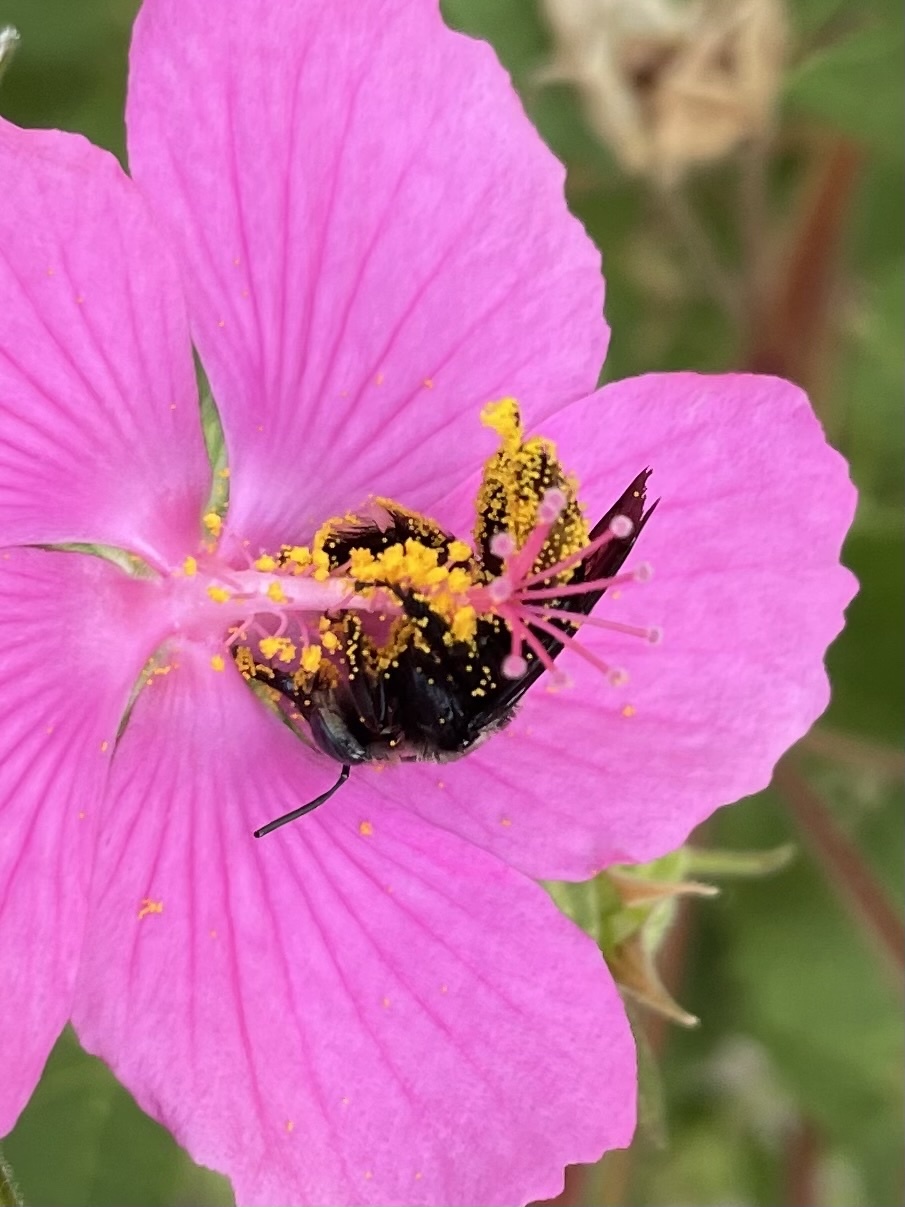
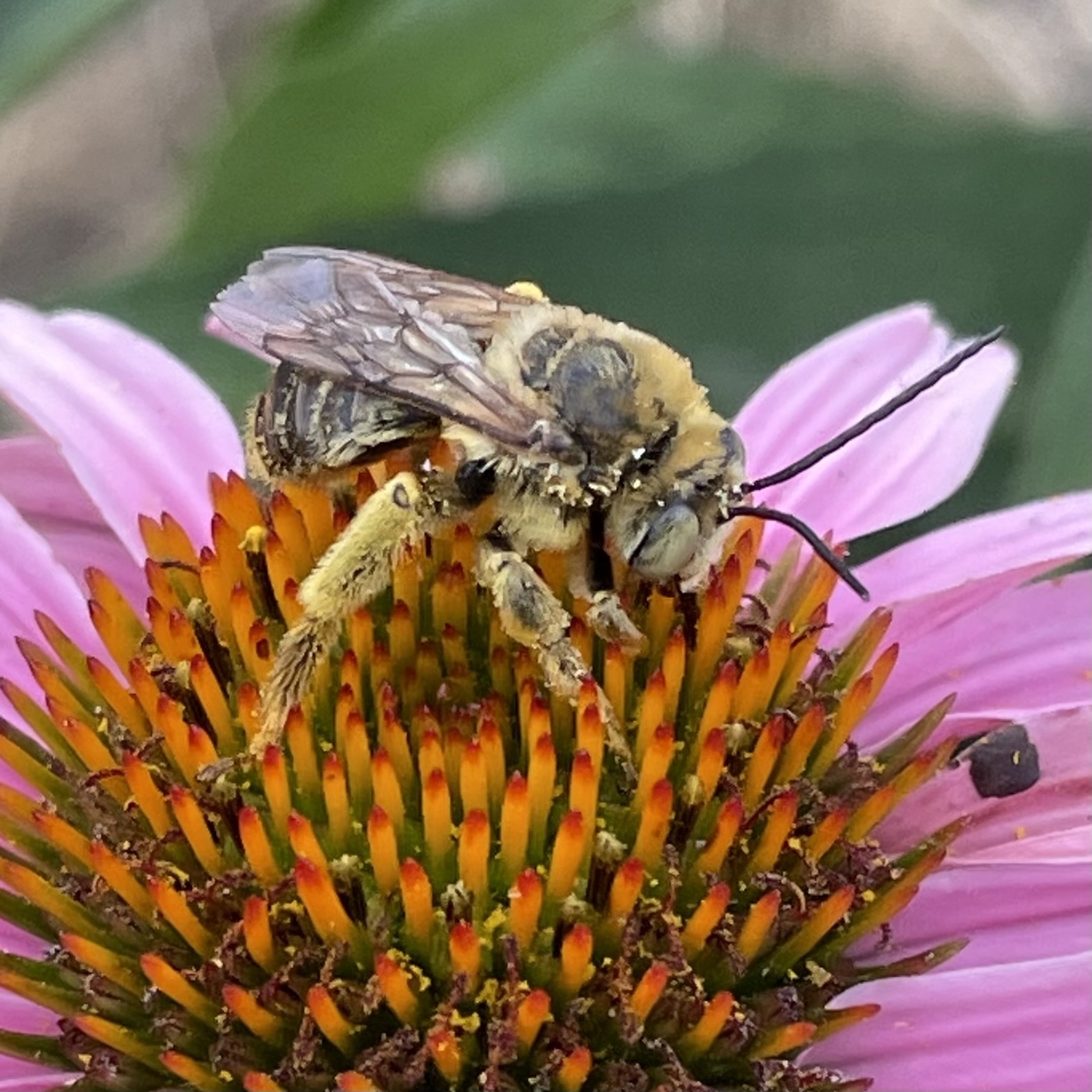
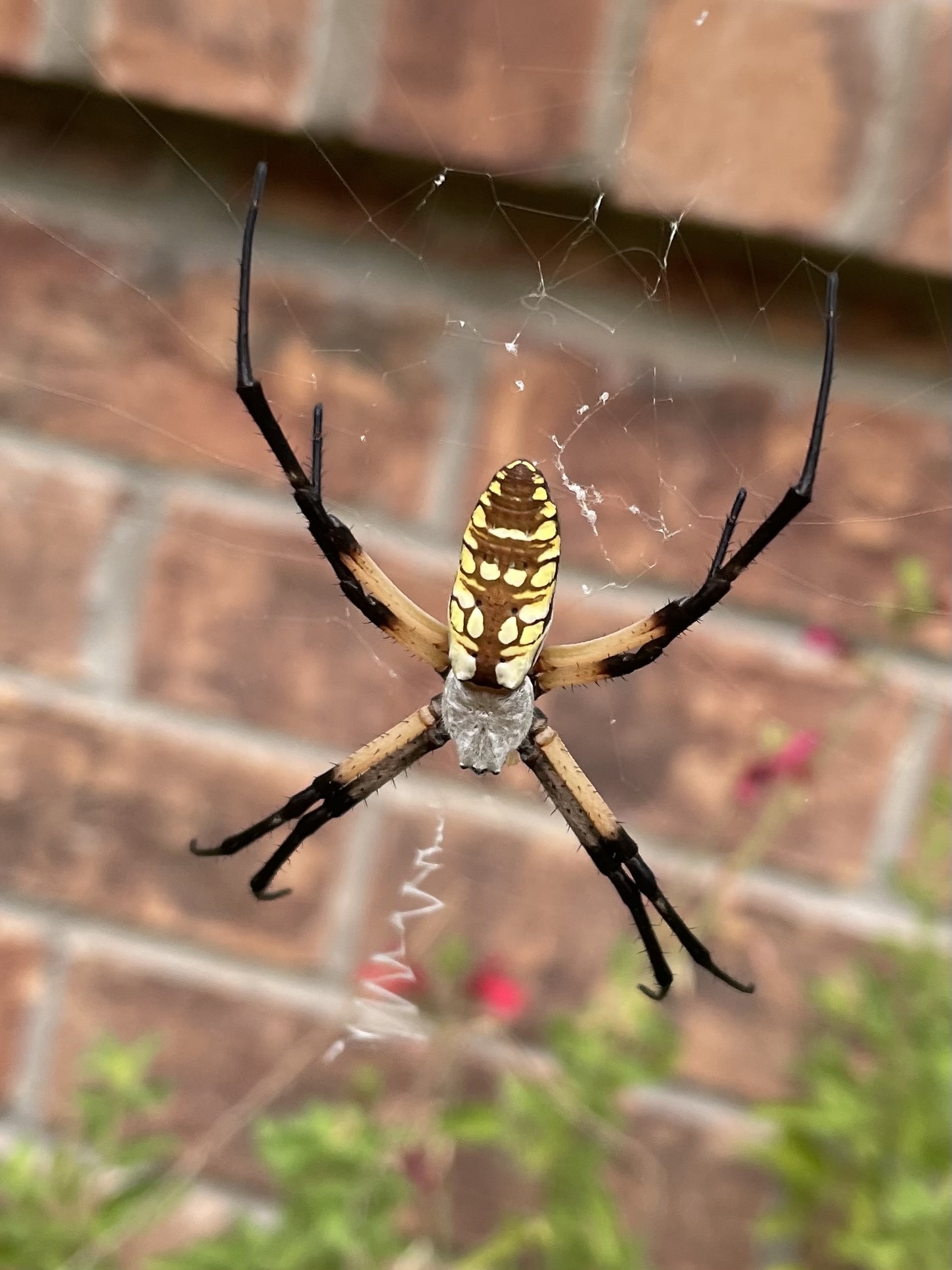
I’m creating this post as a landing page for my home garden in Benbrook, Texas. When I moved into the house, I had 2 live oak trees in the front yard and a lot of bermudagrass in front and back. The live oaks provide a lot of benefit to the ecosystem, but the bermudagrass provides very little and is not native to Texas. I've slowly been replacing sections of my bermudagrass lawn with pollinator-friendly plants, mostly native to Texas, and when possible, native genetics to the local area. I also live across the street from a creek, so I get a lot of wildlife visitors that might not ordinarily visit a typical suburban yard. However, if there were more gardens that were planted native plant species, we'd see a lot more native pollinators in all of our yards! This post will include a bit about my garden and the wildlife that shows up there, and here are just a few wildlife photos taken in my garden.
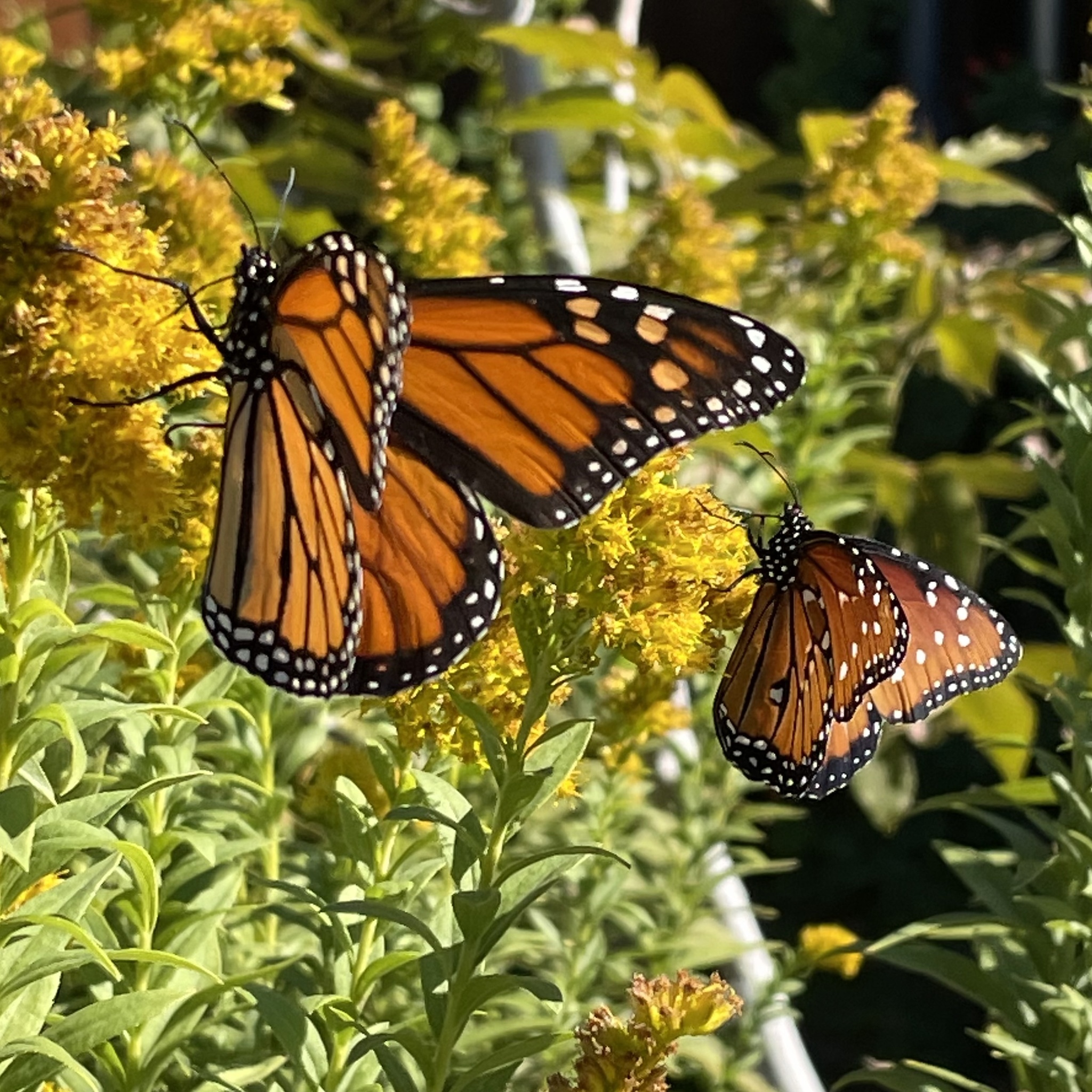
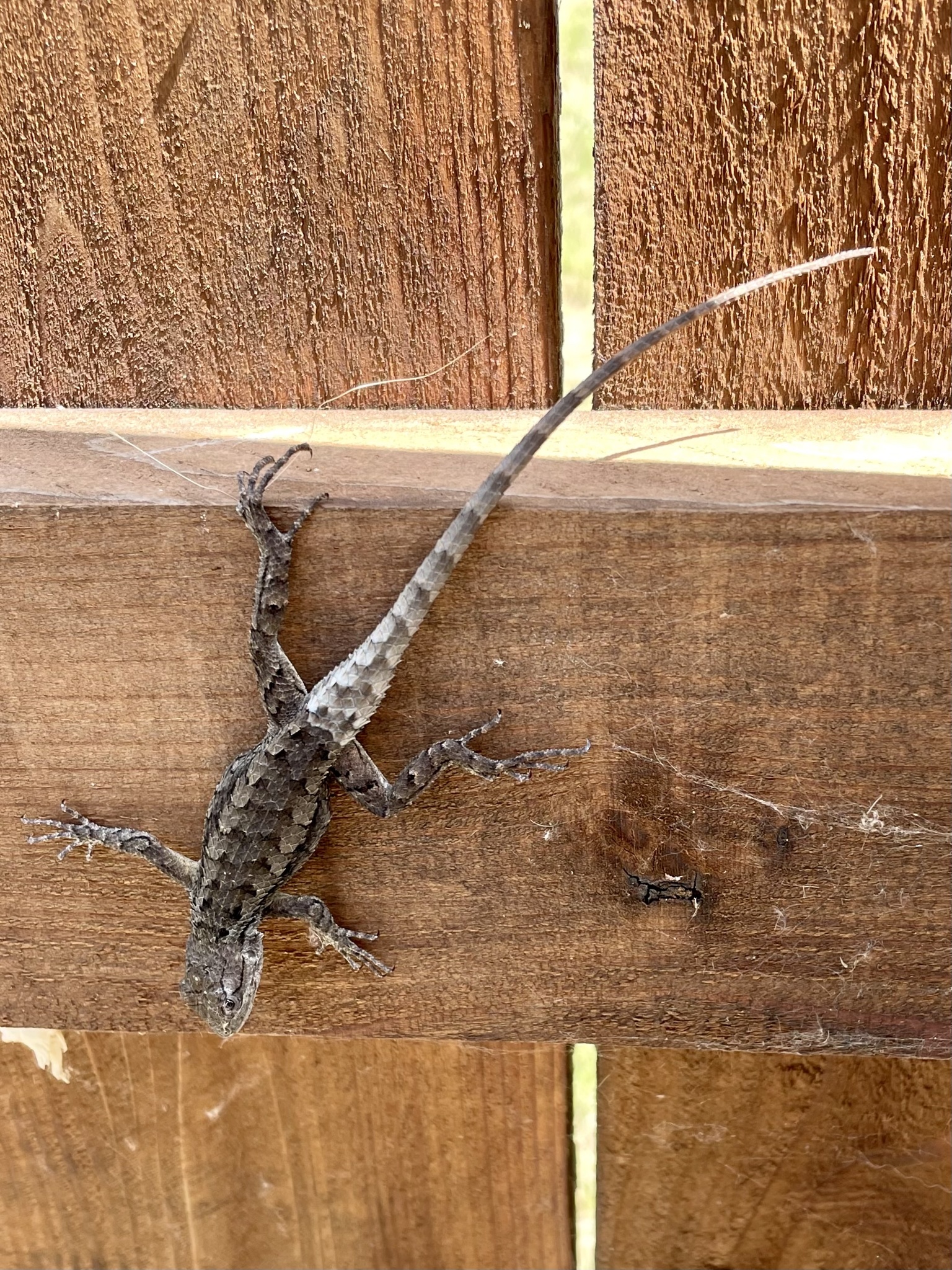
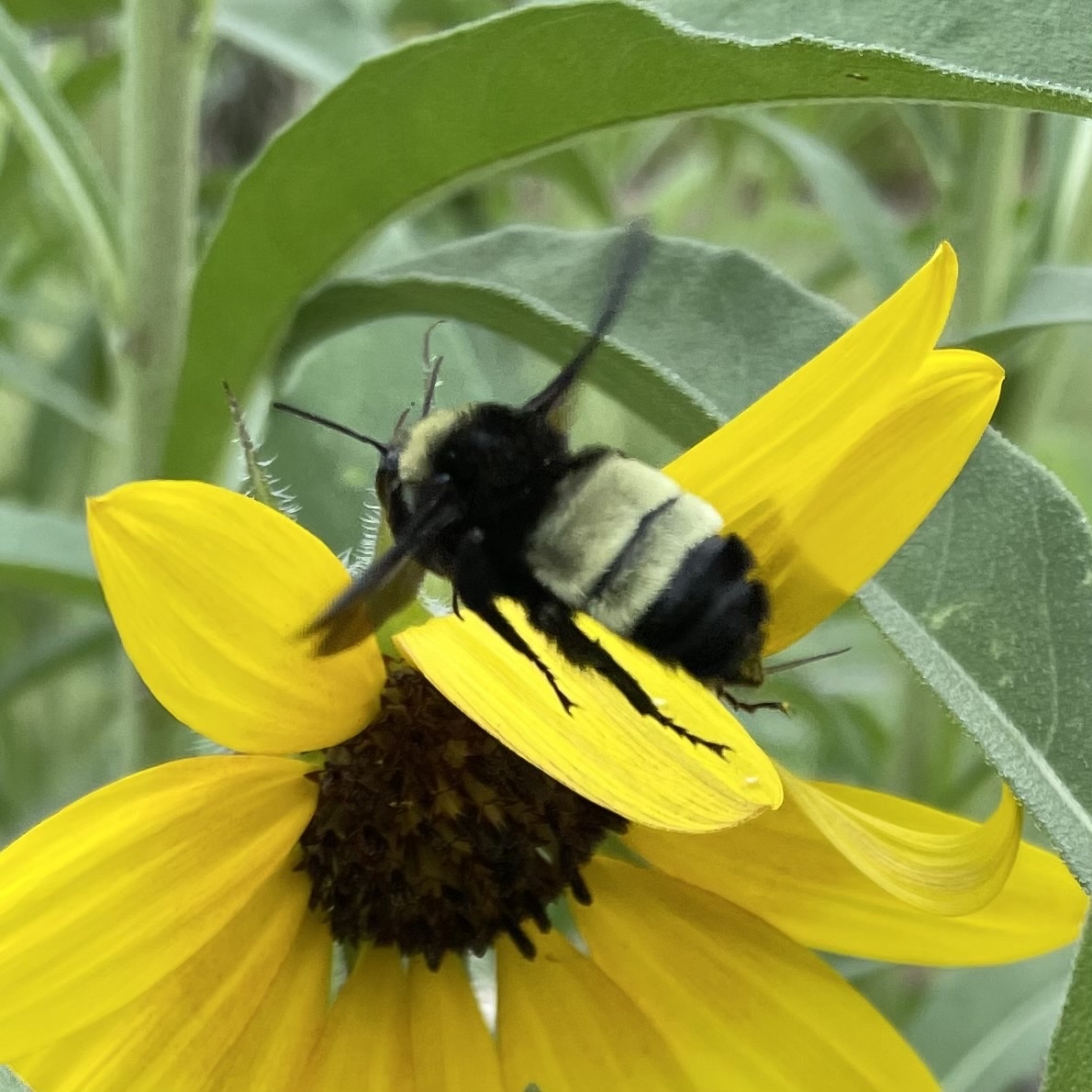
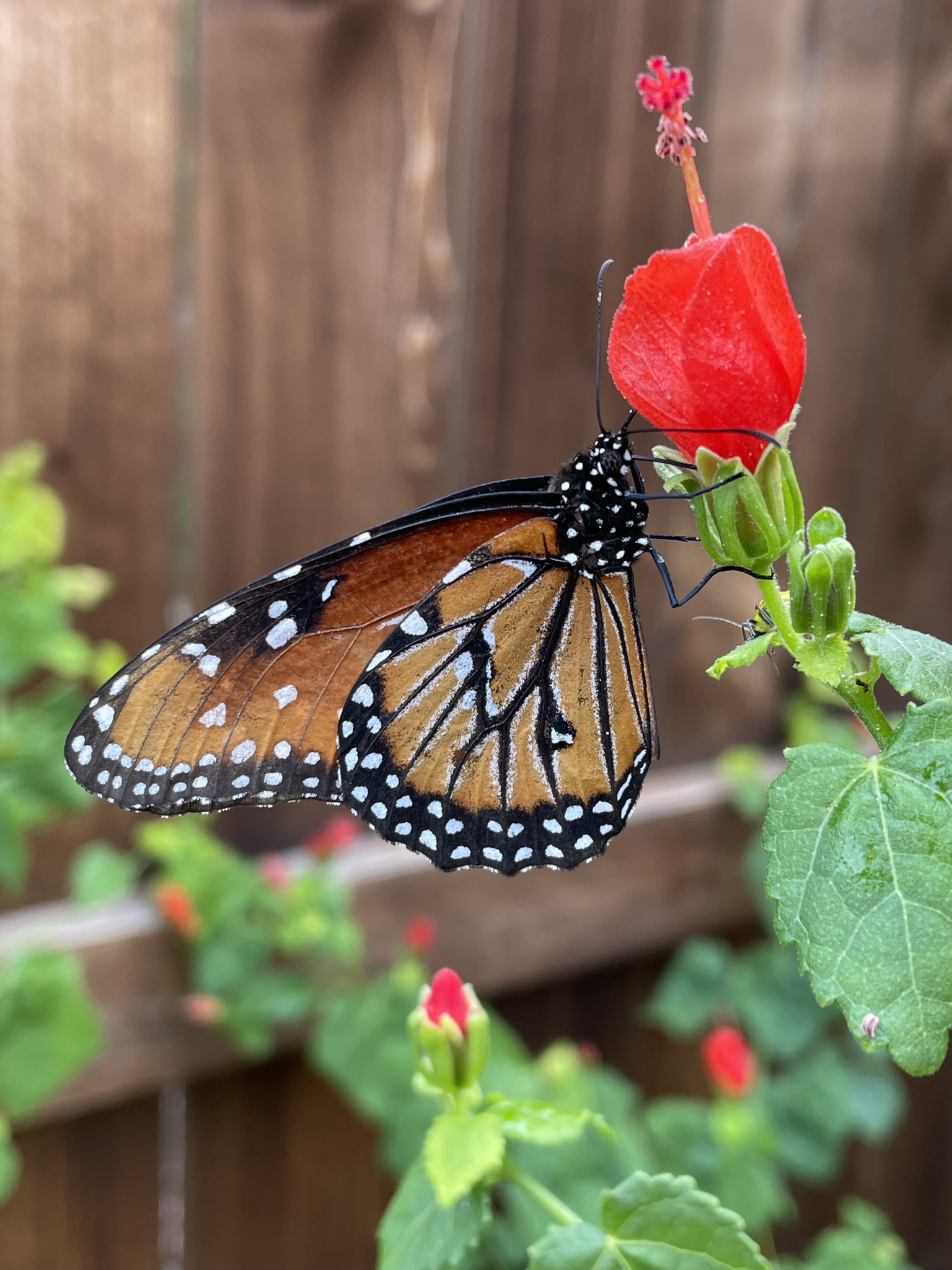
An ecoregion is an area where ecosystem features (type, quality, and quantity of environmental resources like water, sunlight, temperature, soil conditions, etc.) are generally similar. The Cross Timbers ecoregion is a transitional area between the once prairie, now agricultural growing regions to the west, and the forested low mountains or hills of eastern Oklahoma and Texas. The region stretches from southern Kansas into central Texas, and contains irregular plains with some low hills and tablelands. It is a mosaic of forest, woodland, savanna, and prairie. The transitional natural vegetation of little bluestem grassland with scattered blackjack oak and post oak trees is used mostly for rangeland and pastureland, with some areas of woody plant invasion and closed forest. Learn more about the Cross Timbers Level III Ecoregion from TPWD.
On a more detailed level, my home is located within the Grand Prairie Ecoregion (Level IV). The Grand Prairie ecoregion is an undulating plain underlain by Lower Cretaceous limestones with interbedded marl and clay. It is bounded on the east and west by the sandstones of the Cross Timbers, and its open plains contrast with the Cross Timbers oak woodlands. On the south, the generally smoother surface of the Grand Prairie meets the mesa or stairstep topography of the Limestone Cut Plain. Although the vegetation of the Grand Prairie is similar to the Northern Blackland Prairie, the limestone of the Grand Prairie is more resistant to weathering, which gives the topography a rougher appearance. Its location is transitional between the more moist climate of east Texas and the drier climate of the Great Plains. Meandering streams deeply incise the limestone surface. The original vegetation was tallgrass prairie in the upland areas and elm (Ulmus spp.), pecan (Carya illinoensis), and hackberry (Celtis spp.) in riparian areas where deeper soils have developed in floodplain deposits or where the underlying clays have been exposed by limestone erosion. Grand Prairie grasses under minimally disturbed conditions include big bluestem (Andropogon gerardii), yellow Indiangrass (Sorghastrum nutans), little bluestem (Schizachyrium scoparium), sideoats grama (B. curtipendula), and Texas cupgrass (Eriochloa sericea). Buffalograss (Buchloe dactyloides), Texas wintergrass (Stipa leucotricha), and gramas (Bouteloua spp.) tend to increase with intensive grazing. In the spring, abundant forbs create a showy display of flowers. Learn more about the Grand Prairies and all of Texas's Level III Ecoregions from The Ecoregions of Texas
I'll be adding more to this page as I continue transitioning my garden and want to add more educational resources.
POWO: Plants of the World Online
I recently changed my username from jaquiring to observerjosh, something that is easier to share and for others to remember. Now I need to get observing to live up to my new username! 😆