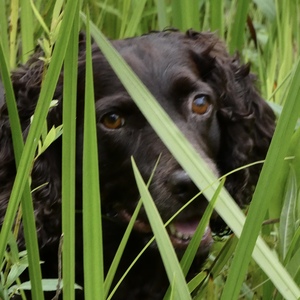
I have always loved to identify and learn about living things, and have been spending recent years gardening with natives to bring nature home (http://plantanative.com/). My learning progression was from traditional wildlife to birds, trees, wildflowers and other plants. I have wanted to tackle insects, mosses, fungi, etc. for several years and now, with help from the iNaturalist community, I finally have the motivation to start.

Logo-eee-15px
Logo-eee-15px

rcurtis's favorite taxa

Flowering Plants - Photo (c) Anne G, some rights reserved (CC BY-NC-SA) CC
Flowering Plants Info
The flowering plants (angiosperms), also known as Angiospermae or Magnoliophyta, are the most diverse group of land plants. Angiosperms are seed-producing plants like the gymnosperms and can be distinguished from the gymnosperms by a series of synapomorphies (derived characteristics). These characteristics include flowers, endosperm within the seeds, and the production of fruits that contain the seeds. (From Wikipedia)
Amphibians - Photo (c) Matthew Niemi, some rights reserved (CC BY-NC-ND) CC
Amphibians Info
Amphibians (class Amphibia, from Amphi- meaning "on both sides" and -bios meaning "life") are ectothermic (or cold-blooded) animals that metamorphose from a juvenile water-breathing form, either to an adult air-breathing form, or to a paedomorph that retains some juvenile characteristics. Mudpuppies, for example, retain juvenile gills in adulthood. The three modern orders of amphibians are Anura (frogs and toads), Caudata (salamanders and newts), and Gymnophiona (caecilians, limbless amphibians that resemble snakes), and in total they number... (From Wikipedia)
Birds - Photo (c) Kenny P., some rights reserved (CC BY-NC) CC
Birds Info
Birds (class Aves) are winged, bipedal, endothermic (warm-blooded), vertebrate animals that lay eggs. There are around 10,000 living species, making them the most numerous tetrapod vertebrates. They inhabit ecosystems across the globe, from the Arctic to the Antarctic. Birds range in size from the 5 cm (2 in) Bee Hummingbird to the 3 m (10 ft) Ostrich. The fossil record indicates that birds evolved from theropod dinosaurs during the Jurassic period, around 150–200 Ma (million years ago), and the earliest... (From Wikipedia)
Reptiles - Photo (c) Keven Law, some rights reserved (CC BY-SA) CC
Reptiles Info
Reptiles are animals in the (Linnaean) class Reptilia. They are characterized by breathing air, laying shelled eggs (except for some vipers and constrictor snakes that give live birth), and having skin covered in scales and/or scutes. Reptiles are classically viewed as having a "cold-blooded" metabolism. They are tetrapods (either having four limbs or being descended from four-limbed ancestors). Modern reptiles inhabit every continent with the exception of Antarctica, and four living orders are currently recognized: (From Wikipedia)
Mammals - Photo (c) Andy, some rights reserved (CC BY-ND) CC
Mammals Info
Mammals are members of class Mammalia ( /məˈmeɪli.ə/), air-breathing vertebrate animals characte