An unrecognized species of Astragalus from northern New Mexico mountains
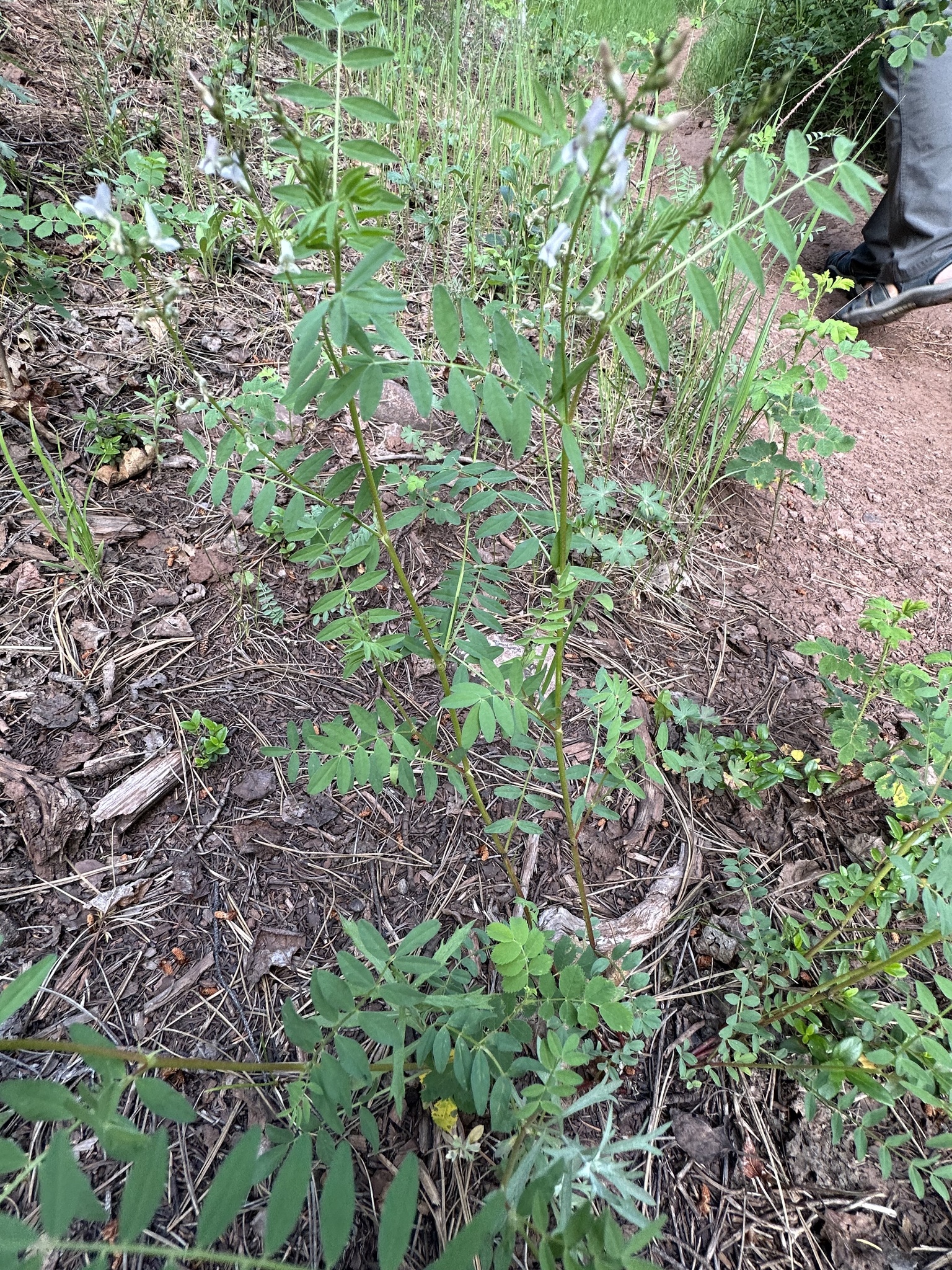
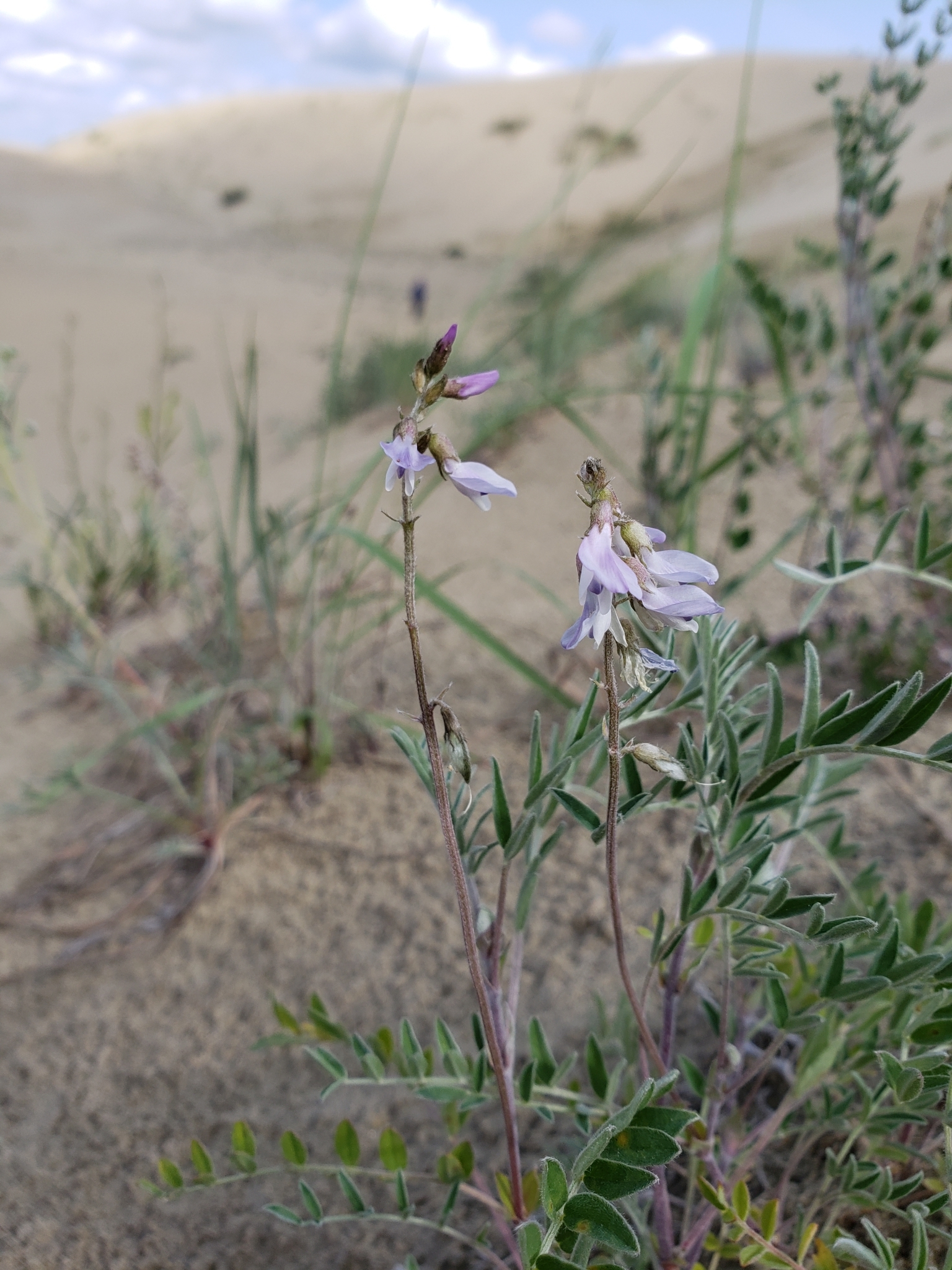
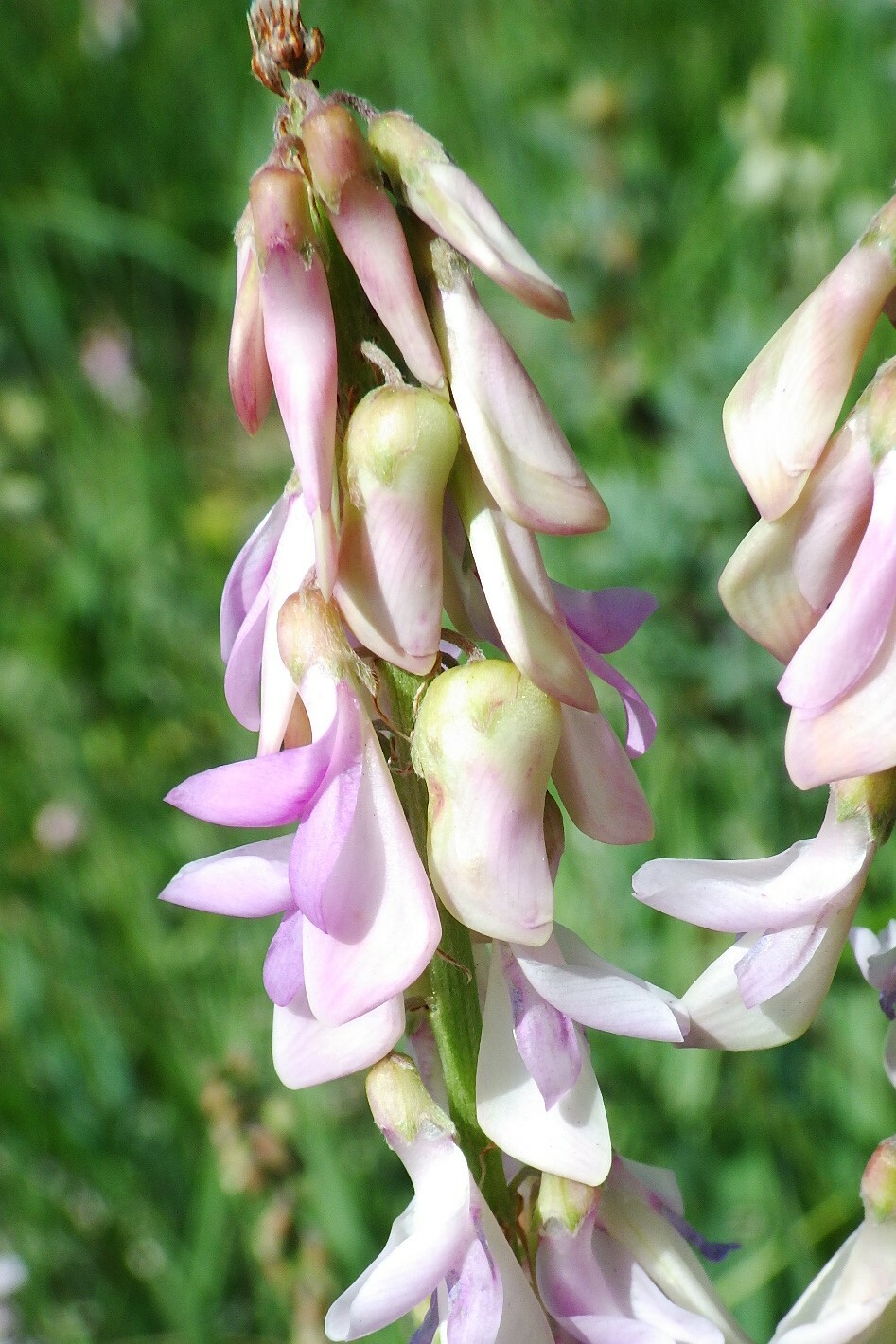
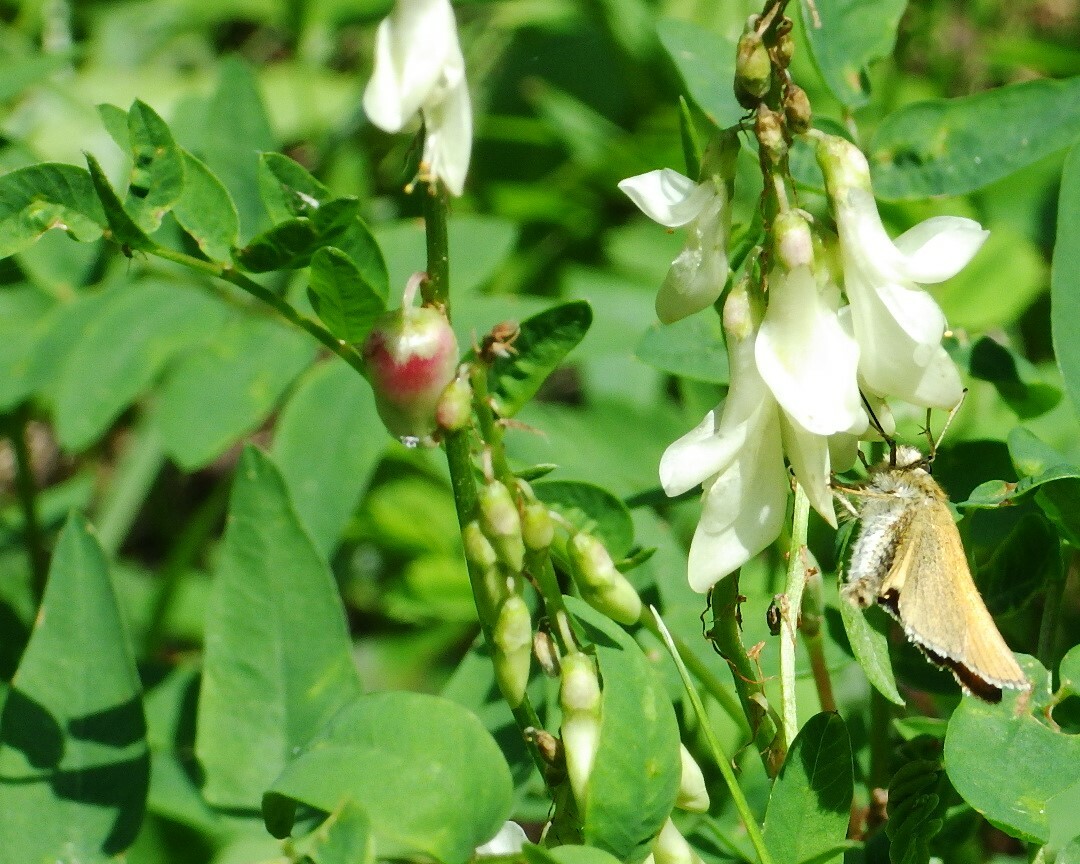
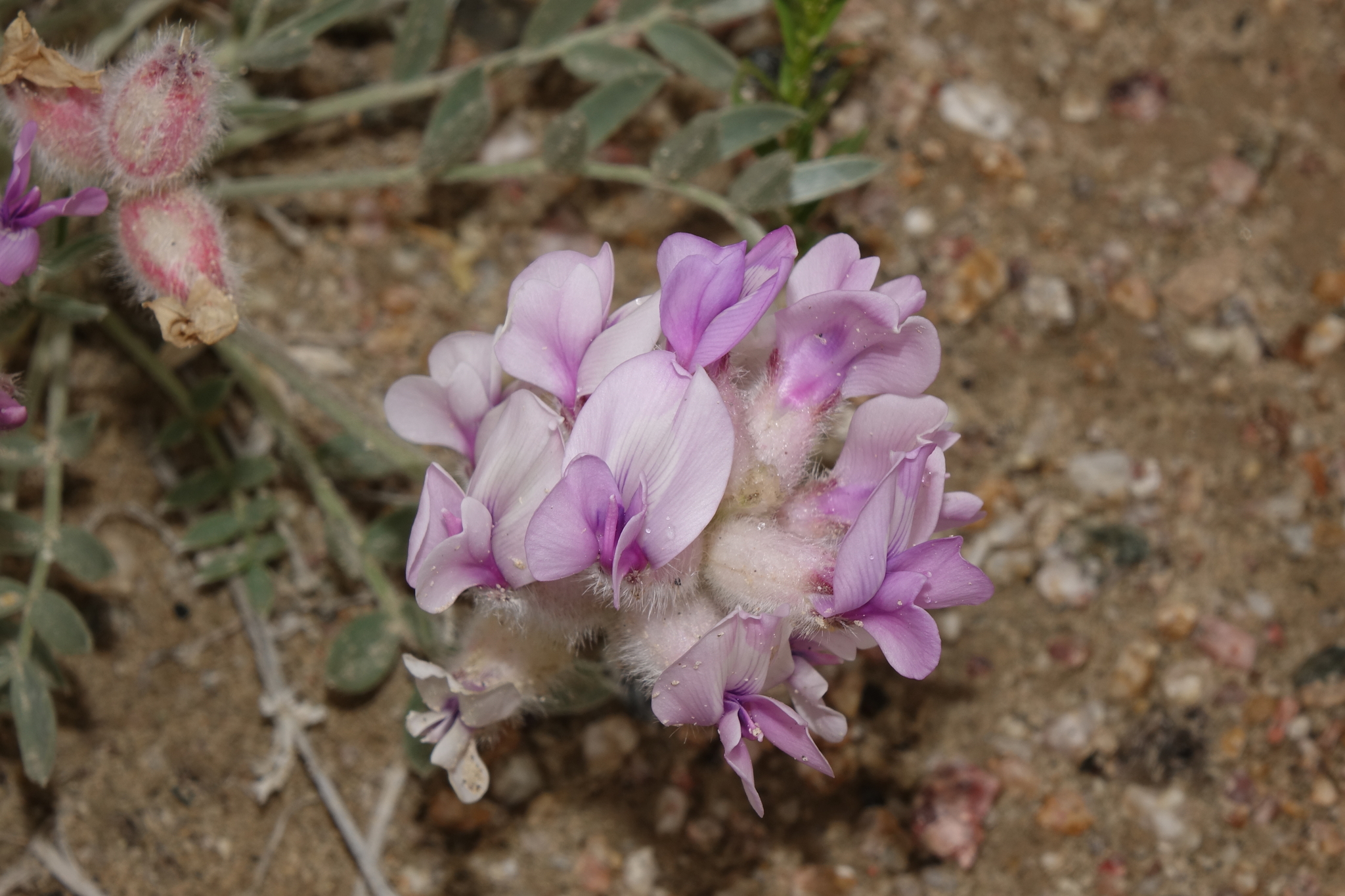
Image: The Angel Fire milkvetch observed by Christopher Rustay (@christopherrustay) near Angel Fire, New Mexico, see https://www.inaturalist.org/observations/170036635. This represents the second observation of this species on iNaturalist and the first that shows the flowers (reproduced under license CC BY-NC 4.0, https://creativecommons.org/licenses/by-nc/4.0/, © Christopher Rustay).
The purpose of this journal post is to draw attention to an unrecognized species of Astragalus in the Sangre de Christo Mountains at the southern end of the Rocky Mountains of New Mexico.
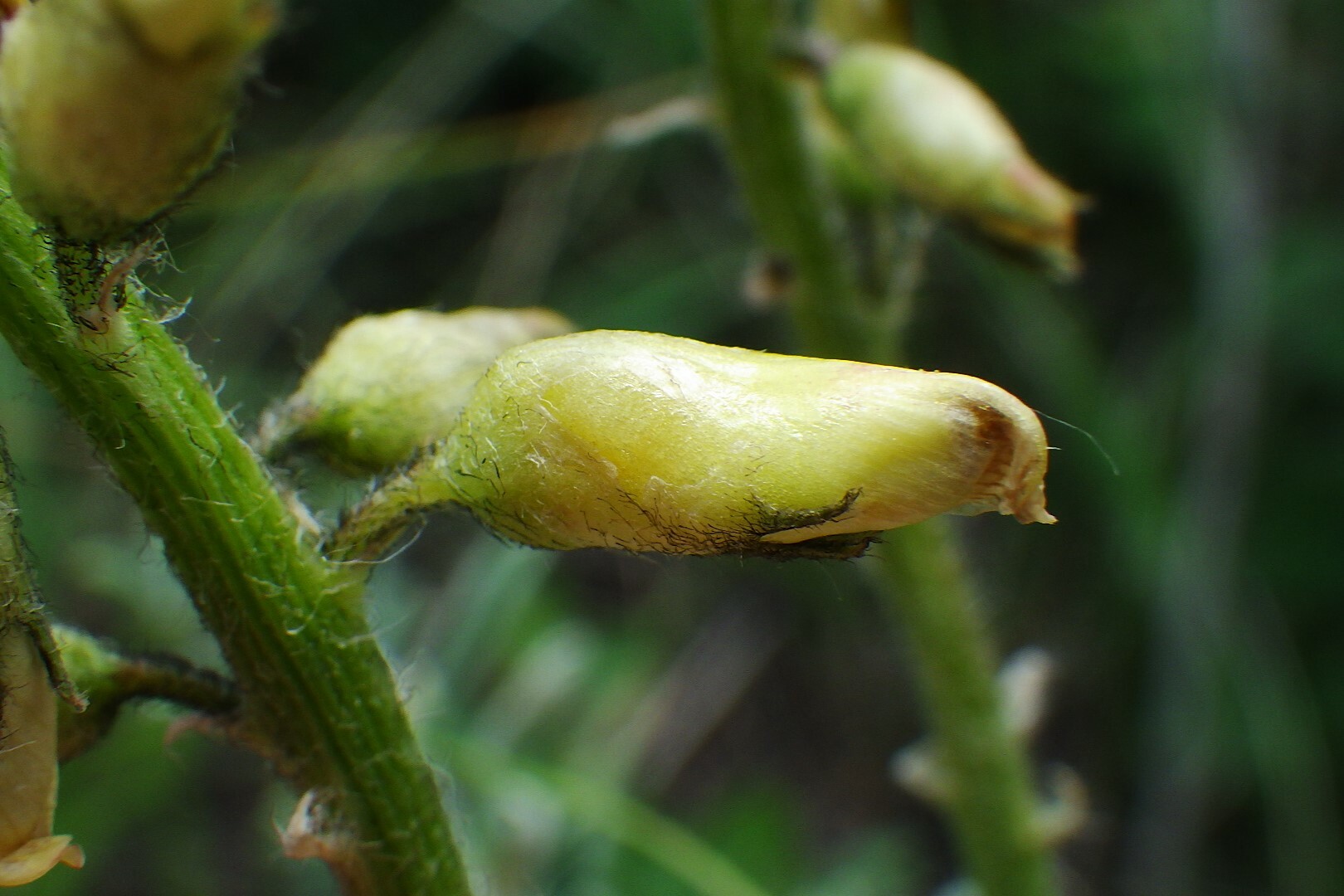
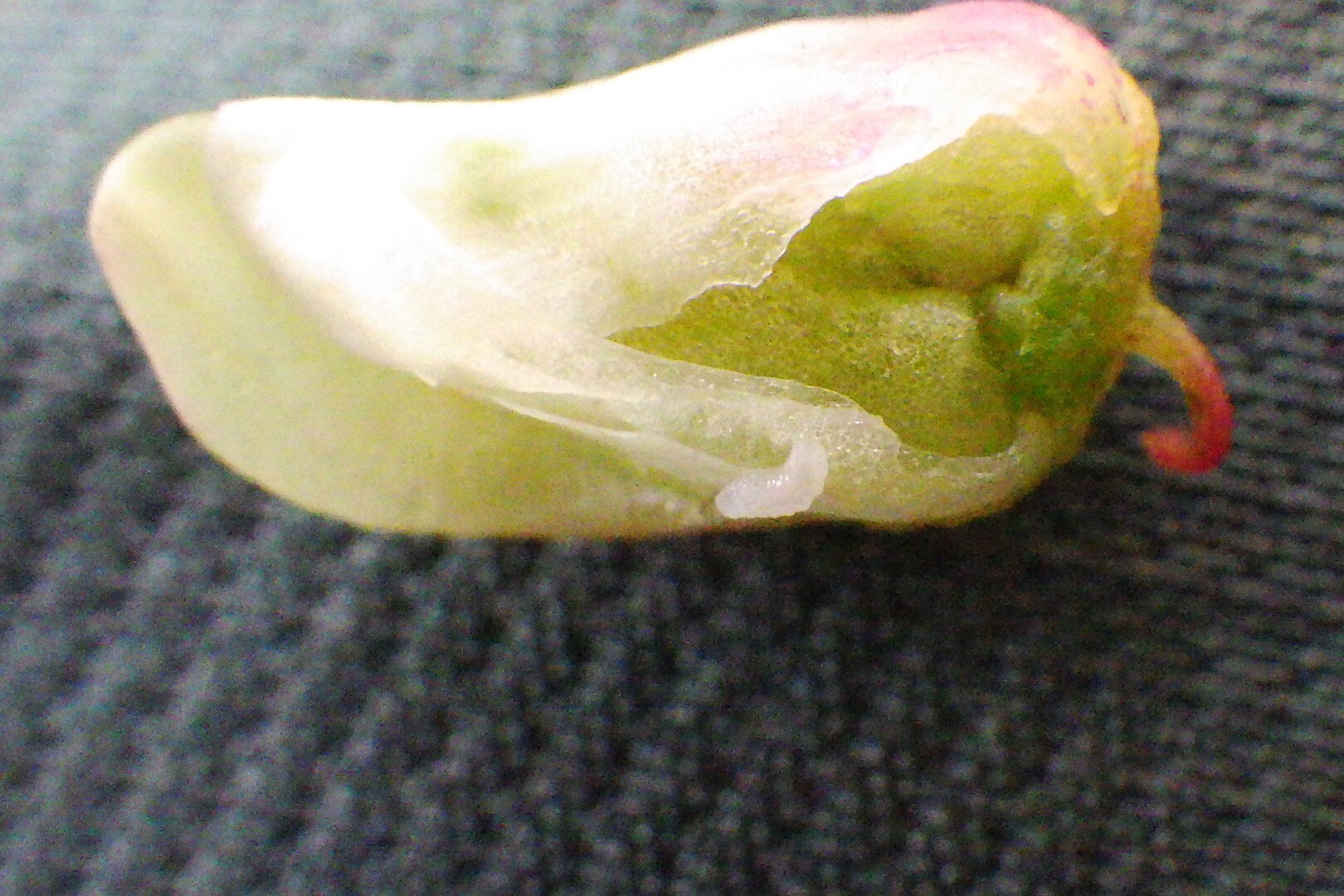
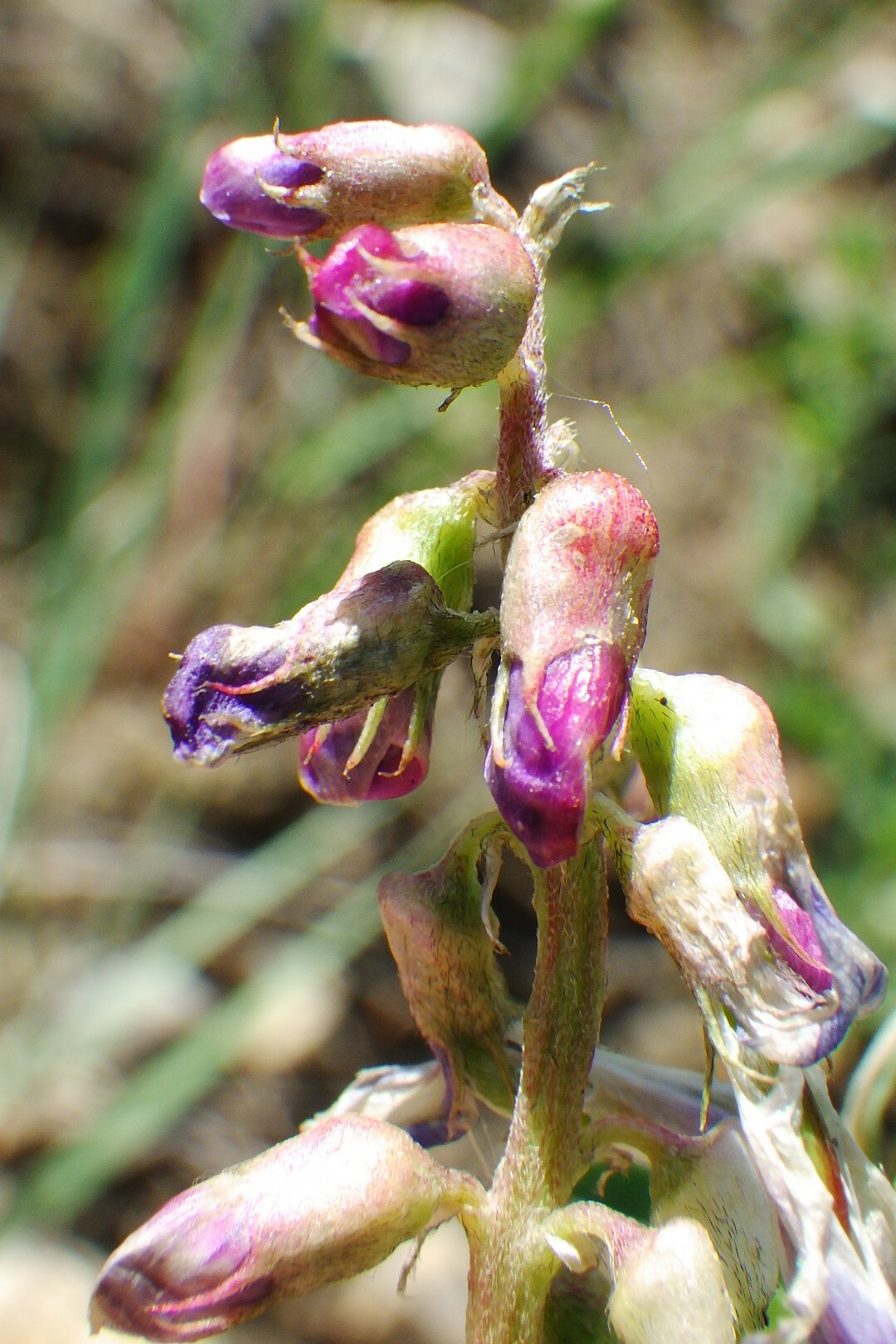
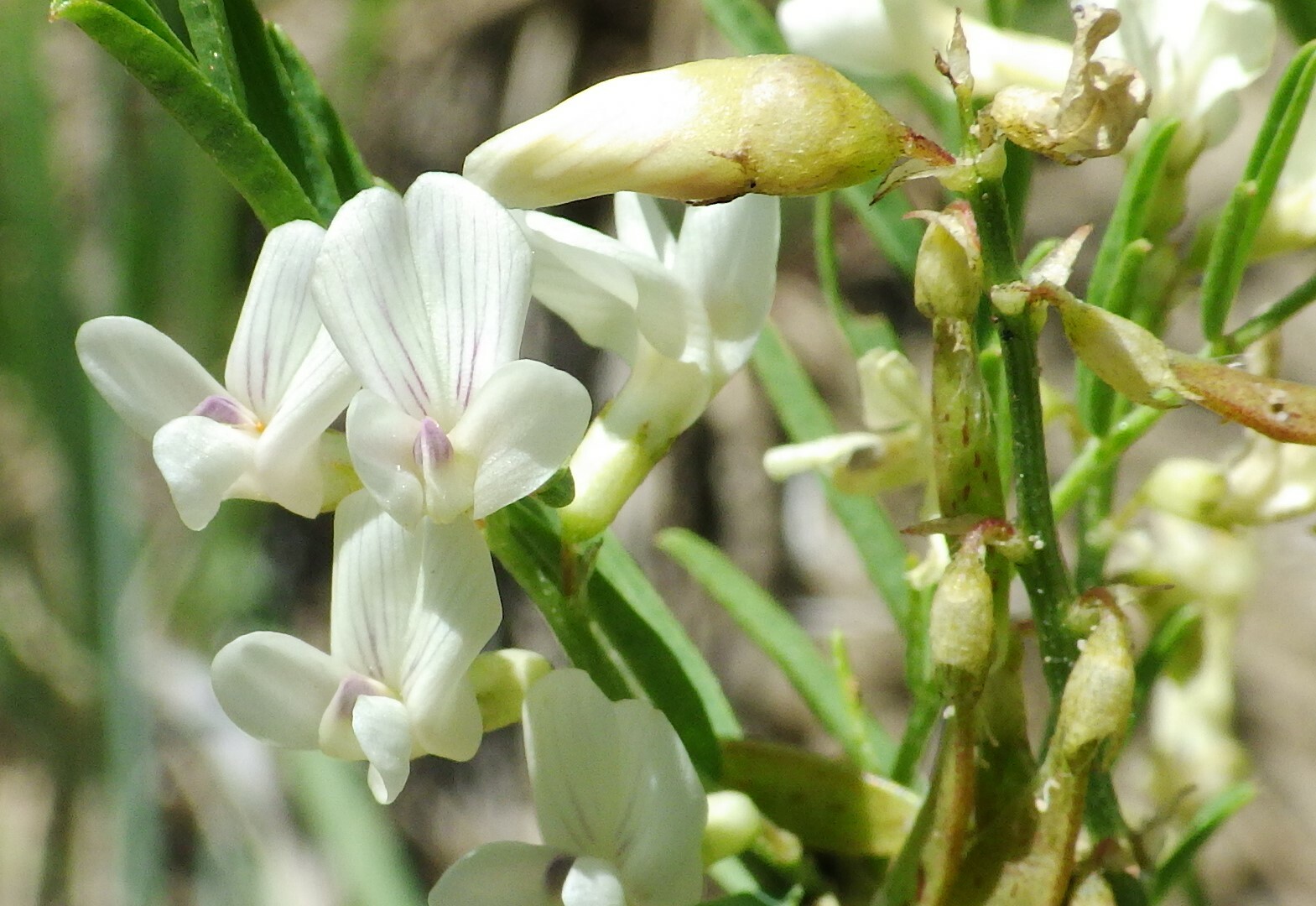
History of discovery. I first came across this species on iNaturalist in 2022 when I was identifying milkvetches from New Mexico. I was unable to identify it at the time and left it at genus level: https://www.inaturalist.org/observations/170545709. I revisited this observation a year later and decided that it was A. robbinsii. Around the same time, I came across another observation which I identified as A. flexuosus: https://www.inaturalist.org/observations/172630938. At the time I did not connect the two observations, but now I believe they show the same species. Then, after a two-year hiatus, two additional observations came to my attention in October 2025: https://www.inaturalist.org/observations/284718562, https://www.inaturalist.org/observations/295553656. Again, I did not connect the to the previous observations or to each other and identified one of them as A. bodinii and the other as A. multiflorus. I should add that all four species have been documented from this area of New Mexico. Of these four observations only the one I identified as multiflorus had pods, but they are not captured very well and are hidden in a tangle of foliage. Recently, I discovered another seven observations, including one that shows the pods quite well (https://www.inaturalist.org/observations/300082093). At this point, I finally realized that all these observations show the same species which bears features of the four species I had identified it as before, but actually matches none of them.
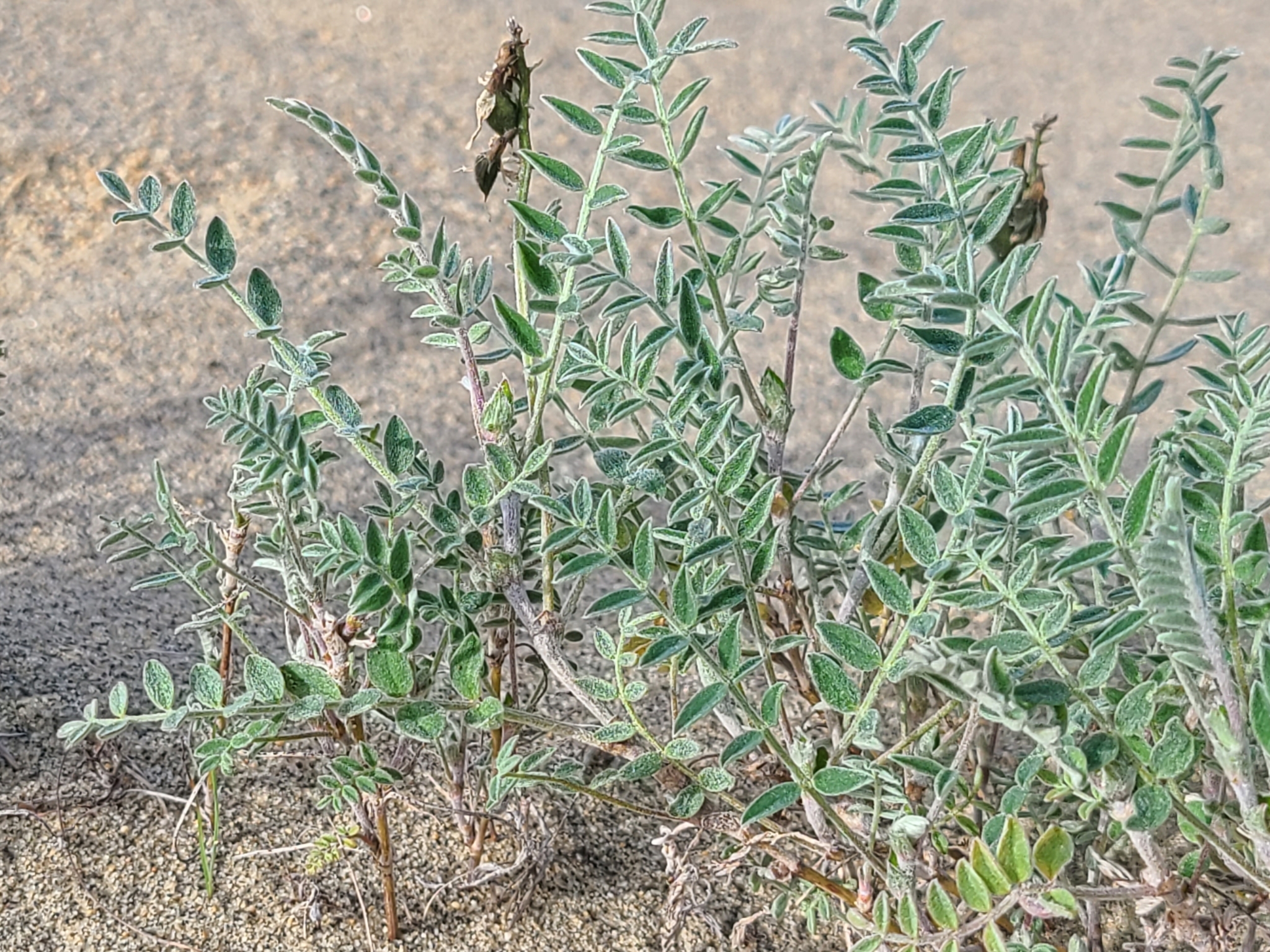
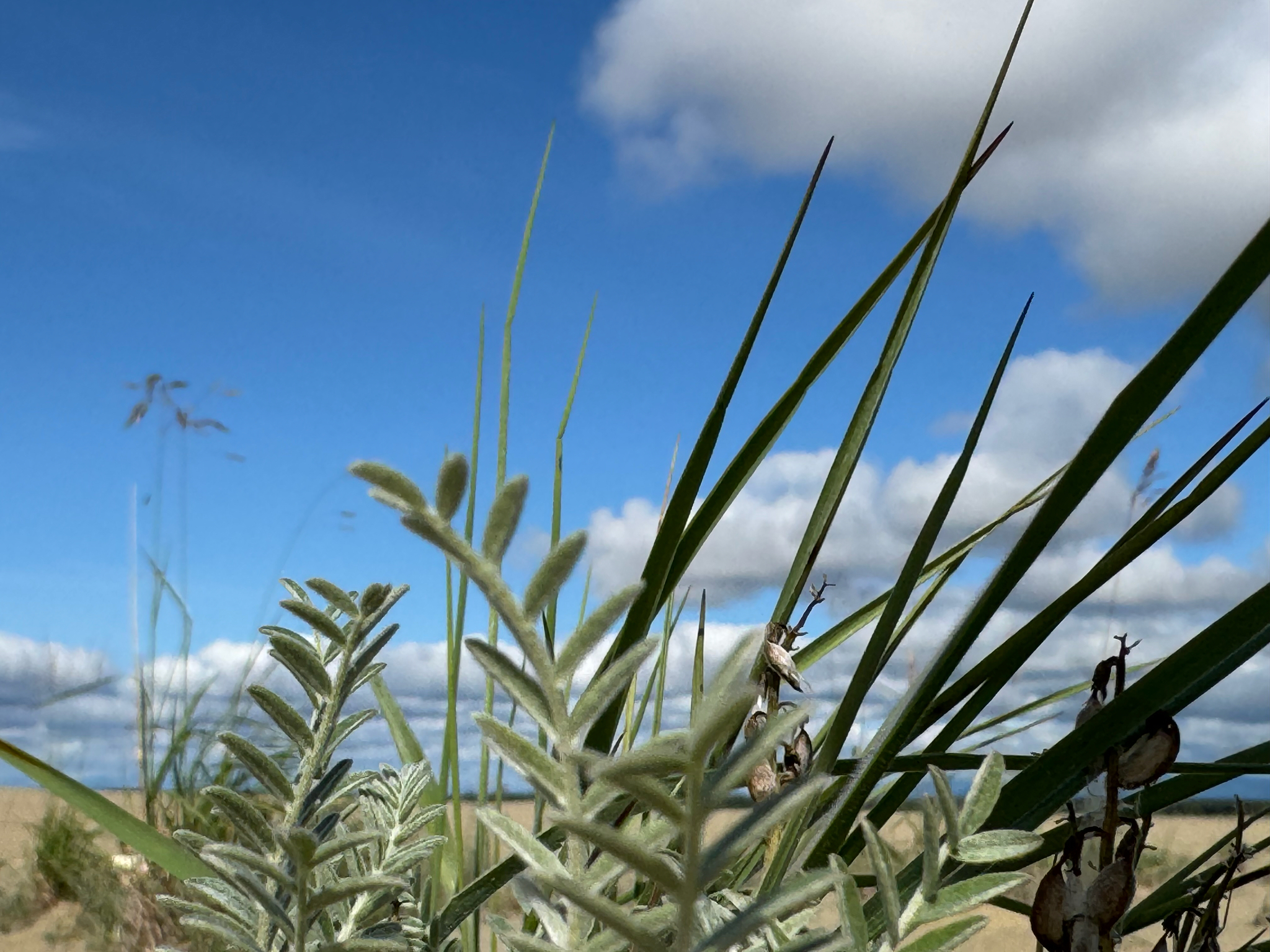
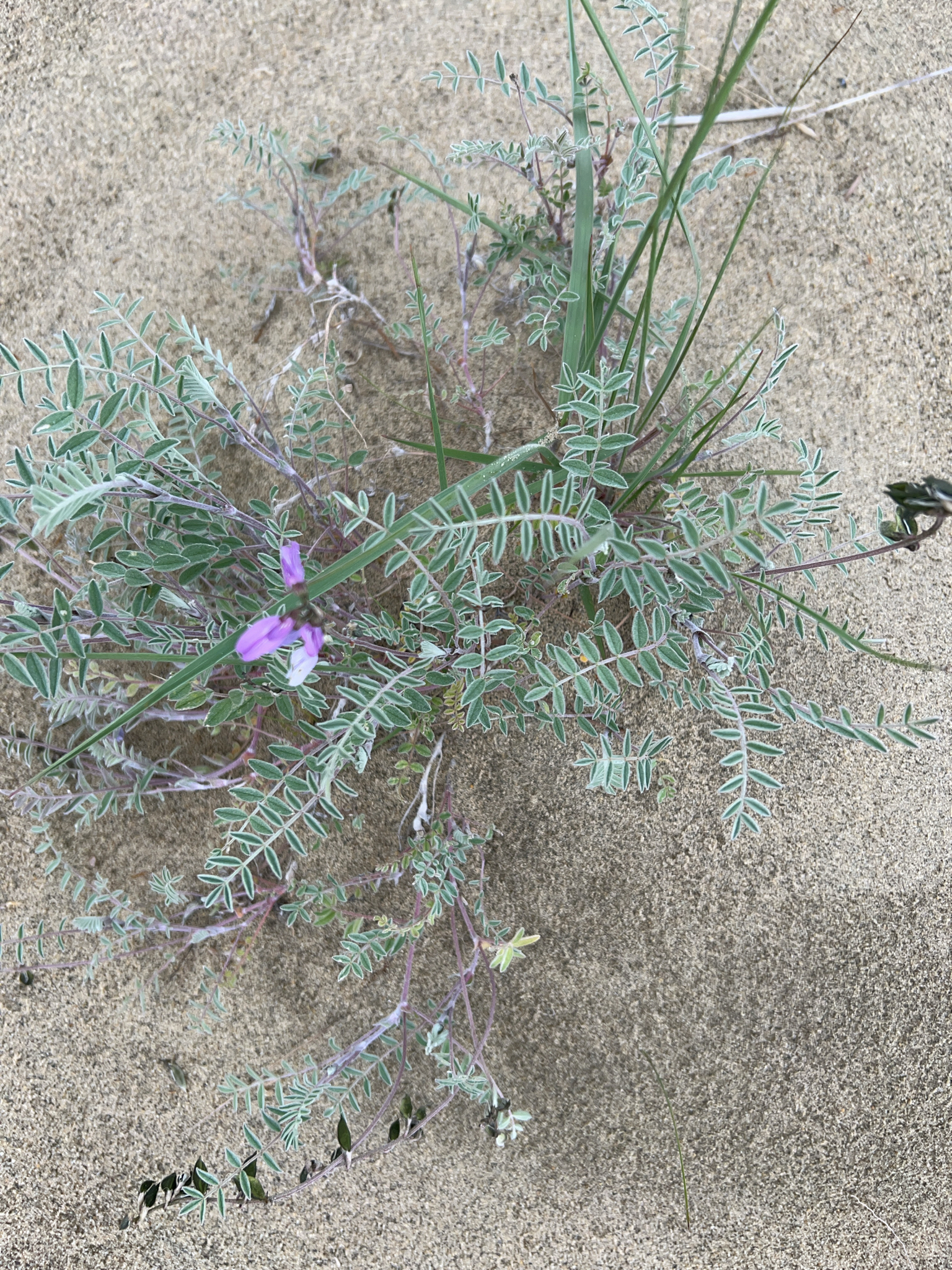
Observations. Here is a complete list of the observations I found, sorted by geographic area. I believe that this is all there is at the moment on iNaturalist since I also went through unidentified observations of Fabaceae and checked observations of other genera that look similar (e.g., one was initially misidentified as Vicia). All observations are from four localities in Taos and Colfax Cos. at elevations from 2,400-2,800 m (7,900-9,200 ft) (asterisks denote observations with pods):
Taos County
Agua Sarca Canyon, Cibola National Forest:
- https://www.inaturalist.org/observations/170545709
- *https://www.inaturalist.org/observations/295553656
- https://www.inaturalist.org/observations/262453313
- https://www.inaturalist.org/observations/237748273
- https://www.inaturalist.org/observations/284718562
Valle Escondido:
Colfax County
Angel Fire:
- *https://www.inaturalist.org/observations/53761075
- https://www.inaturalist.org/observations/297473322
- https://www.inaturalist.org/observations/170036635
Cimarron Canyon State Park, Clear Creek Trail:
- https://www.inaturalist.org/observations/172630938
- *https://www.inaturalist.org/observations/300081479
- *https://www.inaturalist.org/observations/300082093
Since I don't know what species it is I am going to nickname it the 'Angel Fire milkvetch' after one of the localities (and because it has a nice ring to it). Below are diagnoses which differentiates it from the four species it resembles:
Astragalus robbinsii
- pods flattened, not stipitate, seemingly glabrous (vs. somewhat 3-sided, stipitate, with black pubescence in robbinsii)
- wing petals wide distally not curved around their long axes (vs. narrow distally, often curved like the halves of a cylinder)
- dorsal calyx teeth not shifted ventrally and not much farther apart than each one is from the lateral calyx teeth (vs. shifted ventrally, usually widely separated and much closer to lateral teeth)
- leaflets often much longer than wide and elliptic (sometimes wider below the middle), usually with pointed tips (vs. usually wide, with rounded tips)
Astragalus multiflorus
- pods similar (i.e., flattened) but lacking stipes (present in multiflorus). NB: one observation shows dark brown pods (https://www.inaturalist.org/observations/53761075) which usually happens in fully mature multiflorus pods
- corolla often lavender, including banner (vs. usually white, rarely banner partly lavender)
- racemes much longer than subtending leaves (vs. about as long)
- leaflets wide, elliptic to lanceolate (vs. usually linear, narrow)
- stems few, sometimes long, growth form not shrubby (vs. stems often numerous and usually shorther, resulting in a shrubby look
- growing in ± shaded, montane forest or montane meadows (vs. usually ± open, sparsely vegetated sites such as eroded hillsides in NM)
Astragalus flexuosus
- pods flattened, elliptic, not freckled (vs. usually ± cylindrical in flexuosus, often freckled in NM populations, e.g. compare to https://www.inaturalist.org/observations/168719076 from Bernalillo Co., at 2,300 m or 7,550 ft)
- calyx pale green, often with sparse black pubescence, teeth long (vs. often purplish, with teeth almost always short)
- leaflets wide, elliptic to lanceolate, with pointed apex (vs. usually narrow and parallel-sided, if wide then with apex obtuse to truncate or retuse) NB: This species is highly variable. All three described varieties (flexuosus, diehlii, greenei) occur in New Mexico. I have limited familiarity with var. diehlii and greenei.
Astragalus bodinii
- pods flattened, elliptic, seemingly glabrous (vs. somewhat 3-sided, swollen, slightly bladdery, sometimes slightly curved, strigose in bodinii)
- corolla largely whitish or lavender, with a purplish keel (vs. largely purple)
- stems few, ascending to sometimes tall and completely erect (vs. usually numerous, spreading or prostrate, usually mat-forming)
Conclusions. Based on the mentioned characteristics, I feel confident in ruling all mentioned sympatric species except flexuosus. A search on SEINet for flexuosus from Taos and Colfax Cos. did not yield any herbarium specimens that appear to be the same species (none exist from the same localities, except one from Angel Fire, which looks like a typical flexuosus). The Angel Fire milkvetch does neither resemble flexuosus from lower elevation in northern New Mexico, nor flexuosus from mountains farther north in Colorado or farther south in New Mexico. It appears to be a distinct population, that might be an unrecognized variety of flexuosus or an unrecognized species. The strongly flattened pods are very much unlike flexuosus. Therefore I am leaning towards the latter hypothesis.
Acknowledgements. I would like to thank the nine observers who contributed these interesting obervations: @maryadams (3 obs.), @jeffpennington (2 obs.), @andrewhagglund, @bvking98, @christopherrustay, @clairegentry, @eschmitt505, @kevinfloyd and @lexhersh. If you regularly make observations in this area please keep your eyes open for this species. It would be especially helpful to have additional high quality images of the pods of this species. Thanks!